- 0
- 485 words
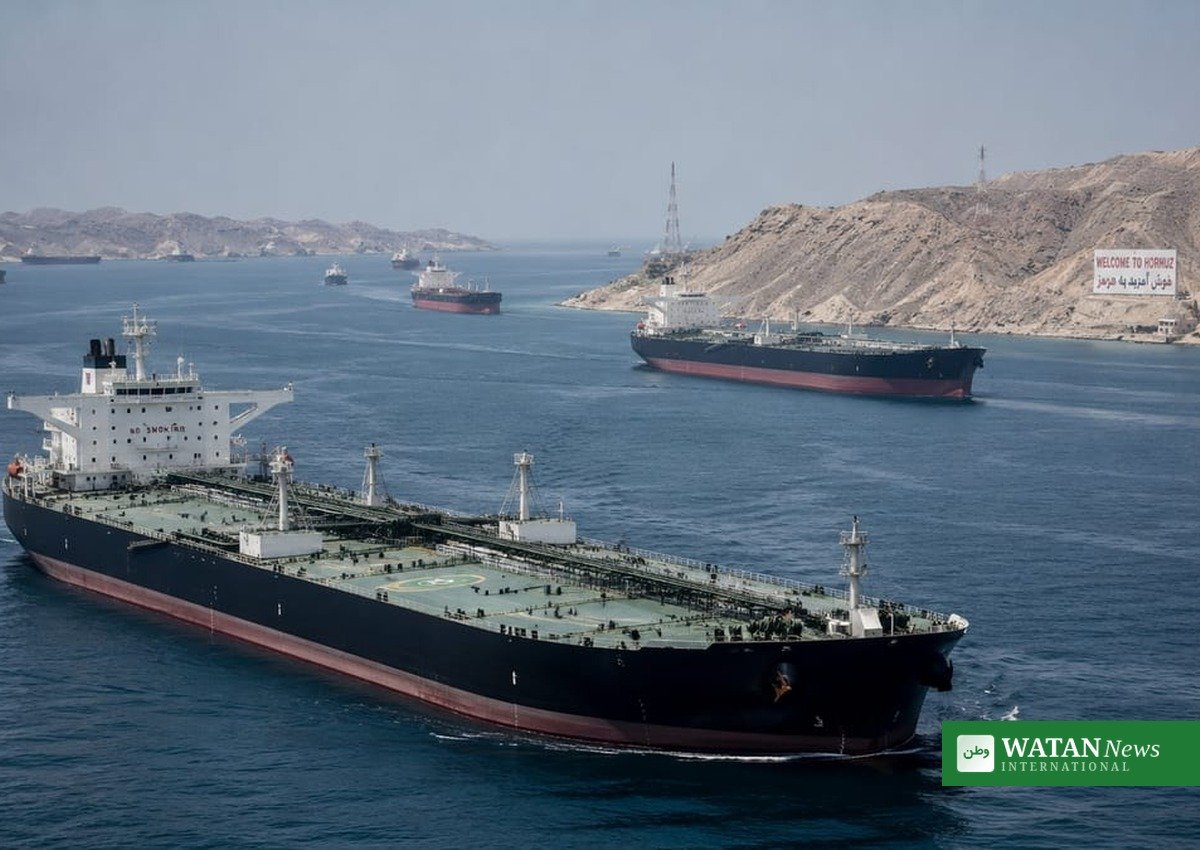
Iranian negotiators have left talks in Doha after discussions with Qatari mediators over a possible agreement with the United States, and a draft proposal is now being circulated, according to an official briefed on the negotiations. A follow-up meeting remains possible as diplomatic contacts continue through intermediaries, even though no final deal has been announced.
The negotiators departed on Sunday, the official said, adding that their departure was not caused by difficulties in the talks.
FAKTA
- Where: Doha, Qatar, with Qatari mediators passing messages between Tehran and Washington.
- What: A draft proposal is circulating after Iranian negotiators left the talks; a further meeting is possible.
- Core issue: Reopening and securing the Strait of Hormuz, and ending the United States naval blockade on Iran.
- Tehran’s position: No final agreement can begin until the blockade ends and Iran’s demands are addressed.
- Timeline discussed: A faster reopening, possibly within two days rather than seven.
What the draft would do
Iran’s Foreign Ministry spokesperson, Esmaeil Baghaei, said the talks were based on a seven-step plan drawn up by Iran in September. The plan centres on reopening the Strait of Hormuz, one of the world’s most important shipping routes for oil, and bringing the American naval blockade on Iran to an end.
Tehran is now suggesting that the plan could be put into effect on a faster timetable under an agreement. Foreign Minister Abbas Araqchi was quoted by Qatari broadcaster Al Jazeera on Saturday as saying that, under a deal, the strait could be opened within two days rather than within the seven days originally envisaged.
Deputy Foreign Minister Kazem Gharibabadi was in Doha to help exchange messages with Washington through Qatari intermediaries, Baghaei said.
Why Tehran puts the blockade first
Baghaei said Iran had set out its demands clearly and transparently during the discussions. In his words, those demands are reasonable and logical, and no final agreement can be initiated, nor can the strait be reopened or secured, unless the blockade ends and Iran’s legitimate requirements are met.
That condition remains the central obstacle. Iran’s initial proposal was previously rejected by United States President Donald Trump, and major disagreements are still unresolved, despite the circulation of a draft text that could form the basis of another meeting.
What remains unresolved
The official briefed on the talks gave no further details of the draft proposal, and Washington has not publicly confirmed its contents. Trump has described negotiations with Tehran as productive and has said the United States will not launch new attacks against Iran before Tuesday’s midterm elections, while not ruling out further military action afterwards.
Baghaei said Tehran did not expect the elections to produce a fundamentally different United States. For now, the gap between the two sides — over the blockade, the strait and the sequence of any deal — has yet to be closed. More international coverage is available on Watan News.
Author

usmanch0013@gmail.com
Related Posts
US Courts Reject Justice Department Midterm Election Challenges in California and Alaska
- 0
- 738 words
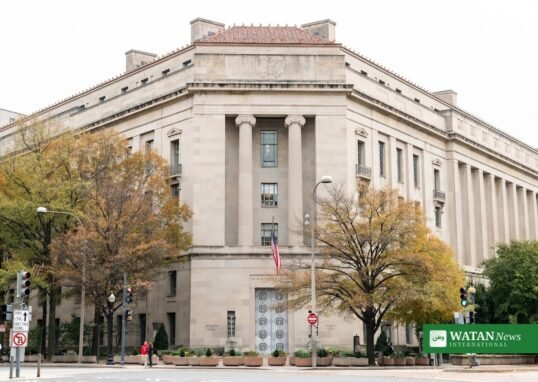
Courts have rejected Justice Department midterm election challenges in California and Alaska a day before US midterm elections, while the department appeals...
Read out all
Liberia Opens Green Ambassador Programme for Young Climate Leaders
- 0
- 788 words
YUGNet-Liberia opens its Green Ambassador Programme in Paynesville, running 23 November to 31 December 2026 with ActionAid Liberia, EPA and Green Cities...
Read out all
Oil Prices Fall Sharply as Third Day of Iran-Qatar Talks Eases Supply Fears
- 0
- 503 words
Oil prices fell more than 3 percent on Monday as Iranian and Qatari officials held a third straight day of talks, easing...
Read out all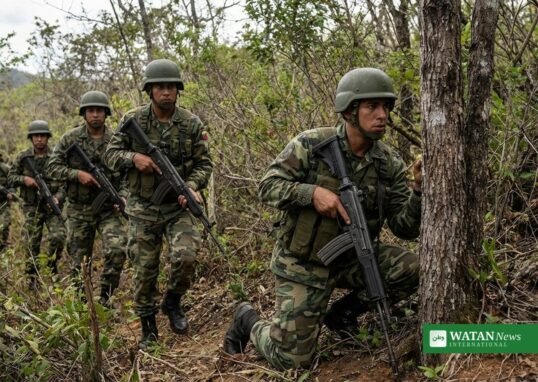
Venezuela Strikes ELN Camp Near Colombian Border, at Least 19 Reported Dead
- 0
- 685 words
Venezuelan forces reportedly bombed a camp of Colombia's ELN guerrilla group in Apure state on 30 October, killing at least 19 people,...
Read out all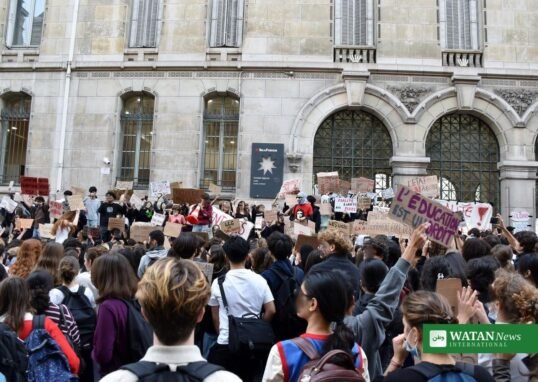
France’s Student Protests Return Quieter After Break, but Anger Has Not Gone
- 0
- 474 words
French school protests resumed on Monday after a two-week break on a much smaller scale, with attempted blockades in Paris, Marseille and...
Read out all
Seven Women and Youth Champions Honoured at Philippine Resilience Awards 2026
- 0
- 979 words
The 2026 Philippine Resilience Awards in Manila honoured seven women and youth champions for community climate resilience, from disability-inclusive preparedness to island...
Read out all