- 0
- 583 words
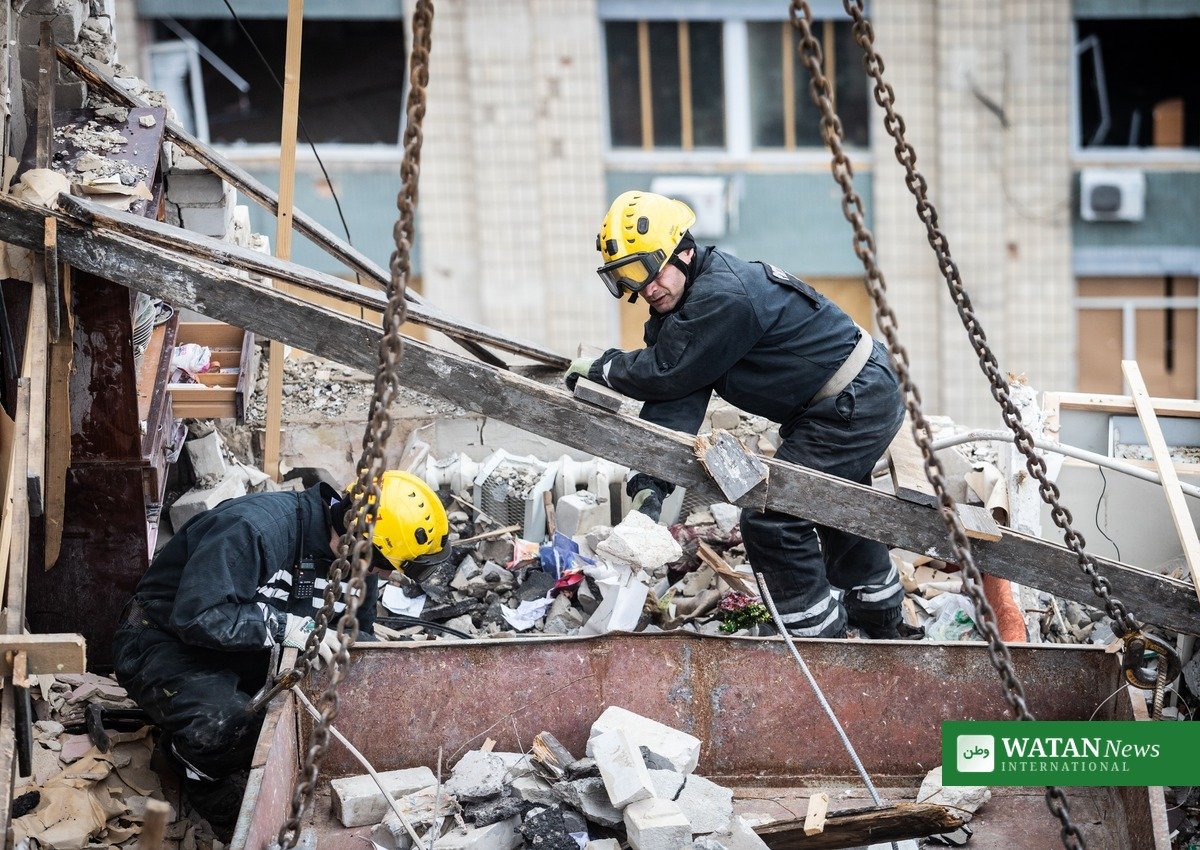
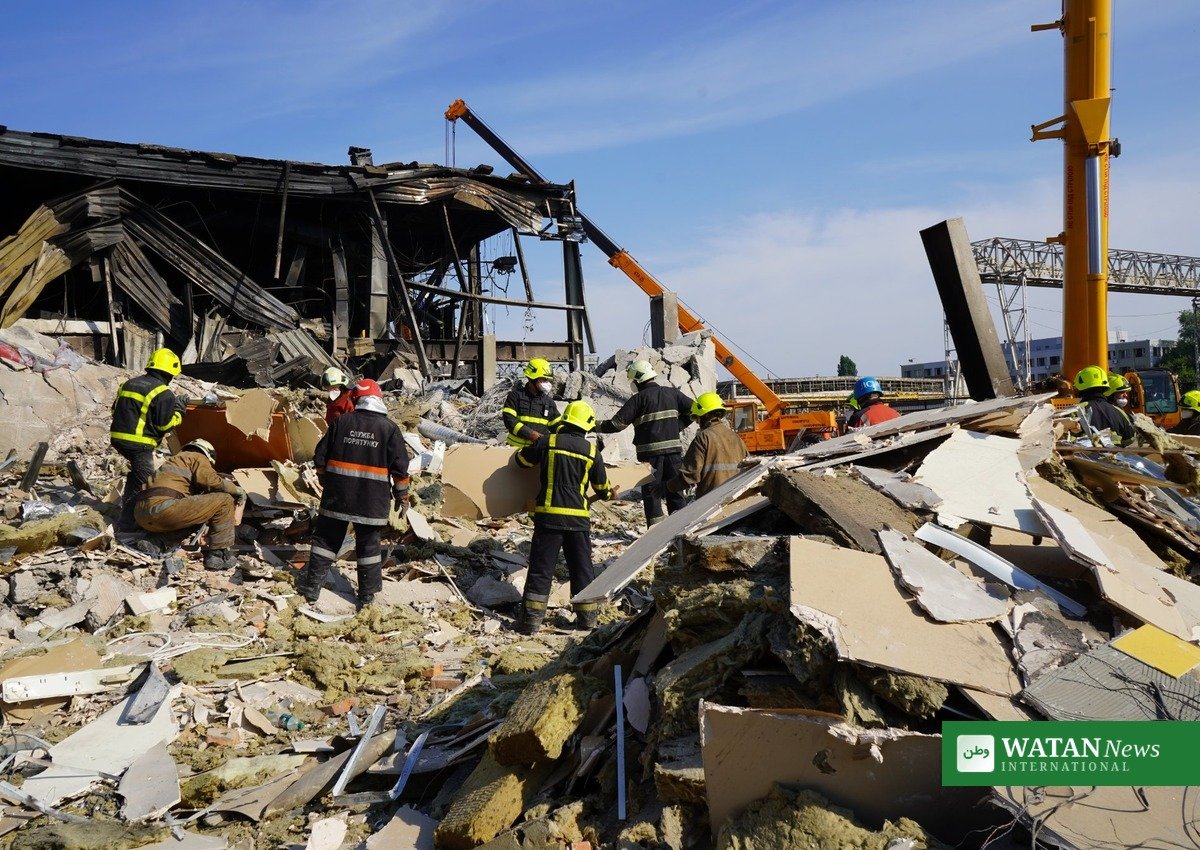
At least 24 people were killed when Russian bombs hit a school used for humanitarian aid distribution and a nearby shelter in the frontline Ukrainian village of Komyshuvakha on Monday, 2 November. The Komyshuvakha aid centre bombing struck as residents gathered for weekly aid, and the death toll rose through the day as rescue workers searched the rubble.
FAKTA
- At least 24 people were killed in the Komyshuvakha aid centre bombing on Monday, 2 November, according to Ukraine’s State Emergency Service; President Volodymyr Zelenskyy initially reported 18 dead and five injured.
- The attack hit a school building used to distribute humanitarian aid and a nearby shelter in Komyshuvakha, in the Zaporizhzhia region of southeastern Ukraine.
- Ukrainian authorities said 10 guided bombs were used: an initial strike on the school, followed by nine more bombs on the shelter where people had taken cover.
- Among those killed were State Emergency Service rescuers and police officers who had rushed to the scene after the first strike, officials said.
- Regional governor Mykhailo Semikin said 27 people were considered missing, and officials warned the toll could rise as the rescue operation continued.
- The strike came on the day a limited humanitarian ceasefire expired in the neighbouring Kherson region, where an aid and evacuation mission had run around the Russian-held city of Oleshky since 27 October.
Komyshuvakha Aid Centre Bombing: What Happened
President Volodymyr Zelenskyy said Russian forces first dropped aerial bombs on the school in Komyshuvakha, where residents who had remained in the frontline village received humanitarian assistance. “After the first air strike, there was a repeat strike with nine more bombs, directly on the shelter where people were gathered,” he wrote on Telegram.
Ukraine’s State Emergency Service said rescue workers and police officers had arrived at the scene when further strikes hit the same site. Footage posted by the emergency service showed a building reduced to piles of smouldering rubble, and responders searched through the wreckage by flashlight as night fell.
Komyshuvakha lies southeast of Zaporizhzhia city, close to the front line. The school was no longer holding classes, officials said, and had instead become a humanitarian site where aid was distributed to residents each week.
Why the Timing Drew Attention
The attack came as a limited ceasefire in the neighbouring Kherson region expired on Monday. That pause, which began on 27 October, had allowed humanitarian aid deliveries and civilian evacuations around Oleshky, and was described as the most significant local truce since Russia’s full-scale invasion began in February 2022.
The Komyshuvakha strike was in a different region from the Kherson arrangement, so it did not technically breach that local pause. Zelenskyy nevertheless framed it as a broader signal. “There was a moment when the next steps could have shown that progress toward peace was possible,” he wrote. “With these killings, Russia is sending an entirely opposite signal.”
Russia has repeatedly denied deliberately targeting civilians. No final casualty list had been published at the time of reporting, and officials said the figures remained provisional while recovery work continued.
What Happens Next
Rescue teams are continuing to search the rubble for people still unaccounted for, and Ukrainian officials say they will document the strike as they have similar past attacks on humanitarian sites. Attention will also turn to whether any further local humanitarian pauses are possible after the Kherson arrangement ended. For more on the region, see Watan News’ Europe coverage.
Author

usmanch0013@gmail.com
Related Posts
Cyclone Murasu Makes Landfall on India’s Andhra Coast With 120 kmph Gusts
- 0
- 486 words
Severe Cyclone Murasu began making landfall on India's Andhra Pradesh coast early on Tuesday, with winds gusting to 120 kmph, as authorities...
Read out all
Bangladesh to Demand Grants, Not Loans, at COP31 in Antalya
- 0
- 860 words
Bangladesh will press developed countries at COP31 in Antalya to provide climate finance as grants rather than loans, State Minister Shama Obaed...
Read out all
Nigeria Opens Africa’s Largest Food-Grade Plastic Bottle Recycling Plant
- 0
- 867 words
Polysmart has commissioned a $60 million food-grade rPET plant in Mowe, Nigeria, that will process up to 100,000 tonnes of used PET...
Read out all
MS NOW Brings Its Live Feed to Connected TVs Ahead of US Midterm Elections
- 0
- 527 words
MS NOW's live feed is now available on connected TVs without a cable subscription, from 2 November, a day before the US...
Read out all
Kennedy Center Honors 2026: Paul Anka, David Foster, Andy Garcia, David Mamet and Barbara Mandrell to Be Honoured
- 0
- 511 words
Paul Anka, David Foster, Andy Garcia, David Mamet and Barbara Mandrell will receive the 49th Kennedy Center Honors on 7 December at...
Read out all
Ghana Cancels November Mid-Term Break to Recover Lessons Lost in Teachers’ Strike
- 0
- 501 words
Ghana's basic schools will stay open on 5 and 6 November 2026 after GES cancelled the mid-term break to recover teaching hours...
Read out all