- 0
- 939 words
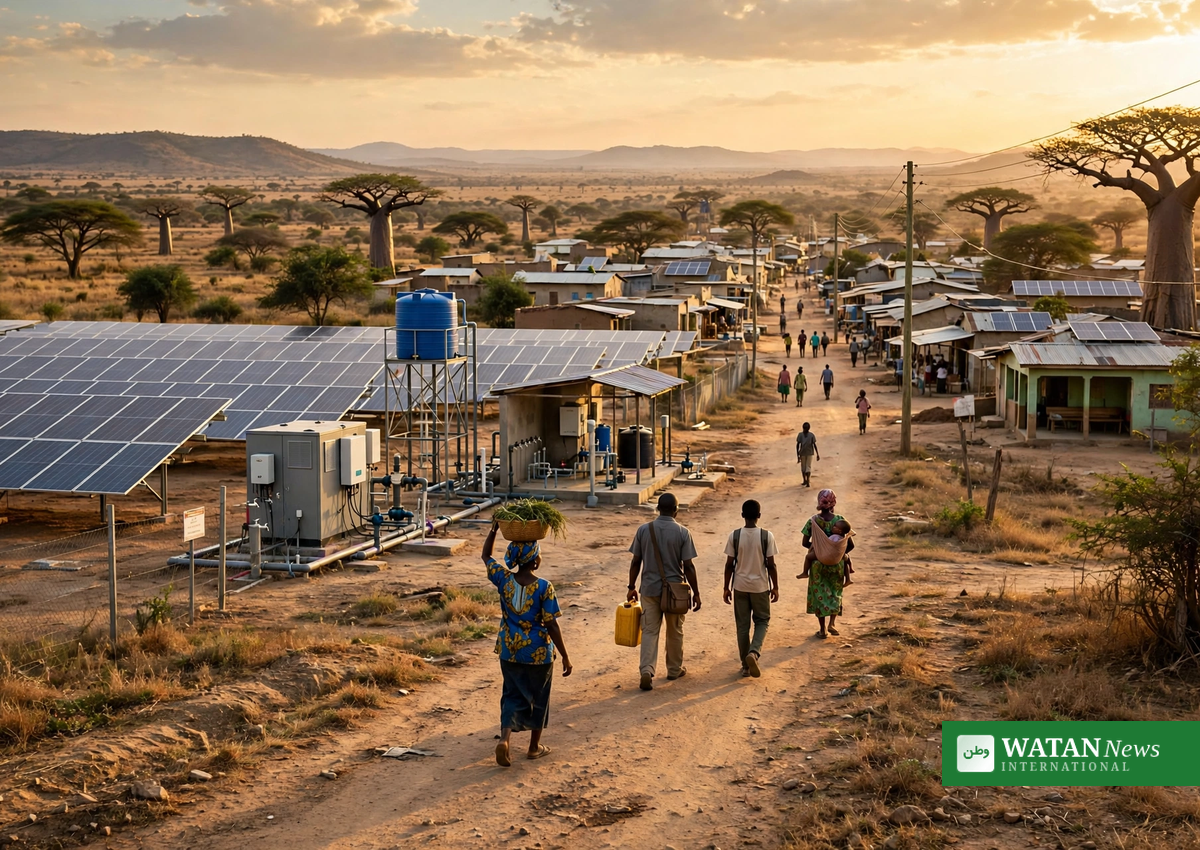
The Africa Finance Corporation (AFC) and the Green Climate Fund (GCF) have launched a USD 690 million Africa Sovereign Climate Facility, designed to turn African countries’ national climate plans into investable projects in clean energy, food and water security and climate-resilient infrastructure.
The facility was signed at a ceremony in South Korea on 3 November 2026, according to the launch announcement. Its first phase will focus on project development in Angola, Benin, Côte d’Ivoire and Nigeria — countries the announcement describes as facing significant climate vulnerabilities, infrastructure deficits and rising greenhouse gas emissions.
The facility combines technical assistance, capacity building and large-scale blended finance. It will support governments in integrating climate considerations into national development planning and in accelerating implementation of their Nationally Determined Contributions (NDCs) — the climate pledges countries make under the Paris Agreement.
How the facility works
Through an integrated, country-led approach, the facility will support interventions across clean energy, health and well-being, food and water security, and climate-resilient infrastructure and the built environment. The emphasis is on implementation: moving from national priorities on paper to projects that can attract finance and be built.
GCF is providing USD 280 million, designed to work alongside substantial co-financing, according to GCF Regional Director for Africa Catherine Koffman. Separately, AFC will arrange and fully fund a parallel commercial facility of up to USD 260 million, for a 10-year period, for the four countries through their respective ministries of finance, to complement concessional climate finance.
The parallel facility is intended to expand the capital available for eligible investments while helping participating governments integrate climate resilience and low-carbon development into national planning.
Key facts
- Total facility announced at launch: USD 690 million, including USD 280 million from the Green Climate Fund.
- Parallel commercial facility: up to USD 260 million from AFC, over 10 years, via the four countries’ finance ministries.
- First-phase countries: Angola, Benin, Côte d’Ivoire and Nigeria.
- Sectors: clean energy, health and well-being, food and water security, and climate-resilient infrastructure.
- Lifetime programme estimate: approximately 5.78 million tonnes of CO2 equivalent reduced, avoided, removed or sequestered, and 5.2 million adaptation beneficiaries.
What the numbers mean — and what they do not
The lifetime figures and the GCF-component figures describe different scopes and should not be mixed. Over its lifetime, the programme as a whole is expected to reduce, avoid, remove or sequester approximately 5.78 million tonnes of carbon dioxide equivalent — roughly equivalent to removing 1.3 million cars from the road for one year — and to reach 5.2 million beneficiaries through climate adaptation interventions, equivalent to the current estimated population of Cape Town, South Africa.
The GCF’s USD 280 million component alone is aimed at reaching an estimated 4.5 million people and avoiding 3.4 million tonnes of emissions, according to Koffman. The headline USD 690 million total is the figure announced at the launch; it counts the facility as presented by AFC and GCF, including co-financing alongside the GCF contribution.
“The infrastructure we build today must both power Africa’s growth and withstand the climate pressures of tomorrow,” said AFC President and CEO Samaila Zubairu. “Through this partnership with GCF, we are combining concessional finance with AFC’s project development expertise and capital to help governments turn national priorities into reliable energy, stronger food and water systems, and resilient infrastructure.”
Koffman said: “The Africa Sovereign Climate Facility will help Angola, Benin, Côte d’Ivoire and Nigeria turn national climate priorities into investable projects in clean energy, resilient infrastructure, food systems and water security. This partnership shows how blended finance can strengthen sovereign investment systems and deliver climate capital at scale.”
From board approval to launch
The facility, listed by GCF as project FP313, was among 21 projects approved at the GCF Board’s 46th meeting, held in Songdo from 26 to 29 October 2026. That meeting approved USD 1.97 billion in new climate finance, taking GCF approvals in 2026 to a record USD 3.3 billion, according to GCF.
The launch builds on an earlier AFC–GCF partnership: in 2023, GCF committed USD 253 million to AFC Capital Partners’ Infrastructure Climate Resilient Fund, supporting climate-resilient infrastructure as an investable asset class and helping catalyse additional investment from institutional and private investors.
Africa is particularly exposed to climate change, with rising temperatures, increasingly unpredictable rainfall and more frequent extreme weather threatening livelihoods, food and water security, infrastructure and economic productivity. Rapid population growth and urbanisation continue to pressure public services — which, officials say, reinforces the urgency of embedding climate resilience into development.
Watan News has also reported on African negotiators’ demands for COP31, where African voices called for the Antalya talks to be about delivery, not another cycle of promises.
Frequently asked questions
What is the Africa Sovereign Climate Facility?
A USD 690 million facility launched by the Africa Finance Corporation and the Green Climate Fund that combines technical assistance, capacity building and blended finance to help governments turn national climate plans into investable projects.
Which countries are in the first phase?
Angola, Benin, Côte d’Ivoire and Nigeria. The facility is designed to work through governments, including through their ministries of finance for the parallel commercial facility.
How much is the Green Climate Fund contributing?
USD 280 million, designed to work alongside substantial co-financing. Its component alone is aimed at reaching an estimated 4.5 million people and avoiding 3.4 million tonnes of emissions.
What is the parallel commercial facility?
A separate facility of up to USD 260 million, arranged and fully funded by AFC over 10 years, to complement concessional climate finance for the four countries.
Why does a sovereign facility matter for climate action?
Because it works through national planning and finance systems rather than funding isolated projects — so climate resilience is built into energy, food, water and infrastructure decisions from the start, which is what turns pledges into built projects.
Author

usmanch0013@gmail.com
Related Posts

Paraguay President Santiago Peña Resigns After Bank Collapse Freezes Millions of Accounts
- 0
- 1,072 word
Paraguay President Santiago Peña resigned on Thursday after the collapse of Ueno Bank left millions of customers unable to access their money,...
Read out all
Malta Journalism Awards 2026: ‘Profit in Every Drop’ vinder prisen for miljøjournalistik
- 0
- 903 words
Amphora Medias grænseoverskridende undersøgelse 'Profit in Every Drop' har vundet prisen for miljøjournalistik ved Malta Journalism Awards 2026.
Read out all
مالٹا جرنلزم ایوارڈز 2026: پروفٹ ان ایوری ڈراپ نے ماحولیاتی صحافت کا ایوارڈ جیت لیا
ایمفورا میڈیا کی سرحد پار تحقیق پروفٹ ان ایوری ڈراپ نے مالٹا جرنلزم ایوارڈز 2026 میں ماحولیاتی صحافت کا ایوارڈ جیت لیا...
Read out all
Malta Journalism Awards 2026: ‘Profit in Every Drop’ Wins Environment Reporting Prize
- 0
- 878 words
Amphora Media's cross-border investigation "Profit in Every Drop" has won Environment and Planning Journalism at the Malta Journalism Awards 2026.
Read out all
Tanker Struck by Two Projectiles North of Qatar, Crew Status Unknown
- 0
- 659 words
A tanker was hit by two unidentified projectiles about 50 nautical miles north of Qatar, the British maritime agency UKMTO said. The...
Read out all
Bay Area vedtager USA’s skrappeste standarder for rene vandvarmere fra 2028
- 0
- 881 words
Bay Area Air District har stemt for at vedtage USA's skrappeste standarder for rene vandvarmere. Fra januar 2028 skal nye vandvarmere i...
Read out all