- 0
- 998 words
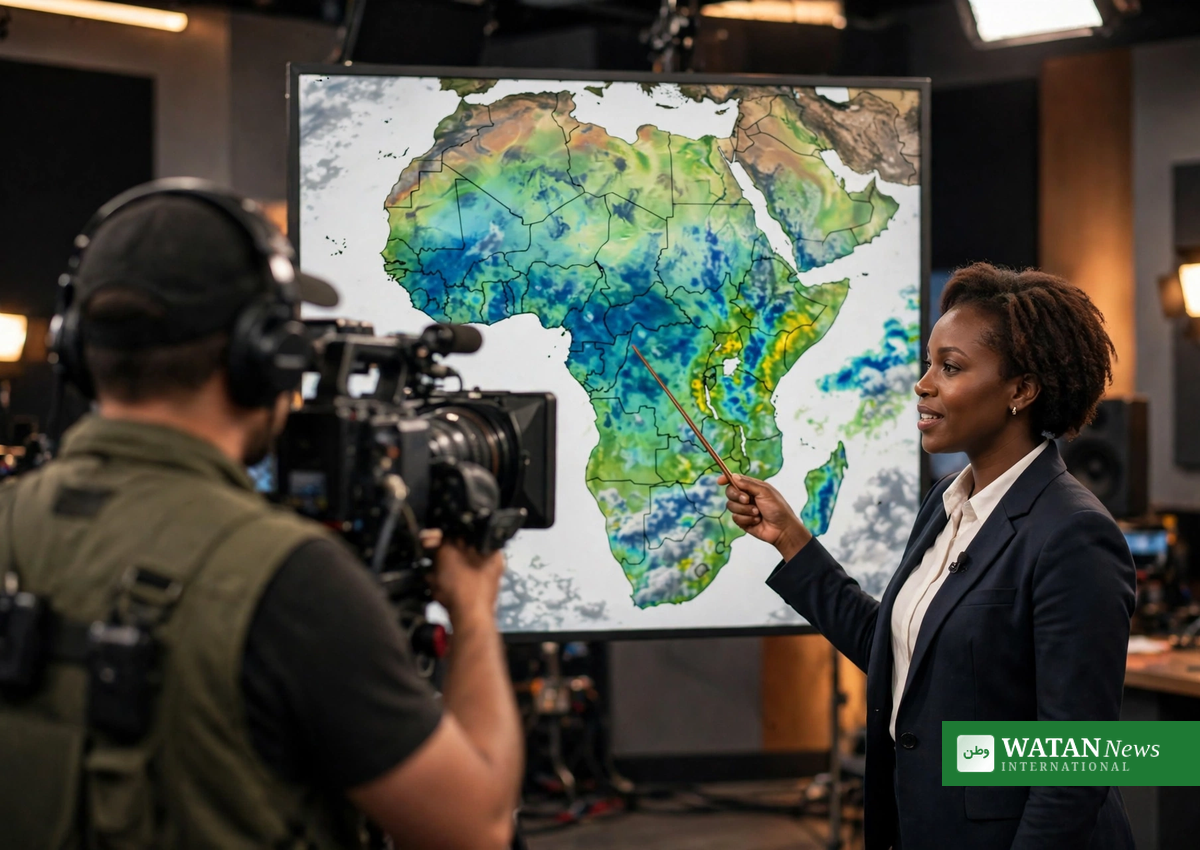
Addis Ababa, 5 November 2026: The African Union Commission is training journalists, editors and broadcasters across Africa to report weather forecasts, seasonal outlooks and early warnings accurately and ethically, in a continental virtual programme running from 3 to 5 November 2026.
The training is convened through the European Union-funded Intra-ACP Climate Services and Related Applications (ClimSA) programme. It addresses a gap the Commission itself identifies: forecasts, outlooks and warnings only protect lives and livelihoods when they reach communities in time, in accurate form and in words people can understand and act on.
What the training covers
The three days of practical newsroom training run daily from 14:00 to 17:00 East Africa Time. They are open to chief editors, news editors, television and radio journalists, weather presenters, environmental correspondents, community radio broadcasters, digital journalists, bloggers and media professionals from African Union member states.
Participants learn to interpret weather forecasts, seasonal climate outlooks and early warnings, and to practise ethical, impact-based reporting that connects a climate hazard to its likely impacts and to the preparedness actions people can take. The sessions also cover countering misinformation, making climate information accessible to vulnerable communities, and working closely with National Meteorological and Hydrological Services, Regional Climate Centres and other authoritative information providers.
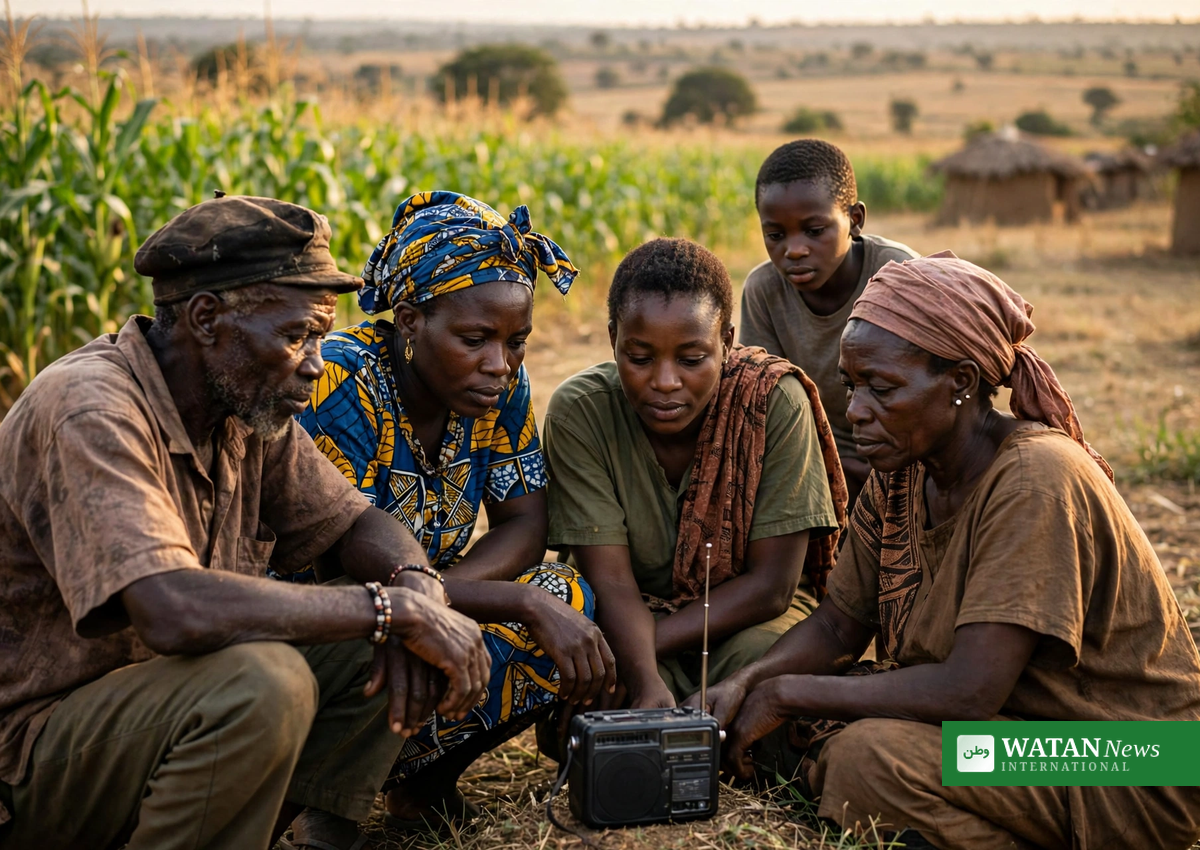
The aim, according to the Commission, is practical: journalists should leave able to translate technical forecasts into reliable, actionable messages, to check facts during hazards, and to build stories around real people and clearly defined issues rather than broad, general accounts of climate change.
Why clear climate information matters now
The training comes as fresh warnings underline how much depends on warnings being understood. The Economic Community of West African States warned on 1 November 2026 that an intensifying El Niño could worsen food insecurity, water shortages, public health challenges and pressure on livelihoods across West Africa, urging member states to strengthen climate preparedness and early-warning systems.
The World Meteorological Organization has likewise warned of drier-than-normal conditions in much of southern Africa and wetter-than-normal conditions in parts of East Africa in the October to December season, as the developing El Niño strengthens. A seasonal outlook describes probabilities, not guaranteed outcomes, which is exactly why the Commission says the link between a forecast and the public message matters so much.
Across Africa, the Commission notes, weather forecasts, seasonal outlooks and early warnings are essential for protecting lives, livelihoods and economic activities, but their effectiveness depends on whether the information reaches communities in a timely, accurate and understandable form.
The ClimSA programme behind the training
ClimSA is an 85-million-euro initiative of the Organisation of African, Caribbean and Pacific States, funded by the European Union, to strengthen the climate services value chain: from access to information, through the generation and provision of climate services, to the engagement and capacity of users.
Its goal is to improve the production, availability, delivery and application of science-based climate prediction and services for climate-sensitive sectors including agriculture and food security, disaster risk reduction, energy, health and water. It is implemented with the African Union Commission, the European Organisation for the Exploitation of Meteorological Satellites, the European Commission’s Joint Research Centre and the World Meteorological Organization, working with eight Regional Climate Centres across Africa, the Caribbean and the Pacific and reaching all 79 African, Caribbean and Pacific countries.
The training follows a September workshop in Swakopmund, Namibia, from 21 to 24 September 2026, where the Commission brought continental, regional and national stakeholders together with the Strengthening Early Warning in Africa project to strengthen the communication and use of weather, climate and early warning information. That workshop also looked at sustaining the systems, skills and partnerships built through ClimSA as the programme approaches its final phase.
What happens next
A dialogue on Friday, 6 November 2026, also from 14:00 to 17:00 East Africa Time, will bring journalists together with directors of National Meteorological and Hydrological Services, Regional Climate Centres and other key stakeholders to discuss challenges and opportunities for improving how climate information is shared.
The training is also expected to feed into a reusable ClimSA Climate Services Communication Toolkit, so that the skills and partnerships built this week can be used again by newsrooms across the continent.
Read more on Watan News: Netherlands Climate Week opens as Rotterdam’s green roofs hit a record
Key facts
- What: Continental virtual training on ethical media reporting of weather and climate services
- When: 3 to 5 November 2026, 14:00 to 17:00 East Africa Time daily, with a stakeholder dialogue on 6 November
- Who: African Union Commission, through the European Union-funded ClimSA programme
- For whom: Editors, journalists, weather presenters, broadcasters and media professionals from African Union member states
- Outcome: Practical climate-services reporting skills, stronger media and meteorological partnerships, and a reusable ClimSA Climate Services Communication Toolkit
- Programme scale: ClimSA is an 85-million-euro European Union initiative reaching 79 African, Caribbean and Pacific countries
Frequently asked questions
What is ClimSA?
ClimSA is the Intra-ACP Climate Services and Related Applications programme, a European Union-funded initiative that strengthens the production, availability, delivery and application of science-based weather and climate information in African, Caribbean and Pacific countries.
Who is taking part in the training?
Chief editors, news editors, television and radio journalists, weather presenters, environmental correspondents, community radio broadcasters, digital journalists, bloggers and media professionals from African Union member states.
What does ethical, impact-based reporting mean here?
It means reporting that connects a climate hazard to its likely impacts and to preparedness actions, is based on verified data and expert evidence, and gives affected communities a voice, rather than only describing the hazard itself.
Why does the training focus on communication, not just forecasting?
Because, according to the African Union Commission, forecasts only protect lives and livelihoods when they reach communities in time, accurately and in understandable form; the communication gap between scientific information and public action is what the training addresses.
What happens after the training?
A stakeholder dialogue follows on 6 November 2026, and the work feeds into a reusable ClimSA Climate Services Communication Toolkit for newsrooms and climate-service providers.
Sources: African Union Commission event announcement; European Union International Partnerships ClimSA programme page; World Meteorological Organization ClimSA programme page.
Author

usmanch0013@gmail.com
Related Posts
COP31 åbner i Antalya på mandag: Hvad står på spil ved FN’s klimatopmøde
- 0
- 1,311 word
COP31 åbner i Antalya mandag den 9. november, hvor mere end 190 lande samles til to ugers klimaforhandlinger. Finansiering, retfærdig omstilling, tilpasning...
Read out all
کاپ31 پیر سے انطالیہ میں شروع: اقوام متحدہ کی موسمیاتی کانفرنس میں کیا داؤ پر ہے
کاپ31 پیر 9 نومبر کو انطالیہ میں شروع ہو رہی ہے، جہاں 190 سے زیادہ ممالک دو ہفتوں تک موسمیاتی مذاکرات کریں...
Read out all
COP31 Opens in Antalya on Monday: What Is at Stake at the UN Climate Summit
- 0
- 1,285 word
COP31 opens in Antalya on Monday 9 November, with more than 190 countries gathering for two weeks of climate talks. Finance, just...
Read out all
New Zealand Election Too Close to Call as Leaders Make Final Appeals
- 0
- 474 words
New Zealand votes on Saturday in an election too close to call, with final polls putting National narrowly ahead of Labour and...
Read out all
Hong Kong Activist Joshua Wong Jailed for 10 Years in National Security Case
- 0
- 718 words
Hong Kong activist Joshua Wong jailed 10 years after pleading guilty to conspiring to collude with foreign forces under the national security...
Read out all
Den Afrikanske Union træner journalister i etisk vejr- og klimarapportering
- 0
- 1,010 word
Den Afrikanske Unions Kommission træner journalister i hele Afrika i at rapportere vejrudsigter, sæsonudsigter og tidlige varsler nøjagtigt og etisk i et...
Read out all