- 0
- 1,285 word
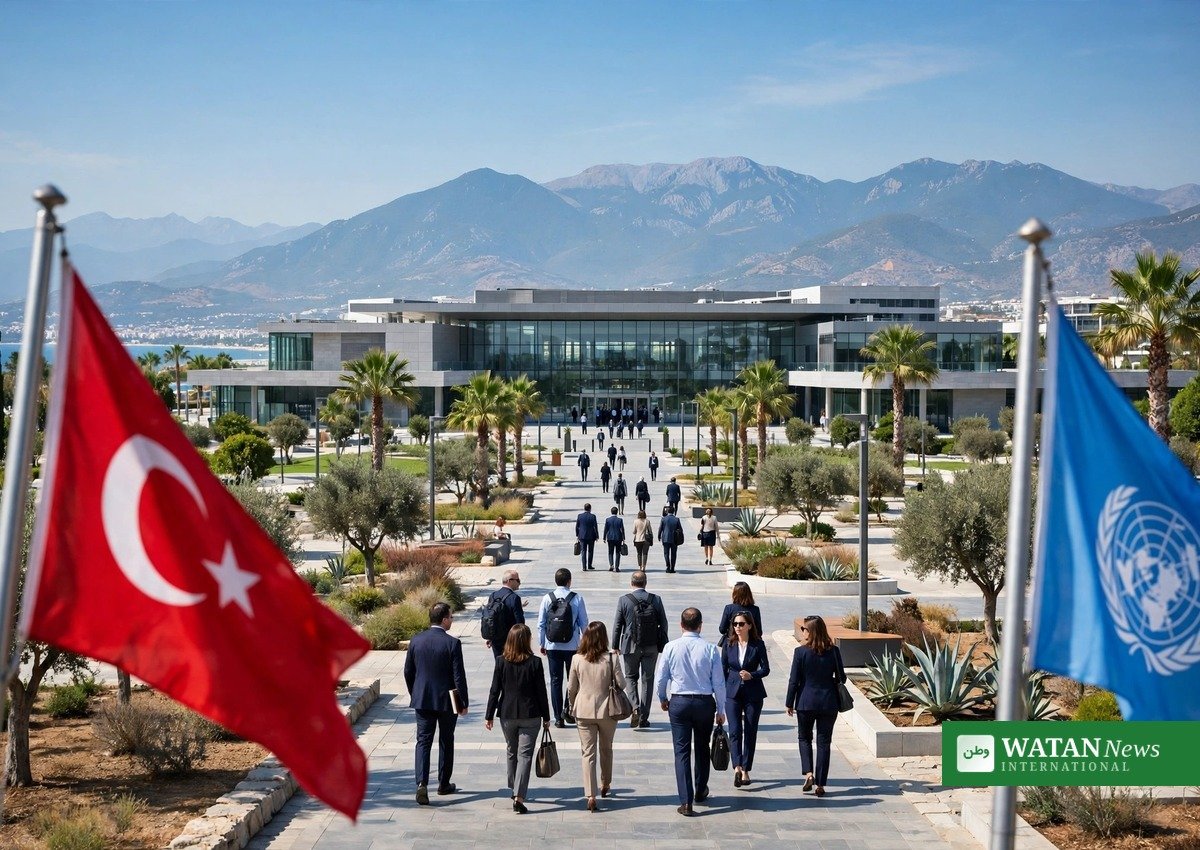
The world’s largest annual climate gathering opens on Monday. COP31, the 31st United Nations Climate Change Conference, runs from 9 to 20 November 2026 at the Antalya Expo Center in Türkiye, with representatives of more than 190 countries expected to attend. The summit comes in a year when floods, deadly heatwaves and prolonged droughts have made the climate crisis impossible to ignore — and when scientists confirmed that the world is on track to exceed the Paris Agreement’s 1.5°C warming threshold.
Türkiye will host and preside over the conference, while Australia leads the negotiations, working closely with Pacific Island countries. A World Leaders’ Summit will bring heads of state and government together in Antalya on 11 and 12 November.
Key facts
- What: COP31 — the 31st session of the Conference of the Parties to the UN Framework Convention on Climate Change (UNFCCC), with the Kyoto Protocol (CMP 21) and Paris Agreement (CMA 8) sessions held alongside it.
- When: 9–20 November 2026; World Leaders’ Summit on 11–12 November.
- Where: Antalya Expo Center, Antalya, Türkiye.
- Who: Representatives of more than 190 countries, plus businesses, scientists, Indigenous Peoples, young people and civil society.
- Leadership: Murat Kurum of Türkiye as COP31 President; Chris Bowen of Australia as President of the Negotiations.
- Milestone: 2026 marks ten years since the Paris Agreement entered into force on 4 November 2016.
What is COP31 and why does it matter now?
COP stands for Conference of the Parties — the countries that are parties to the UN Framework Convention on Climate Change, the 1992 treaty that is the parent of the 2015 Paris Agreement. At the Paris talks, countries committed to keeping global warming well below 2°C and pursuing efforts to limit it to 1.5°C above pre-industrial levels.
These annual gatherings let governments assess progress and negotiate how to tackle a challenge no nation can solve alone. But COPs now extend well beyond government negotiations. Businesses, scientists, Indigenous Peoples, young people and civil society increasingly take part, reflecting the scale of the challenge.
“There’s now a clear recognition that addressing the climate crisis requires all hands on deck,” Selwin Hart, the UN Special Adviser on Climate Action and Just Transition, told UN News ahead of the summit.
The stakes are high. Scientists warn the world is set to temporarily exceed the 1.5°C threshold — a situation known as overshoot — and a powerful El Niño is expected to intensify climate impacts further. But how far temperatures rise, and for how long, still depends on the choices governments, businesses and societies make today.
Four issues on the table in Antalya
Behind the diplomatic language are decisions that could affect millions of lives. Four issues dominate the negotiations:
- Climate finance: Developing countries want wealthier nations to fulfil their financial commitments under the Paris Agreement, while disagreements persist over funding responsibilities, access to finance and how global financial flows can be directed towards climate action.
- Just transition: Countries agreed last year to establish a mechanism to support the shift to cleaner economies — but still need to decide how it will work.
- Adaptation: Negotiators will continue work on measuring progress, while developing countries press for greater financial support.
- Cutting emissions: Governments remain divided over how to strengthen emissions action and deliver on existing commitments.
COP31 will also launch the second global stocktake, the Paris Agreement’s formal process for assessing collective progress towards its long-term goals.
The push for implementation
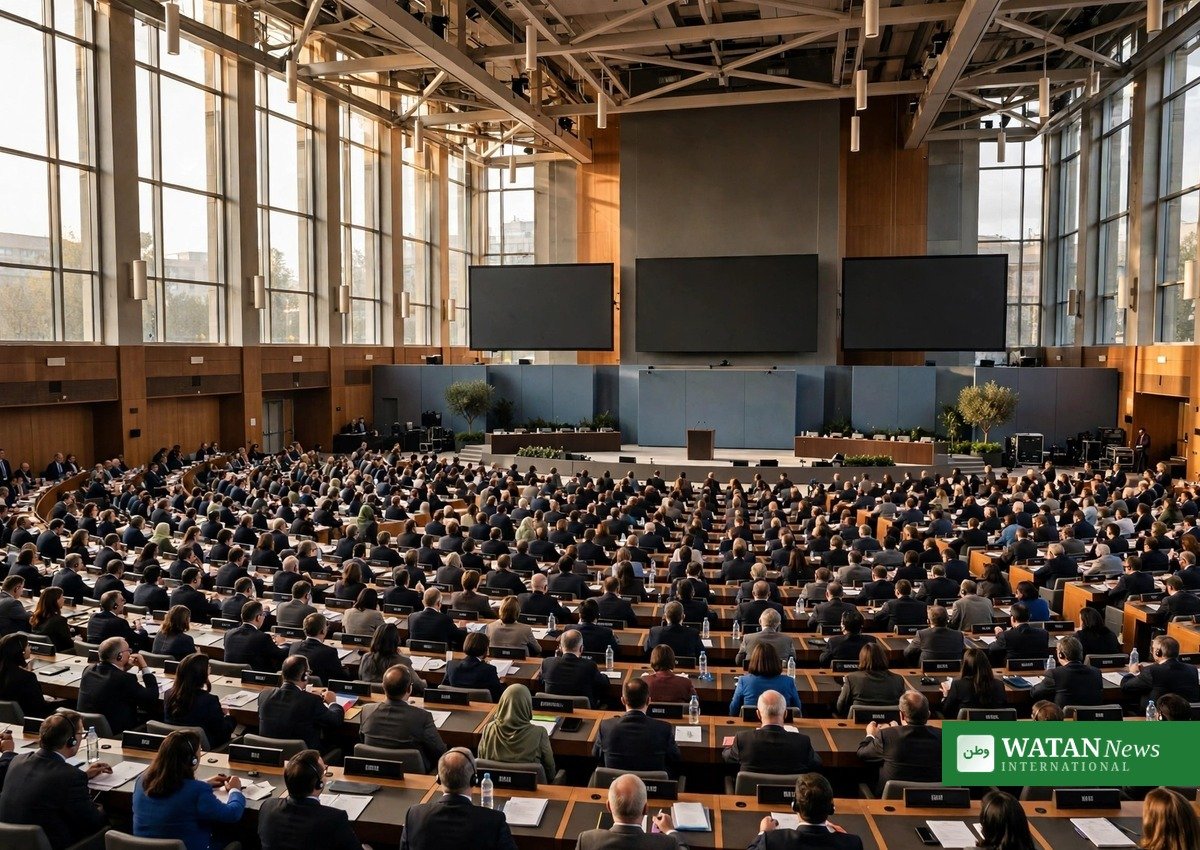
The COP31 Presidency has framed this summit as an implementation COP, under the banner “Driving Implementation Through Cooperation and Collective Action”. Its priorities include raising electricity’s share of final energy consumption to 35% by 2035 under the 35-by-35 electrification pledge, cutting the growth of waste generation, making cities and buildings more resilient, and greening industry.
The summit’s thematic days run from food, agriculture and health on 9 November through the Zero Waste Leaders Summit on 11 November, resilient cities on 12 November, children, youth, education and skills on 14 November, and final negotiations on 20 November. Alongside the talks, events such as the COP31 Global Sustainable Insurance Summit will bring insurers, businesses and policymakers together on climate resilience.
“I’m running a personal campaign to rename the Action Agenda, the Implementation Agenda,” Mr Hart said, underscoring the need to move beyond promises and focus on practical solutions.
Reasons for hope — and a warning on finance
Despite the warning on overshoot, the UN’s climate adviser sees reasons for optimism. The technologies needed to move away from fossil fuels are advancing at an extraordinary pace. Ten years ago, fewer than one in 100 new cars sold worldwide was electric. In 2025, it was one in four, and that share is expected to reach 28 per cent in 2026.
Solar power tells a similar story: the world added more than 600 gigawatts of solar capacity in 2025, accounting for over three-quarters of new renewable power capacity. Global battery storage capacity is now 11 times higher than in 2021, with 108 gigawatts added in 2025 alone.
“Overshoot is not surrender. Overshoot should really lead to a much greater degree of urgency,” Mr Hart said.
Yet the benefits remain unevenly shared. Emerging and developing economies outside China — home to nearly two-thirds of the world’s population — received just 18 per cent of global clean energy investment in 2025. In Africa, despite enormous renewable energy potential, around 600 million people still lack access to electricity. Financing renewable energy in developing countries can cost several times more than in wealthier nations, even when the technology is identical.
“We need solutions on finance that will not increase debt,” Mr Hart stressed, pointing to the heavy debt burdens that leave many countries with limited resources to invest in healthcare, education and climate protection.
What happens next
COP31 will not solve the climate crisis in two weeks. But it could help remove some of the barriers standing between the solutions already available and the people who need them. The opening days will set the tone: the first thematic day on food, agriculture and health, followed by the World Leaders’ Summit on 11 and 12 November, will show whether governments arrive ready to turn commitments into bankable projects and finance that reaches the countries most at risk.
For millions living with the consequences of a warming planet, that is what will matter long after the summit ends. Watan News will follow the negotiations from Antalya throughout the two weeks. For background on the summit’s day-by-day programme, see our earlier report on the COP31 thematic programme in Antalya, and the latest climate coverage in our climate section.
Frequently asked questions
When and where is COP31 being held?
COP31 takes place at the Antalya Expo Center in Antalya, Türkiye, from 9 to 20 November 2026. It is the 31st session of the Conference of the Parties to the UN Framework Convention on Climate Change.
Who leads COP31?
Türkiye hosts and presides over COP31, with Murat Kurum as COP31 President. Australia’s Chris Bowen serves as President of the Negotiations, leading the formal talks under the Türkiye–Australia partnership arrangement.
What is the World Leaders’ Summit at COP31?
The World Leaders’ Summit convenes heads of state and government in Antalya on 11 and 12 November 2026, at the start of the second week of the conference, to give political direction to the negotiations.
What is the global stocktake launching at COP31?
The global stocktake is the Paris Agreement’s formal process for assessing collective progress towards its long-term goals. COP31 launches its second round, which will measure how far countries have come and where ambition must rise.
Why is climate finance the central issue at COP31?
Developing countries want wealthier nations to fulfil their Paris Agreement finance commitments, while many face high borrowing costs and debt burdens. Clean energy investment is growing, but emerging and developing economies outside China received only 18 per cent of it in 2025, so finance that does not add debt is a key demand.
Author

usmanch0013@gmail.com
Related Posts
North Korea Tests New Air-Defence Missile System and Stages Cruise Missile Drill
- 0
- 499 words
North Korea has test-fired a newly designed air-defence missile system and staged a long-range cruise missile drill, state media KCNA reported on...
Read out all
COP31 åbner i Antalya på mandag: Hvad står på spil ved FN’s klimatopmøde
- 0
- 1,311 word
COP31 åbner i Antalya mandag den 9. november, hvor mere end 190 lande samles til to ugers klimaforhandlinger. Finansiering, retfærdig omstilling, tilpasning...
Read out all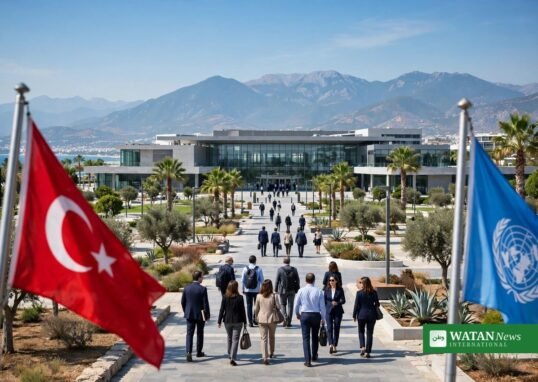
کاپ31 پیر سے انطالیہ میں شروع: اقوام متحدہ کی موسمیاتی کانفرنس میں کیا داؤ پر ہے
کاپ31 پیر 9 نومبر کو انطالیہ میں شروع ہو رہی ہے، جہاں 190 سے زیادہ ممالک دو ہفتوں تک موسمیاتی مذاکرات کریں...
Read out all
New Zealand Election Too Close to Call as Leaders Make Final Appeals
- 0
- 474 words
New Zealand votes on Saturday in an election too close to call, with final polls putting National narrowly ahead of Labour and...
Read out all
Hong Kong Activist Joshua Wong Jailed for 10 Years in National Security Case
- 0
- 718 words
Hong Kong activist Joshua Wong jailed 10 years after pleading guilty to conspiring to collude with foreign forces under the national security...
Read out all
Den Afrikanske Union træner journalister i etisk vejr- og klimarapportering
- 0
- 1,010 word
Den Afrikanske Unions Kommission træner journalister i hele Afrika i at rapportere vejrudsigter, sæsonudsigter og tidlige varsler nøjagtigt og etisk i et...
Read out all