- 0
- 508 words
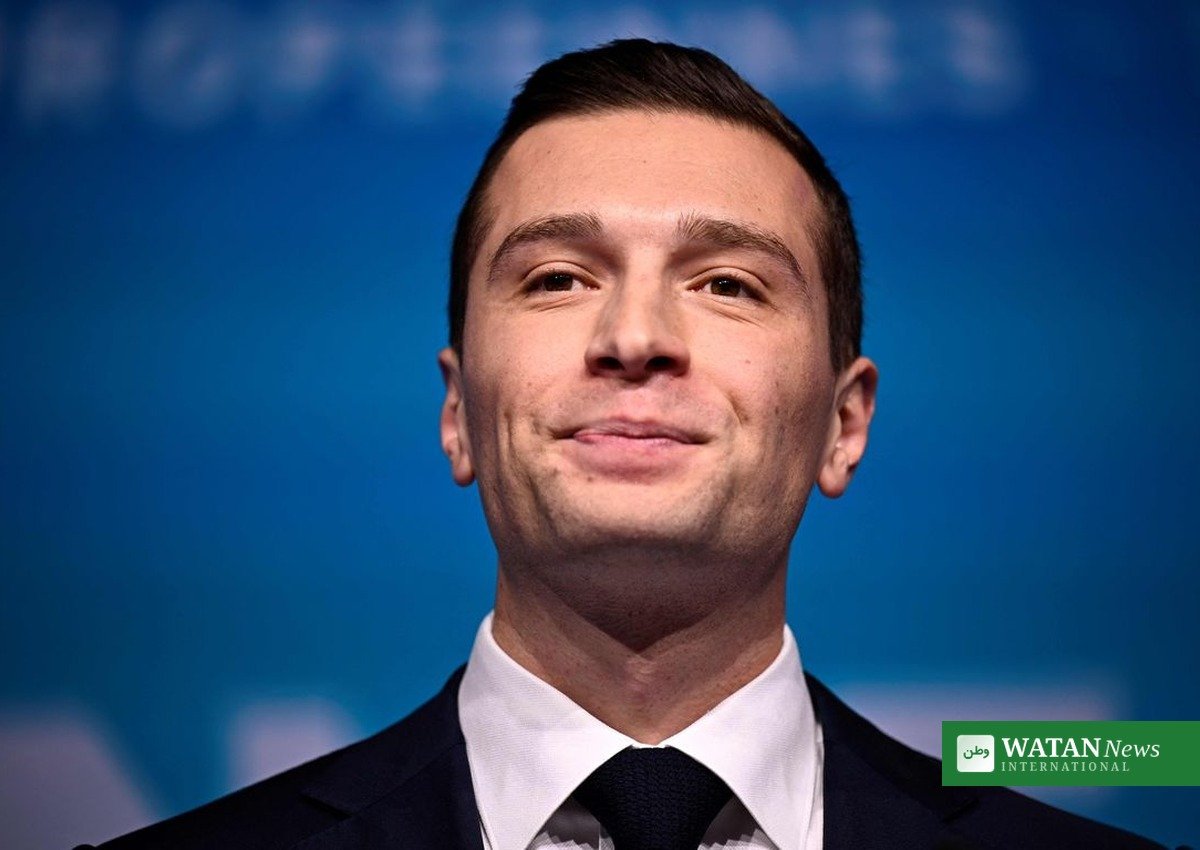
Europe’s far-right leaders have begun to distance themselves from Donald Trump after the Democrats’ victory in the US midterm elections, blaming the war with Iran and the rising cost of living for the Republican defeat. The shift was visible across Europe on Wednesday, as politicians who once promoted their ideological ties with his movement now sought to put space between themselves and the US president, while mostly avoiding direct criticism of him.
FAKTA
- What happened: Far-right leaders in France, Germany, Italy, Spain, Britain and Romania publicly distanced themselves from Trump after the US midterm elections.
- Reasons given: The war with Iran and rising living costs were blamed for the losses.
- Key voices: Jordan Bardella (France), Alice Weidel (Germany), Matteo Salvini (Italy) and Nigel Farage (Britain) were among those who spoke out.
- Trump’s response: He acknowledged the Iran war had played a role in his party’s losses but stood by the decision.
- Analyst view: Eurasia Group’s Mujtaba Rahman said Trump’s falling popularity risks turning a former political asset into an electoral liability.
Bardella and Weidel point to the Iran war
Jordan Bardella, leader of France’s National Rally, said Trump’s second term had been less isolationist than his first presidency from 2017 to 2021. He warned that American military intervention involving Iran carried very heavy consequences for economies worldwide, but he stopped short of blaming Trump directly for the conflict.
In Germany, Alice Weidel, co-leader of the Alternative for Germany, also linked the defeat to the war. She said Trump had promised voters an end to interventionist foreign policy, and that breaking that promise had now created political problems for his party.
Salvini, Vannacci and Farage cite living costs
Matteo Salvini, leader of Italy’s League party, pointed to international conflicts and rising living costs. He said the result reflected the pressure higher expenses and global tensions had placed on American families.
Roberto Vannacci argued that Trump had failed to meet expectations by not ending the war between Russia and Ukraine and by launching military action against Iran. In Britain, Reform UK leader Nigel Farage called the Republican defeat a major setback and linked it to the prolonged war and fuel costs, while Rupert Lowe of Restore Britain called the decision to attack Iran a serious mistake. In Spain, Vox leader Santiago Abascal played down his interest in American politics.
A political calculation, analyst says
Political analyst Mujtaba Rahman said European far-right leaders were distancing themselves from Trump for political reasons. He told Reuters that Trump’s declining popularity, particularly over the cost of living, could turn his influence from an electoral advantage into a political liability, and that these leaders wanted to keep the appeal of his movement without sharing responsibility for its economic and foreign policy problems.
Dan Dungaciu, vice-president of Romania’s hard-right Alliance for the Union of Romanians, disagreed, saying Trump had not become politically powerless and would now face stronger checks from Congress. The reactions reveal growing differences between Trump and some European allies, raising questions about their future relationship.
Author

usmanch0013@gmail.com
Related Posts
Bay Area Adopts Nation’s Strongest Clean Water Heater Standards from 2028
- 0
- 901 words
The Bay Area Air District has voted to adopt the nation's strongest clean water heater standards. From January 2028, new water heaters...
Read out all
Six Dead, Seven Injured in Brooklyn House Fire in Sunset Park
- 0
- 427 words
Six people have died and seven more were injured in a Brooklyn house fire that tore through a two-story home in the...
Read out all
Ahold Delhaize Signs 370 GWh Romania Solar and Wind Deal with Rezolv Energy
- 0
- 1,009 word
Ahold Delhaize and Rezolv Energy sign a 10-year virtual power purchase agreement covering 370 GWh a year from Romania's Dama Solar and...
Read out all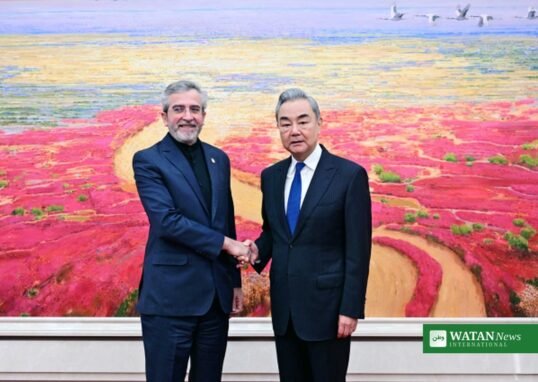
China Steps Up Middle East Diplomacy with Envoy Mission to Gulf States
- 0
- 498 words
China has sent three special envoys on shuttle diplomacy to seven countries across the Gulf, the Red Sea and the Horn of...
Read out all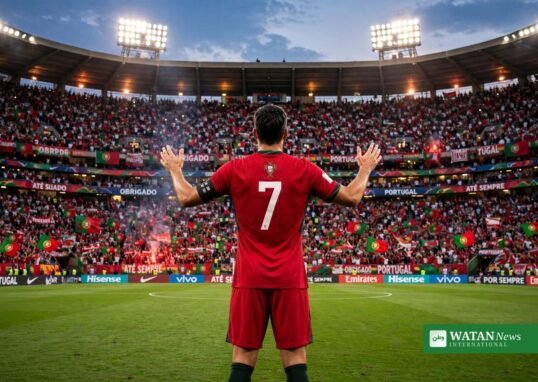
Cristiano Ronaldo Retires From Portugal Duty After 23 Years and 146 Goals
- 0
- 677 words
Cristiano Ronaldo has retired from international football after 23 years with Portugal, ending a record career of 234 appearances and 146 goals.
Read out all
France Hit by Nationwide Protests and Strikes as Pressure Mounts on Macron
- 0
- 481 words
France faced a nationwide day of strikes and demonstrations on 5 November, with rallies in around 260 towns and cities and 70,000...
Read out all