- 0
- 1,105 word
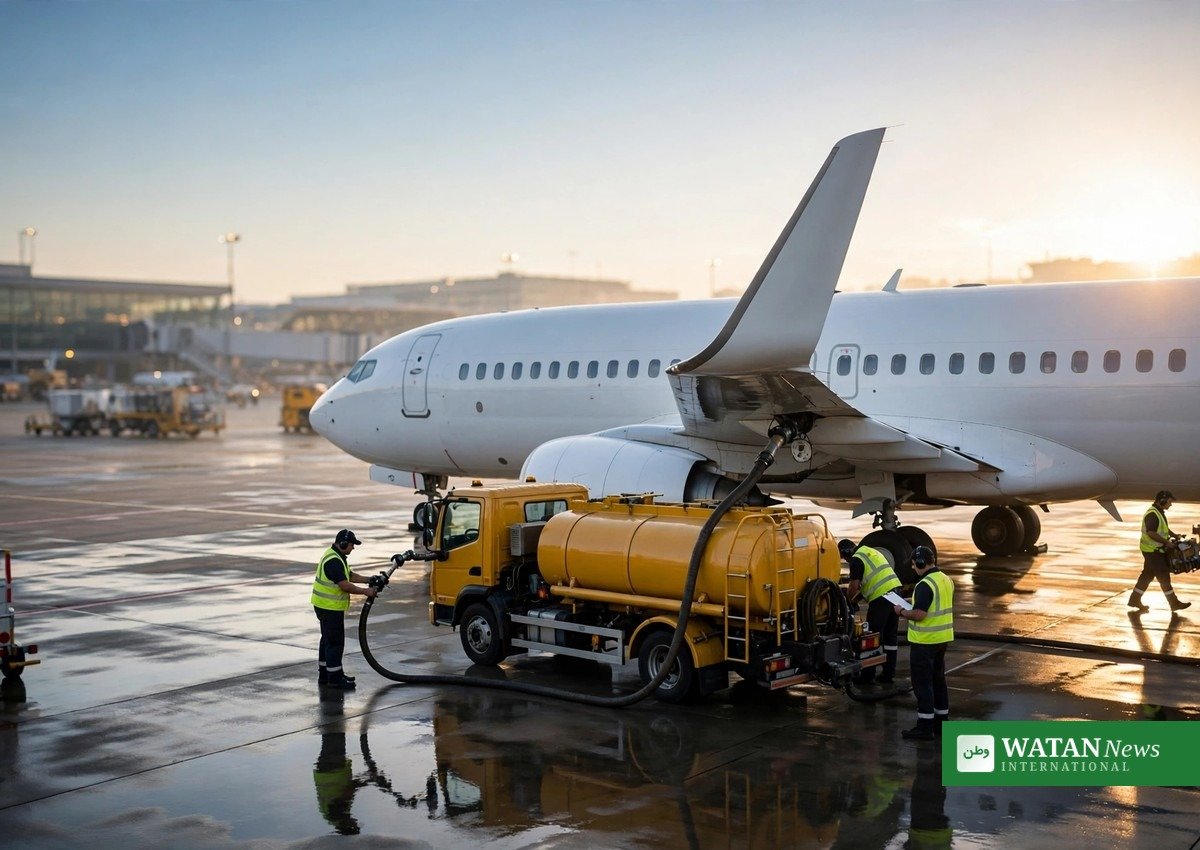
Asia’s two big aviation markets are moving in opposite directions on greener jet fuel. India has drafted a national sustainable aviation fuel policy that would require airlines to blend 5 percent green fuel into international flights by 2030 — and to buy 90 percent of their fuel at home. In the same week, Malaysia postponed its own 1 percent blending mandate for flights from Kuala Lumpur International Airport from January 2027 to 2030, saying the industry needs more time to prepare.
The contrast, reported within days of each other, shows how uneven the road to low-carbon flying remains — even as the mandatory phase of the global CORSIA carbon-offsetting scheme for international aviation begins on 1 January 2027.
What India is proposing
India’s draft National Sustainable Aviation Fuel policy, reviewed by The Hindu BusinessLine and reported on 4 November, would require airlines to buy at least 90 percent of their annual fuel needs for international flights departing India at domestic airports. The rule is designed to stop “economic tankering” — carrying extra fuel bought abroad to avoid refuelling in India — and to give fuel producers the demand certainty they need to invest.
The obligation would apply to Indian and foreign airlines operating scheduled international services, and would cover trip and taxi fuel, excluding contingency, alternate and additional fuel. Domestic operations, humanitarian, medical and emergency flights would be exempt, and reduced requirements could apply to some non-scheduled services. Airlines would submit independently verified annual reports on actual fuel uplift to the Directorate General of Civil Aviation, and unjustified shortfalls could attract penalties.
The blending ladder
Separately, the draft sets mandatory blending shares for international aviation covered by CORSIA: 1 percent in 2027, 2 percent in 2028, 3 percent in 2029 and 5 percent in 2030. Later targets — 10 percent in 2035 and 20 percent in 2040 — are indicative and would be decided later.
Only domestically manufactured sustainable aviation fuel would count towards the obligations, and the framework provides for a national registry under the civil aviation regulator to track transactions and verify emissions-reduction claims. A purchase-based claims mechanism would allow the environmental benefits of the fuel to be traded separately from the physical fuel, subject to documentation and verification.
Support for producers
The draft also confirms financial and fiscal support for building a domestic green-fuel industry, including viability gap funding for early production plants, concessional finance, feedstock assistance and long-term offtake agreements, alongside possible GST relief, import duty waivers, income-tax holidays and accelerated depreciation. The overall outlay would be decided by the petroleum ministry together with the civil aviation ministry.
The draft has not yet been published for public comment and its contents could still change before release, according to reporting on the document.
Malaysia steps back
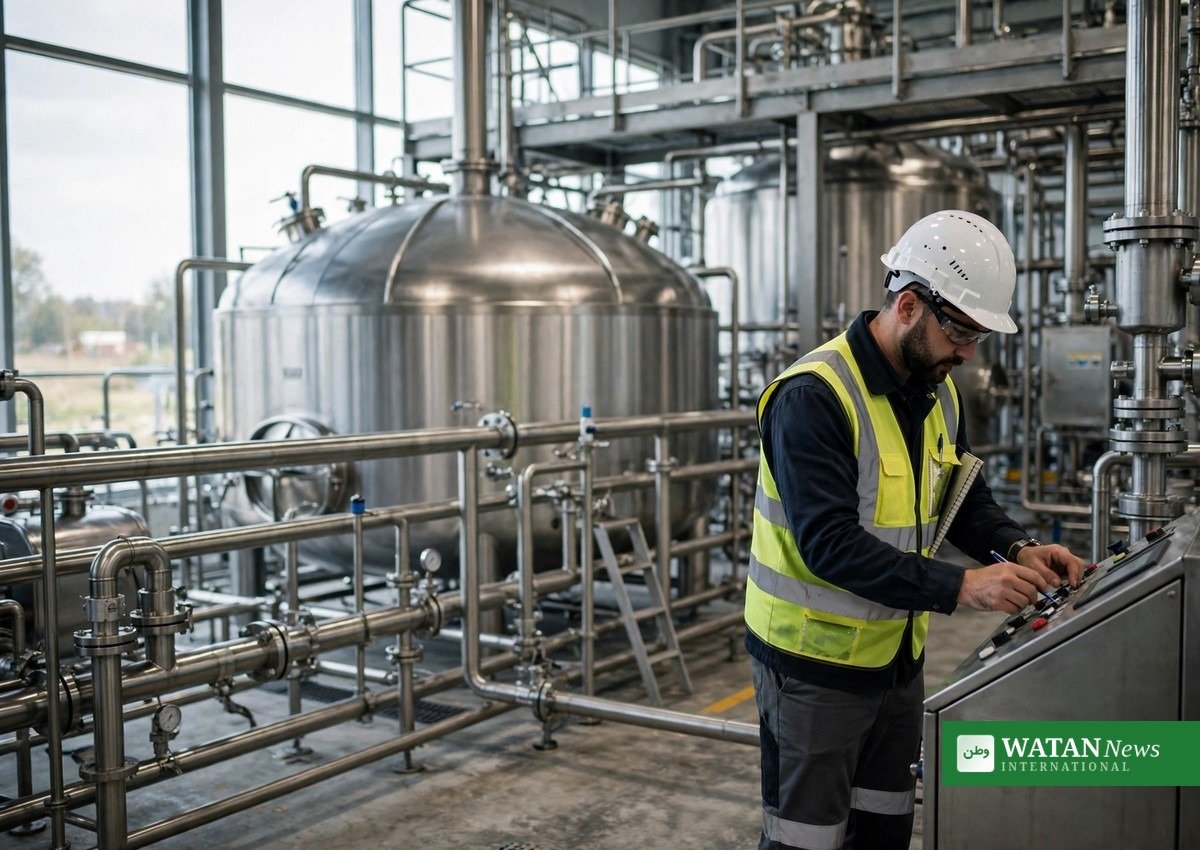
Malaysia, by contrast, has pushed its 1 percent blending mandate back by three years. The Plantation and Commodities Ministry said the decision, taken after discussions with the Transport Ministry, would give industry players more time to prepare and the Civil Aviation Authority of Malaysia more time to develop the regulatory framework. Plantation and Commodities Minister Datuk Seri Noraini Ahmad told parliament the government was reviewing implementation in light of geopolitical developments affecting the global energy market and the financial pressures facing airlines.
The delay is striking because Malaysia already produces the fuel. The EcoCeres plant in Johor began commercial production in October 2025, with a licensed capacity of 420,000 tonnes a year, and a PETRONAS biorefinery in Pengerang is expected to start operations in the second half of 2028 with an annual capacity of 650,000 tonnes. The government says it remains committed to developing the industry, and its National Energy Transition Roadmap targets a 47 percent blending share by 2050.
A region moving at different speeds
The split is not unique to India and Malaysia. Singapore has already mandated 1 percent blending for departing flights, rising to between 3 and 5 percent by 2030. Japan has set a 10 percent target for 2030, while South Korea aims for 1 percent by 2027. And on 3 November, Abu Dhabi’s Department of Energy signed a strategic collaboration with Evolve Fuels to explore investment in synthetic sustainable aviation fuel, known as e-SAF, in the emirate — an exploratory step, not yet a confirmed plant.
For travellers, the practical effect is gradual: green fuel remains far more expensive than conventional jet fuel — often several times the price — and blending mandates are the main tool governments have to create demand. As Watan News reported, Singapore Airlines has signed up to buy up to 4,800 tonnes of next-generation fuel made from waste gases, showing that airlines are securing supply even while policies diverge.
Key facts
- India’s draft policy: Airlines to uplift at least 90 percent of fuel for international flights departing India at domestic airports; blending of 1 percent in 2027, rising to 5 percent by 2030; only Indian-made fuel counts.
- Malaysia’s delay: The 1 percent mandate for international flights from Kuala Lumpur International Airport moves from January 2027 to 2030.
- Support: India proposes viability gap funding, green financing, long-term offtake deals and possible tax relief for producers.
- Production: Malaysia’s EcoCeres plant in Johor began commercial output in October 2025 (420,000 tonnes a year licensed); a PETRONAS biorefinery follows in 2028.
- Global context: The mandatory phase of CORSIA begins on 1 January 2027; Singapore already mandates 1 percent, rising to 3–5 percent by 2030.
Frequently asked questions
What is sustainable aviation fuel?
It is jet fuel made from renewable sources such as agricultural residues and used cooking oil, from synthetic fuels combining green hydrogen with renewable electricity and carbon dioxide, or from recycled carbon in waste streams, meeting prescribed technical and sustainability standards.
What does India’s draft policy require?
Airlines would have to buy at least 90 percent of the fuel for international flights departing India at Indian airports, and fuel suppliers would have to blend 1 percent sustainable fuel in 2027, rising to 5 percent by 2030. Only fuel made in India would count.
Why has Malaysia delayed its mandate?
The government says the industry needs more time to prepare, the aviation regulator needs time to build the framework, and geopolitical uncertainty in energy markets and cost pressures on airlines argue for a slower start. The 1 percent requirement now applies from 2030 instead of January 2027.
Does Malaysia produce sustainable aviation fuel already?
Yes. The EcoCeres plant in Johor began commercial production in October 2025 with a licensed capacity of 420,000 tonnes a year, and a PETRONAS biorefinery in Pengerang is expected to open in the second half of 2028.
Will this make flying more expensive?
Green fuel costs several times more than conventional jet fuel, so blending mandates can raise airline costs over time. Governments are pairing mandates with support such as viability gap funding to limit the impact, but ticket-price effects will depend on how fast production scales up.
Author

usmanch0013@gmail.com
Related Posts
بھارت کا پائیدار ہوائی ایندھن کا منصوبہ، ملائیشیا نے ذمہ داری موخر کر دی
بھارت کی مسودہ پالیسی کے تحت 2030 تک پانچ فیصد ملاوٹ اور نوے فیصد ایندھن ملک کے اندر سے خریدنا لازم ہوگا،...
Read out all
Indien presser på for grønnere flybrændstof, mens Malaysia udskyder sit SAF-krav til 2030
- 0
- 1,157 word
Indiens udkast til SAF-politik vil kræve 5% iblanding i 2030 og 90% af brændstoffet tanket hjemme, mens Malaysia har udskudt sit 1%-krav...
Read out all
Tunesien lancerer tiårsplan for genplantning af 30.000 hektar skov
- 0
- 903 words
Tunesien vil genplante 30.000 hektar skov over ti år med korkeg og aleppofyr i centrum, efter at skovbrande ødelagde mere end 74.000...
Read out all
تیونس کا دس سالہ منصوبہ: تیس ہزار ہیکٹر جنگلات کی بحالی
تیونس نے دس سالہ منصوبہ اپنایا ہے جس کے تحت تیس ہزار ہیکٹر جنگلات کی بحالی کی جائے گی، جس میں کارک...
Read out all
Tunisia Unveils Ten-Year Plan to Reforest 30,000 Hectares After Years of Wildfire Losses
- 0
- 923 words
Tunisia will reforest 30,000 hectares over ten years, prioritising cork oak and Aleppo pine, after wildfires destroyed more than 74,000 hectares between...
Read out all
Trump Warns He May Have to ‘Destroy the Rest of Iran’: ‘You’ll Know Soon Enough’
- 0
- 702 words
US President Donald Trump has warned that the United States may have to "destroy the rest of Iran", telling reporters "you'll know...
Read out all