- 0
- 568 words
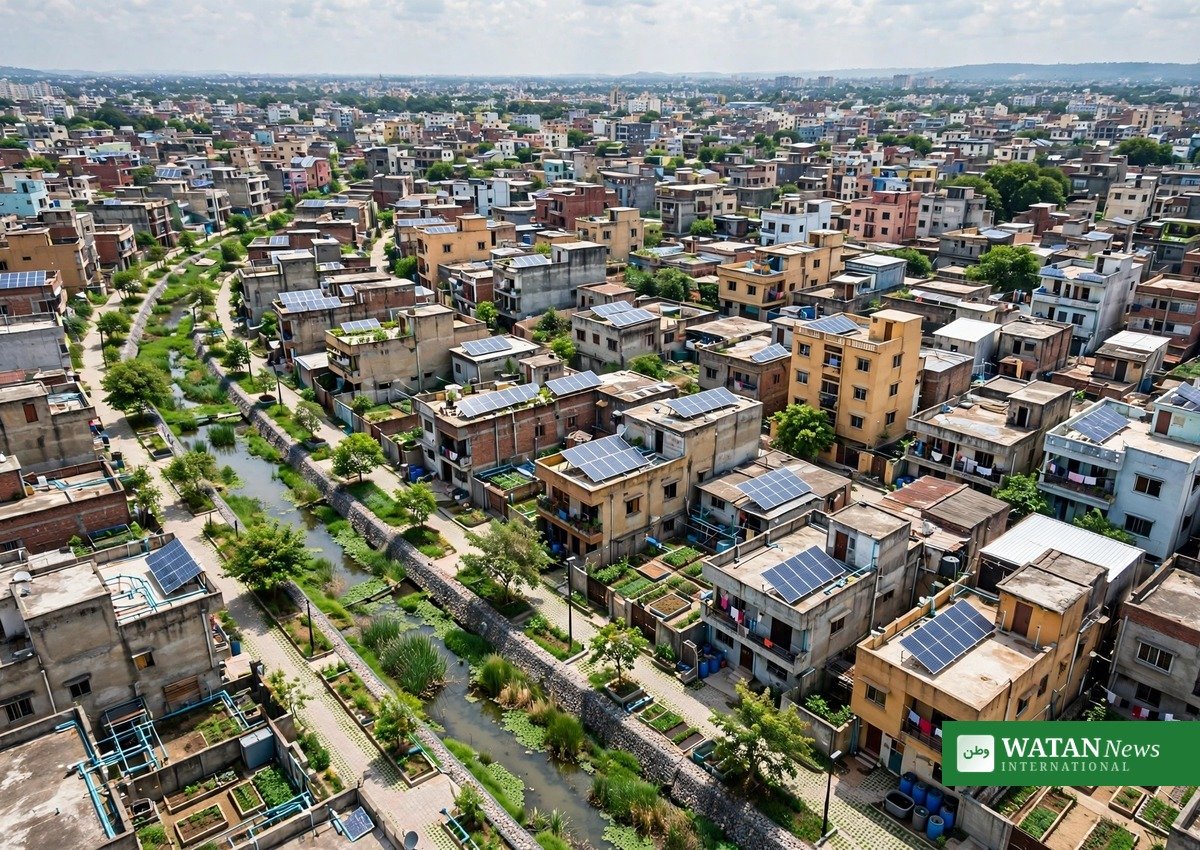
Federal Minister for Climate Change and Environmental Coordination Dr Musadik Malik has called for fast-track action to protect climate-vulnerable communities in Pakistan, urging a shift from lengthy procedures and policy jargon toward practical, community-based projects that deliver on the ground.
FAKTA
- Who: Dr Musadik Malik, Federal Minister for Climate Change and Environmental Coordination, in a meeting with a UN-Habitat officer
- Core message: Move from policy discussions to practical solutions — “less delay, more delivery and tangible improvement for vulnerable communities”
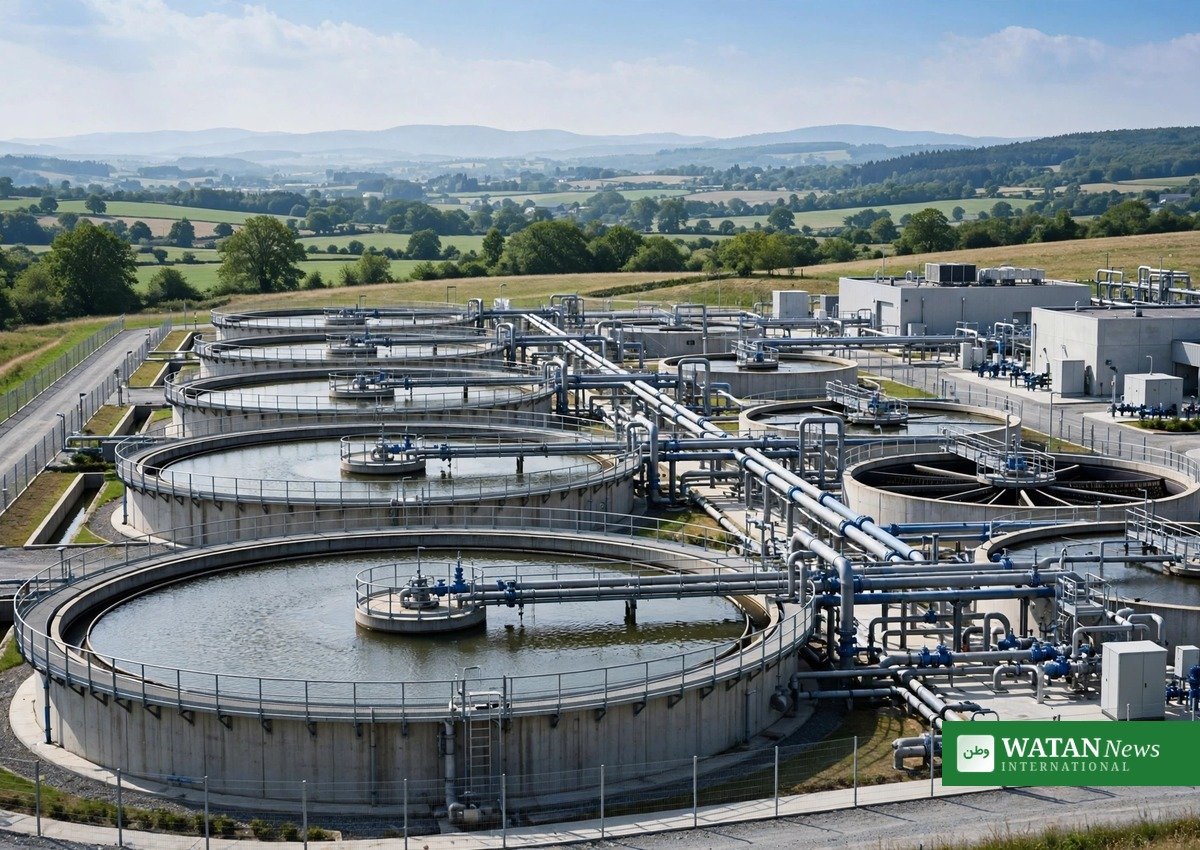
- Key proposals: Water treatment plants in areas with contaminated water, flood-resilience projects, fast-tracking the National Urban Strategy from policy to implementation
- Youth plan: A business and innovation idea competition for Pakistan’s youth covering climate change, public safety, vulnerable cities, flood management, technology, water and sanitation, and green industry
Fast-Track Action for Climate-Vulnerable Communities
The minister made the remarks during a meeting where urban development, climate resilience, water and sanitation, flood management, and interventions for vulnerable communities were discussed. Dr Malik criticised delays in development projects, stressing that international cooperation and policy initiatives must translate into work on the ground.
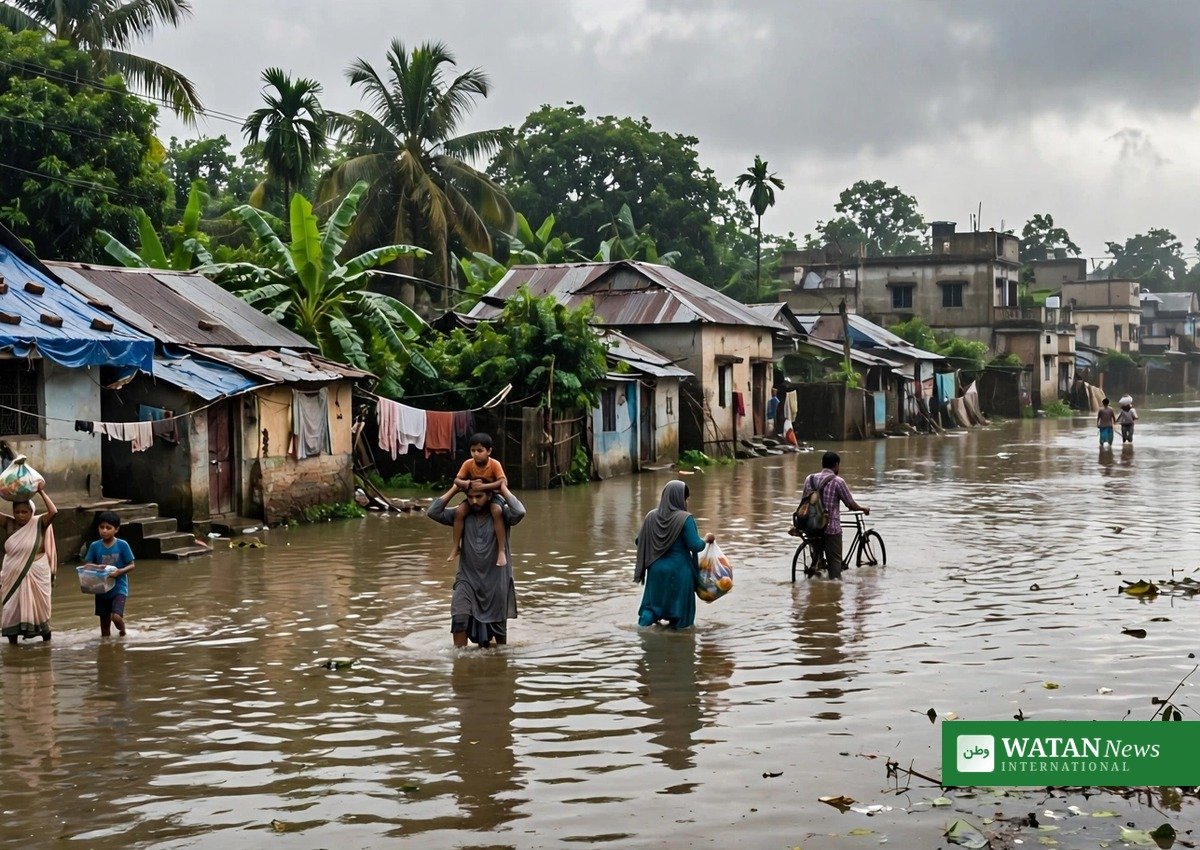
He pointed to the need for concrete interventions such as water treatment facilities in areas affected by contaminated supplies, flood-resilience initiatives, and other essential urban services for at-risk populations. The meeting emphasised that development resources must ultimately reach the communities they are intended for, with local populations playing a central role in both designing and sustaining such projects.
National Urban Strategy to Move From Policy to Implementation
Dr Malik also called for the National Urban Strategy to be fast-tracked from the policy stage to actual implementation, calling for closer coordination among government institutions, UN agencies, development partners, local authorities and affected communities. He noted that various institutions and development partners had already undertaken useful initiatives, but much of the work remained scattered, and its impact had not been adequately demonstrated.
Empowering Youth Through an Innovation Competition
The minister proposed launching a business and innovation idea competition targeted at Pakistan’s youth, inviting solutions spanning climate change, public safety, vulnerable cities, flood management, technology, invention, water and sanitation, and green industry. According to the minister, young people across the country deserved the opportunity to translate creative thinking into practical solutions for pressing national problems.
“Pakistan does not lack ideas or talent,” Dr Malik said, adding that the need was to move faster from ideas to implementation, from isolated projects to scalable models, and from policy discussions to solutions that genuinely improve people’s lives.
Less Delay, More Delivery
Dr Malik summed up the benchmark for development as simple: less delay, more delivery, and measurable improvement for vulnerable communities. He stressed that the priority should be identifying successful interventions, demonstrating their results, and scaling them into initiatives that could form part of a national agenda.
Follow more climate and environmental news from Pakistan on Watan News, and visit the Watan News homepage for the latest updates.
Conclusion
The minister’s call reframes Pakistan’s climate-vulnerable communities agenda around one test — whether policy turns into water treatment plants, flood-resilience projects and youth-driven innovation that tangibly improve lives in the country’s most at-risk cities and neighbourhoods.
Sources: Press Information Department (PID), Government of Pakistan, Mettis Global News.
Author

usmanjaved13132@gmail.com
Related Posts
Vestaustralien passerer 5,73 milliarder returnerede beholdere på seks år
- 0
- 696 words
Vestaustraliens pantordning Containers for Change har passeret 5,73 milliarder returnerede beholdere siden oktober 2020 og har genereret mere end 22,26 millioner dollar...
Read out all
مغربی آسٹریلیا میں چھ سال میں 5.73 ارب کنٹینر واپس کیے گئے
مغربی آسٹریلیا کی کنٹینر ڈپازٹ اسکیم کنٹینرز فار چینج کے تحت اکتوبر 2020 سے اب تک 5.73 ارب سے زیادہ کنٹینر واپس...
Read out all
Western Australia Passes 5.73 Billion Containers Returned in Six Years
- 0
- 694 words
Western Australia's Containers for Change scheme has passed 5.73 billion containers returned since October 2020, generating more than $22.26 million in donations...
Read out all
Indien fremlægger COP31-prioriteter: Forudsigelig klimafinansiering, ingen nye topstyrede mål
- 0
- 743 words
Indien har fremlagt sine forhandlingsprioriteter for COP31 i Antalya med forudsigelig, offentlig og koncessionel klimafinansiering i centrum og krav om, at modvirkning...
Read out all
بھارت نے کاپ31 کے لیے ترجیحات پیش کر دیں: قابل پیش گوئی موسمیاتی مالیات، نئے اوپری اہداف نہیں
بھارت نے انطالیہ میں ہونے والی کاپ31 کے لیے اپنی مذاکراتی ترجیحات پیش کر دی ہیں، جن میں قابل پیش گوئی، عوامی...
Read out all
India Sets Out COP31 Priorities: Predictable Climate Finance, Not New Top-Down Targets
- 0
- 757 words
India has set out its negotiating priorities for COP31 in Antalya, putting predictable, public and concessional climate finance first and insisting that...
Read out all