- 0
- 807 words
Sydney: More than 15,000 households across New South Wales have been approved for zero-interest NSW Home Energy Saver loans in the first five months of the scheme, as the state government prepares to tighten who can apply. From 9am on Tuesday 10 November 2026, the combined taxable household income limit falls from $210,000 to $150,000 a year.
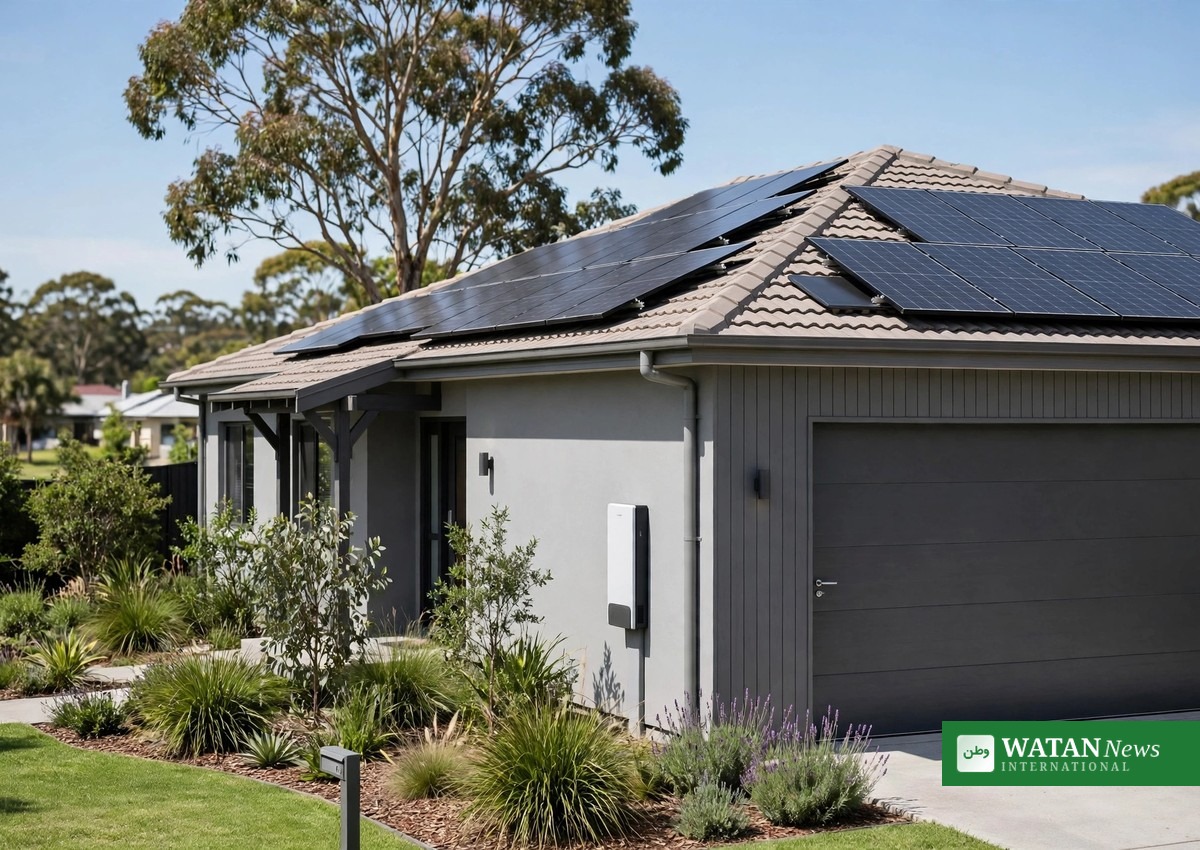
The loans, of up to $15,000 per property and repayable over up to 10 years at zero interest, pay for energy-saving upgrades including rooftop solar, home batteries, insulation and draught-proofing. They are funded by the NSW Government and delivered through finance providers Brighte and Plenti.
Key facts
- More than 15,000 NSW households have been approved for zero-interest loans of up to $15,000 since the scheme launched in June 2026.
- The income limit drops from $210,000 to $150,000 from 9am on 10 November 2026; applications lodged before then are assessed under the old limit.
- The total scheme is worth $557 million: $480 million for loans and $77 million for discounts.
- Loans cover rooftop solar, home batteries, insulation, reverse-cycle air conditioning, draught-proofing, ceiling fans, switchboard upgrades and EV chargers.
- Discounts of up to $4,000 for lower-income households are yet to open.
Five months, 15,000 households
Energy Minister Penny Sharpe said more than 15,000 households had been approved for the loans in the five months since the programme began in June 2026. The take-up spans 539 postcodes, with 47 per cent of households in Greater Sydney and 53 per cent across the rest of the state, including regional centres such as Armidale, Broken Hill, Dubbo and Port Macquarie.
One family from Sydney’s Northern Beaches reported quarterly bill savings of around $950 after installing rooftop solar and a home battery, according to RenewEconomy. The government says the loans remove the upfront cost that stops many households from making energy-saving upgrades.
What the loans cover
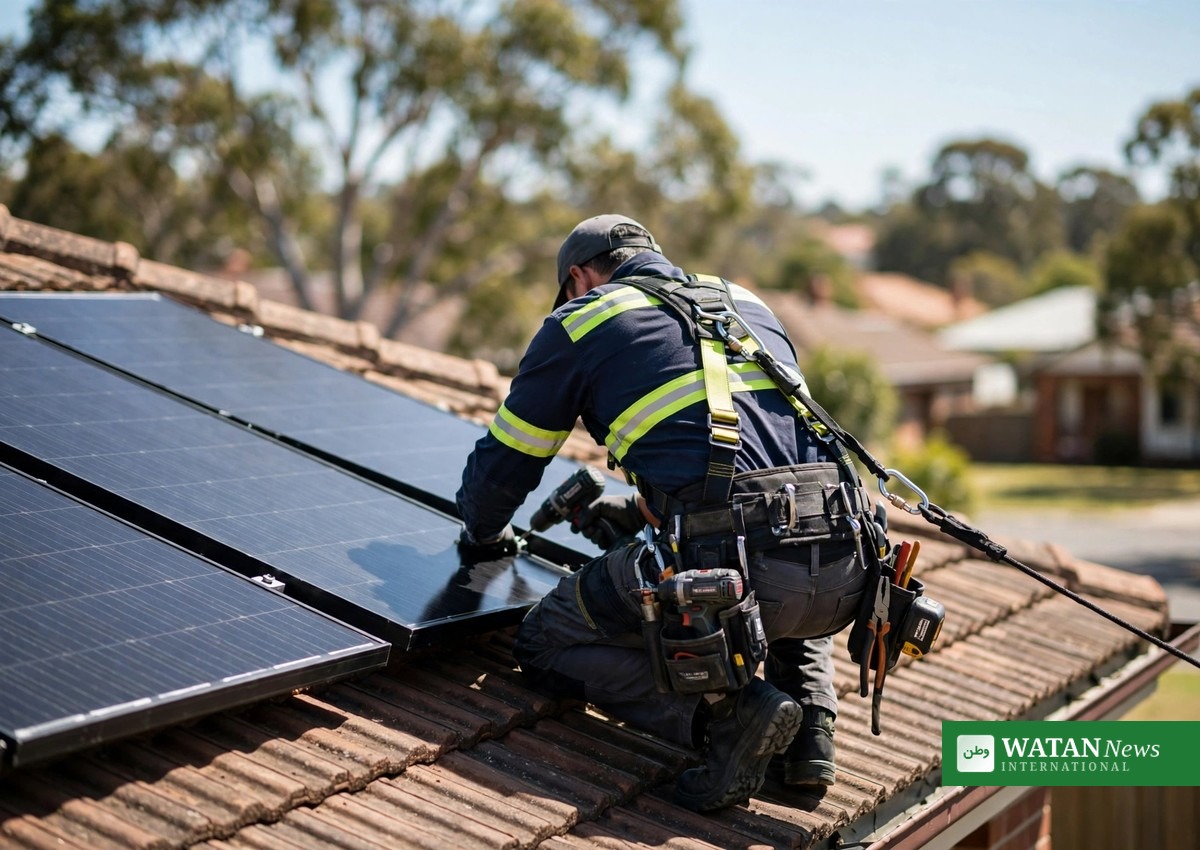
The loan can pay for a wide range of upgrades that cut household energy use and bills. Eligible work includes rooftop solar panels, home batteries, insulation, reverse-cycle air conditioning, draught-proofing, ceiling fans, switchboard upgrades and chargers for electric vehicles.
Only one Home Energy Saver loan is available per property, up to the $15,000 maximum, and applicants must pass the lender’s credit assessment. The property must be in New South Wales, and social or community housing and properties used for short-stay rental accommodation are not eligible.
Who can still apply under the old limit
Households with a combined taxable income of up to $150,000 a year are unaffected by the change and can apply after 10 November as before. Households earning between $150,000 and $210,000 must submit their loan application before 9am on 10 November 2026 to be assessed under the current $210,000 limit. Households earning more than $210,000 are not eligible now or after the change.
The government says the lower threshold will focus the remaining funds on low- and middle-income households. The total $557 million investment stays the same, with $480 million allocated for loans and $77 million for discounts.
Discounts of up to $4,000 still to come
A second part of the scheme has not yet opened. It will offer discounts of up to $4,000 off the cost of eligible upgrades for homeowners and renters with a combined gross household income of up to $80,000 a year, or who hold an eligible concession card. The NSW Government says this discount component is expected to launch soon.
Why it matters for sustainable living
For many households, the upfront cost of solar panels or a battery is the main barrier to using clean energy at home. A zero-interest loan spreads that cost over up to ten years, while the upgrades cut electricity bills and reduce demand on the grid. Renewable energy is growing fast around the world, and household solar and storage are a growing part of that shift.
The NSW experience also shows how quickly demand can build: 15,000 households in five months, across cities and regional towns alike, suggests that practical, affordable help is what turns climate concern into action at home.
Frequently asked questions
What is the NSW Home Energy Saver loan?
It is a zero-interest loan of up to $15,000 per property for energy-saving home upgrades, repayable over up to ten years. It is funded by the NSW Government and delivered by the finance providers Brighte and Plenti.
How many households have used the scheme?
More than 15,000 households across 539 postcodes have been approved for loans in the five months since the scheme launched in June 2026, according to the NSW Government.
What changes on 10 November 2026?
From 9am on 10 November 2026, the combined taxable household income limit falls from $210,000 to $150,000 a year. Applications submitted before 9am that day are still assessed under the $210,000 limit.
What upgrades can the loan pay for?
Rooftop solar, home batteries, insulation, reverse-cycle air conditioning, draught-proofing, ceiling fans, switchboard upgrades and EV chargers.
Is there other help for lower-income households?
Yes. Discounts of up to $4,000 will be offered to households with a combined gross income of up to $80,000 a year or an eligible concession card, but that part of the scheme has not opened yet.
Author

usmanch0013@gmail.com
Related Posts

COP31 ungdomsdag: Børn overdrager klimakrav, mens uddannelsesalliance når 100 lande
- 0
- 1,337 word
Børn og unge indtog hovedrollen ved COP31 den 14. november og fremlagde en børneopfordring til klimahandling, mens UNESCO's klimauddannelsesalliance nåede 100 lande.
Read out all
کاپ31 میں نوجوانوں کا دن: بچوں نے موسمیاتی مطالبات پیش کیے اور تعلیمی اتحاد 100 ملکوں تک پہنچ گیا
کاپ31 میں 14 نومبر کو بچوں اور نوجوانوں نے مرکزی کردار ادا کیا اور موسمیات پر بچوں کا مطالبہ برائے عمل پیش...
Read out all
COP31 Youth Day: Children Hand Over Climate Demands as Education Alliance Hits 100 Countries
- 0
- 1,341 word
Children and young people took centre stage at COP31 on 14 November, presenting a Children's Call to Action as UNESCO's climate-education alliance...
Read out all
Bæredygtigt flybrændstof er for dyrt og for sjældent, advarer Asien-Stillehavets flyselskaber
- 0
- 1,089 word
Flyselskaberne i Asien og Stillehavet siger, at bæredygtigt flybrændstof fortsat er for dyrt og for sjældent til at gøre flyvning grøn.
Read out all
پائیدار ہوا بازی ایندھن بہت مہنگا اور کم دستیاب، ایشیا پیسیفک ایئرلائنز کا انتباہ
ایشیا پیسیفک ایئرلائنز کا کہنا ہے کہ پائیدار ہوا بازی ایندھن اب بھی بہت مہنگا اور کم دستیاب ہے، اور اس کی...
Read out all
Green Jet Fuel Costs Too Much and Is Too Scarce, Asia-Pacific Airlines Warn as COP31 Debates Aviation’s Future
- 0
- 1,082 word
Asia-Pacific airlines say sustainable aviation fuel remains too expensive and too scarce to decarbonise flying, warning COP31 that the cost cannot fall...
Read out all