- 0
- 861 words
Iran’s security chief Mohsen Rezaei said on Tuesday that the Hormuz Strait will stay shut until the United States meets Tehran’s seven conditions for peace talks, denying that any negotiations with Washington are under way — as attacks on tankers in the waterway continued and oil prices rose.
FAKTA
- Iran’s security chief Mohsen Rezaei said on Tuesday that the Hormuz Strait will not reopen until the United States meets Tehran’s seven conditions.
- The conditions include lifting sanctions and the US naval blockade, and ending the fighting on all fronts, according to Rezaei and Foreign Minister Abbas Araghchi.
- Araghchi said the strait could be reopened within two days if the demands are met.
- Thirty-seven ships were attacked in the strait and nearby waters in October — the highest monthly total since the war began — with 10 more attacks recorded so far in November, according to Washington Institute data cited by Reuters.
- Oil prices rose on Wednesday, with Brent crude at $92.20 a barrel.
No talks, Tehran says
Rezaei told Lebanon’s Al Mayadeen TV on Tuesday that claims “about continuing negotiations or holding a meeting in Qatar is a pure lie”, saying that Washington was talking up negotiations to ease economic pressure and bring down oil prices. “Their initial response was insufficient and deceptive, and we are still waiting for an explicit and clear response,” he said.
Iran has not released the full list of conditions. But Rezaei and Araghchi have said it includes lifting sanctions and the US naval blockade, and ending the fighting on all fronts, especially Israel’s attacks on Lebanon. Araghchi said the strait could be reopened within two days if the demands are met.
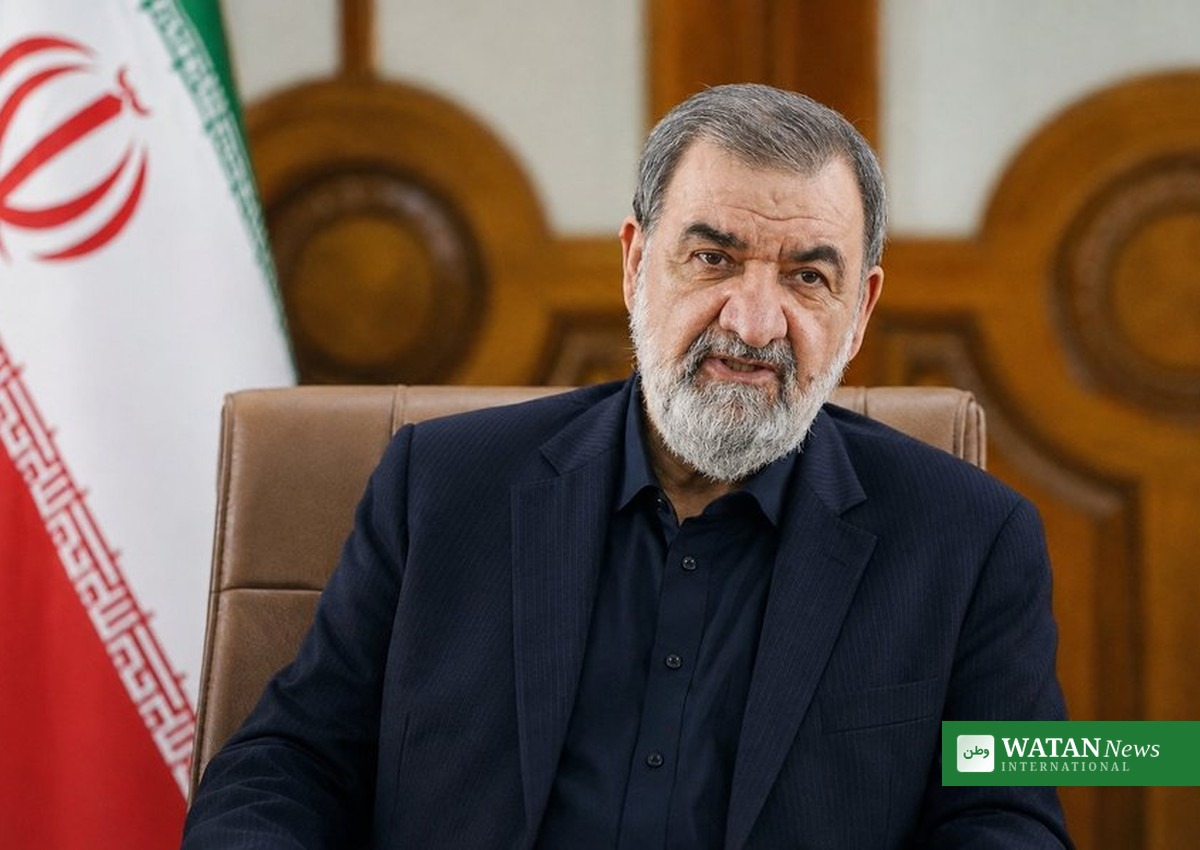
Iran’s security chief Mohsen Rezaei said the Hormuz Strait will not reopen until the United States meets Tehran’s seven conditions.
Araghchi told the state news agency IRNA on Tuesday: “The conflict with Iran will not be resolved through military means, nor by intensifying sanctions. The only solution is to adopt a language of respect, engage in diplomacy, and address Iran’s demands and conditions – which were outlined in the two-day proposal and remain on the table.”
Trump sees ‘positive momentum’
Rezaei’s comments came as hopes grow for a diplomatic breakthrough after US President Donald Trump said he saw “positive momentum” towards ending the conflict. Trump, who held talks with Qatar’s Prime Minister Sheikh Mohammed bin Abdulrahman bin Jassim Al Thani at the White House on Monday, also said new attacks on Iran were unnecessary. Qatar is a key mediator in the conflict.
In Paris, where foreign ministers from the Group of 7 were meeting, Sheikh Mohammed held talks with the Saudi foreign minister and four top European diplomats only hours after his meeting with Trump. The French Foreign Ministry said the talks would focus on the Iran crisis and its security and economic fallout.
Speaking to reporters in Paris, US Secretary of State Marco Rubio said Washington was “open to diplomacy” and repeated Trump’s position that further strikes were not needed “if we’re achieving the same objectives through economic means”. “The economic campaign is so devastating that right now there is no need for major combat operations,” Rubio said.
Tankers hit in the Hormuz Strait
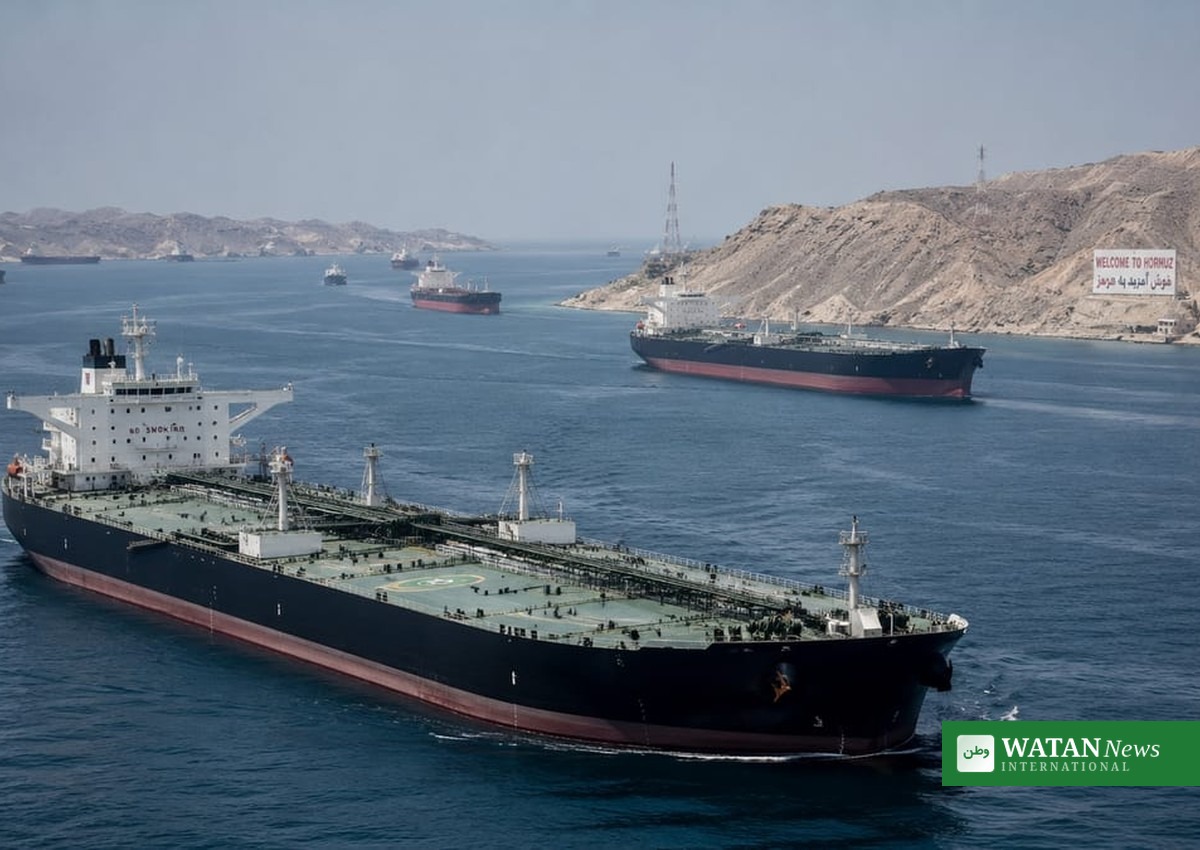
In the strait itself, attacks on vessels continued. Videos posted on social media on Sunday and verified by Reuters showed a Navig8 tanker on fire near the coast of Oman, one of three tankers hit on Sunday for using “unauthorised routes” through the strait, according to the Iranian state broadcaster.
On Tuesday, the UK Maritime Trade Operations agency said it had received reports of incidents involving two tankers in the region, one of them struck by an unknown projectile northeast of Oman’s Lima village. Iran’s Revolutionary Guard Navy said in a separate statement on Tuesday that two tankers caught fire after hitting naval mines on the “unauthorized route” in the strait.
Data from the Washington Institute for Near East Policy showed that 37 ships were attacked in the Strait of Hormuz and surrounding waterways in October, the highest monthly total since the start of the war, and that 10 attacks have been recorded so far in November. Analysts at LSEG said in a note on 10 November that even if a deal is struck, more oil flowing through the waterway would still depend on mine clearance, insurance costs and whether shipowners would take the risk. “Meanwhile, attacks have not slowed,” they said.
Oil prices rose on Wednesday after falling to two-month lows in the previous session. Brent futures climbed 71 cents, or 0.78 percent, to $92.20 a barrel by 0119 GMT, Reuters reported, while US West Texas Intermediate crude rose 49 cents to $86.53.
A war in its ninth month
The war is now in its ninth month, and it has roiled global markets and disrupted oil and gas supplies, pushing up prices around the world. The International Maritime Organization has confirmed 130 incidents, most of them attacks, in the region since the conflict began in late February, with at least 25 seafarers killed, Reuters reported. Freight and insurance costs for shipping through the strait remain about 10 times their pre-war levels.
More coverage of world affairs is available on Watan News World.
Author

usmanch0013@gmail.com
Related Posts

COP31 Zero Waste Day: Leaders Pitch Sustainable Living as Cheaper Living in Antalya
- 0
- 1,448 word
On COP31 Zero Waste Day in Antalya, world leaders pitched sustainable living as cheaper living — with new waste targets, a day...
Read out all
NATO Weighs Major Shift in Military Planning to Focus on Russia
- 0
- 483 words
NATO is considering the biggest overhaul of its military planning in at least two decades, putting the defence of Europe against a...
Read out all
West Bank Arson Attacks Pass 1,180 in Three Years, Palestinian Body Says
- 0
- 448 words
Palestinian figures count 1,182 arson attacks on West Bank property and land since October 2023, as the UN records its highest monthly...
Read out all
COP31 Puts Money Behind the ‘Age of Electricity’ as Finance Coalition and Utilities Pledge $156bn a Year
- 0
- 1,389 word
COP31's finance package for electrification: a new World Bank and African Development Bank-led coalition, utilities raising annual investment to $156 billion, and...
Read out all
Pochettino Ready to Accept Manchester United Offer as Carrick Exit Nears
- 0
- 738 words
Mauricio Pochettino is ready to accept an offer from Manchester United to become their next head coach, with Michael Carrick's future set...
Read out all
Russia and Ukraine Agree Large Prisoner Swap as Abu Dhabi Talks Conclude
- 0
- 760 words
Russia and Ukraine have agreed a large-scale prisoner swap after two days of US-mediated talks in Abu Dhabi, Russia’s chief negotiator said,...
Read out all