- 0
- 483 words
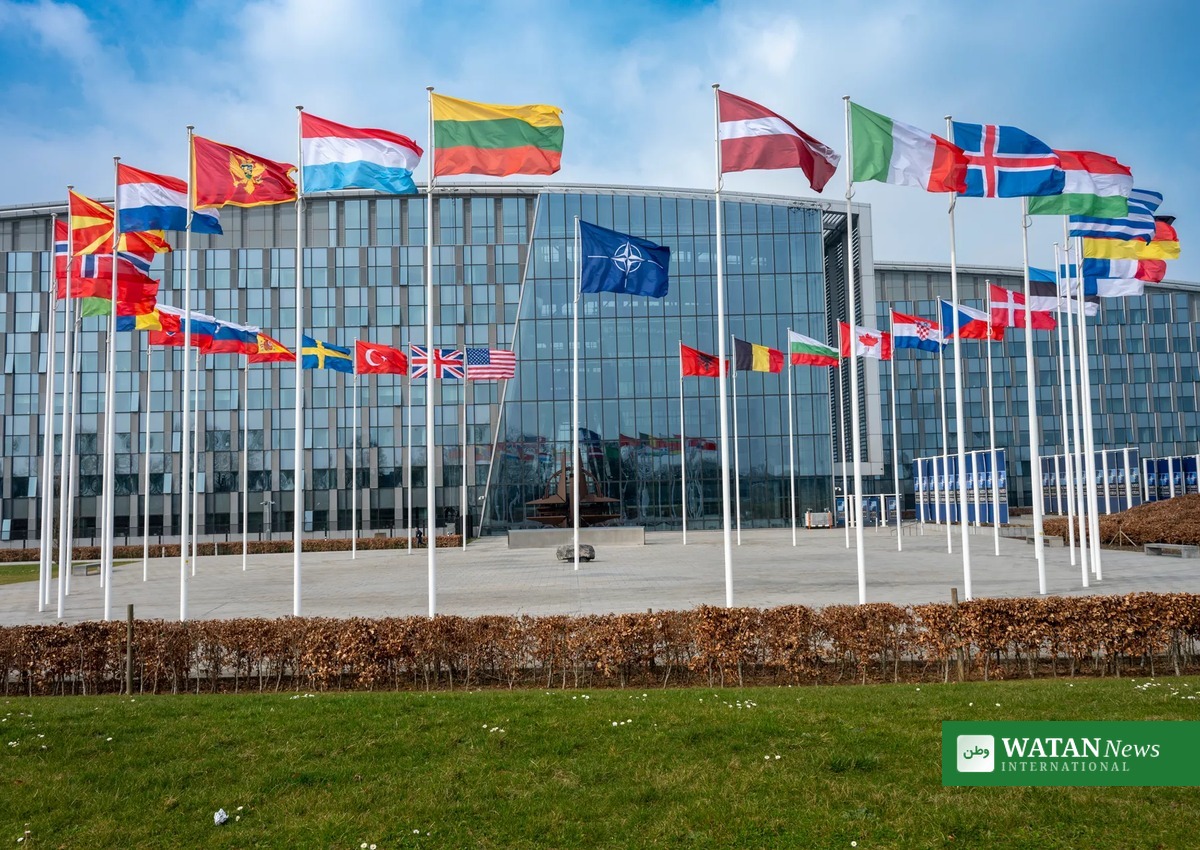
NATO is considering the biggest overhaul of its military planning in at least two decades, putting the defence of Europe against a possible Russian attack ahead of keeping forces ready for overseas missions at the same time. The proposal, first reported by Politico and carried by several outlets on Wednesday, would reshape how the alliance’s 32 member states prepare their troops, weapons and budgets for the years ahead.
FAKTA
- NATO’s 32 member states have begun talks on new military requirements, known as Political Guidance.
- The draft proposal would replace “and” with “or”: allies would prepare for a major European war or several smaller overseas operations, not both at once.
- Allies aim to agree the guidance by February 2027, with updated capability targets due in 2029.
- NATO’s defence planning process runs on a four-year cycle.
- The alliance already describes Russia as “the most significant and direct threat” to its members’ security.
What the Proposal Would Change
Under the current rules, allies must be ready for a large-scale war in Europe and several smaller crisis operations outside alliance territory at the same time. The draft would end that dual requirement, freeing resources to concentrate on defending Europe. The change would affect the forces, equipment and funding each member is expected to provide, and military requirements agreed in the talks are then translated into capability targets for individual allies.
A senior NATO official stressed that crisis-response missions would not be scrapped altogether, but they would no longer drive planning in the same way. The proposal concerns the alliance’s Political Guidance document, which sets the priorities for military capabilities and spending.
Why the Focus Is Shifting
The shift reflects growing concern in European capitals that Russia could be ready to test NATO within a few years. European officials have warned that Moscow could be in a position to attack a NATO country by 2029. Since Russia’s full-scale invasion of Ukraine in 2022, the alliance has strengthened its eastern flank, expanding its forward presence to nine multinational battlegroups and drawing up regional defence plans.
Former NATO Assistant Secretary-General for Defence Investment Camille Grand said the proposal reflected the growing importance of preparing for a major conflict in Europe. Pressure from the United States to hand more security responsibility to European allies is also shaping the debate.
Talks Still at an Early Stage
Diplomats familiar with the draft stressed that the discussions remain at an early stage and no final decision has been taken. The final shape of the guidance will depend on negotiations among all 32 members, each of which must agree on the forces and money it will commit. The talks are part of a wider five-part effort, the NATO Defence Planning Process, which will set the alliance’s capability targets for 2029.
If agreed, the change would mark the most significant shift in how NATO plans its forces since the Cold War. For more international news, visit Watan News.
Author

usmanch0013@gmail.com
Related Posts

COP31 Zero Waste Day: Leaders Pitch Sustainable Living as Cheaper Living in Antalya
- 0
- 1,448 word
On COP31 Zero Waste Day in Antalya, world leaders pitched sustainable living as cheaper living — with new waste targets, a day...
Read out all
Iran Says Hormuz Strait Will Stay Shut Until US Meets Seven Conditions
- 0
- 861 words
Iran's security chief says the Hormuz Strait will not reopen until Washington meets Tehran's seven conditions, as attacks on tankers in the...
Read out all
West Bank Arson Attacks Pass 1,180 in Three Years, Palestinian Body Says
- 0
- 448 words
Palestinian figures count 1,182 arson attacks on West Bank property and land since October 2023, as the UN records its highest monthly...
Read out all
COP31 Puts Money Behind the ‘Age of Electricity’ as Finance Coalition and Utilities Pledge $156bn a Year
- 0
- 1,389 word
COP31's finance package for electrification: a new World Bank and African Development Bank-led coalition, utilities raising annual investment to $156 billion, and...
Read out all
Pochettino Ready to Accept Manchester United Offer as Carrick Exit Nears
- 0
- 738 words
Mauricio Pochettino is ready to accept an offer from Manchester United to become their next head coach, with Michael Carrick's future set...
Read out all
Russia and Ukraine Agree Large Prisoner Swap as Abu Dhabi Talks Conclude
- 0
- 760 words
Russia and Ukraine have agreed a large-scale prisoner swap after two days of US-mediated talks in Abu Dhabi, Russia’s chief negotiator said,...
Read out all