- 0
- 1,448 word
Antalya, 11 November 2026: Zero Waste Day took centre stage at COP31 in Antalya on Tuesday, as world leaders opened a two-day summit with a new pitch: that sustainable living is not only better for the climate, but cheaper for households too.
The day, which coincides with the first day of the COP31 Leaders’ Summit, put waste, circularity and methane at the top of the agenda. The United Nations Environment Programme (UNEP) and the Zero Waste Foundation opened the day with a session on the Food Waste Breakthrough, while pavilions across the Blue Zone hosted events on circular cities, healthy waste systems and climate-smart solutions for residual waste and plastics.
At the same time, leaders arriving in Antalya framed climate action in economic terms. “Three-quarters of humanity live in countries that import fossil fuels, hostage to price shocks they did not create and cannot control,” UN Secretary-General António Guterres told world leaders, adding that the shift to renewable energy is the clear solution. UN climate chief Simon Stiell said climate disasters and energy-market chaos are “supercharging inflation, slamming government budgets, pushing household bills up and living standards down” — and that climate action can help relieve those pressures.
A new pitch: climate action as cheaper living
COP31 President Murat Kurum has said the conference must be felt in daily life. “We want people to feel the results of climate talks in daily life: in buildings that use less energy, in clean public transport, in energy they can afford and in new jobs,” he said as the summit opened.
Former US Secretary of State John Kerry welcomed the reframing. “I think everybody who is working on climate needs to change the way they talk about it,” he told reporters on the sidelines of the summit, pointing to security, health, jobs, stable communities and food supply as the issues people care about most. European energy commissioner Dan Jørgensen said the approach could build consensus for action, adding that moving away from dependence on fossil fuels is “extremely smart for security reasons” even for those who doubt climate change.
The message reflects the COP31 Presidency’s focus on implementation: turning commitments into results that households can feel, from lower energy bills to cleaner air in cities.
What happened on Zero Waste Day
The day’s programme showed how the zero-waste agenda is meant to work in practice. The UNEP and Zero Waste Foundation session on the Food Waste Breakthrough brought together three Country Champions to share first-year progress on preventing food waste and keeping organic waste out of landfills, followed by discussions on food waste in cities, the role of food businesses and limiting climate overshoot.
Elsewhere in the Blue Zone, Zero Waste Europe and the Global Alliance for Incinerator Alternatives (GAIA) ran a series of events: Italian and EU cities shared experience on zero waste and renewable energy at the Italian Pavilion; the German Climate Pavilion hosted a session on unlocking the circular city through city-business collaboration, drawing on Mannheim and the Barcelona Metropolitan Area; the World Health Organization Pavilion examined zero waste as a health issue; and the Türkiye Pavilion closed the day with climate-smart solutions for residual waste and plastics, including mixed-waste sorting and mechanical-biological treatment.
The Green Zone, the public face of the summit, was closed to visitors on 11 and 12 November because of the Leaders’ Summit. Its Zero Waste hub, shaped with the Zero Waste Foundation, normally offers hands-on workshops on deposit return systems, marine protection, methane reduction and circular economy practices.
The targets: halve waste growth, lift circularity to 15 percent by 2035
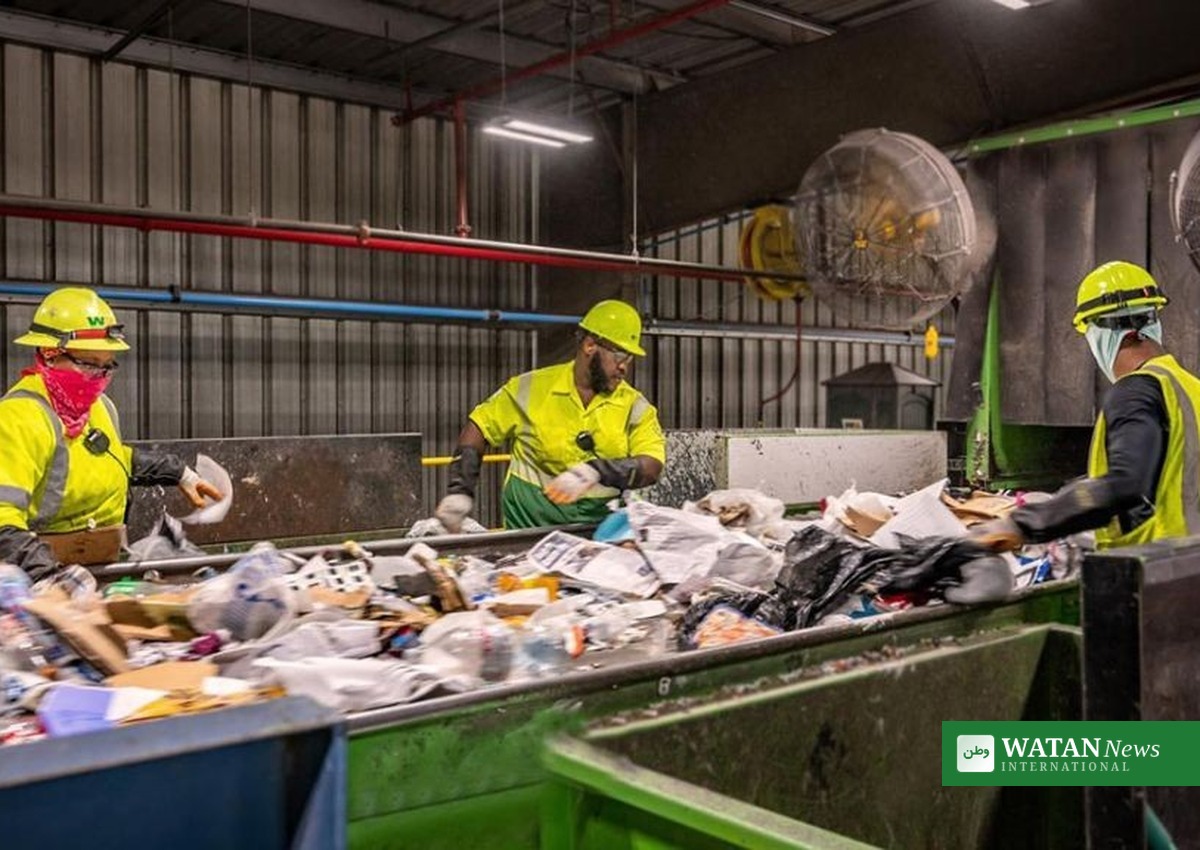
The COP31 Presidency has set two waste targets for 2035: to halve the growth in global waste generation, and to raise the global circular-material use rate in production and manufacturing to at least 15 percent over the same period. The targets sit in the Presidency’s Action Agenda, which treats zero waste as a practical path to cutting emissions.
Civil society groups at the summit argue the work must start upstream. GAIA, which is campaigning for zero waste as a climate solution in Antalya, says policymakers should prioritise waste prevention, reuse, repair, source separation and composting, and keep incineration out of climate solutions. Zero Waste Europe notes that circular economy approaches are still not systematically integrated into countries’ climate plans, known as Nationally Determined Contributions, and that cities will decide whether national strategies become real change.
The waste challenge is large. Food systems account for around a third of global greenhouse gas emissions, and more than 40 percent of food produced is lost or wasted. Research published for UNEP and partners found food makes up 51 to 84 percent of the biodiversity impacts of lifestyles, with meat the largest hotspot.
The question at home: is Türkiye delivering?
The day also drew scrutiny of the host country. Climate Change News reported on Tuesday that Türkiye is promoting zero waste at COP31 — with the day led by the country’s First Lady — while its own waste generation keeps rising and plastic imports from Europe look set to grow.
The report describes a briefing by the environment ministry’s zero-waste lead, Ekrem Yıldırım, for visiting journalists in Ankara, held in a recycling-education room decorated with mannequins dressed in discarded mobile phones, newspapers and bottle tops. At the briefing itself, tea was served with individually wrapped sugar cubes and water in single-use plastic pots, which a journalist queried after the presentation.
The Zero Waste movement was launched in Türkiye in 2017 and became a global call when, on Türkiye’s initiative, the UN General Assembly declared 30 March the International Day of Zero Waste.
What sustainable living looks like at home
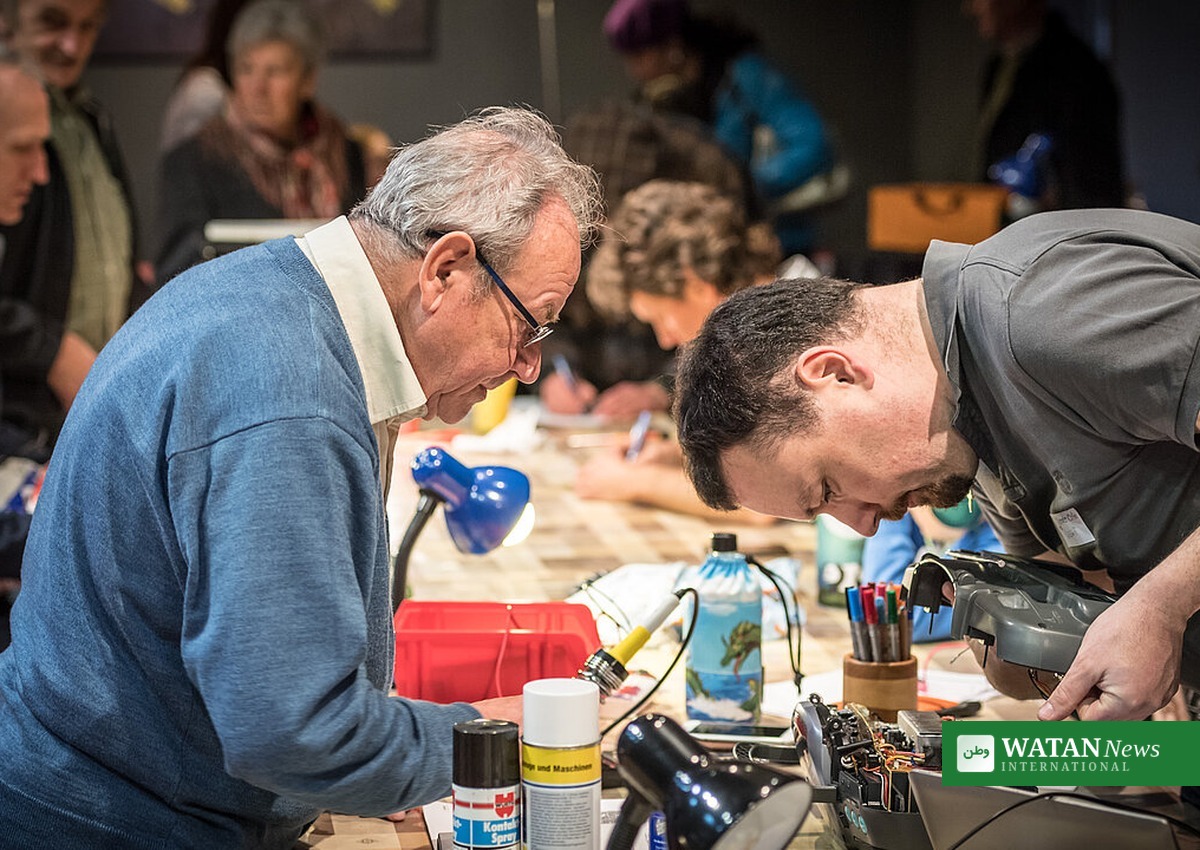
Beyond the summit halls, Zero Waste Day is also about daily habits. Repair cafés, where volunteers help neighbours fix broken appliances instead of throwing them away, are one example: repairing extends the life of products, keeps materials in circulation and saves households the cost of replacement. Deposit return systems, composting food scraps, buying second-hand and choosing reusable packaging all follow the same logic — use less, keep things in use longer, and waste less money as well as less material.
That logic is the thread running through the COP31 waste agenda: sustainable living, presented in Antalya not as a sacrifice, but as a way to make daily life more affordable.
Key facts
- 11 November 2026 is Zero Waste Day at COP31 in Antalya, coinciding with day one of the two-day Leaders’ Summit.
- The COP31 Presidency targets halving the growth in global waste generation by 2035 and raising the circular-material use rate to at least 15 percent by 2035.
- UNEP and the Zero Waste Foundation held a Food Waste Breakthrough session on 11 November on turning food-waste commitments into measurable results.
- Food systems account for around a third of global greenhouse gas emissions, and more than 40 percent of food produced is lost or wasted.
- The Zero Waste movement was launched in Türkiye in 2017; 30 March is the UN International Day of Zero Waste.
Read more about sustainable living at COP31: COP31 Green Zone brings sustainable living to life in Antalya and COP31 Food Waste Breakthrough puts methane and circularity at the centre of Zero Waste Day.
Frequently asked questions
What is Zero Waste Day at COP31?
Zero Waste Day is the COP31 thematic day on 11 November 2026 in Antalya, dedicated to waste, resource efficiency, methane and the circular economy. It coincides with the first day of the Leaders’ Summit and features sessions across the Blue Zone, including the UNEP and Zero Waste Foundation event on the Food Waste Breakthrough.
What are the COP31 Presidency’s waste targets?
The Presidency aims to halve the growth in global waste generation by 2035 and to raise the global circular-material use rate in production and manufacturing to at least 15 percent by 2035.
How can sustainable living cut household bills?
Leaders at COP31 argue that using less energy, repairing instead of replacing, reusing materials and cutting food waste all reduce household spending, while renewable energy shields families from fossil-fuel price shocks. UN climate chief Simon Stiell said climate action can relieve the pressure that energy chaos and climate disasters put on household bills.
What is the circular economy?
The circular economy keeps products and materials in use for as long as possible through prevention, reuse, repair, refurbishment and recycling, instead of the take-make-throw-away pattern. The COP31 Presidency treats it as a practical way to cut emissions and waste at the same time.
What can households do to live more sustainably?
Households can repair broken items, buy second-hand, use deposit return and refill systems, compost food scraps, plan meals to cut food waste and choose reusable packaging. These steps reduce waste, lower costs and cut the emissions linked to producing and disposing of goods.
Author

usmanch0013@gmail.com
Related Posts
COP31’s Zero Waste-dag: Bæredygtig livsstil præsenteres som billigere liv i Antalya
- 0
- 1,492 word
På COP31's Zero Waste-dag i Antalya præsenterede verdens ledere bæredygtig livsstil som billigere liv — med nye affaldsmål, en dag med cirkulære...
Read out all
کاپ31 یوم صفر فضلہ: انطالیہ میں پائیدار طرز زندگی سستی زندگی کے طور پر پیش
انطالیہ میں کاپ31 کے یوم صفر فضلہ پر عالمی قائدین نے پائیدار طرز زندگی کو سستی زندگی کے طور پر پیش کیا...
Read out all
NATO Weighs Major Shift in Military Planning to Focus on Russia
- 0
- 483 words
NATO is considering the biggest overhaul of its military planning in at least two decades, putting the defence of Europe against a...
Read out all
Iran Says Hormuz Strait Will Stay Shut Until US Meets Seven Conditions
- 0
- 861 words
Iran's security chief says the Hormuz Strait will not reopen until Washington meets Tehran's seven conditions, as attacks on tankers in the...
Read out all
West Bank Arson Attacks Pass 1,180 in Three Years, Palestinian Body Says
- 0
- 448 words
Palestinian figures count 1,182 arson attacks on West Bank property and land since October 2023, as the UN records its highest monthly...
Read out all
COP31 sætter penge bag ‘elektricitetens tidsalder’ med ny finanskoalition og 156 mia. dollar årligt fra forsyningsselskaber
- 0
- 1,438 word
COP31's finansieringspakke til elektrificering: en ny koalition ledet af Verdensbanken og Den Afrikanske Udviklingsbank, forsyningsselskaber der hæver den årlige investering til 156...
Read out all