
- 0
- 1,118 word
ANTALYA: A new online platform to speed up clean-energy deals across Asia-Pacific was launched at COP31 on Thursday, after helping to close seven solar agreements in seven countries in its first year — including a deal to take the Pacific island nation of Nauru off diesel.
The Clean Energy Deal Hub, launched by the Renewable Energy Council Asia-Pacific (RECAP) at the Pakistan Pavilion in Antalya, brings governments, developers and investors together in one place, so that solar projects that once took years to arrange can be agreed in months.
What the Deal Hub does
The Hub, released in beta, records clean-energy deals signed and in progress, lists suppliers, builders and financiers, and gives governments, developers and investors a single point of contact with RECAP’s Deal Hub team.
Since April, the team has run facilitation sessions in Dhaka, Sydney, Beijing, Ho Chi Minh City and Nadi, working directly with governments and project developers to match projects with trusted partners and finance that fits.
“Governments across the region know what they want to build. What stops them is finding a partner they can trust, a supplier who will deliver, and finance that fits,” said RECAP Chief Executive John Grimes. “The Hub puts the deals, the people and the pipeline in one place, so the next agreement takes months rather than years.”
Seven deals, seven countries
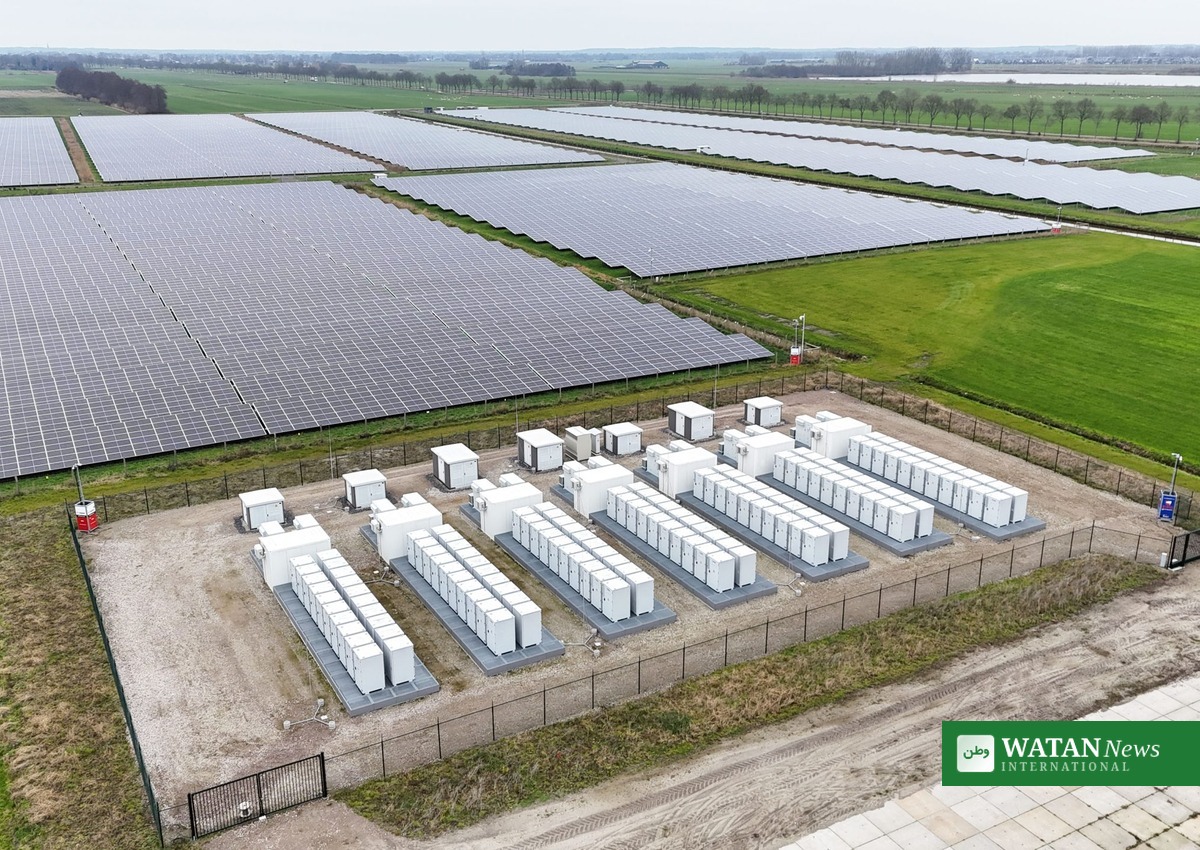
The agreements supported through the Deal Hub in its first year cover about 700 megawatts of solar power, with an indicative combined project value of around $650 million, according to RECAP.
Nauru: moving off diesel
The most striking deal is a 20-year solar and battery agreement to replace Nauru’s diesel generation, at no upfront cost to the country. The agreement follows a memorandum of understanding between Smart Commercial Energy and the Nauru Utilities Corporation for solar and battery electricity supplied below the cost of diesel, with zero upfront capital required from Nauru.
For a small island nation that has long depended on imported diesel, the deal promises cheaper power and freedom from volatile fuel prices — the kind of project the Hub was built to deliver.
Fiji: a cannery cuts diesel
In Fiji, an 887-kilowatt solar system at Pacific Fishing Company’s Levuka cannery will cut diesel use by about 310,000 litres a year, showing how the Hub’s work reaches beyond power grids into industry.
Bangladesh: 650 megawatts of solar
A partnership signed last week in Bangladesh covers 500 megawatts of utility-scale solar and 150 megawatts of commercial rooftop solar — the largest single package in the Hub’s first-year pipeline.
Launched at the Pakistan Pavilion
The launch took place at the Pakistan Pavilion at COP31, with a demonstration of the platform followed by a panel discussion on clean-energy investment in Pakistan and the wider region.
Panellists included Shezra Mansab, State Minister at Pakistan’s Ministry of Climate Change; Nicolette Boele, a member of Australia’s parliament; Grace Tam, Executive Director for Consumer Energy Resources at the Clean Energy Finance Corporation; John Cotton, Director of the Energy Transition Partnership at the UN Office for Project Services; and Yuan Fang, Managing Partner for Global Partnerships at RECAP. John Grimes moderated the discussion.
RECAP works to speed up renewable energy deployment across Asia-Pacific by strengthening national industry associations, helping governments remove barriers to investment, and connecting projects with the companies, finance and expertise needed to deliver them.
A busy week for clean-energy money at COP31
The Deal Hub launch came a day after the European Bank for Reconstruction and Development (EBRD) announced it would invest $6 billion over the next five years in Türkiye’s new Renewable Energy Acceleration and Clean Transition Platform, known as REACT.
Launched at COP31, REACT aims to mobilise $300 billion in public and private investment by 2040 across renewable generation, transmission networks, energy storage, manufacturing and electrification, and to help Türkiye reach 175 gigawatts of installed wind and solar capacity by 2040. The $300 billion figure is a mobilisation target, not money already committed.
The announcements build on the finance push already seen at COP31: a finance coalition and utilities pledged $156 billion a year for electrification, under the COP31 Presidency’s drive to raise electricity’s share of global final energy use to 35 per cent by 2035.
Key facts
- The Clean Energy Deal Hub was launched at COP31 in Antalya on 12 November 2026 by the Renewable Energy Council Asia-Pacific (RECAP).
- In its first year the Hub has supported seven agreements in seven countries, covering about 700 megawatts of solar power with an indicative combined project value of around $650 million.
- Nauru signed a 20-year solar and battery agreement to replace diesel generation at no upfront cost to the country.
- In Fiji, an 887-kilowatt solar system at the Pacific Fishing Company’s Levuka cannery will cut diesel use by about 310,000 litres a year.
- A partnership signed last week in Bangladesh covers 500 megawatts of utility-scale solar and 150 megawatts of commercial rooftop solar.
- The Hub has run facilitation sessions since April in Dhaka, Sydney, Beijing, Ho Chi Minh City and Nadi.
- The EBRD will invest $6 billion over five years in Türkiye’s REACT platform, which aims to mobilise $300 billion by 2040 and reach 175 gigawatts of wind and solar capacity by 2040.
Frequently asked questions
What is the Clean Energy Deal Hub?
It is an online platform launched at COP31 on 12 November 2026 by the Renewable Energy Council Asia-Pacific. It records clean-energy deals signed and in progress, lists suppliers, builders and financiers, and gives governments, developers and investors a single point of contact with RECAP’s Deal Hub team.
What has the Hub achieved so far?
In its first year it has supported seven agreements in seven countries, covering about 700 megawatts of solar power with an indicative combined project value of around $650 million. Its team has run facilitation sessions in Dhaka, Sydney, Beijing, Ho Chi Minh City and Nadi since April.
What does the Nauru deal involve?
A 20-year solar and battery agreement to replace Nauru’s diesel generation, at no upfront cost to the country. It follows a memorandum of understanding between Smart Commercial Energy and the Nauru Utilities Corporation for solar and battery electricity supplied below the cost of diesel.
What are the Fiji and Bangladesh deals?
In Fiji, an 887-kilowatt solar system at Pacific Fishing Company’s Levuka cannery will cut diesel use by about 310,000 litres a year. In Bangladesh, a partnership signed last week covers 500 megawatts of utility-scale solar and 150 megawatts of commercial rooftop solar.
What else was announced for clean energy at COP31 this week?
The European Bank for Reconstruction and Development will invest $6 billion over five years in Türkiye’s REACT platform, which aims to mobilise $300 billion by 2040 and help Türkiye reach 175 gigawatts of wind and solar capacity by 2040. Earlier in the week, a finance coalition and utilities pledged $156 billion a year for electrification.
Author

usmanch0013@gmail.com
Related Posts

Ukraine’s HIMERA Battlefield Radios Put Through Their Paces in Portugal
- 0
- 488 words
Ukraine's HIMERA tactical communications system has completed two weeks of field trials with troops in Portugal, with the company reporting a steady...
Read out all
COP31 Launches Climate Implementation Bridge, Pakistan Among First Pilot Countries
- 0
- 650 words
COP31 has launched the Climate Implementation Bridge (BRIDGE) in Antalya, matching country climate plans with finance and partners. Pakistan is among the...
Read out all
Henry’s Six-Wicket Blitz Powers New Zealand to 244-Run Rout of India
- 0
- 550 words
Matt Henry took a career-best six for 27 and Will Young hit a career-best 125 as New Zealand thrashed India by 244...
Read out all
COP31 Business Forum Puts AI at the Heart of the Green Transformation
- 0
- 624 words
Artificial intelligence took centre stage at the COP31 Business Forum in Antalya on Friday, as two 'New Technologies' panel discussions examined climate...
Read out all
COP31: Fjorten lande underskriver Antalya-erklæringen om at vokse kulstofmarkederne til 21 milliarder dollar i 2035
- 0
- 1,379 word
Fjorten lande har underskrevet Antalya-erklæringen ved COP31, der skal vokse markedet for kulstofkreditter af høj integritet til 21 milliarder dollar i 2035.
Read out all
کاپ31: چودہ ممالک نے کاربن مارکیٹس کو 2035 تک 21 ارب ڈالر تک بڑھانے کے انتالیا اعلامیے پر دستخط کر دیے
کاپ31 میں چودہ ممالک نے انتالیا اعلامیے پر دستخط کیے ہیں، جس کے تحت اعلیٰ معیار کے کاربن کریڈٹس کی منڈی کو...
Read out all