- 0
- 488 words
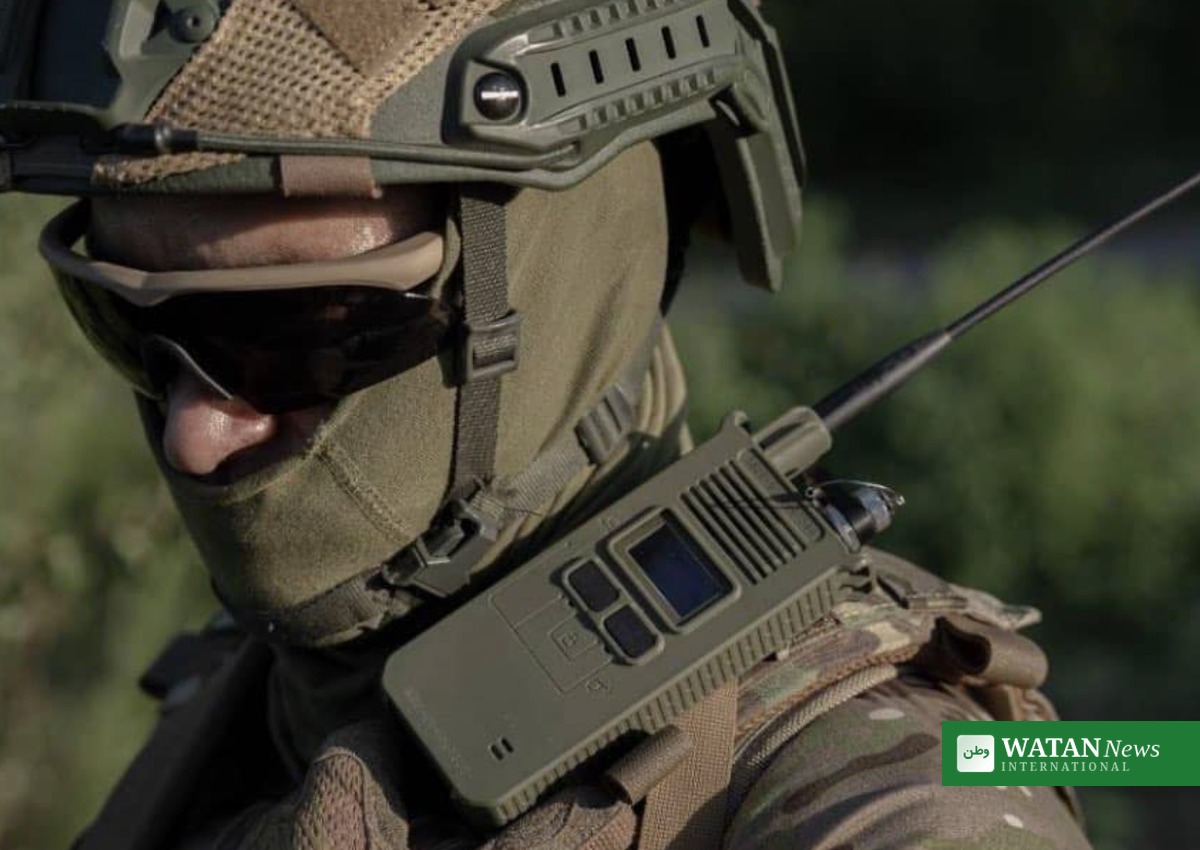
Ukraine’s HIMERA battlefield communications system has completed two weeks of field trials with troops in Portugal, in a test the Kyiv-based company says showed its radios can hold a steady link across 11 kilometres and pass targeting data to artillery.
The trials took place during ARTEX 2026, the Portuguese Army’s annual technology exercise, at the Santa Margarida Military Training Area in central Portugal from late September into October. This year’s exercise ran together with HEDI OPEX, the European Defence Agency’s field-testing campaign for emerging military technology.
FAKTA
- The system: HIMERA G1 PRO handheld radios with B1 and R1 repeaters, built to keep working under heavy electronic jamming.
- The test: Two weeks at ARTEX 2026 in Santa Margarida — standalone technical checks first, then tactical exercises with a mechanised infantry unit.
- The headline result: The company says its repeaters held a stable link over about 11 kilometres and carried coordinates for artillery fire correction.
- The company: HIMERA was founded in Kyiv in 2022, after Russia’s full-scale invasion. Its radios use AES-256 encryption, frequency hopping and mesh networking.
- The wider project: HIMERA and Denmark’s GomSpace launched the OBRIA NANO test satellite on 1 October 2026 aboard a SpaceX Transporter-18 mission, a first step towards an independent Ukrainian communications network.
- The caveat: The results come from the company itself. They have not been independently verified, and the Portuguese Army has not published its own assessment.
How the trials ran
Military teams first inspected the equipment on its own, then put it to work in tactical exercises alongside a mechanised infantry unit.
Soldiers used the G1 PRO handsets and the repeaters to keep tactical radio networks running through the exercises. According to HIMERA, it carried coordinates for artillery fire correction and kept communications running for every user on the networks. The company says troops learned the devices quickly and gave positive feedback, with some keen to use them in their own units.
Why secure radios matter for Ukraine
For Ukraine’s armed forces, reliable battlefield communications are a frontline necessity. Russian forces heavily jam radio links, and HIMERA’s equipment was designed for exactly that environment, with mesh networking letting each radio pass messages along for the others.
The trials also point to a broader push for communications Ukraine controls itself. HIMERA is also working with GomSpace on the OBRIA project, whose first test satellite went into orbit on 1 October 2026. The aim is a future network under Ukrainian control, less reliant on foreign satellite services disrupted during the war. For more international coverage, visit Watan News.
What is not yet confirmed
The Portugal results, as reported, come from HIMERA itself, and independent confirmation is still missing. The Portuguese Army has not released its own findings from the exercise, so the trials are best read as a promising demonstration rather than a procurement decision. Whether other European armies follow suit and take the system into service will be the real test of HIMERA’s pitch.
Author

usmanch0013@gmail.com
Related Posts

COP31 Green Zone Reopens to the Public as Finance and Trade Day Puts Sustainable Living in Focus
- 0
- 799 words
The COP31 Green Zone reopened to the public in Antalya on Friday 13 November after closing for the World Leaders Summit, with...
Read out all
US Shoots Down Two Iranian Drones Headed for Bahrain as Tehran Claims Radar Strike
- 0
- 633 words
US forces shot down two Iranian attack drones headed for Bahrain, CENTCOM said on Friday, disputing Tehran's claim that it destroyed a...
Read out all
Russia Reportedly Seeks Finland’s NATO Exit in Abu Dhabi Peace Talks
- 0
- 500 words
Bild reports Russian negotiators in Abu Dhabi put forward demands including Finland leaving NATO, a ban on alliance bases in the Baltic...
Read out all
UN Chief Guterres Holds Press Conference at COP31 as Finance Day Ends
- 0
- 1,016 word
United Nations Secretary-General António Guterres held a press conference at COP31 in Antalya on Friday, closing his final day at the conference...
Read out all
Germany Pledges €200 Million in Winter Aid for Ukraine
- 0
- 455 words
Germany has announced an extra €200 million ($221 million) in winter aid to help Ukraine keep electricity, heating and water running as...
Read out all
Türkiye and China Sign $15 Billion Renewable Energy Deal at COP31
- 0
- 1,104 word
Türkiye and China signed a $15 billion renewable energy agreement at COP31 in Antalya, covering 7 GW of solar and wind, energy...
Read out all