- 0
- 1,453 word
ANTALYA: The Environmental Defense Fund (EDF) and energy research organisation RMI launched the Maritime Electrification Breakthrough Goal at COP31 in Antalya on 10 November, setting a target for electricity to meet at least 20 per cent of international shipping’s final energy demand by 2035.
The goal was announced at a COP31 session co-developed by RMI, the World Resources Institute (WRI) and EDF, and moderated by RMI’s Pablo Muñoz. More than 30 maritime organisations have backed it, including the Port of Long Beach, the Zero Emission Maritime Buyers Alliance (ZEMBA), the Maritime Battery Forum, the European Onshore Power Supply Association (EOPSA) and WRI. It is a voluntary industry initiative, not a regulation — a distinction that matters, because the International Maritime Organization (IMO) postponed adoption of its Net-Zero Framework in October 2025.
What the 20% goal means
International shipping’s final energy demand is currently estimated at about 10 exajoules (EJ), almost all of it supplied by fossil fuels burned in internal combustion engines. The new goal calls for electricity to supply at least 20 per cent of that demand by 2035 — about 2 EJ, or roughly 556 terawatt-hours of electricity a year, which is roughly six years of average annual electricity consumption in the United Kingdom.
The 20 per cent figure does not mean that a fifth of the world’s ships must become fully electric. It means that electricity — used directly by vessels and supplied to ships at berth through onshore power supply — should meet at least a fifth of international shipping’s final energy use. Electricity used by domestic shipping, port and terminal operations, landside freight or the production of renewable fuels such as green methanol and green ammonia is not counted in the target.

Why maritime electrification, and why now
The shipping goal sits inside COP31’s wider electrification ambition. The COP31 Presidency has set a goal of raising electricity’s share of global final energy demand from just over 20 per cent to 35 per cent by 2035 — the “35 by 35” ambition — to cut dependence on fossil fuels and speed the energy transition across sectors. Shipping, which still runs overwhelmingly on fossil fuel, is one of the hardest sectors to electrify, and the new goal gives it a specific target inside that broader agenda.
The timing also reflects the gap left by regulation. The IMO, the United Nations agency for international shipping, agreed its 2023 greenhouse gas strategy, but its proposed Net-Zero Framework — which would combine fuel-intensity requirements with an economic mechanism — was postponed in October 2025. The COP31 goal is designed to move investment and infrastructure forward while governments work on the regulatory framework. The aviation sector faces similar cost questions: sustainable aviation fuel still costs far more than conventional jet fuel, and shipping’s transition faces the same economics.
How shipping gets to 20%
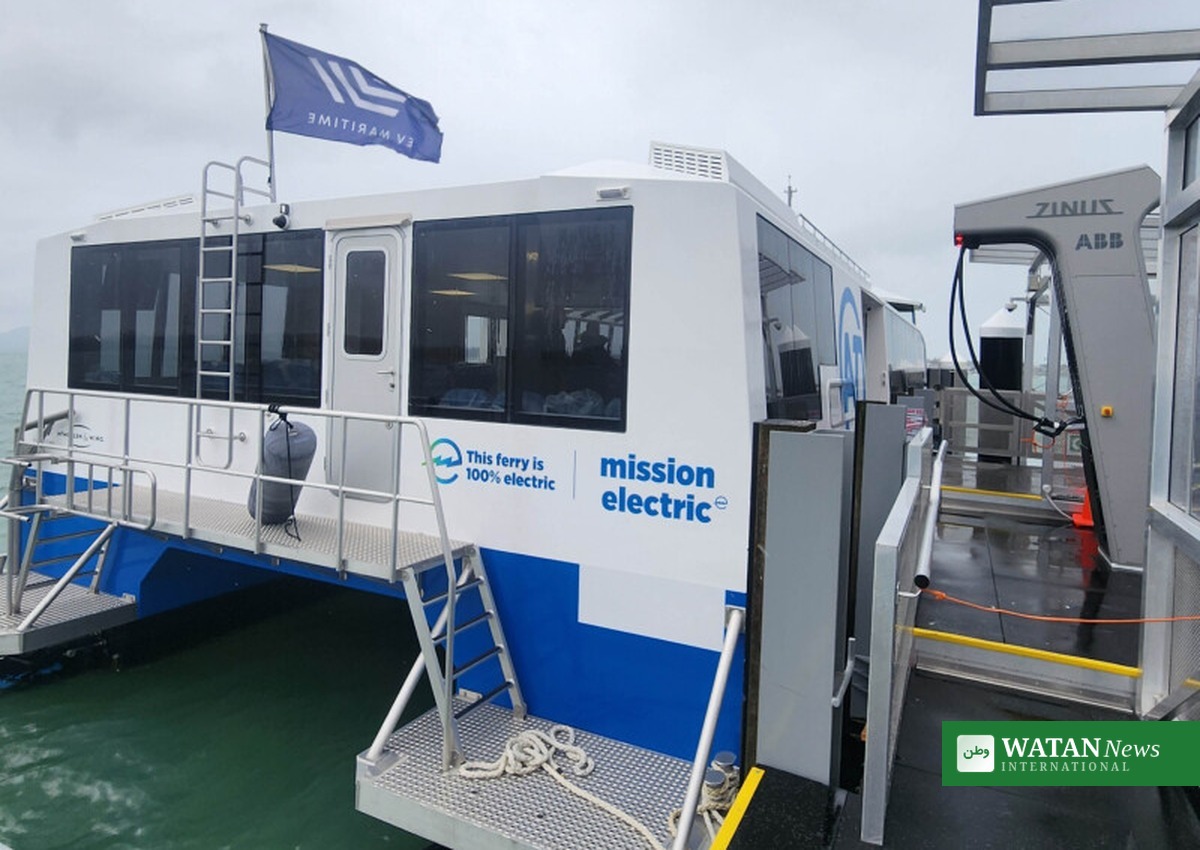
The coalition identifies three main pathways: expanding onshore power supply at ports, increasing the number of battery-electric and hybrid vessels, and electrifying cargo-handling equipment and other port operations.
The starting point is better than many assume. According to Maritime Battery Forum data cited in the initiative, more than 1,600 battery-powered vessels were already operating worldwide as of 7 November 2026, including fully electric and hybrid ships. Research cited in the goal document estimates that vessel segments accounting for about 30 per cent of maritime energy consumption could be technically electrified by 2030 — and that electrification could be economically advantageous for about 90 per cent of that technically electrifiable fleet. The caveat is important: batteries suit vessels on shorter, relatively fixed routes with frequent port calls, while large oceangoing ships still face limits on battery capacity, range and charging infrastructure.
Shore power is the second big lever. Research cited in the initiative estimates that about 10 per cent of international shipping’s greenhouse gas emissions occur within port areas. Replacing onboard fuel-based electricity generation with shore power during port stays cuts both greenhouse gases and air pollutants. Under favourable conditions, direct electrification of shipping and port energy use could reduce greenhouse gas emissions by up to about 98 per cent — though the real figure depends on how clean the electricity at the charging point is.
What the backers promised
The more than 30 supporting organisations have made five commitments: sharing technical knowledge and project findings; joining public-private platforms, pilot projects and demonstrations; supporting skills development and training for seafarers and port workers whose roles may change; working with financial institutions to improve access to capital for large-scale electrification infrastructure; and reviewing progress annually until 2035, including better data collection and baselines.
They have also urged IMO member states to adopt progressive climate measures in 2026 that support the IMO’s 2023 greenhouse gas strategy, and called on governments to include maritime electrification in their Nationally Determined Contributions (NDCs) and in the Second Global Stocktake.
A working example at COP31
COP31 also showcased a concrete example. The Clean Energy Marine Hubs initiative (CEM-Hubs) brought the retrofit of the AET Innovator, a lightering support vessel, to Antalya: shipowner AET and battery company Fleetzero are fitting it with plug-in hybrid-electric propulsion. When it enters commercial service in the United States in December, it is expected to become the world’s longest-range plug-in battery-hybrid vessel. AET estimates the set-up could cut greenhouse gas emissions by about 82 per cent on a tank-to-wake basis compared with a conventional vessel — about 1,220 tonnes of greenhouse gases avoided a year.
Long-haul shipping will still need liquid fuels, and producing renewable fuels such as green hydrogen and green ammonia will itself require large amounts of renewable electricity. Research by the International Chamber of Shipping suggests that reaching net-zero shipping by or around 2050 could require up to 3,000 terawatt-hours of renewable electricity a year. Direct electrification and renewable marine fuels are therefore two connected pathways, not rivals.
Key facts
- Launched: 10 November 2026, at COP31 in Antalya, Türkiye, by the Environmental Defense Fund (EDF) and RMI.
- Target: electricity to meet at least 20 per cent of international shipping’s final energy demand by 2035 — about 2 exajoules, or 556 terawatt-hours.
- Backers: more than 30 maritime organisations, including the Port of Long Beach, ZEMBA, the Maritime Battery Forum, EOPSA and the World Resources Institute.
- Context: part of COP31’s “35 by 35” ambition — electricity’s share of global final energy demand rising from just over 20 per cent to 35 per cent by 2035.
- Today: more than 1,600 battery-powered vessels operating worldwide as of 7 November 2026; shipping’s final energy demand is about 10 exajoules.
- Potential: direct electrification of shipping and port energy use could cut greenhouse gas emissions by up to about 98 per cent under favourable conditions, depending on grid carbon intensity.
- Form: a voluntary industry initiative — not an IMO regulation; the IMO postponed adoption of its Net-Zero Framework in October 2025.
The goal will be reviewed annually until 2035. Whether it is met will depend less on the technology — batteries and shore power already work — than on ports, grids and shipowners investing together, and on governments giving the clear policy signals the coalition is asking for. COP31’s tourism discussions continue the same week: the official Tourism Thematic Day on 18 November marks five years of the Glasgow Declaration on Climate Action in Tourism.
Frequently asked questions
What is the Maritime Electrification Breakthrough Goal?
It is a voluntary initiative launched by the Environmental Defense Fund and RMI at COP31 in Antalya on 10 November 2026, backed by more than 30 maritime organisations. It calls for electricity to meet at least 20 per cent of international shipping’s final energy demand by 2035 — about 2 exajoules, or 556 terawatt-hours, of electricity a year.
Does 20% mean a fifth of all ships must be electric?
No. The target measures energy, not ships: electricity should directly meet at least 20 per cent of international shipping’s final energy consumption, through battery-powered vessels and shore power supplied to ships at berth. Domestic shipping, port and terminal operations, landside freight and renewable-fuel production are excluded from the calculation.
How many electric ships already exist?
According to Maritime Battery Forum data cited in the initiative, more than 1,600 battery-powered vessels were operating worldwide as of 7 November 2026, including fully electric and hybrid ships. Research cited in the goal estimates that vessel segments covering about 30 per cent of maritime energy consumption could be technically electrified by 2030.
How much can electrification cut shipping emissions?
Under favourable conditions, direct electrification of shipping and port energy use could reduce greenhouse gas emissions by up to about 98 per cent, while also cutting particulate matter, nitrogen oxides and sulphur oxides. The actual reduction depends on the carbon intensity of the local electricity grid — the cleaner the grid, the bigger the gain.
Is the goal legally binding?
No. It is a voluntary industry initiative, unlike the International Maritime Organization’s mandatory regulations. The coalition has urged IMO member states to adopt progressive climate measures in 2026 supporting the IMO’s 2023 greenhouse gas strategy, and to include maritime electrification in their climate plans (NDCs) and the Second Global Stocktake. Progress towards the 2035 target will be reviewed annually.
Author

usmanch0013@gmail.com
Related Posts
COP31 sætter mål: 20 pct. el i skibsfarten i 2035
- 0
- 1,436 word
På COP31 i Antalya lancerede Environmental Defense Fund og RMI et mål om, at el skal dække mindst 20 pct. af den...
Read out all
کاپ31: عالمی جہاز رانی میں بجلی کا حصہ 2035 تک 20 فیصد کرنے کا ہدف مقرر
انطالیہ میں کاپ31 کے موقع پر ماحولیاتی دفاعی فنڈ اور آر ایم آئی نے ایک ہدف پیش کیا ہے جس کے تحت...
Read out all
Cape Verde’s José Maria Neves Wins Re-election as President
- 0
- 484 words
Cape Verde's President José Maria Neves has won re-election with 63.8 per cent of the vote, according to provisional results from the...
Read out all
Indonesien lancerer skovkulstofhandel over 38,6 millioner hektar ved COP31
- 0
- 1,591 word
Ved COP31 i Antalya lancerede Indonesien et provinsielt skovkulstofprogram over 38,6 millioner hektar, modtog 100 millioner dollars fra Norge for verificerede emissionsreduktioner...
Read out all
کاپ31 میں انڈونیشیا کا جنگلات کاربن تجارتی پروگرام: 38.6 ملین ہیکٹر پر محیط نو صوبے
کاپ31 میں انڈونیشیا نے 38.6 ملین ہیکٹر جنگلات پر محیط صوبائی جنگلات کاربن تجارتی پروگرام شروع کیا، ناروے نے تصدیق شدہ اخراج...
Read out all
Indonesia Launches Forest Carbon Trading Across 38.6 Million Hectares at COP31
- 0
- 1,656 word
At COP31 in Antalya, Indonesia launched a provincial forest carbon trading programme covering 38.6 million hectares, won a $100 million results-based payment...
Read out all