- 0
- 484 words
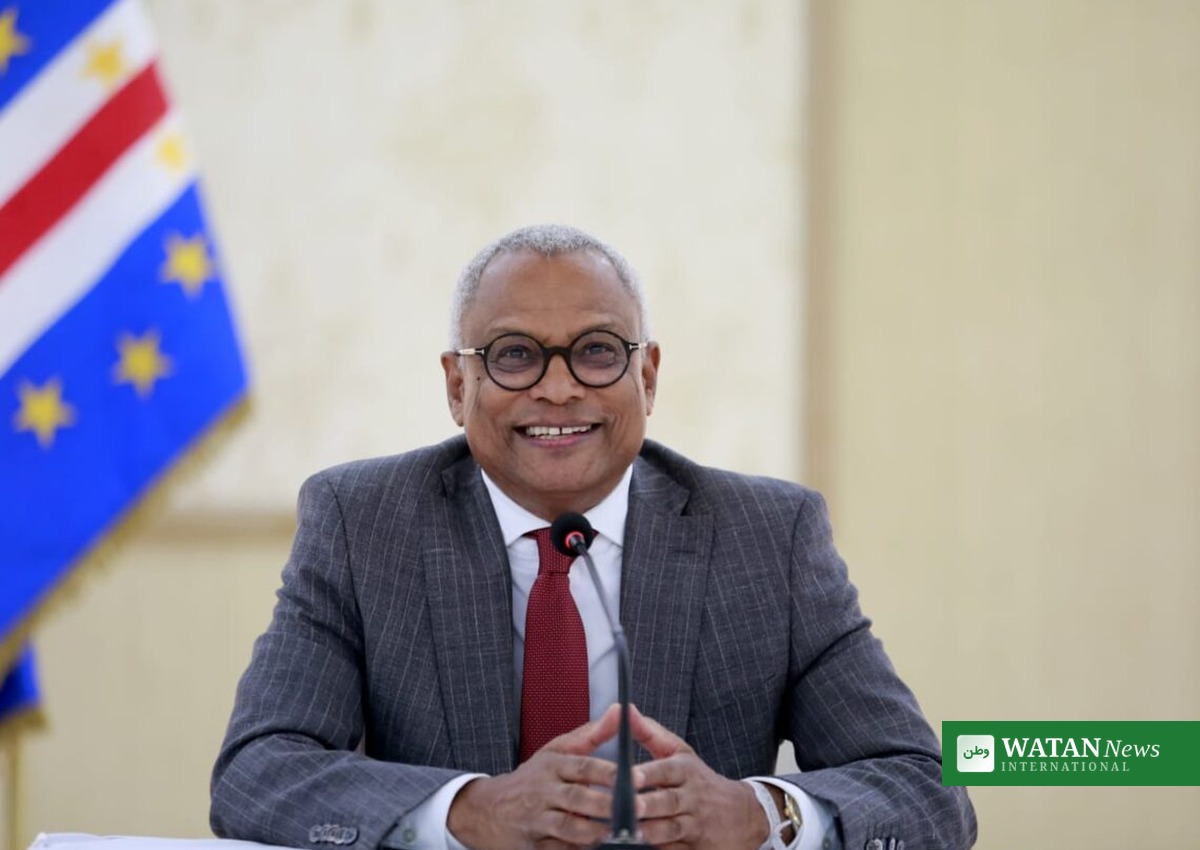
Cape Verde’s President José Maria Neves has won a second term in office, after provisional results gave the 66-year-old incumbent 63.8 per cent of the vote in Sunday’s presidential election.
Neves, who went into the vote as the clear favourite, secured a first-round victory, according to provisional results from the country’s electoral commission, comfortably clearing the 50 per cent threshold needed to avoid a run-off on 29 November.
FAKTA
- Winner: José Maria Neves, 66, the incumbent president
- Vote share: 63.8 per cent of ballots cast, provisional results
- Main challenger: Joana Rosa Amado, 61, a lawyer and former justice minister of the Movement for Democracy — the first woman to run for president in Cape Verde
- Candidates: six in total
- Eligible voters: nearly 420,000
- Observers: about 150 from ECOWAS, the African Union and the European Union
Neves re-elected in Cape Verde
Neves was first elected president in 2021, when he won about 52 per cent of the vote. Before that, he served as prime minister for 15 years, from 2001 to 2016, and led the African Party for the Independence of Cape Verde (PAICV), the country’s oldest political party. He has also served as a mayor and a lawmaker.
His party won legislative elections in May, taking 37 of the 72 seats in parliament and allowing Francisco Carvalho to become prime minister. Neves told voters during the campaign that his second-term goals would include a “Youth Convention” focused on jobs and a forum to set development priorities through to 2050.
“In these times of international uncertainty, it is essential that Cape Verde continues to have a patriotic, experienced president capable of inspiring Cape Verdeans,” he said at a rally during the campaign.
A model democracy facing familiar challenges
Unlike several of its West African neighbours, where presidential elections have been tense in recent years, Cape Verde is known for its political stability and good governance, and is considered a model of democracy in Africa. The Mo Ibrahim Foundation’s 2026 index on global governance ranks Cape Verde third out of 54 countries on the continent.
In July, the World Bank classified Cape Verde as an upper-middle-income country, thanks to economic growth driven by tourism. The country still faces persistent challenges, including social inequality, geographic isolation and a lack of affordable travel between its islands, while voters cite the cost of living, fuel prices and youth unemployment among their main concerns.
An island nation in the Atlantic
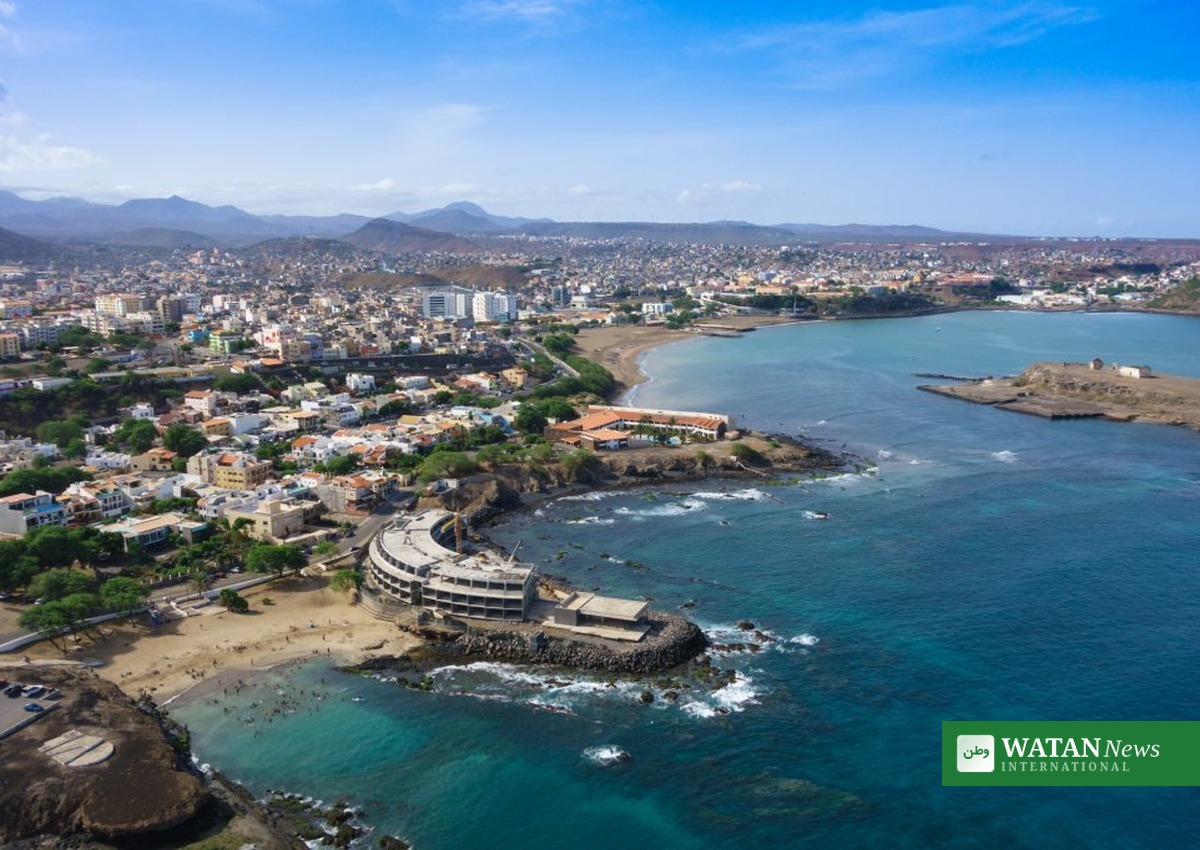
Cape Verde, an archipelago of 10 volcanic islands, lies in the Atlantic Ocean about 600 kilometres off the coast of Senegal and is an increasingly popular tourist destination. The country is known for its “morabeza” — hospitality in the local creole — as well as its openness, carnivals and distinctive music.
The country made world headlines this year when its national football team reached the knockout stages in its first World Cup.
In other African election news, South Sudan’s presidential election has been delayed until February 2027.
Author

usmanch0013@gmail.com
Related Posts
Indonesia Launches Forest Carbon Trading Across 38.6 Million Hectares at COP31
- 0
- 1,656 word
At COP31 in Antalya, Indonesia launched a provincial forest carbon trading programme covering 38.6 million hectares, won a $100 million results-based payment...
Read out all
Mexican Journalist Eduardo Flores Salado Found Dead in Acapulco
- 0
- 694 words
Mexican journalist Eduardo Flores Salado was found dead on the outskirts of Acapulco on Saturday night. State prosecutors have opened a murder...
Read out all
COP31: Greenpeace Trojan Horse Puts Plastics Treaty Back on the Agenda as Final Talks Near
- 0
- 1,367 word
A six-metre wooden Trojan Horse spilling plastic waste stood in Konyaalti, Antalya, on 13 November as Greenpeace pressed COP31 for a strong...
Read out all
COP31: Africa’s Push to Triple Adaptation Finance Stalls as Draft Offers a Review Instead of a Pledge
- 0
- 1,346 word
Ministers open COP31's second week with adaptation finance unresolved: a draft text offers tripling to at least $120 billion a year by...
Read out all
Zelensky Says US Raised Donbas Withdrawal for NATO Membership as Ukraine Launches Record Drone Attack
- 0
- 1,146 word
President Volodymyr Zelensky says American negotiators raised the idea of Ukraine withdrawing from Donbas in exchange for NATO membership. The United States...
Read out all
Tearful Phil Collins Steals the Show as Rock Hall Welcomes Class of 2026
- 0
- 958 words
Phil Collins wept as he accepted his solo Rock & Roll Hall of Fame honour in Los Angeles, where Oprah Winfrey inducted...
Read out all