- 0
- 1,119 word
COP31 has launched a new voluntary platform to stop climate, nature and land action from working in isolation. The Rio Synergies Group for Action was launched on 17 November in Antalya, bringing the three Rio Conventions under one country-led effort to turn shared promises into practical projects.
The launch took place during the COP31 High-Level Dialogue in Special Event Room 1 (Uzungöl), from 13:00 to 15:00 local time. It is one of the clearest results so far of the Türkiye COP31 Presidency’s Action Agenda, which treats the links between climate, biodiversity and land as a priority in their own right.
What the new group will do
The group is a voluntary, country-led platform. It gives countries a place to showcase actions that serve climate, biodiversity and land goals at the same time, and connects national priorities with technical expertise, partnerships and finance.
Countries keep responsibility for their own actions, and sharing progress is voluntary, based where possible on information already available through national processes. The group creates no new international obligations and no new reporting duties.
The aim is simple, in the words of the organisers: connect countries and partners so that Rio Synergies become action, strengthen political leadership, encourage peer learning and open the way to implementation support.
Three conventions, one joined-up effort
The three Rio Conventions — the UN Framework Convention on Climate Change (UNFCCC), the Convention on Biological Diversity (CBD) and the UN Convention to Combat Desertification (UNCCD) — were adopted at the 1992 Earth Summit in Rio de Janeiro. For more than three decades they have largely been negotiated and implemented separately, even though climate change, biodiversity loss and land degradation share the same drivers.
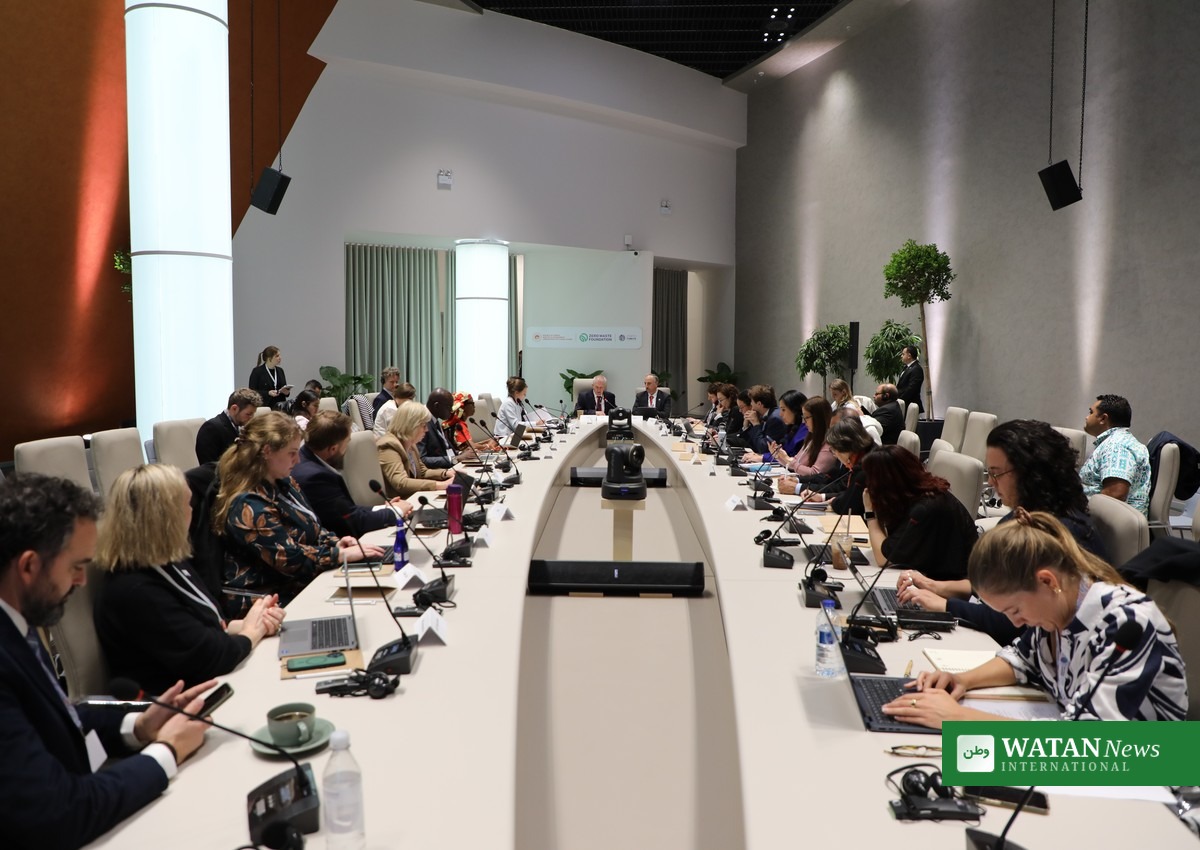
The Antalya launch follows a year of preparation: a Strategic Antalya Dialogue in May, a technical dialogue at UNCCD COP17 in Ulaanbaatar in August, and a technical dialogue and implementation workshop at CBD COP17 in Yerevan in October. Parallel high-level dialogues at all three COPs, hosted jointly by their presidencies, built the political momentum behind the group.
Champions at the centre
The group was co-convened by the Türkiye COP31 Presidency, the G20 Global Land Initiative at the UNCCD, IUCN, the ENACT Partnership, the Synergies Collaboration Platform and the Climate High-Level Champions.
The champions — Samed Ağırbaş for COP31 and Dan Ioschpe for COP30 — mobilise action from businesses, cities, regions and civil society to support governments in delivering the Paris Agreement. COP31 has already put the ocean and nature at the heart of climate action this week, and the new group carries that same joined-up approach into land and biodiversity.
The launch comes as the champions prepare the mandated High-Level Event of Global Climate Action on 19 November, where they will report on two weeks of delivery across the six axes of the Global Climate Action Agenda. The 2026 Yearbook of Global Climate Action, published by the champions and UN Climate Change as COP31 opened, marked ten years of the Marrakech Partnership.
FAKTA
- Launched: 17 November 2026, COP31 High-Level Dialogue, Antalya
- Co-conveners: Türkiye COP31 Presidency, G20 Global Land Initiative, IUCN, ENACT Partnership, Synergies Collaboration Platform, Climate High-Level Champions
- Nature: voluntary and country-led; no new obligations or reporting duties
- Goal: link climate, biodiversity and land action, and connect national plans with expertise, partnerships and finance
- Next step: a practical implementation roadmap with clear milestones
How countries join
According to the COP31 Presidency’s concept note, a country joins the group by naming a national contact person and bringing at least one nationally determined flagship action — a concrete project that delivers across climate, biodiversity and land goals.
Examples discussed in Antalya included tackling deforestation, aligning forest and ocean priorities, restoring peatlands, and connecting biodiversity and carbon markets so that landholders can earn multiple environmental benefits from the same project.
The barriers it must overcome
Participants in the Antalya dialogue were frank about the obstacles. Separate planning, financing, data and reporting systems across the three conventions create extra burdens for countries, especially those with limited institutional and technical capacity.
Finance was a recurring concern. Participants called for more coherent funding that lets one investment deliver benefits across climate, biodiversity, land and livelihoods, and for stronger direct access to finance for Indigenous Peoples and local communities, whose knowledge and stewardship are essential on the ground.
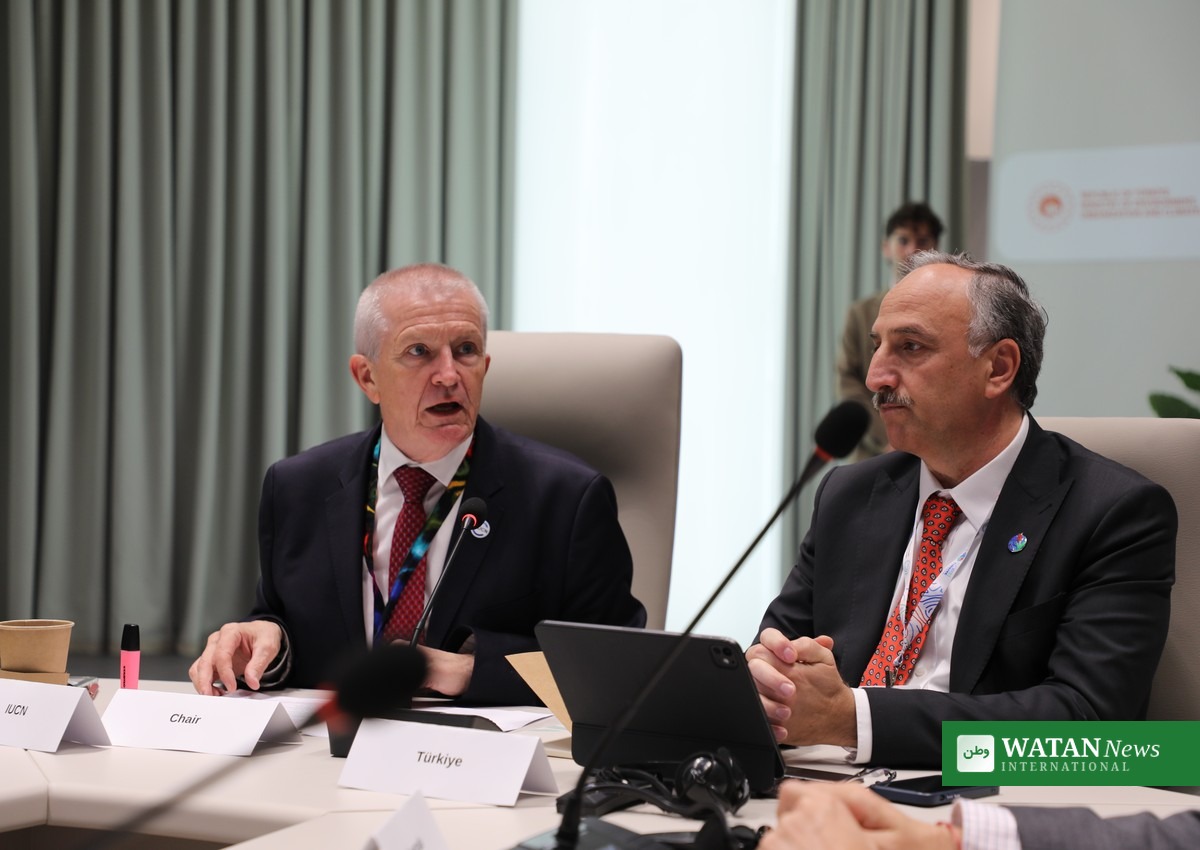
Stewart Maginnis, Deputy Director General of IUCN, who chaired the dialogue series, put it plainly: “We do not need new institutions or negotiation tracks, we need practical implementation – and practical ways to link existing agendas.”
Prof. Dr. Kasım Yenigün, Director General of the General Directorate of Combatting Desertification and Erosion, representing the Türkiye COP31 Presidency, said: “Our aim is to help countries turn the connections between climate, biodiversity and land into practical, coordinated action.”
What happens next
Partners will now work towards a practical implementation roadmap with clear milestones, responsibilities and opportunities for support, and will engage incoming COP presidencies to keep the momentum going beyond the 2026 triple-COP year.
IUCN will continue supporting the agenda through the ENACT Partnership, a coalition of 27 governments and global non-state partners working to scale up nature-based solutions. The G20 Global Land Initiative, which co-convened the dialogue, aims for a 50 per cent reduction in degraded land by 2040.
As countries work towards the 2030 targets under the Rio Conventions, the message from Antalya was clear: climate change, biodiversity loss and land degradation cannot be solved in isolation. Recognising the connections between them — and turning them into coordinated action — is now part of the COP31 legacy.
Frequently asked questions
What is the Rio Synergies Group for Action?
It is a voluntary, country-led platform launched at COP31 on 17 November 2026. It helps countries coordinate action across the three Rio Conventions — climate, biodiversity and land — and connects national priorities with technical expertise, partnerships and finance.
What are the three Rio Conventions?
They are the UN Framework Convention on Climate Change (UNFCCC), the Convention on Biological Diversity (CBD) and the UN Convention to Combat Desertification (UNCCD). All three were adopted at the 1992 Earth Summit in Rio de Janeiro.
Who is behind the group?
It was co-convened by the Türkiye COP31 Presidency, the G20 Global Land Initiative at the UNCCD, IUCN, the ENACT Partnership, the Synergies Collaboration Platform and the Climate High-Level Champions, Samed Ağırbaş (COP31) and Dan Ioschpe (COP30).
How does a country join the group?
According to the COP31 Presidency’s concept note, a country names a national contact person and brings at least one nationally determined flagship action — a concrete project that delivers across climate, biodiversity and land goals.
What happens next?
Partners will develop a practical implementation roadmap with milestones, and the Climate High-Level Champions will report on delivery at the mandated High-Level Event of Global Climate Action on 19 November. The work is meant to continue beyond the 2026 triple-COP year.
Author

usmanch0013@gmail.com
Related Posts
Italy Passes Disputed Antisemitism Law as Critics Warn of Free-Speech Chill
- 0
- 485 words
Italy's lower house adopted a law enshrining the IHRA definition of antisemitism by 147 votes to 93, as critics warn it could...
Read out all
Category 5 Cyclone Xavier Bears Down on Northern Cook Islands as Shelters Open
- 0
- 576 words
Severe Tropical Cyclone Xavier, a Category 5 storm with winds of about 215 km/h, is bearing down on the Northern Cook Islands,...
Read out all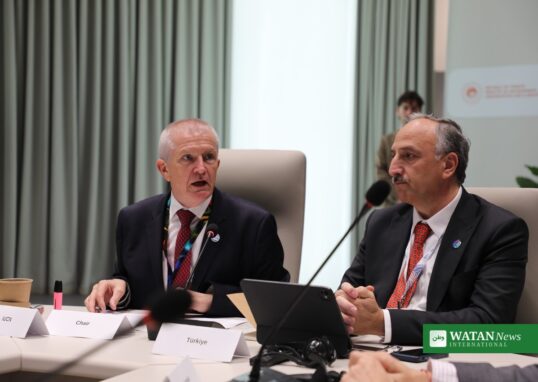
COP31-champions lancerer Rio-synergigruppe for klima, natur og jord
- 0
- 1,153 word
COP31 har lanceret Rio Synergies Group for Action, en frivillig, landeledet platform, der samles af klimaets højniveauchampions for at forbinde klima, biodiversitet...
Read out all
کاپ31 میں چیمپئنز نے موسمیات، فطرت اور زمین کی مشترکہ کارروائی کے لیے ریو سینرجیز گروپ قائم کر دیا
کاپ31 میں ریو سینرجیز گروپ برائے کارروائی کا آغاز کر دیا گیا ہے، جو موسمیاتی اعلیٰ سطحی چیمپئنز کی مشترکہ میزبانی میں...
Read out all
Norway Warns Extremist Threat Is Growing, With Attacks Likely Within a Year
- 0
- 470 words
Norway's security service PST has warned that attempted terrorist attacks are likely within the next year, as the risk from extreme Islamist...
Read out all
Xi and Putin Criticise Western Trade Curbs at APEC Ahead of Trump Meeting
- 0
- 502 words
Chinese President Xi Jinping and Russian President Vladimir Putin criticised Western trade restrictions and sanctions at the APEC summit in Shenzhen, a...
Read out all