- 0
- 485 words
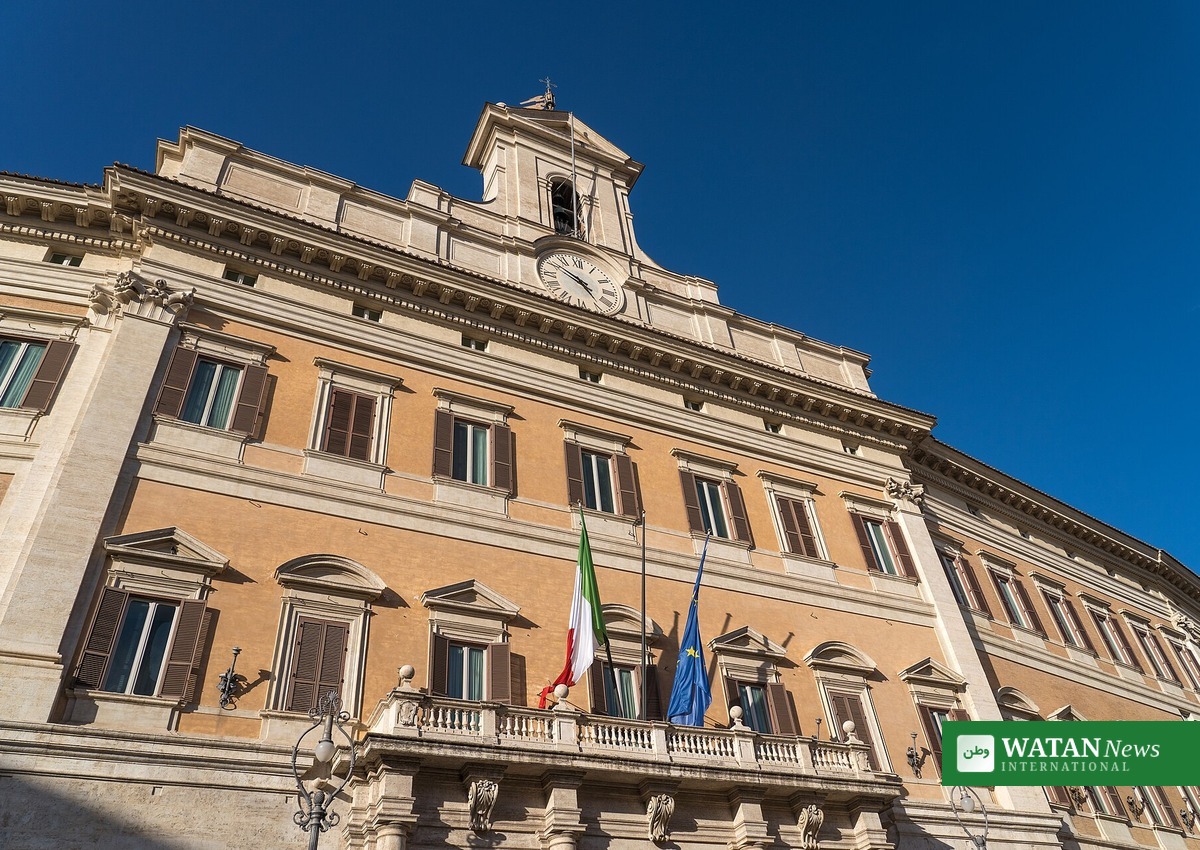
Italy’s parliament has given final approval to a law against antisemitism that has split the country’s politics, after the lower house adopted the measure late on Tuesday by 147 votes to 93. The legislation writes the International Holocaust Remembrance Alliance (IHRA) definition of antisemitism into law, a definition that counts certain criticism of Israel among the examples of antisemitic conduct. Critics warn the move could chill free expression and advocacy for Palestinian rights, while the government of Prime Minister Giorgia Meloni says it is needed to confront rising hatred.
FAKTA
- Vote: Chamber of Deputies, 147 in favour and 93 against, late on Tuesday 18 November 2026
- What the law does: adopts the IHRA definition of antisemitism in Italian law
- Penalties: none — the law carries no fines and no criminal sanctions
- Antisemitic incidents in Italy: 963 recorded in 2025, almost four times the number reported in 2022, according to the CDEC observatory
- Physical attacks: 18 cases in 2025 and 10 in the first six months of 2026
What the Italy antisemitism law does
The new law enshrines the IHRA definition, which lists some forms of criticism of Israel as possible examples of antisemitic conduct. Opponents say that wording could discourage people from speaking out about Israeli policies and from campaigning for Palestinian rights. The government rejects that reading and insists that political criticism remains fully protected.
Angelo Bonelli, co-leader of the Green-Left Alliance, accused the governing right of using the bill to stifle criticism. Paolo Emilio Russo, a lawmaker from the co-ruling Forza Italia party, answered that no one had ever sought to limit freedom of expression and criticism, which he called a cornerstone of democracy.
Divided opposition, welcomed by Jewish community
The Union of Italian Jewish Communities welcomed parliament’s approval. Its president, Livia Ottolenghi, said the law would strengthen the democratic defences of Italian civil society, and that the fight against antisemitism was a battle for society as a whole.
The opposition was divided. A small group of lawmakers from the main opposition Democratic Party abstained, defying their leadership’s call to vote against the bill. The party has condemned violence in Gaza but is less outspoken than its allies, the Five Star Movement and the Green-Left Alliance, both of which have accused Israel of genocide, an allegation Israel rejects.
Why the debate is so heated
Italy has seen a surge in pro-Palestinian activism since the war in Gaza began, following the Hamas-led attacks on Israel on 7 October 2023. Left-wing parties have broadly backed those movements, while the government has accused some demonstrators of fomenting disorder. Supporters point to a sharp rise in antisemitic incidents since the war began, with the CDEC observatory recording 963 cases in 2025, almost four times the 2022 figure.
Opposition parties repeatedly urged the government to amend the definition before the vote. Their appeals went unheeded, and the law now stands as Italy’s most contested statement yet on where the line falls between fighting hatred and free speech. Read more on Watan News.
Author

usmanch0013@gmail.com
Related Posts

Category 5 Cyclone Xavier Bears Down on Northern Cook Islands as Shelters Open
- 0
- 576 words
Severe Tropical Cyclone Xavier, a Category 5 storm with winds of about 215 km/h, is bearing down on the Northern Cook Islands,...
Read out all
COP31 Champions Launch Rio Synergies Group to Unite Climate, Nature and Land Action
- 0
- 1,119 word
COP31 has launched the Rio Synergies Group for Action, a voluntary, country-led platform co-convened by the Climate High-Level Champions to link climate,...
Read out all
Norway Warns Extremist Threat Is Growing, With Attacks Likely Within a Year
- 0
- 470 words
Norway's security service PST has warned that attempted terrorist attacks are likely within the next year, as the risk from extreme Islamist...
Read out all
Xi and Putin Criticise Western Trade Curbs at APEC Ahead of Trump Meeting
- 0
- 502 words
Chinese President Xi Jinping and Russian President Vladimir Putin criticised Western trade restrictions and sanctions at the APEC summit in Shenzhen, a...
Read out all
Trump and Marcos Expand US-Philippine Defence Ties at Manila Meeting
- 0
- 813 words
US President Donald Trump and Philippine President Ferdinand Marcos Jr. expanded defence cooperation in Manila, announcing more than $5 billion in arms...
Read out all
COP31 Industry Day: India and Sweden Launch LeadIT 3.0 to Scale Green Steel, Cement and Transport
- 0
- 1,016 word
India and Sweden launched LeadIT 3.0 at COP31 in Antalya on 17 November, moving the industry-transition platform from partnerships to large-scale low-carbon...
Read out all