- 0
- 1,427 word
Antalya, Türkiye — While COP31 negotiators in Antalya worked into overtime over the final climate text, the conference delivered concrete action for the ocean: the Global Fund for Coral Reefs announced more than US$30 million in new funding to protect coral reefs across 22 developing countries, and reports from the summit say six more nations joined a pledge to safeguard the reefs most likely to survive warming seas.
The funding package was announced on 17 November, on COP31’s Ocean Day, by the UN-backed Global Fund for Coral Reefs (GFCR). It brings together new government commitments, money for frontline conservation work and new financing tools designed to unlock capital for reef-friendly businesses and coastal communities.
What was announced at COP31
The package combines more than US$10 million in new investments approved by the fund’s Executive Board with more than US$20 million in new and renewed commitments from governments. The United Kingdom announced a further £11.8 million through its Blue Planet Fund, Germany renewed its support, and Ireland joined the fund as a new state partner and Executive Board member.
“We are racing against time to protect coral reefs from climate change, pollution and other pressures. Yet they can and do recover when we invest decisively in their protection and restoration,” said Inger Andersen, Executive Director of the United Nations Environment Programme (UNEP).
The fund also welcomed the Outrigger Impact Fund as a new investment partner. The partnership aims to expand finance for reef-friendly businesses and climate-adaptation solutions across Pacific small island developing states, working towards a US$100 million target, with at least a quarter of the capital to be invested in reef-positive businesses in the Pacific.
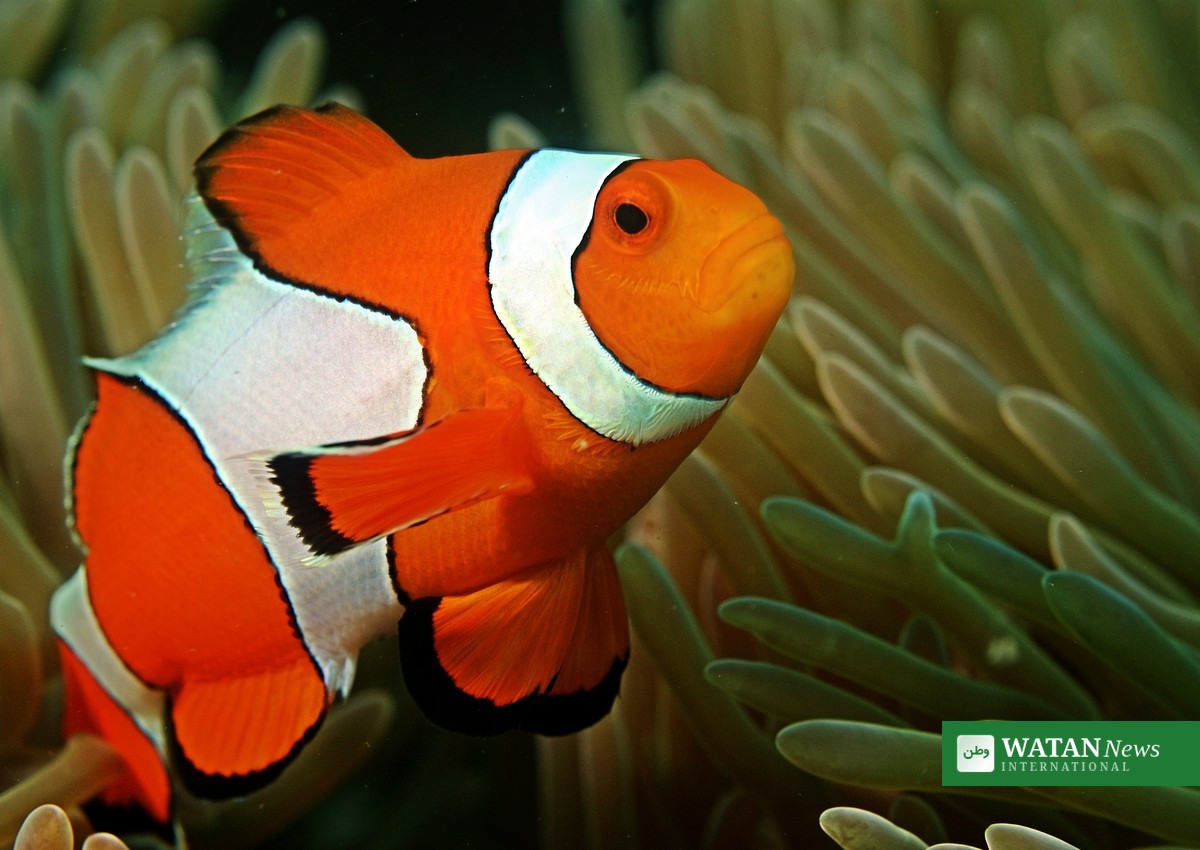
Where the coral reef money will go
The new investments target coral refugia — the reefs with the greatest potential to remain resilient as the climate changes — and the communities that depend on them:
- Mesoamerican Reef: In Mexico, Belize, Guatemala and Honduras, the MAR Fund will expand reef-positive finance across 18 priority sites, including a Clean Water Fund for wastewater treatment and guaranteed loans and insurance for small-scale fishers. The investments are positioned to mobilise a further US$12 million in blended finance.
- Indonesia: The Biru Fund will expand recoverable grants for reef-positive shrimp, seaweed, fisheries and waste-management enterprises, and build self-financing mechanisms for priority marine protected areas that hold a significant share of the world’s refugia.
- Philippines: The Blue Alliance will expand marine protected area networks spanning nearly one million hectares across Mindoro and Northeast Palawan, benefiting more than 1.1 million people in local communities.
- Tanzania: In Zanzibar, the Blue Alliance aims to close the financing gap for the Pemba Channel Conservation Area and establish a second large conservation area, with adaptation benefits for 21,000 coastal community members.
- Pacific islands: In Fiji, a Blue Lending Facility is now operational with the Fiji Development Bank, UNDP and the UN Capital Development Fund. In Solomon Islands, a new Blue Economy Financing Facility pairs concessional loans with technical support, and in Papua New Guinea a reef-positive lending programme has already provided concessional loans to more than 50 reef-positive businesses.
A growing pledge to protect the toughest reefs
Alongside the funding, the political coalition behind reef protection also grew at COP31. Reports from the summit say six more countries — Colombia, Niue, Haiti, Jamaica, Samoa and Tuvalu — signed the High-Level Commitment on Climate-Resilient Coral Reefs during the conference, which would take the coalition from 11 founding governments to 29 countries, plus one French overseas territory.
The commitment was launched and first signed at the third UN Ocean Conference in Nice in June 2026. Signatory governments agree to protect the reefs identified by science as having the greatest potential for resilience to climate change, and to integrate those reefs into their national biodiversity and climate plans. More than 50 organisations collaborate with the coalition.
The pledge’s own public list had not yet been updated to show the six new signatories at the time of writing, so the expansion is reported rather than confirmed by the coalition itself. What is established is the science behind it: more than half of the world’s identified climate-resilient reef habitat sits in just six countries — Australia, Cuba, Indonesia, Papua New Guinea, the Philippines and Solomon Islands.
The reef announcements came on a COP31 Ocean Day that also saw governments back the Antalya Ocean and Seas Compact, inviting countries to weave ocean action into their national climate plans. For wider context on the summit’s ocean agenda, see our report on COP31’s ocean and nature climate action, and for how coastal destinations are restoring reefs, our report on the new coastal tourism sustainability guide.
Why coral reefs matter now
Coral reefs are among the ecosystems most threatened by ocean warming. According to UNEP, 96 per cent of assessed warm, shallow-water coral reef ecosystems are classified as Critically Endangered, and virtually all coral reef ecosystems face a high risk of collapse within our lifetime.
“Coral reefs are the first part of the Earth system to cross a climate tipping point,” said Pierre Bardoux, Director of the Global Fund for Coral Reefs. “At 2°C of warming, fewer than 1% of today’s reefs are projected to remain healthy.”
Reefs provide food, support livelihoods and shield coastlines against storms. “Losing them would not only be an ecological but also an economic disaster,” said Alexander De Croo, Administrator of the United Nations Development Programme (UNDP).
The fund’s goal is to support at least 250 additional reef-positive business and finance solutions by 2030, improve the management of 3 million hectares of climate-resilient coral reefs — more than 10 per cent of the world’s coral reefs — and strengthen the resilience of 20 million people.
For Fiji, one of the coral nations at the front of the crisis, the stakes are direct. “The loss of coral reefs threatens our food security, livelihoods and coastal protection,” said Lynda Tabuya, Fiji’s Minister for Information, Environment and Climate Change. “We need rapid global emissions cuts alongside investment in the reefs with the greatest prospects for survival and the communities that depend on them.”
Key facts
- More than US$30 million in new investments and donor contributions for coral reefs was announced at COP31 on 17 November 2026, covering 22 developing countries.
- 96 per cent of assessed warm, shallow-water coral reef ecosystems are classified as Critically Endangered, according to UNEP.
- At 2°C of warming, fewer than 1 per cent of today’s reefs are projected to remain healthy.
- Six more countries — Colombia, Niue, Haiti, Jamaica, Samoa and Tuvalu — were reported to have joined the climate-resilient coral reef pledge at COP31, which would take the coalition to 29 countries.
- By 2030, the Global Fund for Coral Reefs aims to improve management of 3 million hectares of climate-resilient reefs and strengthen the resilience of 20 million people.
Money and pledges alone will not save the reefs: the announcements must now turn into protected areas, funded businesses and national plans. But at a COP31 where the final negotiation text stalled, the reef package shows climate action moving ahead outside the negotiating rooms — through finance, science and the countries whose coastlines depend on reefs surviving.
Frequently asked questions
What is the Global Fund for Coral Reefs?
It is the world’s leading investment platform dedicated to coral reefs — a UN-backed public-private coalition that uses blended and innovative finance to mobilise capital to protect the most climate-resilient reefs while strengthening the communities and economies that depend on them. It operates across 22 coral nations.
Why are coral reefs in danger?
Rising ocean temperatures cause marine heatwaves and coral bleaching. According to UNEP, 96 per cent of assessed warm, shallow-water reef ecosystems are classified as Critically Endangered, and at 2°C of warming fewer than 1 per cent of today’s reefs are projected to remain healthy. Overfishing, pollution and coastal development add to the pressure.
What does the climate-resilient coral reef pledge ask countries to do?
Signatory governments agree to protect the reefs identified by science as having the greatest potential to survive and recover as the climate changes, guided by the best available scientific knowledge, and to integrate those reefs into their national biodiversity and climate plans.
Where will the US$30 million go?
Across 22 developing countries, including reef-positive finance in Mexico, Belize, Guatemala and Honduras, the Biru Fund in Indonesia, marine protected area networks in the Philippines, conservation finance in Zanzibar, Tanzania, and lending facilities for reef-positive businesses in Fiji, Solomon Islands and Papua New Guinea.
Can coral reefs recover?
Yes, when they are protected. UNEP Executive Director Inger Andersen said reefs “can and do recover when we invest decisively in their protection and restoration”. Recovery also depends on cutting global emissions, since no amount of local protection can save reefs from unchecked warming.
Author

usmanch0013@gmail.com
Related Posts
Magnitude 6.8 Earthquake Shakes Banda Sea Off Timor-Leste
- 0
- 481 words
A magnitude 6.8 earthquake struck the Banda Sea near Timor-Leste on Saturday, 21 November 2026. No tsunami warning was issued and no...
Read out all
COP31: Over 30 millioner dollar til koralrev, mens flere lande slutter sig til beskyttelsen
- 0
- 1,399 word
Ved COP31 i Antalya annoncerede Global Fund for Coral Reefs over 30 millioner dollar til beskyttelse af koralrev i 22 udviklingslande, mens...
Read out all
کاپ31: مرجانی چٹانوں کے تحفظ کے لیے 30 ملین ڈالر کا وعدہ، مزید ممالک بھی عزم میں شامل
کاپ31 میں مرجانی چٹانوں کے عالمی فنڈ نے 22 ترقی پذیر ممالک میں چٹانوں کے تحفظ کے لیے 30 ملین ڈالر سے...
Read out all
Pakistan Has Not Given Up Hope on US-Iran Peace, Ishaq Dar Tells Euronews
- 0
- 495 words
Pakistan has not given up hope of a peaceful settlement between the United States and Iran, Foreign Minister Ishaq Dar told Euronews,...
Read out all
FBI Most Wanted Drug Lord ‘El Chapo Isidro’ Captured in Mexico After Gun Battle
- 0
- 880 words
Mexican military forces captured FBI Ten Most Wanted fugitive Fausto Isidro Meza Flores, known as 'El Chapo Isidro', in Guasave, Sinaloa, after...
Read out all
Pakistan Calls for Community-Led Swarm Electrification at COP31
- 0
- 497 words
Pakistan's climate minister told COP31 in Antalya that community-led swarm electrification — neighbours sharing rooftop solar power — could make the energy...
Read out all