- 0
- 481 words
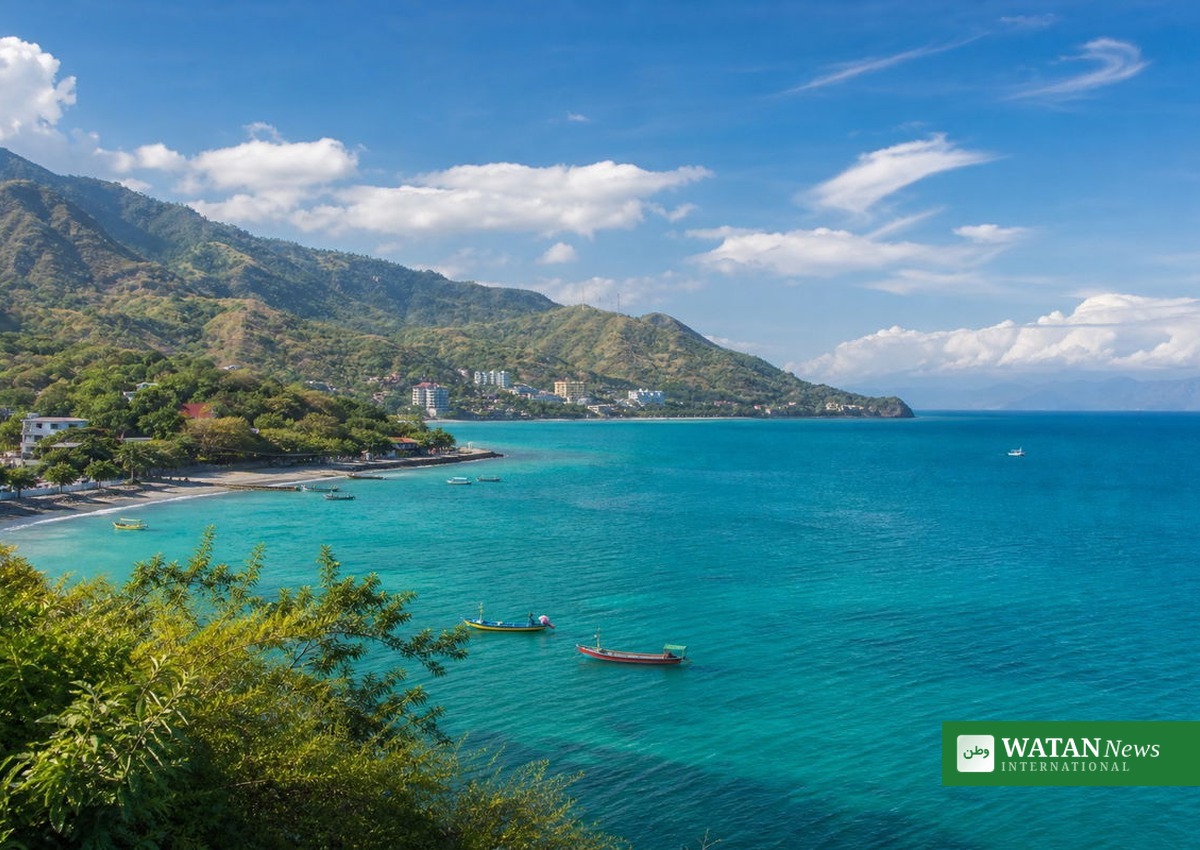
A powerful magnitude 6.8 earthquake struck the Banda Sea near Timor-Leste on Saturday, shaking a wide area of Southeast Asia and rattling nerves as far away as northern Australia. The tremor hit at 09:42 UTC, with its epicentre in the sea off the eastern end of Timor island, according to the United States Geological Survey (USGS). There were no immediate reports of casualties or serious damage, and no tsunami warning was issued. Monitoring agencies said the quake was felt in Timor-Leste and parts of Indonesia and Australia, but its great depth appears to have limited the shaking at the surface.
FAKTA
- Magnitude: 6.8
- Location: Banda Sea, 103 km northeast of Lospalos, Timor-Leste (USGS); 226 km northeast of Dili (GFZ)
- Depth: 143 km (USGS); 117 km (GFZ)
- Time: Saturday, 21 November 2026, 09:42 UTC (18:42 in Dili)
- Tsunami warning: None issued
- Casualties or damage: None reported so far
Deep Quake Beneath the Banda Sea
The German Research Center for Geosciences (GFZ) first reported the earthquake, placing it 226 kilometres northeast of Dili, the capital of Timor-Leste, at a depth of 117 kilometres. The USGS later located the epicentre 103 kilometres northeast of Lospalos, in the east of the country, and measured the depth at 143 kilometres. Both agencies agreed on the magnitude of 6.8. At such depths, earthquakes release their energy far below the surface, which usually softens the shaking felt on land even when the magnitude is high. People in Timor-Leste reported feeling the tremor, and shaking was also noticed across the sea in northern Australia. The USGS issued a green alert, its lowest level, indicating that little damage or loss of life was expected.
No Tsunami Warning, No Damage Reported
Despite the strength of the quake, neither the Pacific Tsunami Warning Center nor the USGS issued a tsunami warning, watch or advisory. Deep earthquakes beneath the sea are far less likely to displace large volumes of water than shallow ones, and the available data gave officials no reason to raise an alert. As of Saturday evening, no casualties or significant damage had been reported in Timor-Leste or neighbouring Indonesia. Authorities in the region were continuing to monitor the situation, and seismologists said further assessments would follow as more data arrived. Residents were advised to stay alert for aftershocks, which commonly follow earthquakes of this size.
A Region Shaped by Shifting Plates
The Banda Sea sits in one of the most seismically active parts of the world, where the Australian continental plate meets the Banda Arc in a slow, grinding collision. The boundary runs beneath Timor island and the surrounding seas, and the constant movement builds up pressure in the Earth’s crust that is released in earthquakes. Saturday’s tremor was the second magnitude 6.8 earthquake in less than a day, after a similar quake shook central Peru. Scientists say the two events are not linked, but together they show how active the planet’s major fault systems remain. For the latest international news, visit Watan News.
Author

usmanch0013@gmail.com
Related Posts
COP31: $30 Million Pledged to Protect Coral Reefs as More Nations Join Resilience Effort
- 0
- 1,427 word
At COP31 in Antalya, the Global Fund for Coral Reefs announced more than $30 million for reef protection across 22 countries, as...
Read out all
Pakistan Has Not Given Up Hope on US-Iran Peace, Ishaq Dar Tells Euronews
- 0
- 495 words
Pakistan has not given up hope of a peaceful settlement between the United States and Iran, Foreign Minister Ishaq Dar told Euronews,...
Read out all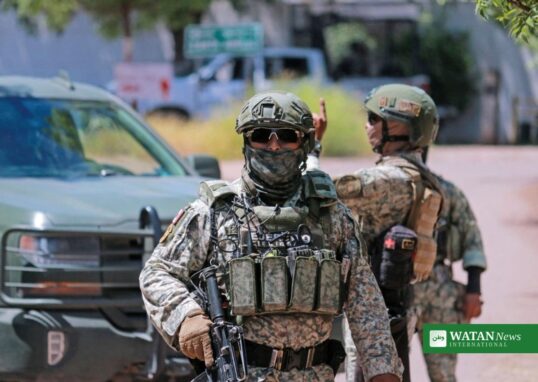
FBI Most Wanted Drug Lord ‘El Chapo Isidro’ Captured in Mexico After Gun Battle
- 0
- 880 words
Mexican military forces captured FBI Ten Most Wanted fugitive Fausto Isidro Meza Flores, known as 'El Chapo Isidro', in Guasave, Sinaloa, after...
Read out all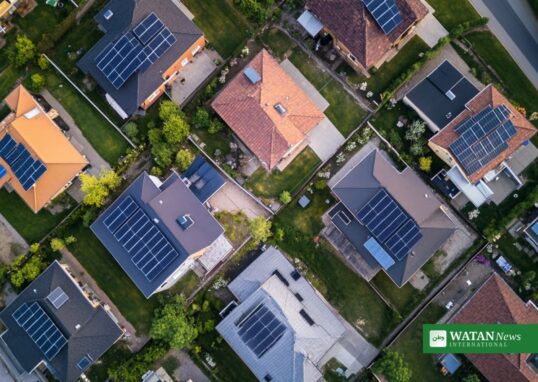
Pakistan Calls for Community-Led Swarm Electrification at COP31
- 0
- 497 words
Pakistan's climate minister told COP31 in Antalya that community-led swarm electrification — neighbours sharing rooftop solar power — could make the energy...
Read out all
Green Ambassadors: The Volunteers Turning Climate Concern Into Community Action
- 0
- 1,283 word
Thousands of volunteers around the world work as green ambassadors, carrying climate awareness and practical action into their communities.
Read out all
Tanker Hit by Unknown Projectile Near Khasab as Hormuz Tensions Rise
- 0
- 419 words
A tanker sailing out of the Strait of Hormuz was struck by an unidentified projectile about 11 nautical miles north of Khasab,...
Read out all