- 0
- 974 words
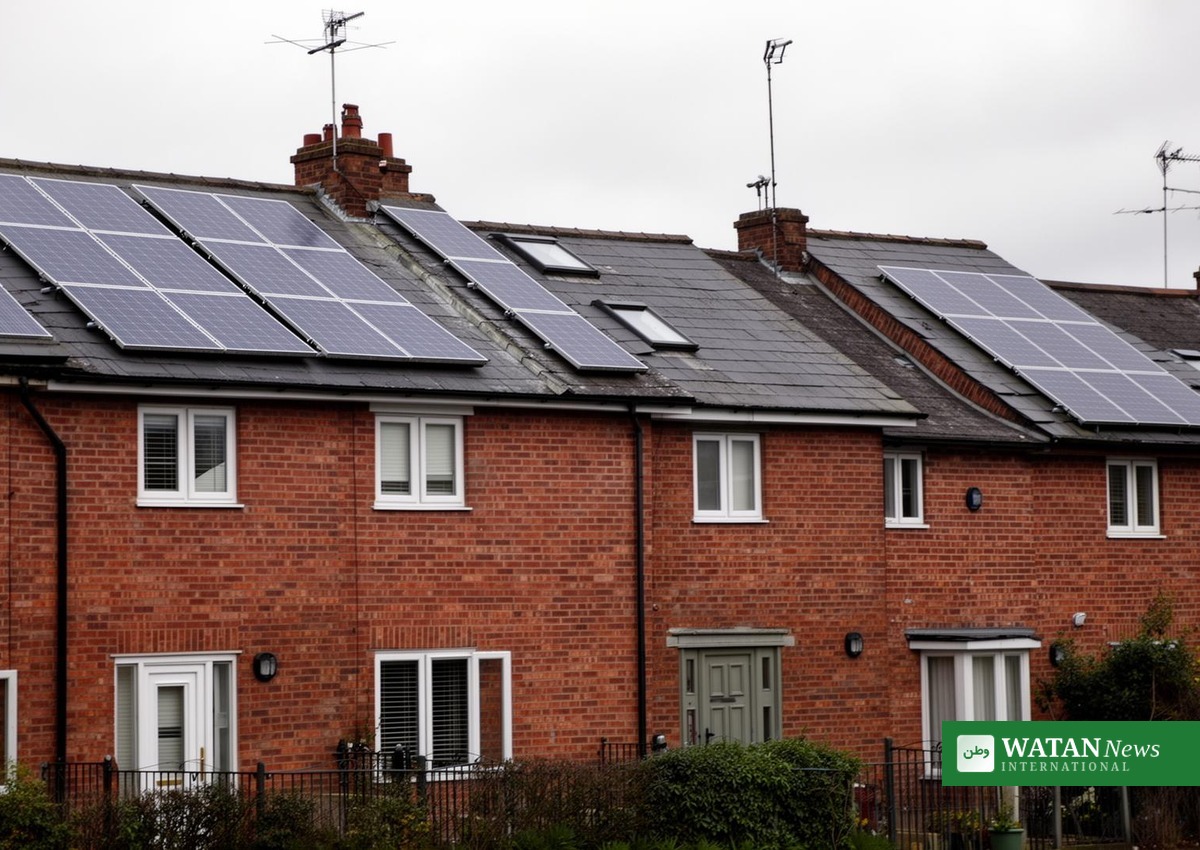
London: More solar panels have been fitted to British roofs in 2026 than in any previous year — and the year is not over. Data from the Microgeneration Certification Scheme (MCS) shows more than 269,000 certified solar installations have been completed in UK homes and small businesses — a new UK rooftop solar record, passing the previous annual total of 269,195 set in 2025, with six weeks of the year still to go.
New homes drive the UK rooftop solar record
Almost one in three solar installations so far this year have gone onto new-build properties, according to MCS data published on 20 November. The government’s Future Homes Standard, due from 2028, will mean the vast majority of new homes in England have solar panels by default — a change set to grow the new-build solar market further.
“It is incredible to see that, for the fourth consecutive year, the annual record for total MCS certified installations has been broken, with solar and battery leading the way,” said Lisa Cooke, Managing Director of MCS. “This shows just how quickly the small-scale renewables industry is growing and leading the UK’s transition to home-grown energy, as more people than ever invest in low-carbon technologies to power their homes.”
Where the panels are going
Cornwall leads the local-authority table with 3,399 installations so far in 2026, followed by Somerset with 3,325 and North Yorkshire with 3,094. But the growth is nationwide: MCS holds the most comprehensive record of small-scale renewable installations in the UK, covering certified systems of up to 50 kilowatts in homes and small businesses.
The milestone comes in a year of records for British solar. March saw the highest number of MCS-certified installations in a single month, at 28,861, and solar power supplied 14.4 per cent of Great Britain’s electricity in July — a monthly record, up from 9.6 per cent a year earlier. A solar generation record of 14.4 gigawatts was set in May.
Batteries rise with solar
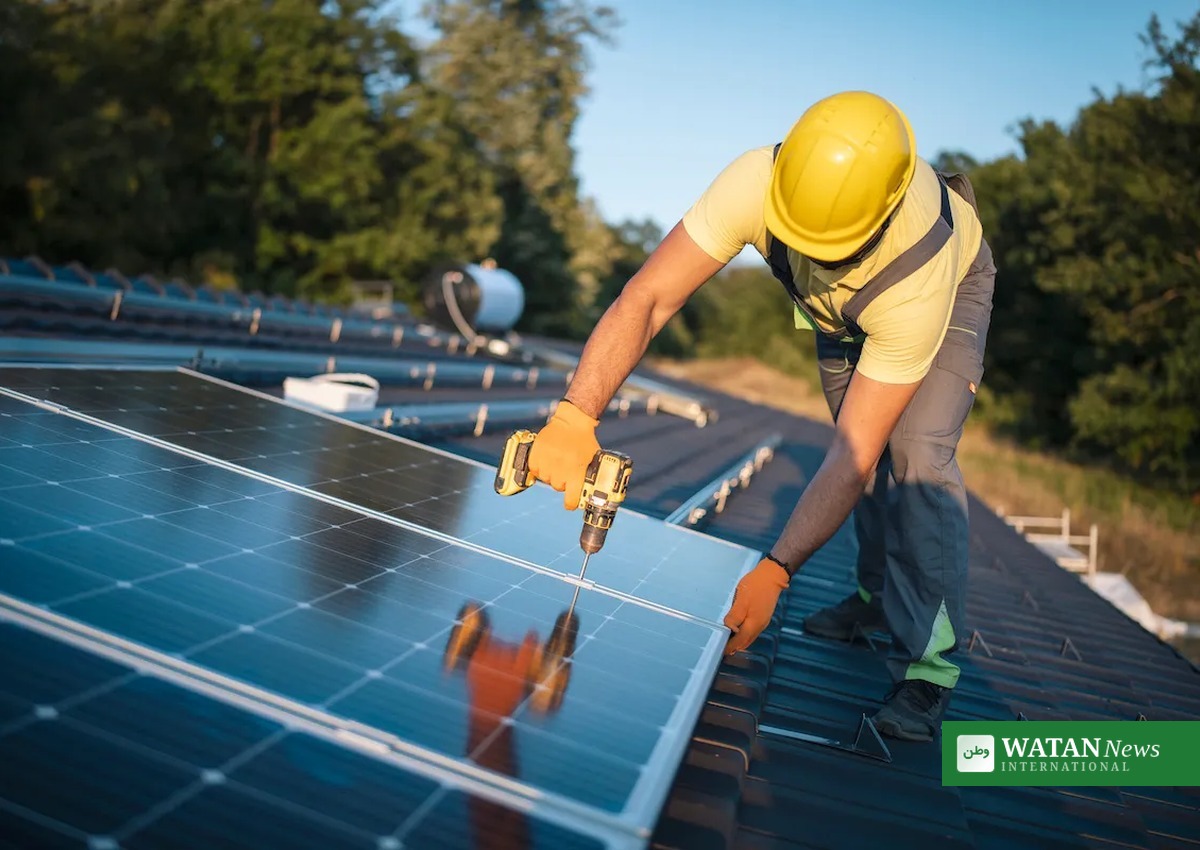
Alongside solar, battery storage is growing sharply. Around 75,400 certified battery storage systems have been installed in 2026 — close to double the annual record set last year — and around 82 per cent of them were fitted at the same time as solar panels, letting households store excess daytime electricity for the evening.
The pairing of solar and storage is a global trend: in the United States, installed battery storage passed 200 gigawatt-hours in November, with 48.3 gigawatt-hours added in the first nine months of 2026, according to the Solar Energy Industries Association and Benchmark Mineral Intelligence.
Why households are switching
High energy bills are a powerful driver. Household energy bills are forecast to rise by 26 per cent from January, to £2,166 a year, according to The Times. Cheap finance through the Warm Homes Loan Scheme and rules effectively requiring solar on new homes and buildings are adding to the momentum.
“Solar is going from strength to strength at all scales,” said Chris Hewett, Chief Executive of the trade association Solar Energy UK. He said the association expects more than 300,000 MCS-certified installations to be completed by the end of the year, “slashing bills for homes, junior schools and village halls across the country.”
What it means for clean power
There are now more than 2.1 million MCS-certified solar systems in the UK. The second million was reached in April 2026 — just seven years after the first.
The rooftop boom comes as governments weigh how fast electricity can be cleaned up. At COP31 in Antalya, the draft cover decision keeps a goal of raising electricity to 35 per cent of final energy by 2035, and the conference’s wind roadmap targets 4 terawatts of wind power by 2035 — a shift in which rooftop solar has a growing part to play. Read more: COP31’s Wind Roadmap: From a Record 165 GW to 4 TW by 2035.
The record shows that the energy transition is no longer only about power stations and wind farms far from home. In Britain in 2026, it is also being built one rooftop at a time — and with six weeks of the year left, the final total is set to climb higher still.
Key facts
- Installations in 2026: 269,239 MCS-certified solar systems so far, according to The Times’ count of MCS data — more than 269,000 in total.
- Previous record: 269,195 installations across the whole of 2025.
- Year-end outlook: More than 300,000 MCS-certified installations expected by the end of 2026.
- Battery storage: Around 75,400 certified battery systems installed in 2026, close to double last year’s record; 82 per cent fitted with solar.
- Solar’s share: Solar supplied 14.4 per cent of Great Britain’s electricity in July 2026, a monthly record.
Frequently asked questions
How many rooftop solar systems were installed in the UK in 2026?
More than 269,000 MCS-certified solar installations had been completed by 20 November 2026, passing the previous full-year record of 269,195 set in 2025, with six weeks of the year still to go.
What is MCS certification?
MCS — the Microgeneration Certification Scheme — is the UK’s quality mark and consumer protection body for small-scale renewables. It certifies installers and products for systems of up to 50 kilowatts in homes and small businesses, and holds the most comprehensive record of such installations in the country.
Why are installations rising so fast?
Almost one in three installations this year went onto new-build homes, and the Future Homes Standard will make solar standard on most new homes in England from 2028. Cheap finance through the Warm Homes Loan Scheme, rules encouraging solar on new buildings, and high household energy bills are also driving demand.
How many UK homes now have solar panels?
There are now more than 2.1 million MCS-certified solar systems in the UK. The second million was reached in April 2026, seven years after the first million.
Does solar power work in Britain’s cloudy climate?
Yes. Solar panels generate electricity from daylight, not only direct sunshine, and in July 2026 solar supplied 14.4 per cent of Great Britain’s electricity — a monthly record. Pairing panels with a home battery, as 82 per cent of 2026 battery installations did, lets households use more of the power they generate.
Author

usmanch0013@gmail.com
Related Posts

Russian Cargo Ship Sparta II Hit by Drones in Gulf of Finland
- 0
- 496 words
Two drones struck the Russian cargo ship Sparta II in the Gulf of Finland on Saturday, setting it on fire and sending...
Read out all
Britisk tag-solenergi sætter ny årsrekord i 2026
- 0
- 935 words
Over 269.000 MCS-certificerede solcelleanlæg er installeret i britiske hjem og små virksomheder i 2026, og sidste års rekord er slået med seks...
Read out all
برطانیہ میں چھتوں پر شمسی توانائی کی تنصیب کا نیا سالانہ ریکارڈ
2026 میں برطانیہ کے گھروں اور چھوٹے کاروباروں میں 269,000 سے زائد تصدیق شدہ شمسی نظام نصب ہو چکے ہیں اور سال...
Read out all
Harden Scores 51 as Cavaliers Beat Pacers and Passes Kobe Bryant on 50-Point List
- 0
- 675 words
James Harden scored 51 points as the Cleveland Cavaliers beat the Indiana Pacers 128-119 in the NBA Cup, passing Kobe Bryant for...
Read out all
Russian ‘Double-Tap’ Strike on Kryvyi Rih Kills Boy, 7, and Paramedic; 60 Wounded
- 0
- 841 words
A Russian ballistic missile attack on Kryvyi Rih killed a seven-year-old boy and a 20-year-old paramedic and wounded 60 people, Ukrainian officials...
Read out all
Magnitude 6.8 Earthquake Shakes Banda Sea Off Timor-Leste
- 0
- 481 words
A magnitude 6.8 earthquake struck the Banda Sea near Timor-Leste on Saturday, 21 November 2026. No tsunami warning was issued and no...
Read out all