
- 0
- 978 words
LONDON — Gold suffered its worst week since March, falling about 9 percent in the week to Friday, 20 November 2026, as the metal crashed through the $4,000-an-ounce level and closed near $3,500, its lowest level since September 2025.
Read this story on Watan News: Gold Price Crashes Below $4,000 in Worst Week Since March
FAKTA
- Spot gold fell about 9 percent in the week to Friday, 20 November 2026, its biggest weekly decline since March.
- The metal touched an intraday low of $3,502.97 an ounce on Friday before closing at $3,538.11.
- Silver fell even harder, losing more than 15 percent in the week.
- Gold has now fallen about one-third from its record high near $5,318 an ounce in January 2026.
- The sell-off was driven by a hawkish US Federal Reserve and forced selling as the AI stock rout spread across markets.
Gold price crash: five days of selling
Gold fell for a fifth consecutive trading session on Friday, completing a brutal week for the metal long seen as a safe haven. Spot gold dipped as low as $3,502.97 an ounce during Friday’s session before recovering slightly to close at $3,538.11, narrowly holding above the $3,500 mark. Front-month Comex gold futures ended the week 9.47 percent lower at $3,512.30.
The decline marked the largest one-week fall since March, and the second consecutive weekly loss. Gold has now fallen in 10 of the past 13 weeks and is down about 18.8 percent so far this year.
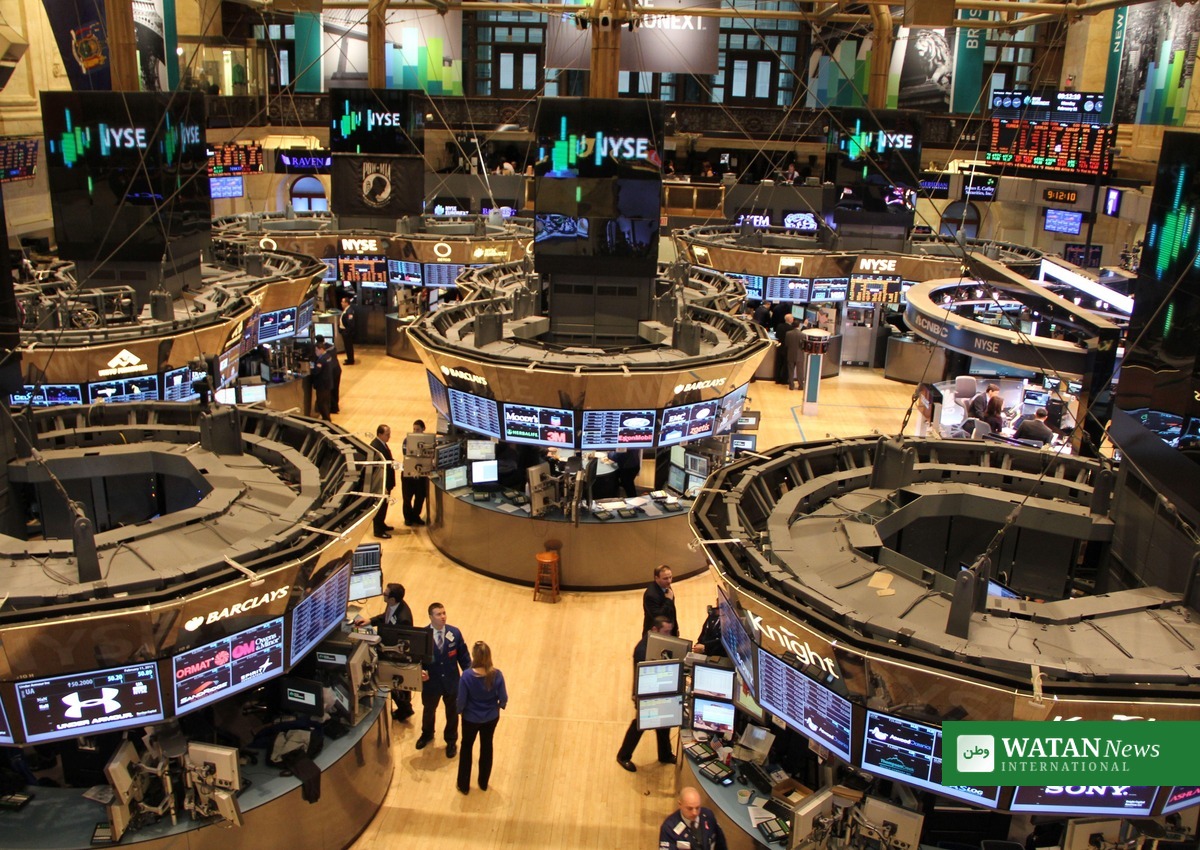
The $4,000 floor gives way
Just weeks ago, many investors believed $4,000 an ounce would hold as a floor for gold, supported by central-bank buying and investors seeking safety. That line has now been decisively broken. Gold first slipped below $4,000 in the previous week, when it fell about 4.5 percent, and the selling only accelerated from there.
By Friday, the metal was trading at its lowest level since September 2025. Analysts described $3,500 as the next key level to watch: a close below it would signal that the correction has further to run.
Why gold is falling
Two forces combined to drive gold down. First, the US Federal Reserve has signalled more interest-rate rises rather than cuts, after hotter-than-expected inflation data. Higher interest rates make gold, which pays no income, less attractive to hold, and they have pushed the yield on the 10-year US Treasury bond above 5 percent.
Second, the rout in artificial intelligence stocks spilled into every corner of the market. As shares in Nvidia, Anthropic and other AI companies tumbled, some investors were forced to sell gold positions to cover losses on their stock portfolios. David Meger, director of metals trading at High Ridge Futures, said the AI-related equity sell-off was prompting forced liquidations of gold positions.
Silver falls even further
Silver suffered an even sharper fall, losing more than 15 percent in the week to about $41.16 an ounce, after falling nearly 5 percent in a single session earlier in the week. Like gold, silver was hit by the same mix of rising rate expectations and forced selling.
Markets in a brutal week
Gold’s fall was part of a wider market rout. The S&P 500 fell 3.7 percent on Friday and 8.6 percent for the week, entering correction territory, while the Nasdaq Composite lost 5.3 percent on Friday and 10 percent for the week, its worst week since March 2020.
| Market | Friday, 20 November | Weekly change |
|---|---|---|
| Spot gold | $3,538.11 an ounce | About -9% |
| Silver | $41.16 an ounce | More than -15% |
| S&P 500 | 6,910.42 | -8.6% |
| Nasdaq Composite | 22,617.73 | -10% |
How far has gold fallen?
The scale of the reversal is striking. Gold reached a record high of $5,318.40 an ounce on 29 January 2026. Friday’s close leaves it about 34 percent below that peak. The metal has now fallen about one-third since the US-Iran war broke out at the end of February, as rising energy costs pushed inflation higher and repeatedly delayed expectations for interest-rate cuts.
Some analysts believe the selling has gone too far, too fast, and note that technical indicators have entered oversold territory. Others warn that with the Federal Reserve still sounding hawkish, gold may struggle to retake $4,000 in the near term. A close back above that level would be the first sign that the move is turning.
Conclusion
Gold’s worst week since March has shattered the $4,000 floor that investors counted on, and silver has fallen harder still. The metal’s fate now depends on two questions: whether the Federal Reserve softens its stance on interest rates, and whether the AI stock sell-off finds a bottom. Until then, $3,500 is the line traders are watching.
Related Articles
- US Stocks Plunge as S&P 500 and Dow Enter Correction Territory
- US Stocks Fall for a Sixth Straight Session as Nikkei Tumbles 4.8%
- Nvidia Shares Plunge as Jensen Huang Resignation Roils Markets
Frequently Asked Questions
Why is the gold price falling?
Gold is falling because the US Federal Reserve has signalled more interest-rate rises, which makes non-yielding gold less attractive, and because the sell-off in AI stocks has forced some investors to sell gold to cover losses elsewhere.
How much has gold fallen this week?
Spot gold fell about 9 percent in the week to Friday, 20 November 2026, its biggest weekly decline since March. Comex gold futures ended the week 9.47 percent lower at $3,512.30.
What is the next key level for gold?
Analysts are watching $3,500 an ounce. Gold touched $3,502.97 on Friday and closed just above it at $3,538.11. A close below $3,500 would suggest the correction has further to run.
Why did silver fall more than gold?
Silver fell more than 15 percent in the week. Silver is a smaller, more volatile market than gold and is hit by the same forces — rising rate expectations and forced selling — with greater force.
Is this the end of gold’s bull market?
It is too early to say. Gold is about 34 percent below its January record high, and some analysts say technical indicators look oversold. Much depends on whether the Federal Reserve softens its stance and whether the AI stock sell-off stabilises.
Author

usmanch0013@gmail.com
Related Posts

Bayelsa Boat Disaster Death Toll Rises to 24 as Search Continues
- 0
- 703 words
At least 24 people have died after a boat carrying funeral mourners capsized in Bayelsa State, Nigeria, as rescuers continue searching the...
Read out all
ASEAN Leaders Back One Billion Trees Plan to Restore Southeast Asia’s Forests
- 0
- 1,114 word
ASEAN's 11 leaders adopted a declaration to grow one billion trees across Southeast Asia, restoring mangroves, peatlands and watersheds and protecting primary...
Read out all
World’s Best Destinations for 2026: Santorini to Samarkand
- 0
- 1,605 word
From Santorini's cliff-top villages to the Maldives' turquoise lagoons, Kyoto's temples to Samarkand's Registan — our guide to the world's best destinations...
Read out all
‘Hunger Games’ Prequel Scores $56 Million Opening Day
- 0
- 726 words
The Hunger Games: Sunrise on the Reaping earned $56 million on its opening day in North America and is heading for a...
Read out all
Hoplite Raises $5.5 Million From Stripe’s Collison Brothers
- 0
- 884 words
Irish-founded Hoplite has raised $5.5 million in seed funding to build cloud infrastructure for AI coding agents, backed by Y Combinator and...
Read out all
Russian Helicopter Suspected of Violating Finnish Airspace
- 0
- 947 words
Finland is investigating a suspected Russian helicopter airspace violation off Loviisa on 21 November, hours after the Russian cargo ship Sparta II...
Read out all