- 0
- 1,605 word
LONDON — From the white villages of Santorini to the turquoise lagoons of the Maldives, from the temples of Kyoto to the desert canyons of AlUla, the world is full of places that reward the traveller who goes looking. Here is our guide to the world’s best destinations for 2026 — the places to see, why each one is special, and the highlights not to miss.
Read this story on Watan News: World’s Best Destinations for 2026: Santorini to Samarkand
FAKTA
- This guide covers the world’s best destinations across Europe, the United States, Asia, the islands, Azerbaijan, Uzbekistan, Saudi Arabia and the Gulf.
- Each destination is chosen for what makes it unmissable: scenery, history, culture, food or pure relaxation.
- Santorini’s cliff-top villages, the Maldives’ coral lagoons, Kyoto’s temples and Samarkand’s Registan are among the highlights.
- The guide includes island escapes, mountain nature, historic cities and desert adventures — something for every kind of traveller.
- Travel is best planned around the seasons: spring and autumn for the Mediterranean and Central Asia, winter for the Gulf and the desert.
Europe: Santorini and the Swiss Alps
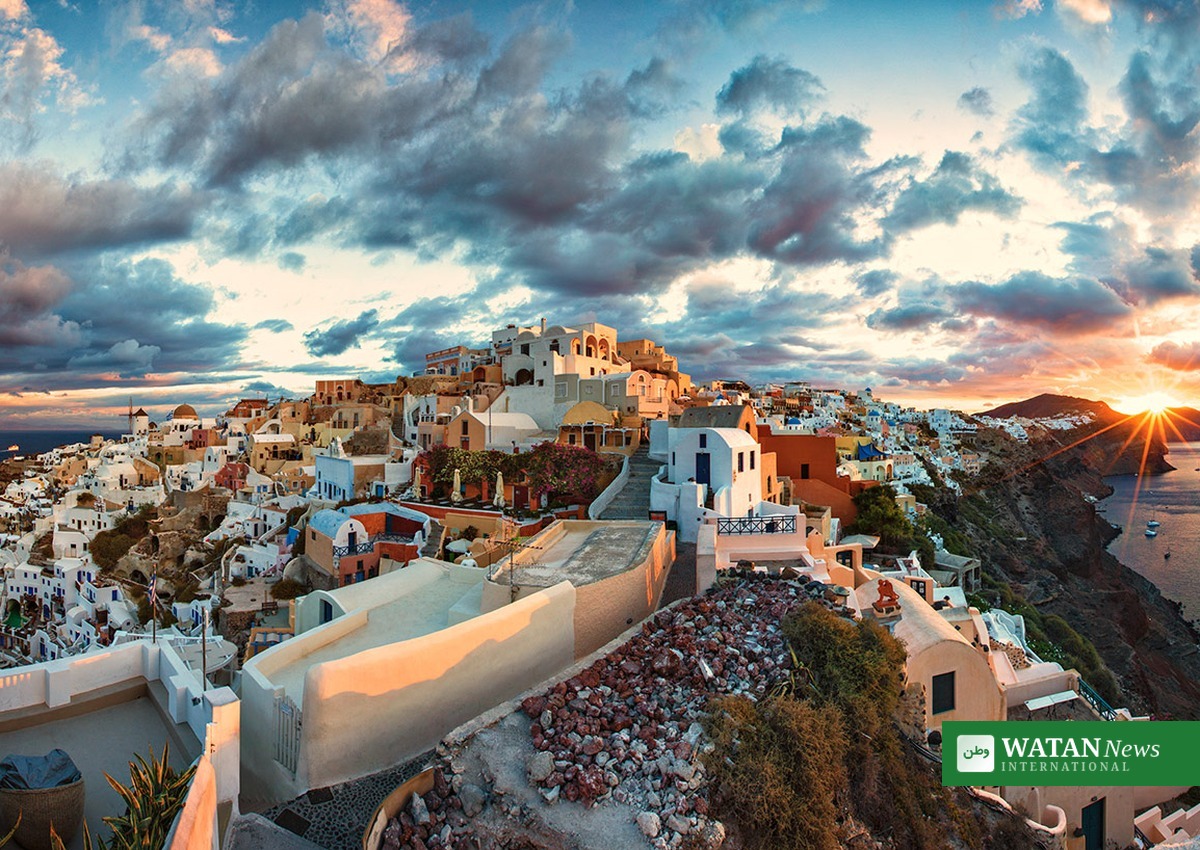
Santorini remains the Mediterranean’s most photographed island, and for good reason. The whitewashed villages of Oia and Fira cling to the rim of a volcanic caldera high above a deep blue sea, and the sunset from Oia’s castle ruins draws crowds every evening for a reason — the light turns the whole cliffside gold. Beyond the views, there are black-sand beaches at Kamari and Perissa, wineries carved into the volcanic rock, and the buried Minoan town of Akrotiri, often called the Greek Pompeii.
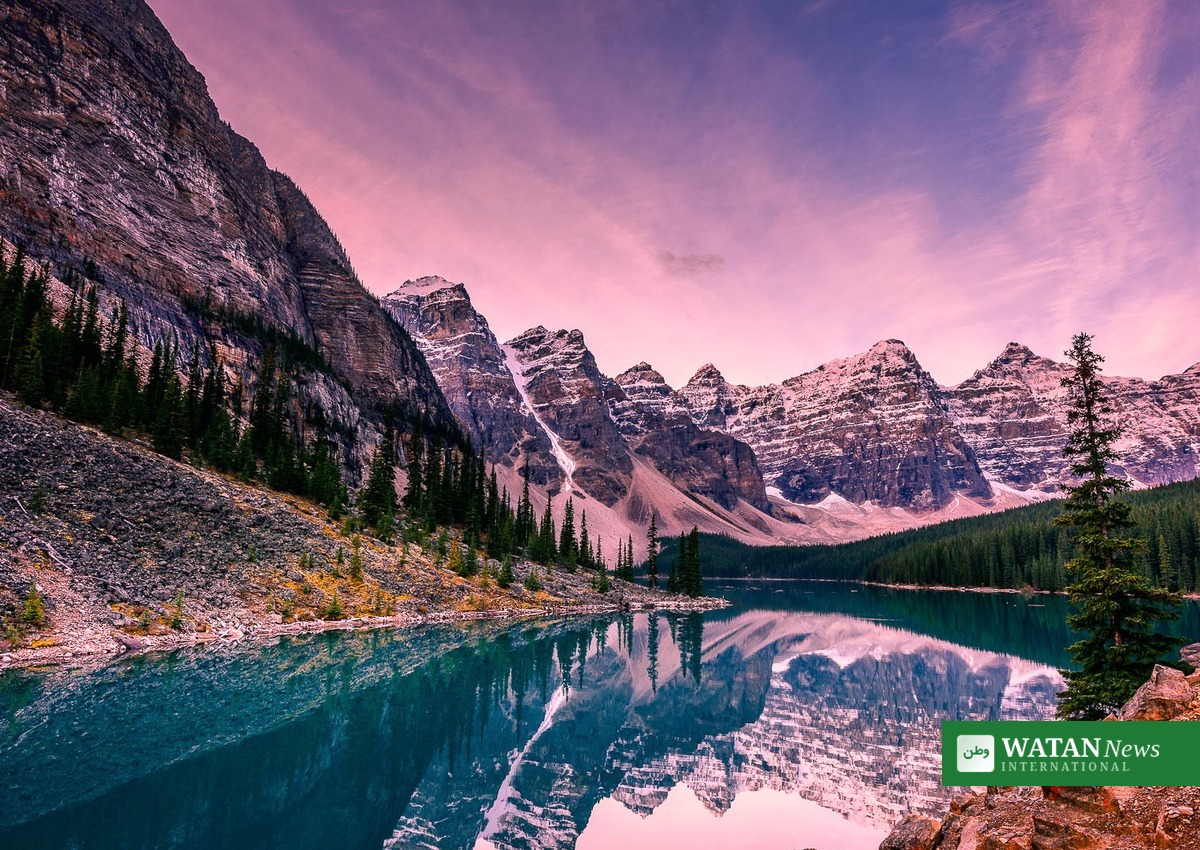
For a completely different Europe, head to the Swiss Alps. The Bernese Oberland offers snow-capped peaks, green valleys and lakes so clear they mirror the mountains. Ride the railway to the Jungfraujoch, walk the flower meadows above Grindelwald, and take a boat across Lake Lucerne beneath the Rigi and Pilatus mountains. Switzerland is at its best in summer, when the hiking trails open, and in winter, when the ski resorts come alive.
United States: New York, the Grand Canyon and Hawaii
New York City still sets the pace for urban travel. Walk the High Line above Manhattan’s streets, cross the Brooklyn Bridge at dawn, take the ferry past the Statue of Liberty, and spend an evening on Broadway. The city’s neighbourhoods each feel like a different world — the galleries of Chelsea, the food markets of Queens, the brownstones of Brooklyn Heights.
For scale of a different kind, the Grand Canyon in Arizona is one of the great natural wonders of the world. Stand at the South Rim at sunrise, when the canyon walls shift from purple to orange, and hike part of the Bright Angel Trail into the canyon itself. Further west, Hawaii offers volcanic landscapes on the Big Island, the surf beaches of Oahu’s North Shore, and the green cliffs of Kauai’s Na Pali Coast, best seen from the sea.
Asia: Kyoto and Bali
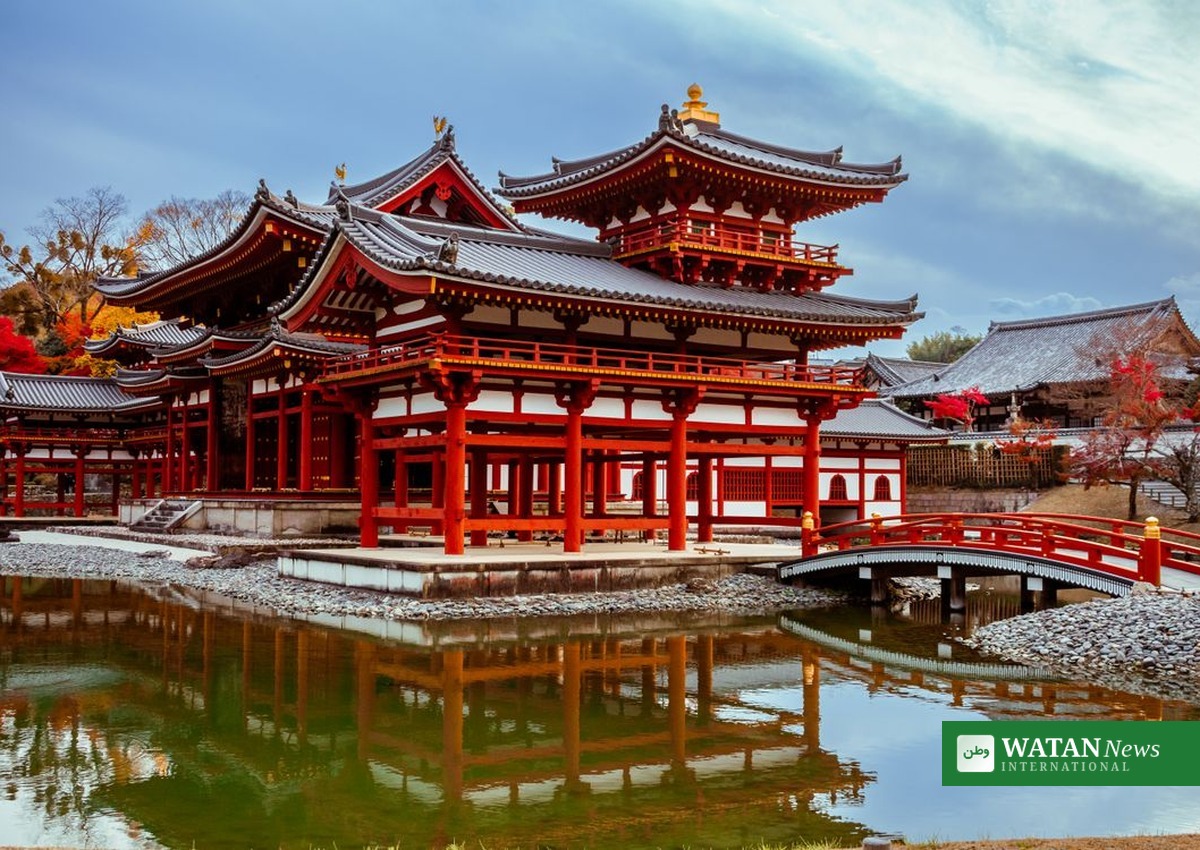
Kyoto is Japan at its most beautiful. The city holds more than a thousand temples and shrines, from the golden pavilion of Kinkaku-ji to the red gates of Fushimi Inari, which climb the mountainside in a tunnel of thousands of vermilion torii. In spring the cherry blossom turns the Philosopher’s Path pink; in autumn the maples set the temple gardens ablaze. Stay in a traditional ryokan inn, eat kaiseki cuisine, and take the train to nearby Nara to meet its famous free-roaming deer.
Bali, Indonesia, pairs tropical beaches with a deep spiritual culture. Watch the sunset over the sea temple of Tanah Lot, walk the rice terraces of Tegalalang near Ubud, and dive the coral reefs off the island’s north coast. Ubud’s art galleries, dance performances and jungle temples make Bali as much a cultural destination as a beach one.
Islands: the Maldives
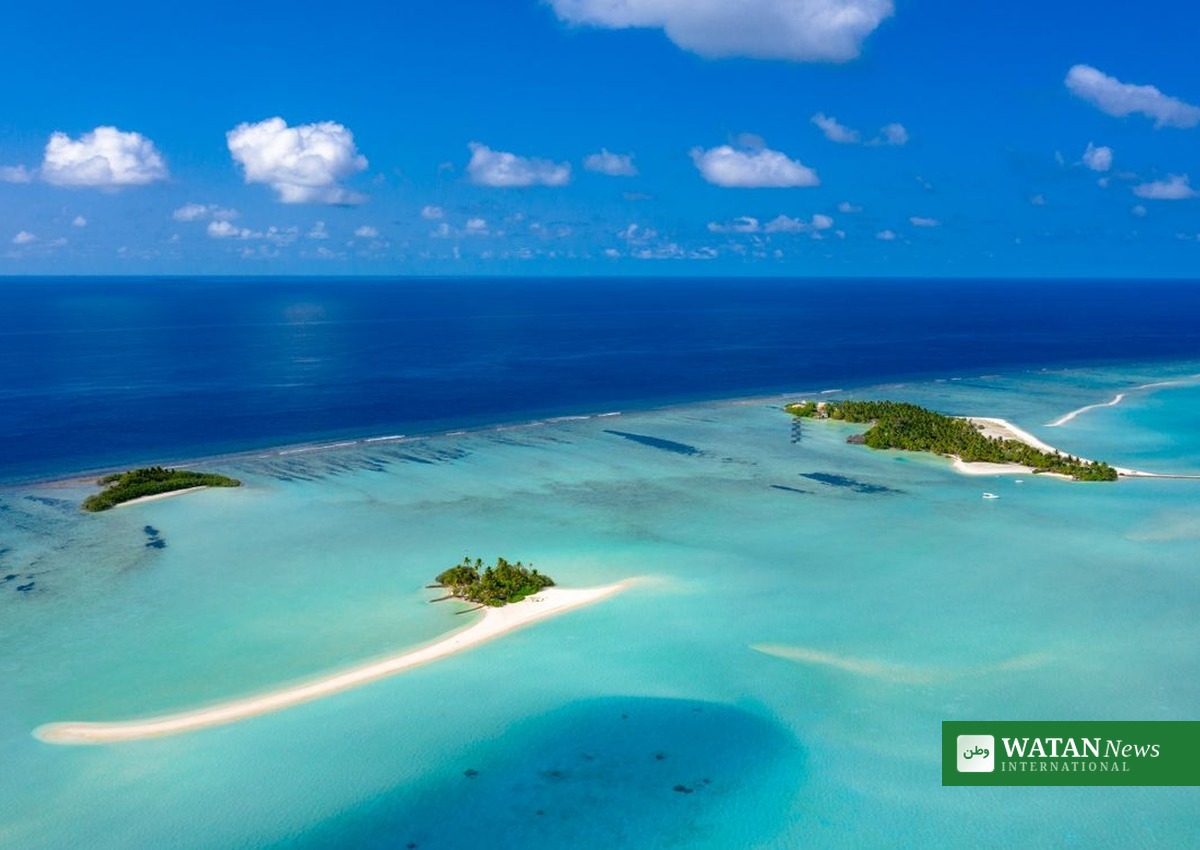
The Maldives is the definition of an island escape. More than a thousand coral islands scatter across the Indian Ocean, each one ringed by a lagoon of impossible turquoise. Days here are spent snorkelling over coral gardens filled with reef fish, turtles and rays, or simply doing nothing on a white-sand beach. Stay in an overwater villa and wake to the sound of the lagoon, take a sunset cruise to watch dolphins, and dive the channels where manta rays gather. The Maldives is at its best in the dry season, when the seas are calm and the skies are clear.
Azerbaijan: Baku and beyond
Baku, the capital of Azerbaijan, is a city of contrasts. The medieval Old City, with its maze of stone lanes, the Palace of the Shirvanshahs and the Maiden Tower, sits beside the Flame Towers — three glass skyscrapers that light up the skyline at night. Walk the Caspian Sea boulevard, visit the Heydar Aliyev Centre with its flowing, wave-like architecture, and eat in the Old City’s restaurants, where Azerbaijani cuisine mixes Persian, Turkish and Russian influences. Beyond the capital, the mud volcanoes of Gobustan and its ancient rock carvings offer a journey into prehistory, while the mountain villages of the Greater Caucasus reward hikers with green valleys and stone towers.
Uzbekistan: Samarkand and Bukhara
Uzbekistan is the heart of the old Silk Road, and Samarkand is its crown jewel. The Registan — three great madrasas covered in blue and gold tiles — is one of the most beautiful squares in the world, especially at dusk when it is lit up. Nearby stand the Bibi-Khanym Mosque and the turquoise dome of the Gur-e Amir mausoleum. In Bukhara, the old town is a living museum of domed bazaars, minarets and madrasas, where silk weavers and ceramic makers still work in the same courtyards their ancestors used. Travel between the cities by high-speed train, and finish in Khiva, a walled desert city that feels frozen in time.
Saudi Arabia: AlUla and Jeddah
Saudi Arabia’s AlUla is one of the world’s great desert destinations. The sandstone canyons hide Hegra, a Nabataean city of rock-cut tombs that is Saudi Arabia’s first UNESCO World Heritage Site, and the mirrored Maraya concert hall rises from the desert floor like a mirage. Hike through the canyons at dawn, ride through the dunes, and sleep under some of the clearest skies on earth. On the Red Sea coast, Jeddah’s old town of Al-Balad, with its carved wooden balconies, offers history and seafood by the water, while Riyadh’s modern skyline and desert-edge wadis show a country changing fast.
The Gulf: Dubai and Doha
Dubai pairs superlatives with old-world charm. Ride to the top of the Burj Khalifa, the world’s tallest building, shop in the gold souk of Deira, and take a boat across Dubai Creek in a traditional abra. Then escape to the desert for dune driving, a camel ride and dinner under the stars. Doha, the capital of Qatar, offers the Museum of Islamic Art on the Corniche waterfront, the bustling Souq Waqif, and the desert dunes of the Inland Sea, where the sand meets the Gulf in a landscape found almost nowhere else on earth.
Conclusion
The world’s best destinations are not alike — that is the point. A cliff-top sunset in Santorini, a temple morning in Kyoto, a desert dawn in AlUla and a lagoon afternoon in the Maldives each offer something the others cannot. Pick the one that calls to you, plan around the seasons, and go slowly: the best travel is never a race.
Related Articles
- PATA Shows Coastal Destinations How to Grow Tourism Without Losing Nature
- The World’s Most Extraordinary Luxury Resorts: Seven Stays to Dream About
- COP31: $30 Million Pledged to Protect Coral Reefs as More Nations Join
Frequently Asked Questions
What is the best time of year to visit Santorini?
Late spring and early autumn are ideal. The weather is warm, the sea is swimmable and the crowds are smaller than in the peak summer months of July and August.
Do I need a visa to visit the Maldives?
Most nationalities receive a free 30-day visa on arrival in the Maldives. Check the current rules for your passport before you travel, as requirements can change.
Is Uzbekistan easy to travel around?
Yes. High-speed trains connect Tashkent, Samarkand and Bukhara, and the main historic cities are compact and walkable. Many nationalities can visit visa-free or with an e-visa.
What should I wear when visiting Saudi Arabia?
Dress modestly out of respect for local customs — shoulders and knees covered in public places. Light, loose clothing works best in the desert heat.
When is the best season for the Gulf?
Winter, from November to March, is the best time to visit Dubai and Doha, when temperatures are mild and outdoor activities are comfortable.
Is Kyoto better in spring or autumn?
Both seasons are beautiful. Spring brings cherry blossom, while autumn brings vivid maple colours. Both are busy, so book accommodation well ahead.
Can I visit AlUla independently?
Yes. AlUla is open to visitors, with guided tours of Hegra and the desert canyons. Booking tours in advance is recommended, especially in the cooler months.
Which destination is best for a first-time traveller?
Santorini and Kyoto are both easy first choices: they are safe, well connected and full of sights within a small area, while still feeling completely different from home.
Author

usmanch0013@gmail.com
Related Posts

Bayelsa Boat Disaster Death Toll Rises to 24 as Search Continues
- 0
- 703 words
At least 24 people have died after a boat carrying funeral mourners capsized in Bayelsa State, Nigeria, as rescuers continue searching the...
Read out all
ASEAN Leaders Back One Billion Trees Plan to Restore Southeast Asia’s Forests
- 0
- 1,114 word
ASEAN's 11 leaders adopted a declaration to grow one billion trees across Southeast Asia, restoring mangroves, peatlands and watersheds and protecting primary...
Read out all
‘Hunger Games’ Prequel Scores $56 Million Opening Day
- 0
- 726 words
The Hunger Games: Sunrise on the Reaping earned $56 million on its opening day in North America and is heading for a...
Read out all
Hoplite Raises $5.5 Million From Stripe’s Collison Brothers
- 0
- 884 words
Irish-founded Hoplite has raised $5.5 million in seed funding to build cloud infrastructure for AI coding agents, backed by Y Combinator and...
Read out all
Gold Price Crashes Below $4,000 in Worst Week Since March
- 0
- 978 words
Gold crashed through the $4,000 level and fell about 9 percent in its worst week since March, closing near $3,500 as a...
Read out all
Russian Helicopter Suspected of Violating Finnish Airspace
- 0
- 947 words
Finland is investigating a suspected Russian helicopter airspace violation off Loviisa on 21 November, hours after the Russian cargo ship Sparta II...
Read out all