- 0
- 598 words
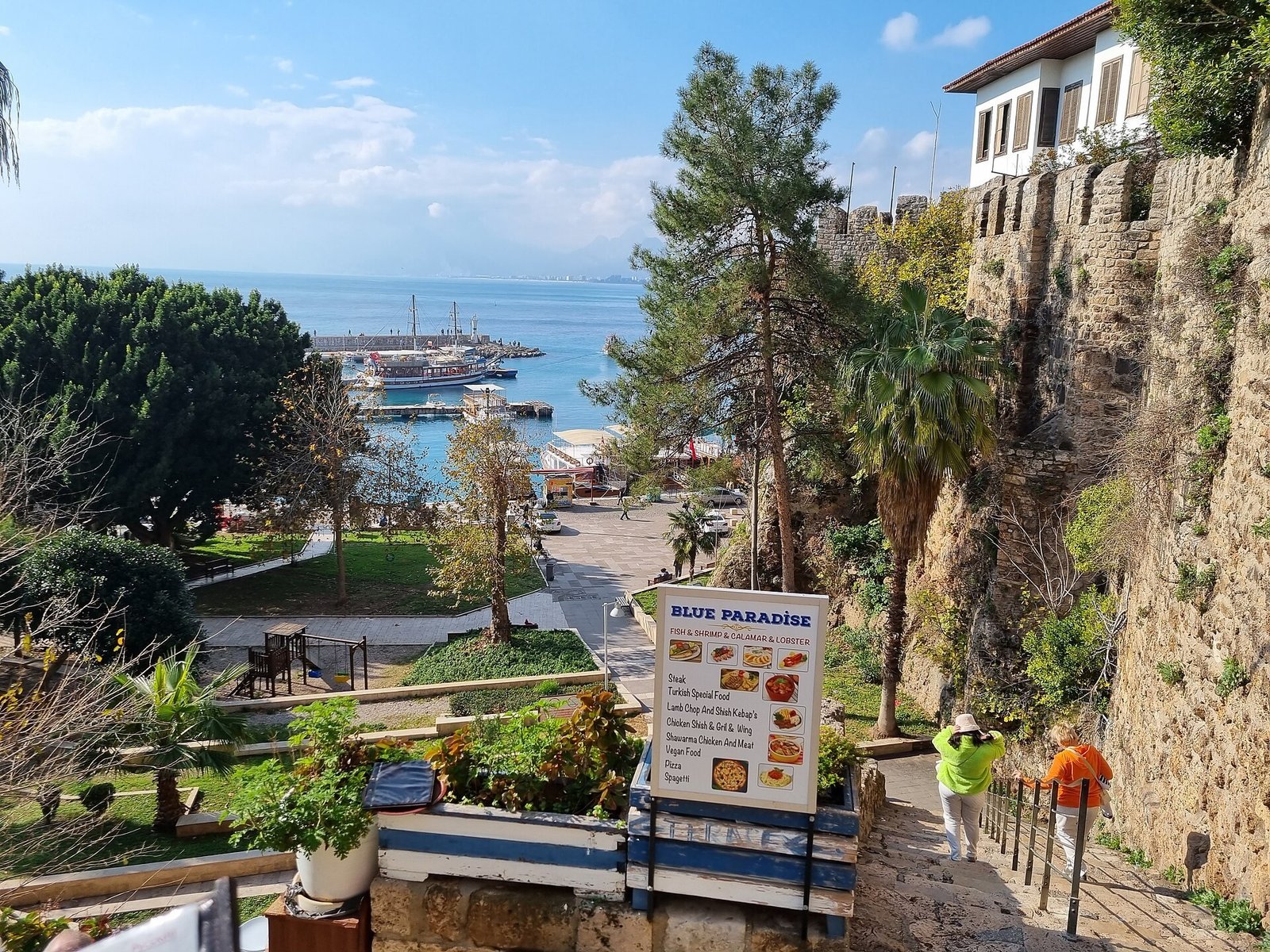
NEW YORK — Türkiye’s COP31 presidency used Climate Week NYC on 21 September 2026 to spotlight two Action Agenda priorities ahead of the November summit in Antalya: a voluntary Antalya Pledge on AI covering how artificial intelligence is designed, procured, powered, deployed, measured and managed for climate goals, and a flagship push to raise electricity’s share of final energy demand to 35% by 2035.
Under this year’s dual arrangement, Türkiye hosts COP31 and shapes the parallel Action Agenda, while Australia leads the formal political negotiations. The summit is widely reported for early November 2026 in Antalya. Action Agenda pledges are non-binding and do not require consensus among nearly 200 UN climate parties.
Antalya Pledge on AI — political, still in draft
Climate Home News reported that the COP31 hosts will launch the Antalya Pledge on AI as a “political” commitment on how AI is “designed, procured, powered, deployed, measured and managed” in support of climate action. COP31 President Murat Kurum said in a statement carried by Climate Home and AFP/RFI: “We must openly discuss AI’s growing energy consumption and it is time for governments to start setting the terms.” He added that companies should be transparent about energy use and power operations with clean energy.
No full pledge text or signatory list has been published. Climate Home noted that details remain scarce — including whether a clean-energy commitment will be written in and who will be invited to sign. The presidency said a draft would be shared before COP31 opens. RFI/AFP reported the pledge is being developed with a United Nations agency; syndication including Channel NewsAsia named the International Telecommunication Union (ITU).
Alongside the pledge, the presidency announced an “AI for Clean Technologies” initiative for AI-enabled clean-technology pilots in areas such as smart energy and green industry, Climate Home reported. Separately in New York, UN climate chief Simon Stiell warned that AI leaders are “on thin ice” regarding their licence to operate, saying energy-guzzling AI is driving fossil pollution and higher energy costs — remarks distinct from the presidency’s own pledge language.
35×35 electrification centrepiece
RFI/AFP and edie reported that Türkiye’s centrepiece Action Agenda goal is to raise the global share of final energy demand met by electricity to 35% by 2035 — often labelled “35×35” — from just over 20% today. Electrification here means shifting buildings, transport and industry from direct fossil-fuel use toward electric alternatives.
On 21 September, the presidency announced a global mechanism to track electrification progress and related initiatives, RFI/AFP said. edie reported a knowledge-sharing forum, support for developing countries to identify grid investment needs, and efforts on international freight connections. The 35% goal was first outlined in the Action Agenda launch in Bonn in June 2026; Climate Week marked the New York formalisation and tracking push.
Campaign groups flagged a gap. RFI/AFP quoted Claire Smith of Beyond Fossil Fuels saying the pledge “leaves the backdoor open for governments to conceal or justify expanded fossil fuel use under the guise of electrification,” because it does not explicitly require the extra electricity to come from clean sources. About one-third of world electricity is still generated from coal, AFP noted.
What is not decided yet
Nothing announced on 21 September rewrites Paris Agreement or COP decision text. The AI pledge and 35×35 goal sit on the voluntary Action Agenda track, with draft details still to come. Formal negotiations under Australia’s President of Negotiations remain the venue for binding outcomes — including any fossil-fuel transition language, where parties remain divided.
For governments and companies heading to Antalya, the signal is clear: AI’s electricity footprint and economy-wide electrification will be high-visibility presidency themes at COP31.
Author

watannews321@gmail.com
Related Posts
xAI Launches Grok 4.7 for Coding and Knowledge Work — Stronger Than 4.6, Still Mid-Pack on Independent Scores
- 0
- 532 words
xAI’s Grok 4.7 ships at the same $2/$6 token price as Grok 4.6, with company gains on coding benches and a GitHub...
Read out all
Apple Special-Projects Veteran Emerges With $100M to Put Dual-Arm Robots on Warehouse Floors
- 0
- 709 words
Hamza Derbas co-founded Maven Robotics in 2024 with little more than a robot sketch. Two years later, the Santa Clara startup exits...
Read out all
At 27, Tsinghua’s Youngest AI Professor Raises Nearly $50M for Self-Evolving Models
- 0
- 727 words
Yongchao Chen turned down a DeepMind path to found Beijing-based Apex Intelligence, betting that recursive self-improvement—not bigger chatbots—will define the next wave...
Read out all
Africa No Filter opens 2026 Voices for Climate Justice storytelling grants — deadline 25 September
- 0
- 444 words
Africa-focused green journalism call: 15–20 storytellers, up to US$4,000 grants, training on climate–debt–gender–fossil fuels; applications close 25 Sep 2026.
Read out all
Turkey’s ecological spotlight: Hrant Dink Award meets hard realities for environmental reporters
- 0
- 451 words
Süheyla Doğan’s 15 Sep 2026 Hrant Dink Award elevates Kazdağları ecology as ECPMF and RSF document SLAPPs and information barriers facing Turkey’s...
Read out all
After COP29, Azerbaijan journalists push deeper climate investigations through EaP network
- 0
- 428 words
n-ost’s EaP climate investigations programme pairs Azerbaijan and regional reporters with EU mentors for energy, forest and climate-justice probes after Baku’s COP29...
Read out all