- 0
- 935 words
Orlando, Florida — PureCycle Technologies announced on 19 November 2026 a long-term feedstock agreement with WM, North America’s largest recycler, under which WM will supply nearly 25 million pounds — about 11,300 metric tonnes — of waste polypropylene a year, starting in November 2026. The deal links the two halves of the polypropylene recycling chain: WM collects and sorts recyclables at scale, and PureCycle turns post-consumer polypropylene into its PureFive resin for new packaging.
How the deal works
PureCycle’s physical dissolution recycling process transforms post-consumer polypropylene by removing colour, odour, additives and other impurities from the plastic. The resulting PureFive resin performs similarly to virgin polypropylene and meets FDA standards for food-contact applications, so it can be used in existing manufacturing processes. PureCycle holds a global licence for the only patented dissolution recycling technology for polypropylene, developed by Procter & Gamble. Polypropylene — plastic number 5 — is used in yoghurt pots, margarine tubs, bottle caps and food containers.
Why polypropylene is the hard plastic
Polypropylene is one of the world’s most-used plastics and one of its least recycled. According to the OECD’s 2018 report Improving Markets for Recycled Plastics, only around 15 per cent of plastic waste is collected for recycling worldwide. PET and HDPE are recycled at rates of 19 to 85 per cent, while polypropylene and polystyrene are recycled at only 1 to 21 per cent. Recycling rates average around 30 per cent in the EU and around 10 per cent in the United States. The volume in this deal is modest next to the scale of global polypropylene waste, but it targets the weakest link in the chain: a reliable supply of sorted polypropylene.
Collection first — WM’s scale-up
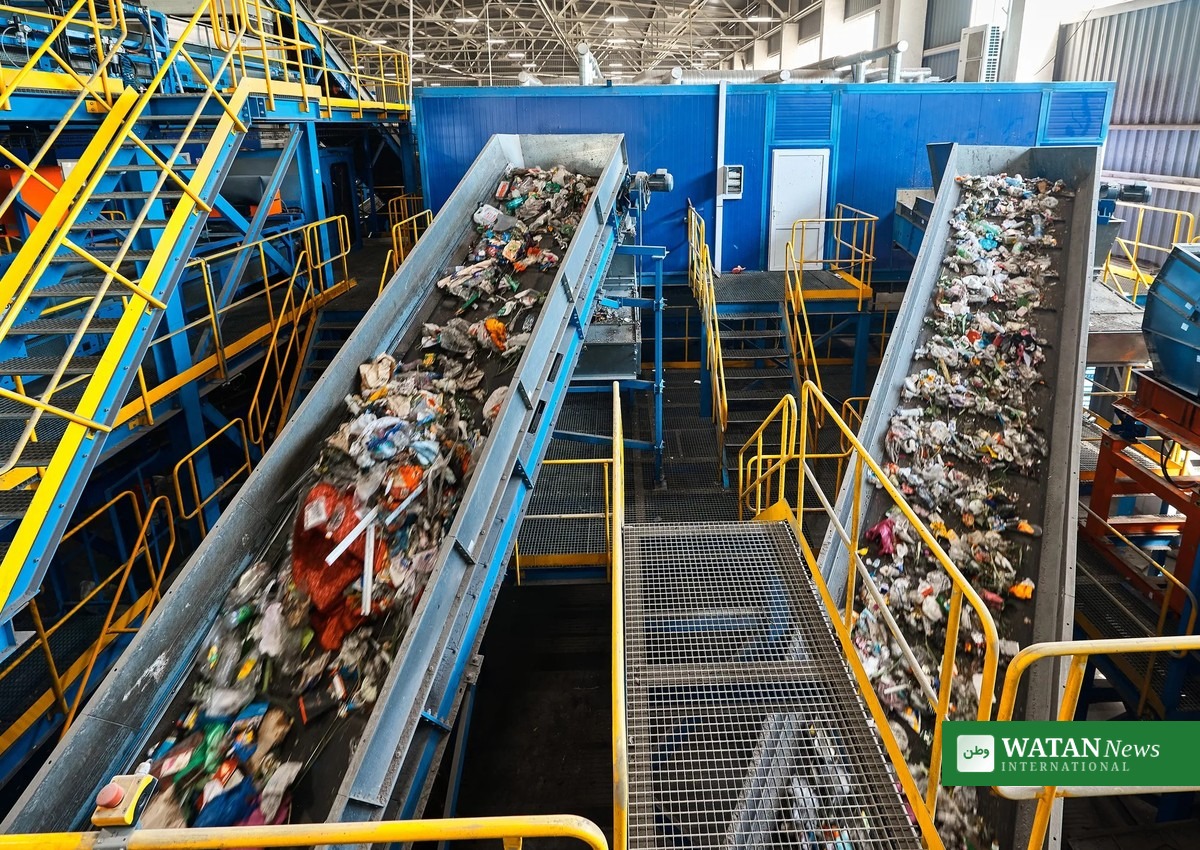
The agreement builds on WM’s investment in its recycling network. WM has increased the amount of polypropylene it recycles by 250 per cent since 2019. In November 2025, WM added polypropylene cups, along with paper to-go cups, to its universal list of accepted recyclable materials, and all of its single-stream recycling facilities now accept paper and polypropylene cups. The company has also invested in advanced sorting technology at many of its facilities.
“Polypropylene is in many of the products people use every day, and making it truly circular requires strong end markets for what is recycled and businesses and brands committed to using domestic recycled content,” said Ryan Nordt, executive director, recycling, WM. “Our agreement with PureCycle is a big step toward putting more of that material back to work.”
From stadiums to restaurants
The two companies already work together on circularity programmes at sports stadiums, where recyclables are collected and sorted by WM, sent to PureCycle’s dissolution recycling facility, and the PureFive resin is then used by souvenir-cup manufacturers for stadiums across the United States. They see opportunities to extend this work into other high-volume settings, including quick-service restaurants and convenience stores, where polypropylene cups are widely used and increasingly accepted in curbside recycling.
“This agreement gives us a long-term supply of recycled PP from the largest recycler in North America, and it reflects what we are working to build together: a path for PP that goes from the recycling bin, to WM’s facilities, to PureFive resin, and back into products that consumers use every day,” said Chris Talarek, VP of Feedstock at PureCycle.
What comes next
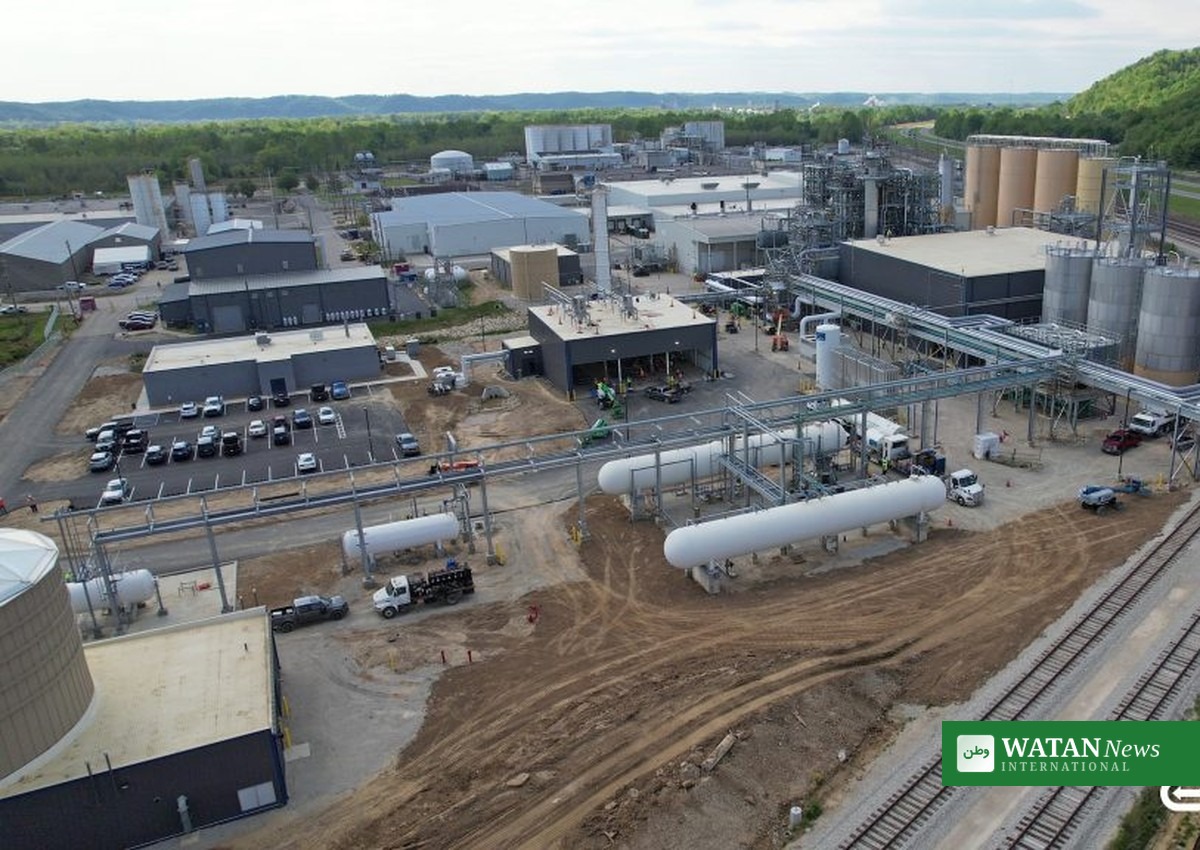
PureCycle’s first commercial-scale facility is in Ironton, Ohio, with further plants planned in Thailand, Antwerp in Belgium, and Augusta, Georgia. The company has set a goal of bringing one billion pounds of installed polypropylene recycling capability online by 2030 — a company target, not capacity already built. The financial terms of the WM agreement and its exact duration were not disclosed. The deal also lands as the European Union’s ban on plastic-waste exports to non-OECD countries took effect on 21 November 2026, pushing more waste to be dealt with at home.
Key facts
- WM will supply PureCycle with nearly 25 million pounds of waste polypropylene a year, under a multi-year agreement announced 19 November 2026.
- PureCycle’s dissolution process removes colour, odour and additives; its PureFive resin meets FDA food-contact standards.
- WM has increased the polypropylene it recycles by 250 per cent since 2019.
- According to the OECD, only around 15 per cent of plastic waste is collected for recycling worldwide; polypropylene is recycled at only 1 to 21 per cent.
- PureCycle aims for one billion pounds of installed polypropylene recycling capability by 2030; its first commercial-scale plant is in Ironton, Ohio.
Frequently asked questions
What is polypropylene, or number 5 plastic?
Polypropylene (PP) is the plastic marked with the number 5 inside the recycling triangle. It is used in yoghurt pots, margarine tubs, bottle caps, food containers and many household products — and it is among the least recycled of the major plastics.
How much polypropylene will WM supply?
Nearly 25 million pounds a year — about 11,300 metric tonnes — of waste polypropylene bales, under a multi-year agreement beginning in November 2026. The exact duration and the financial terms were not disclosed.
What is PureFive resin?
PureFive is PureCycle’s recycled polypropylene resin, made by a dissolution process that strips out colour, odour and additives. It performs similarly to virgin polypropylene and meets FDA standards for food-contact applications, so it can go back into packaging.
Why is polypropylene so rarely recycled?
According to the OECD, only around 15 per cent of plastic waste is collected for recycling worldwide, and polypropylene is recycled at just 1 to 21 per cent, against 19 to 85 per cent for PET and HDPE. Collection and sorting at scale — the part WM provides — has been the missing link.
Where does the recycled polypropylene go?
Into new packaging and products, including souvenir cups for sports stadiums, where WM and PureCycle already run joint circularity programmes. The companies want to extend the model to quick-service restaurants and convenience stores.
Author

usmanch0013@gmail.com
Related Posts

Islamabad Hosts Trilateral Defence Talks as Mecca Pact Takes Effect
- 0
- 480 words
Pakistan, Saudi Arabia and Türkiye meet in Islamabad on 27–28 November for the third session of the Strategic Political and Defence Committee...
Read out all
کاپ31 کی ناکامی کے بعد بھی عوام موسمیاتی عمل میں رہنماؤں سے آگے، گلوب اسکین سروے
گلوب اسکین کی نئی تحقیق سے معلوم ہوا ہے کہ عوام موسمیاتی عمل میں اپنے رہنماؤں سے بہت آگے ہیں: تیل پیدا...
Read out all
Offentligheden er foran lederne på klimaet efter COP31’s sammenbrud
- 0
- 990 words
Ny GlobeScan-forskning viser, at offentligheden er langt foran sine ledere på klimaet: I hvert stort olieproducerende marked, der blev undersøgt, kalder mindst...
Read out all
Public Ahead of Leaders on Climate After COP31 Collapse, GlobeScan Finds
- 0
- 980 words
New GlobeScan research finds the public far ahead of its leaders on climate: in every major oil-producing market surveyed, at least three...
Read out all
New Zealand Election Deadlock Leaves Centrist Newcomer as Kingmaker
- 0
- 785 words
New Zealand's final election count has left neither the right-wing incumbents nor the left-wing opposition with a parliamentary majority, handing the centrist...
Read out all
ڈبلیو ڈبلیو ایف اور امانو نے 2027 کی فیلوشپ کے لیے افریقہ کے 24 نوجوان رہنماؤں کا انتخاب کر لیا
ڈبلیو ڈبلیو ایف اور امانو نے افریقہ کے 10 ممالک سے 24 نوجوان رہنماؤں کو 2027 کی فیلوشپ کے لیے منتخب کیا...
Read out all