- 0
- 1,263 word
October 2026 was the hottest October on record — and it was also a record month for clean electricity. New monthly analysis from the Centre for Research on Energy and Clean Air (CREA) shows countries around the world setting clean energy records, from India’s record solar share to wind overtaking hydropower in Sweden for the first time.
The findings, published on 23 November in the first edition of CREA’s monthly clean energy highlights, are based on Ember’s monthly electricity data and cover 45 countries and regions. They show the clean energy transition gathering speed even as the world endures what CREA calls the second fossil fuel crisis of the decade.
India leads the solar surge
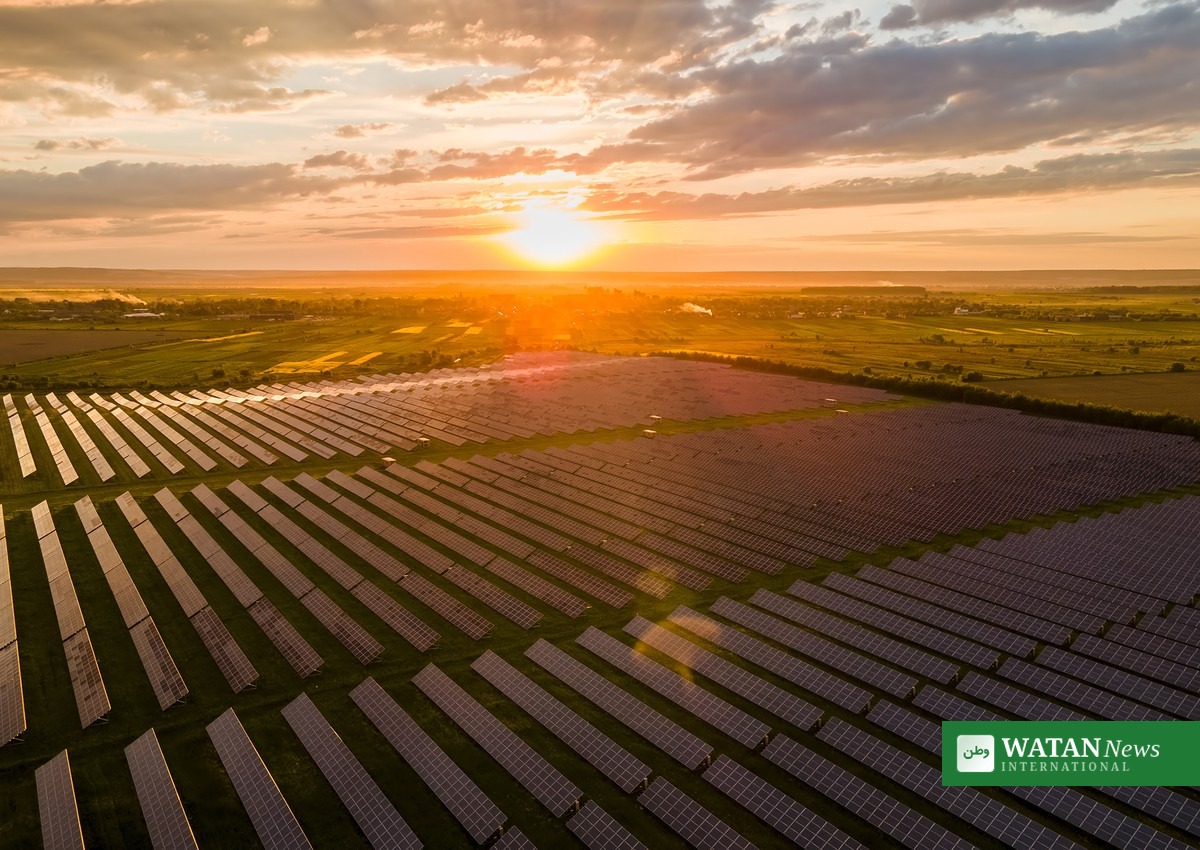
India scored a record 12% of its electricity from solar power in October — a striking figure for one of the world’s biggest electricity consumers and fastest-growing markets. In a single month, India’s solar generation equalled the total power generation of Australia or Italy.
The record sits on a fast-growing base: India’s installed solar capacity reached about 175 GW by 31 October 2026, according to the Ministry of New and Renewable Energy, up from just 2.82 GW in 2014. The country added 44.61 GW of solar in the 2025–26 financial year and a further 24.29 GW in the current financial year up to October.
But the month also showed the limits of solar alone. A weaker monsoon, linked to El Niño, cut hydropower output while pushing demand higher — and India still burned far more coal. CREA’s message is plain: India needs energy storage and more wind power so that a weak monsoon does not turn into a coal surge.
Wind passes hydropower in Sweden
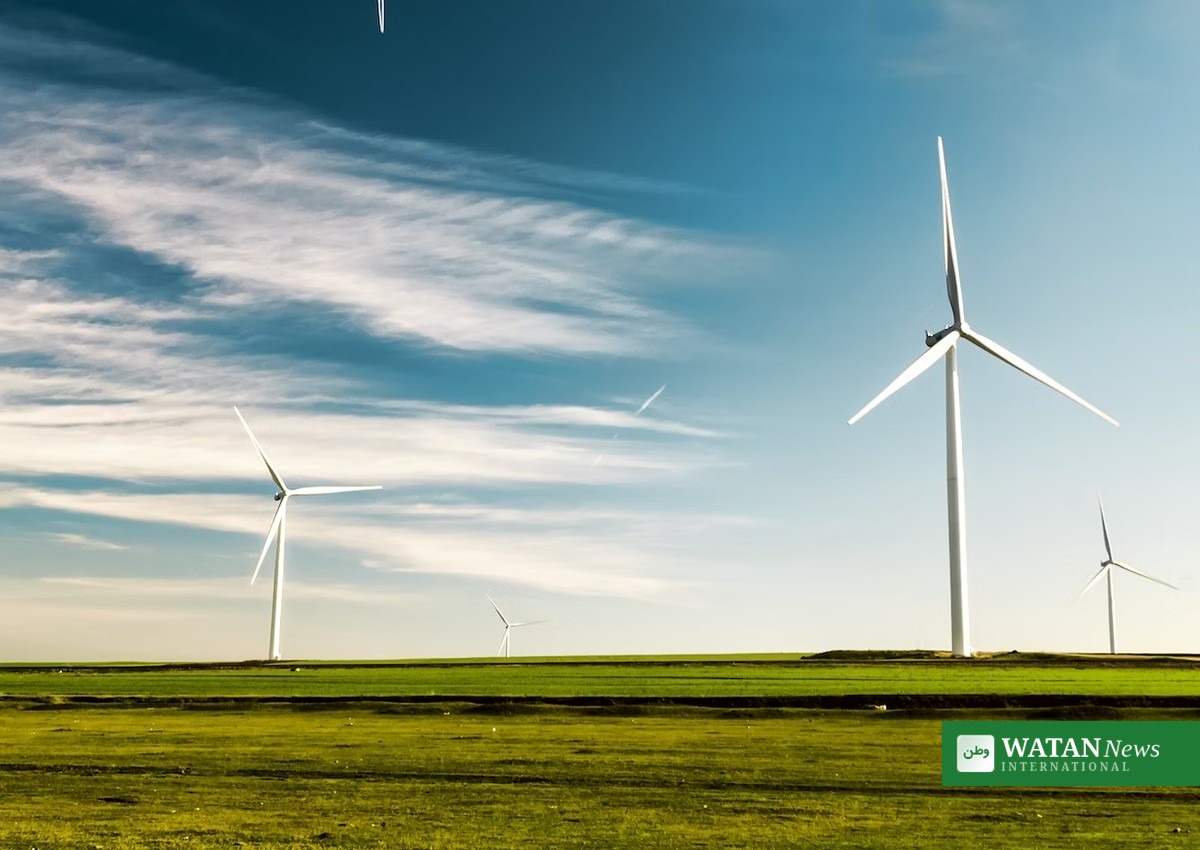
In Sweden, wind overtook hydropower to become the country’s largest source of electricity for the first time. Wind and solar also hit record shares in Finland and New Zealand.
The Swedish milestone matters beyond the headline. After an exceptionally dry year, Nordic reservoirs are well below normal — southern Norway’s hit their lowest in some 30 years this summer. Every hour wind carries the load keeps water in the reservoirs for winter peaks, when gas would otherwise set the price.
Finland tells a similar story of steady change: wind supplied a record 42.2% of the country’s power in October, after wind capacity more than tripled between 2020 and 2024. Together with nuclear power, that growth let Finland shut its last coal plant last year.
Argentina’s quiet clean record
Argentina generated a record 64.2% of its electricity from clean sources in October, beating its previous record from 2023. The milestone has drawn less attention than the country’s expanding oil and gas output from the Vaca Muerta shale region — but it changes the energy picture at home: the greener the grid, the less gas Argentina burns for power, and the more its oil and gas boom depends on exports.
The timing is awkward for fossil fuel investors, CREA notes: the International Energy Agency expects the oil market to tip into surplus this quarter, with a bigger glut in 2027, while the expected glut in liquefied natural gas has been delayed, not cancelled.
Britain and China: gains with a warning
The United Kingdom, Japan, China and Spain achieved the largest increases in the share of clean electricity in October. In Britain, wind and solar supplied a record 41% of power in the first nine months of 2026, against 25% from gas — and the country has saved an estimated £5.9 billion in gas imports since the Hormuz crisis began, thanks to clean energy, according to Carbon Brief.
China’s fossil fuel power generation fell 7.3% in October, the fourth monthly drop in a row, while solar and wind output rose by about a third and nuclear by a fifth. Thermal generation is slightly down for the year so far, which would make 2026 the second annual fall in a row.
Yet China also added a record 58.7 GW of new thermal capacity — mostly coal — in the first eight months of the year, with no increase in coal power generation. That points to worsening overcapacity: new coal plants are being built even as existing ones generate no more power.
For more on Britain’s solar momentum, read our story on the UK’s record year for rooftop solar.
Germany’s Dunkelflaute lesson
Germany showed the other side of the transition. Its clean power share dropped in October even though solar output was up around 40% on a year earlier, as wind and hydropower fell. Then a cold, still, grey spell at the end of the month — a so-called Dunkelflaute — pushed coal and gas plants to raise output.
Germany, CREA argues, has work to do on clean energy, storage, flexible demand and interconnection to get through a windless week without falling back on fossil fuels. “Grid, grid, grid should be the mantra in Berlin,” the analysis says.
FAKTA: October 2026 in figures
- 12% — record share of India’s electricity from solar in October 2026
- 64.2% — record share of Argentina’s electricity from clean sources
- 42.2% — record share of Finland’s power from wind
- 41% — wind and solar share of UK power in January–September 2026, against 25% from gas
- −7.3% — fall in China’s fossil fuel power generation in October, the fourth monthly drop in a row
- 58.7 GW — record new thermal capacity added in China in January–August 2026, mostly coal
- £5.9 billion — estimated gas import savings in the UK since the Hormuz crisis began
- Every month since January 2025 — solar has set a new record somewhere in the world
What the records mean
Across the OECD, clean power growth met the entire increase in power demand in the first nine months of 2026, with total fossil fuel generation inching down 0.6%. Monthly records are partly about the season and the weather, CREA cautions — but most signals point towards clean energy delivering an ever greater share of the energy mix. Solar has set a new record somewhere in the world every month since January 2025.
The records land a day after COP31 in Antalya ended without a deal, a reminder that the energy transition is now driven as much by markets, costs and national policy as by negotiations. Read what survived from COP31. The challenge the data exposes is no longer building clean capacity — it is grids, storage and flexibility, so that record months become the normal month.
Frequently asked questions
What is CREA’s monthly clean energy highlights?
A new monthly series from the Centre for Research on Energy and Clean Air, first published on 23 November 2026. It tracks clean electricity records country by country, using Ember’s monthly electricity generation data downloaded on 18 November 2026, covering 45 countries and regions.
How much of India’s electricity came from solar in October 2026?
A record 12%. India’s solar generation in the month equalled the total power generation of Australia or Italy. India’s installed solar capacity stood at about 175 GW on 31 October 2026, according to the Ministry of New and Renewable Energy.
Why did wind overtake hydropower in Sweden?
Wind and solar hit record shares after an exceptionally dry year left Nordic reservoirs well below normal. With less water available, wind power carried more of the load — and every hour wind generates keeps water stored for winter peaks.
Did China’s coal power fall in October 2026?
Fossil fuel power generation fell 7.3%, the fourth monthly drop in a row, while solar and wind output rose by about a third. But China also added a record 58.7 GW of new thermal capacity, mostly coal, in January–August 2026 — even though coal generation did not rise, pointing to overcapacity.
What counts as “clean power” in this analysis?
Renewables plus nuclear power. Shares are measured against total electricity generation, and a record counts only where the source supplies at least 1% of generation.
Author

usmanch0013@gmail.com
Related Posts

Houthis Attack Aramco’s Jazan Refinery, Saudi Coalition Says
- 0
- 628 words
Yemen's Houthis attacked Saudi Aramco's Jazan refinery on Thursday, the Saudi-led coalition said, a day after the group claimed a strike on...
Read out all
De fleste regeringer mangler en strategi for klimainformation, viser første globale kortlægning
- 0
- 1,455 word
Forum on Information and Democracy’s første globale kortlægning af 23 lande og EU finder, at de fleste regeringer ikke har nogen selvstændig...
Read out all
پہلی عالمی جانچ میں انکشاف: اکثر حکومتوں کے پاس موسمیاتی معلومات کی کوئی قومی حکمت عملی نہیں
ایف آئی ڈی کی پہلی عالمی جانچ میں 23 ممالک اور یورپی یونین کا جائزہ لیا گیا: اکثر حکومتوں کے پاس موسمیاتی...
Read out all
Most Governments Lack a Climate Information Strategy, First Global Mapping Finds
- 0
- 1,427 word
The Forum on Information and Democracy’s first global mapping of 23 countries and the EU finds most governments have no standalone strategy...
Read out all
Elektrisk hjem kan spare en typisk britisk husstand 1.200 pund om året
- 0
- 1,080 word
Ny analyse fra Storbritanniens Climate Change Committee viser, at en typisk husstand kan spare 1.200 pund om året ved at blive elektrisk...
Read out all
بجلی کی طرف منتقلی سے عام برطانوی گھرانا سالانہ 1,200 پاؤنڈ بچا سکتا ہے
برطانیہ کی موسمیاتی تبدیلی کمیٹی کے نئے تجزیے کے مطابق عام گھرانا بجلی کی طرف منتقلی سے سالانہ 1,200 پاؤنڈ بچا سکتا...
Read out all