- 0
- 494 words
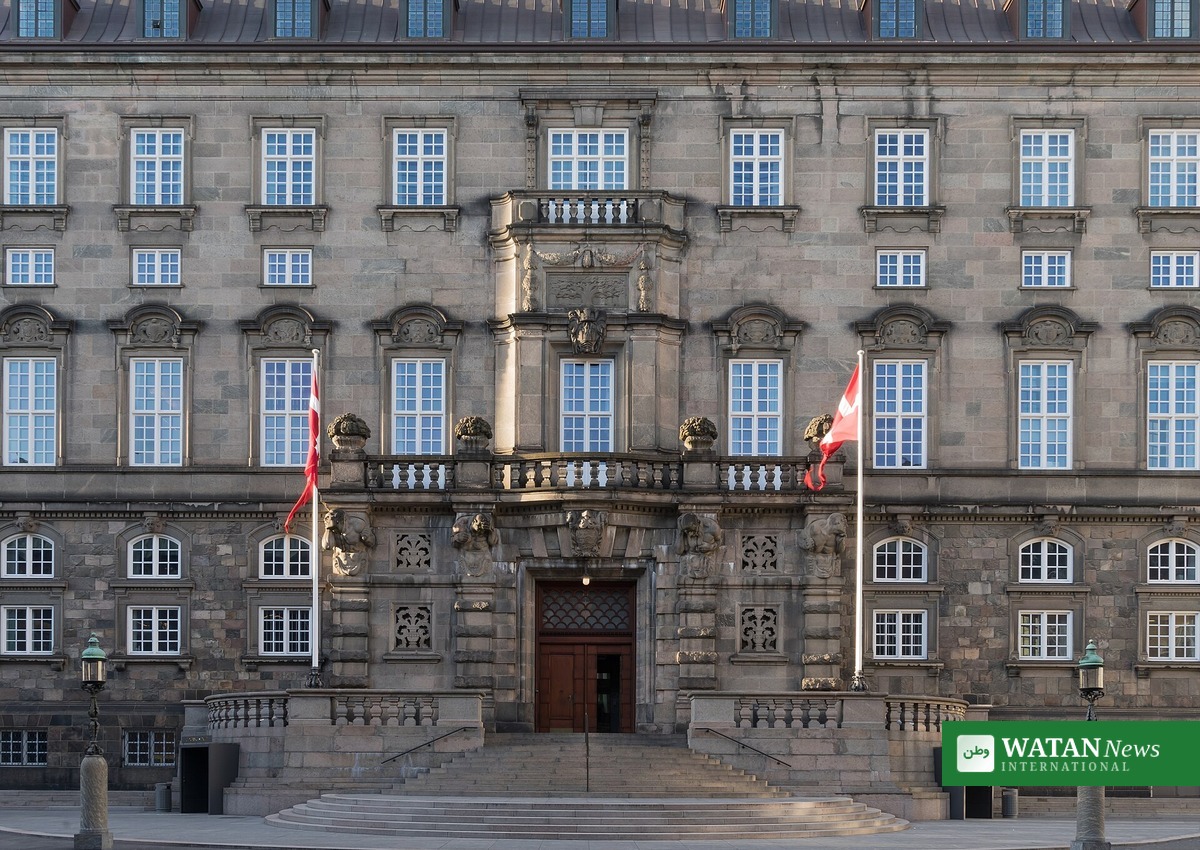
Denmark has proposed a European Union-wide halt to tourist visas for Russian citizens, urging member states to replace national rules with a common set of travel restrictions. Copenhagen will present the plan to EU ambassadors in Brussels on Monday, 23 November, arguing that tighter controls are needed after Danish authorities said they had foiled an alleged assassination plot linked to Russian intelligence.
FAKTA
- Proposal: Denmark wants EU states to stop issuing tourist visas to Russian citizens and stop recognising Russian non-biometric passports across the Schengen area.
- Presented: to EU ambassadors in Brussels on 23 November 2026; the plan was circulated to EU governments in a diplomatic note on 20 November.
- Trigger: Danish police said on 20 November they had foiled an alleged plot to assassinate Ukrainian-American rapper Kyivstoner before a concert in Denmark.
- Response so far: Denmark expelled Russia’s defence attache; Foreign Minister Lars Lokke Rasmussen called the alleged plot an unacceptable transgression.
- Status: no decision taken yet; the measures need agreement among EU member states.
Plot in Copenhagen Prompted the Move
Denmark’s Security and Intelligence Service announced on 20 November that it had prevented an alleged assassination attempt against Kyivstoner, who had been due to perform in Denmark in September. Danish authorities suspect Russian intelligence services were involved, and the case is driving Copenhagen’s push for stricter travel rules.
Prime Minister Mette Frederiksen has backed the tougher line, saying Denmark would press for a halt to all non-essential visas for Russian citizens, with any such visas valid only in the country that issued them. The government argues a shared European approach is needed because national rules alone leave gaps travellers can exploit.
What the Plan Would Change
Under the Danish proposal, EU states would stop granting tourist visas to Russian citizens and would no longer accept Russian passports without biometric data anywhere in the Schengen area. Member states would also make greater use of visas valid only in the issuing country, and entry rules would be tightened for current and former Russian combatants.
Some of these restrictions already exist in parts of Europe. Fifteen of the 29 Schengen states, including Denmark, Germany and France, already refuse to recognise Russia’s five-year non-biometric passports, according to a European Commission list. Copenhagen wants that practice extended across the whole zone, alongside the wider visa curbs.
Wider Security Strains in Europe
The proposal comes as concern grows across Europe about Russian activity beyond Ukraine. Latvia has urged the bloc to go further and close its borders to all Russian citizens, while Poland has sought more allied support for its eastern border after Russian missiles and a drone were reported to have entered Polish airspace.
NATO ambassadors will hold a special meeting of the North Atlantic Council at the alliance’s headquarters in Brussels on 23 November to discuss the reported breach of Polish airspace. For now the proposals remain proposals; their first test is whether EU ambassadors can agree on a common position. More international coverage is available on Watan News.
Author

usmanch0013@gmail.com
Related Posts

Guinea-Bissau Elections Delayed Until 2028 as Military Government Extends Rule
- 0
- 434 words
Guinea-Bissau's military government has postponed presidential and legislative elections due in December by roughly two years, until November 2028, extending the transition...
Read out all
World’s Best Destinations for 2027: From Santorini to Samarkand
- 0
- 1,685 word
Lonely Planet and National Geographic have named the world's best destinations for 2027, from the Veneto and the California redwoods to Chengdu,...
Read out all
1.3 Million New Yorkers Rely on Food Pantries as Hardship Bites
- 0
- 1,047 word
Nearly 1.3 million New Yorkers used food pantries in 2025 and 2.6 million experienced food hardship, a Robin Hood and Columbia University...
Read out all
Luxury Market Returns to Growth in 2026 as Jewellery Shines
- 0
- 986 words
Bain & Company expects personal luxury goods sales to return to growth in 2026, rising about 2 per cent to 367 billion...
Read out all
Erasmus+ Opens 2027 Call With €5.36 Billion for Study and Training
- 0
- 901 words
The European Commission has opened the Erasmus+ 2027 call with a budget of 5.36 billion euros, expected to reach 1.6 million participants...
Read out all
Christie’s Acquires Dreweatts in Return to the Antiques Market
- 0
- 828 words
Christie's has acquired Dreweatts, the 266-year-old British auction house, in a deal announced on 25 November 2026 that returns the global auctioneer...
Read out all