- 0
- 428 words
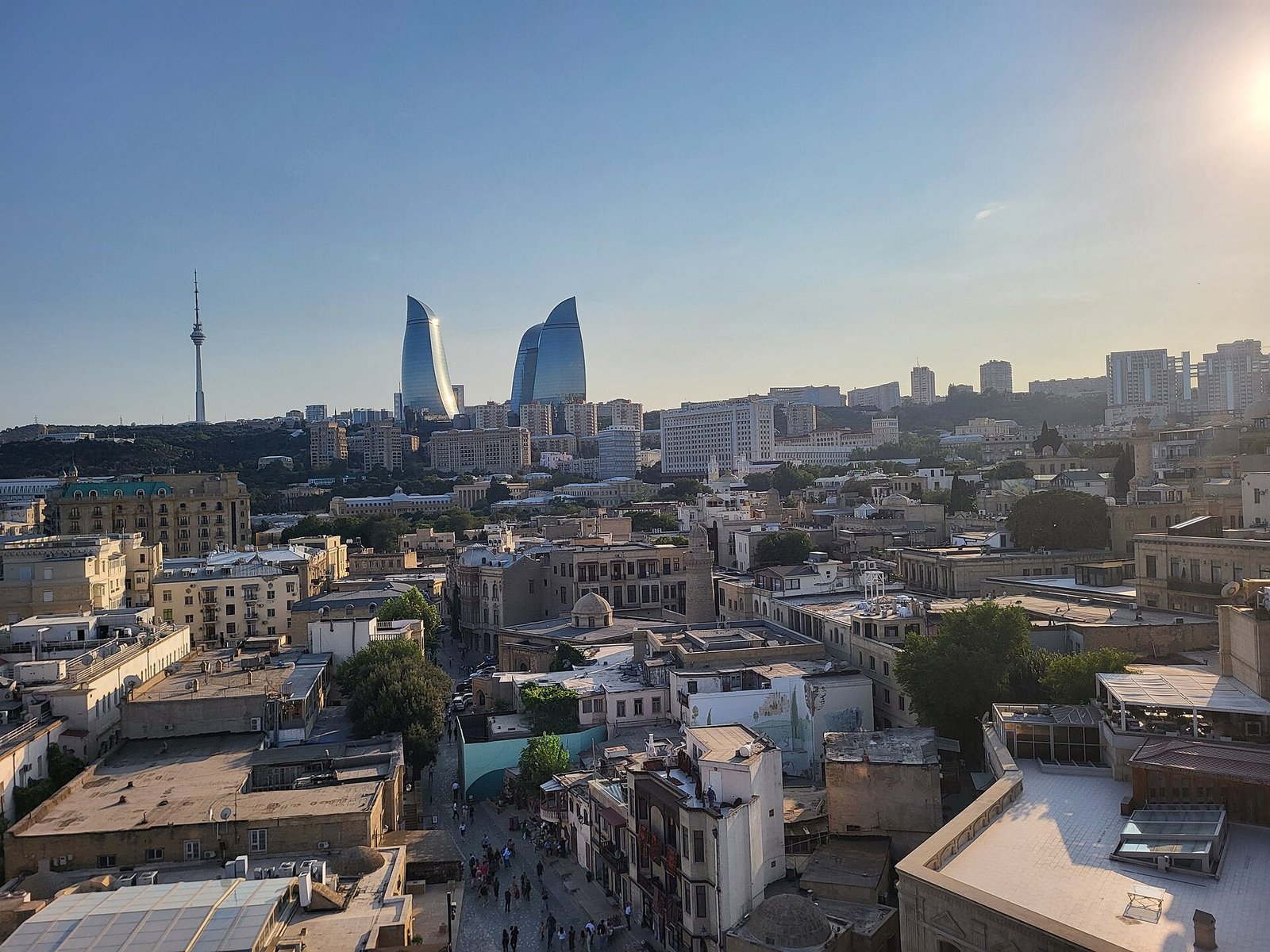
Baku / Eastern Partnership — As Azerbaijan digests its year as COP29 host, reporters from Baku and other Eastern Partnership countries are turning conference-era media capacity into longer investigations on energy, forests and climate justice — work backed by a cross-border journalism programme that pairs EaP newsrooms with EU colleagues.
From summit coverage to investigative follow-through
COP29 in Baku (11–22 November 2024) put Azerbaijani media under an intense international spotlight. In the run-up, the COP29 Presidency and UN partners ran workshops in Baku on communication strategies, accreditation and Blue/Green Zone media facilities so local outlets could cover mitigation, adaptation and finance debates with more precision.
That summit moment did not end climate reporting needs. In 2025–2026, the Berlin-based network n-ost, with support from Journalismfund Europe’s Earth Investigations programme, ran “Digging more deeply: Climate investigations in EaP countries.” The project convened journalists from Armenia, Azerbaijan, Belarus, Georgia, Moldova and Ukraine alongside EU peers for training, mentoring and a publication track on energy independence, forests, the green transition and climate justice.
What the programme delivered
According to n-ost’s project summary, an offline workshop in Moldova brought together selected participants — described as 11 from EaP countries and 5 from EU countries (16 in total) — to sharpen data handling and investigative angles. A follow-up publication call limited to workshop alumni led an internal jury to select eight proposals: two cross-border team projects and four individual projects. Produced stories appear in the project’s featured-articles section.
For Baku-based and Azerbaijan-focused reporters, the sequence matters: COP29 built short-cycle summit literacy; the EaP investigations track pushes slower, evidence-heavy follow-ups that outlast the conference news cycle — including topics that can be politically sensitive when they touch energy dependence, land use or industrial pollution.
Why green journalism still needs scaffolding
Climate desks in smaller newsrooms often lack time, data skills and legal support for multi-month probes. Cross-border mentoring helps reporters compare methods, share datasets and co-publish for audiences who rarely see Azerbaijan’s climate story beyond oil-and-gas headlines. n-ost frames the work as building a professional network as much as finishing single stories.
Caveats and what to watch
n-ost’s public summary does not list every Azerbaijan byline in the eight funded packages; readers should treat individual story credits as case-by-case once published. Separately, older COP29 media workshops remain useful context for how Baku prepared journalists for summit logistics — they are not the same as the 2025–2026 investigations grants.
As COP31 approaches in Antalya, Baku’s experience is a reminder that hosting a COP can seed media skills — but sustained green journalism depends on funding, training and editorial space after the banners come down.
Author

watannews321@gmail.com
Related Posts
xAI Launches Grok 4.7 for Coding and Knowledge Work — Stronger Than 4.6, Still Mid-Pack on Independent Scores
- 0
- 532 words
xAI’s Grok 4.7 ships at the same $2/$6 token price as Grok 4.6, with company gains on coding benches and a GitHub...
Read out all
Apple Special-Projects Veteran Emerges With $100M to Put Dual-Arm Robots on Warehouse Floors
- 0
- 709 words
Hamza Derbas co-founded Maven Robotics in 2024 with little more than a robot sketch. Two years later, the Santa Clara startup exits...
Read out all
At 27, Tsinghua’s Youngest AI Professor Raises Nearly $50M for Self-Evolving Models
- 0
- 727 words
Yongchao Chen turned down a DeepMind path to found Beijing-based Apex Intelligence, betting that recursive self-improvement—not bigger chatbots—will define the next wave...
Read out all
Africa No Filter opens 2026 Voices for Climate Justice storytelling grants — deadline 25 September
- 0
- 444 words
Africa-focused green journalism call: 15–20 storytellers, up to US$4,000 grants, training on climate–debt–gender–fossil fuels; applications close 25 Sep 2026.
Read out all
Turkey’s ecological spotlight: Hrant Dink Award meets hard realities for environmental reporters
- 0
- 451 words
Süheyla Doğan’s 15 Sep 2026 Hrant Dink Award elevates Kazdağları ecology as ECPMF and RSF document SLAPPs and information barriers facing Turkey’s...
Read out all
COP31 presidency floats Antalya AI energy pledge and 35×35 electrification at Climate Week
- 0
- 598 words
At Climate Week NYC (21 Sep), Türkiye’s COP31 presidency unveiled Antalya AI energy pledge (draft pending) and 35% electricity share of final...
Read out all