- 0
- 451 words
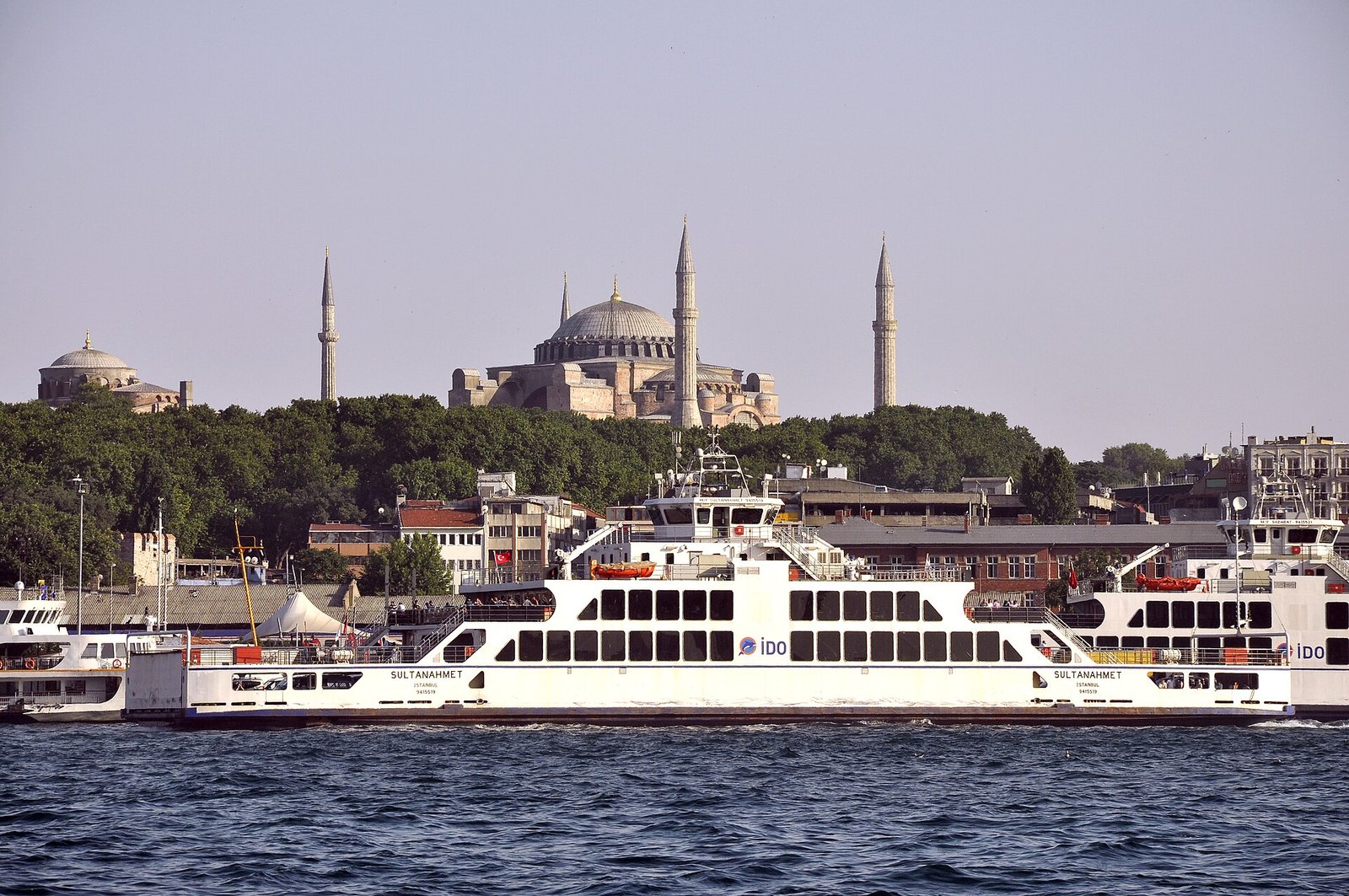
Istanbul — On 15 September 2026, the International Hrant Dink Award put ecological defence at the centre of Turkey’s civic calendar. The same week, European press-freedom documentation again underlined how costly — and legally fraught — environmental and urban reporting can be for Turkish journalists.
An award that centres land and ecology
The eighteenth International Hrant Dink Award ceremony at Istanbul’s Harbiye Muhsin Ertuğrul Stage named Süheyla Doğan of Turkey a laureate alongside Palestinian human-rights lawyer Raji Sourani. The Hrant Dink Foundation cited Doğan for refusing to abandon defence of the Kazdağları (Mount Ida) region and its natural and cultural resources, advancing women’s human rights, speaking out against state-backed ecocide projects, and championing the right to live with nature.
Doğan is an environmental and life advocate, not a newsroom journalist. The journalism angle is contextual: a major rights award has elevated ecological conflict into mainstream Turkish and international coverage at a moment when reporters who investigate mines, forests and urban land deals describe systemic barriers.
What environmental journalists say they face
In an interview published by the European Centre for Press and Media Freedom (ECPMF) while she was in the Journalists-in-Residence programme, investigative reporter Hazal Ocak described environmental and urban journalism in Turkey as chronically under-prioritised relative to politics, even as climate impacts intensify.
Ocak said colleagues struggle to obtain public information despite constitutional access rights (including via the CİMER system), face takedowns of published stories, and confront lawsuits that function as SLAPPs. She recounted multi-year litigation, including a case linked to a complaint by Presidential Communications Director Fahrettin Altun that sought a lengthy prison term before an acquittal that was then appealed; and a separate insult/slander fine tied to reporting involving Bilal Erdoğan that she has taken to the Constitutional Court. She frames such cases as designed to exhaust reporters.
Stockholm Center for Freedom, citing Reporters Without Borders (RSF), has also reported Turkey among countries where journalists covering environmental harm — including deforestation and mining — face legal harassment, referencing complaints against dozens of Sözcü-linked journalists.
Why this matters for green journalism
Awards that honour ecological defenders expand public language about land and climate. They do not, by themselves, secure press freedom. Ocak’s testimony suggests Turkish green journalism still depends on alternative outlets, mutual solidarity at hearings, and mentorship that teaches young reporters to connect local destruction to the wider climate crisis.
Careful framing
Readers should not conflate Doğan’s advocacy award with a journalism prize. The newsworthy link for a Green Journalism desk is the information ecosystem: high-profile ecological recognition arrives alongside documented legal and access pressures on the reporters who try to verify environmental claims for the public record.
Author

watannews321@gmail.com
Related Posts

xAI Launches Grok 4.7 for Coding and Knowledge Work — Stronger Than 4.6, Still Mid-Pack on Independent Scores
- 0
- 532 words
xAI’s Grok 4.7 ships at the same $2/$6 token price as Grok 4.6, with company gains on coding benches and a GitHub...
Read out all
Apple Special-Projects Veteran Emerges With $100M to Put Dual-Arm Robots on Warehouse Floors
- 0
- 709 words
Hamza Derbas co-founded Maven Robotics in 2024 with little more than a robot sketch. Two years later, the Santa Clara startup exits...
Read out all
At 27, Tsinghua’s Youngest AI Professor Raises Nearly $50M for Self-Evolving Models
- 0
- 727 words
Yongchao Chen turned down a DeepMind path to found Beijing-based Apex Intelligence, betting that recursive self-improvement—not bigger chatbots—will define the next wave...
Read out all
Africa No Filter opens 2026 Voices for Climate Justice storytelling grants — deadline 25 September
- 0
- 444 words
Africa-focused green journalism call: 15–20 storytellers, up to US$4,000 grants, training on climate–debt–gender–fossil fuels; applications close 25 Sep 2026.
Read out all
After COP29, Azerbaijan journalists push deeper climate investigations through EaP network
- 0
- 428 words
n-ost’s EaP climate investigations programme pairs Azerbaijan and regional reporters with EU mentors for energy, forest and climate-justice probes after Baku’s COP29...
Read out all
COP31 presidency floats Antalya AI energy pledge and 35×35 electrification at Climate Week
- 0
- 598 words
At Climate Week NYC (21 Sep), Türkiye’s COP31 presidency unveiled Antalya AI energy pledge (draft pending) and 35% electricity share of final...
Read out all