- 0
- 938 words
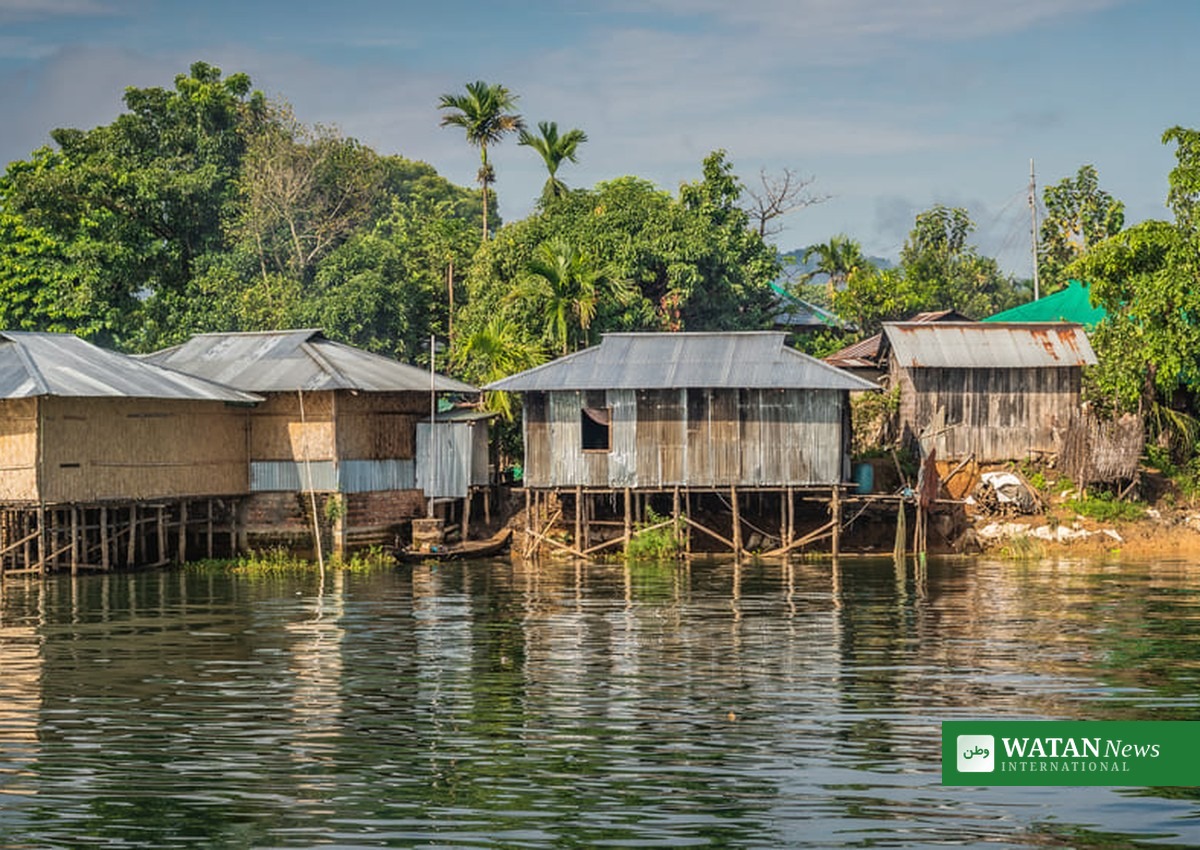
The Asian Development Bank has approved a $100 million concessional loan to expand access to affordable, climate-resilient housing finance in Bangladesh, in a project expected to reach at least 40,000 low- and middle-income households by 2031.
The loan, announced in Dhaka on 27 September 2026, will fund the Inclusive Affordable Housing Finance Project. It will channel long-term, collateral-free microfinance loans through the Palli Karma-Sahayak Foundation (PKSF) and eligible microfinance institutions, helping families construct new houses and repair and upgrade existing ones.
The project was highlighted by the United Nations Environment Programme in its Climate Live Feed on 24 November 2026, as an example of how climate policy and technical assistance can be turned into large-scale financing for adaptation.
What the $100 million will fund
Bangladesh faces a significant shortage of safe and affordable housing, and many low- and middle-income households — especially those with informal incomes — cannot get a conventional mortgage. The project is designed to close that gap by offering housing loans that do not require collateral and run over a longer term than standard microfinance.
The financing will support loans for at least 40,000 households by 2031, including at least 32,000 women borrowers and at least 24,000 borrowers living in areas vulnerable to natural hazards. Alongside the loans, the project will promote financial and land literacy and housing rights awareness, and will strengthen women’s housing security through strict documentation of borrowers’ spousal residency arrangements.
Homes built to withstand floods and cyclones
Climate resilience is built into the project, not added afterwards. The houses financed through it will integrate design, construction and shock-protection measures so they can better withstand flooding, cyclones, extreme heat and other impacts of disasters and extreme weather.
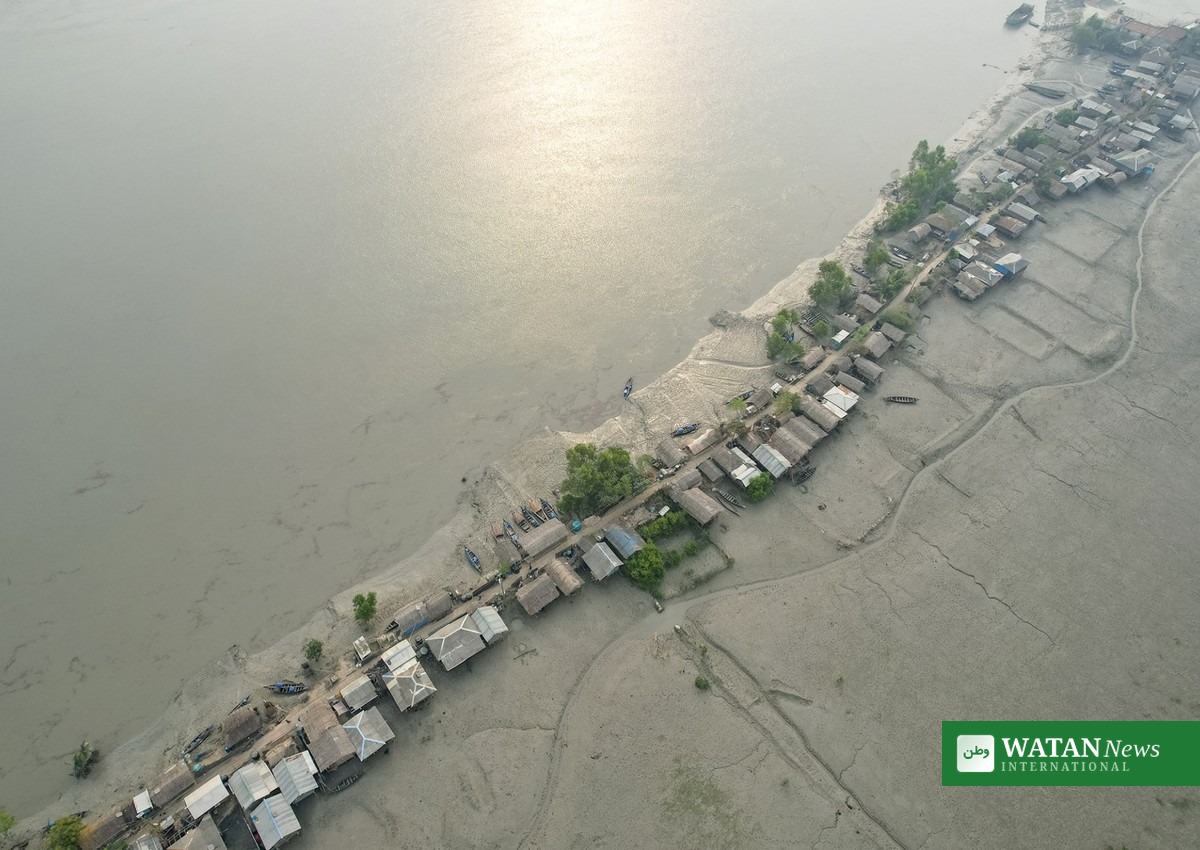
The approach was tested first in a pilot supported by UNEP and the UNEP Copenhagen Climate Centre, working with the Government of Bangladesh and BRAC. The pilot showed how locally sourced materials, rainwater harvesting and provisions for solar energy can help protect vulnerable coastal households against cyclones and storm surges.
Why housing is climate action
“Housing is a critical foundation for dignity, opportunity, and resilience,” said Qingfeng Zhang, the Asian Development Bank’s Country Director for Bangladesh. “By helping low- and middle-income families, especially women, invest in safer and more resilient homes, this project will contribute to Bangladesh’s broader goals of reducing poverty, strengthening social protection, enhancing human development, and fostering more inclusive and sustainable economic growth.”
Of the $100 million loan, $40 million is recognised as climate adaptation financing, and the project is supported by a further $600,000 in technical assistance grants. The project will also strengthen the capacity of PKSF and the participating microfinance institutions through better data and risk management, hazard-risk screening, portfolio monitoring and digital reporting — aiming to build a housing finance market that can keep growing after the project ends.
Homes were also firmly on the climate agenda at COP31 in Antalya, where negotiators debated how climate finance should reach households — as Watan News reported from the talks.
From a pilot project to national scale
The loan agreement between the Government of Bangladesh and the Asian Development Bank, and the project agreement with PKSF, were signed in Dhaka on 7 October 2026, according to The Business Standard. The loan carries interest of 2 per cent a year and is repayable over 25 years, including a five-year grace period.
Implementation will run until 2031. If the targets are met, the project will show that microfinance — the lending network that already reaches deep into Bangladeshi villages — can also deliver climate-resilient housing at scale, and can do so for the people most exposed to floods and cyclones.
FAKTA
- The Asian Development Bank approved a $100 million concessional loan for the Inclusive Affordable Housing Finance Project in Bangladesh, announced on 27 September 2026.
- The project will provide long-term, collateral-free housing microfinance loans through PKSF and eligible microfinance institutions.
- By 2031 it is expected to reach at least 40,000 households, including at least 32,000 women and at least 24,000 borrowers in areas vulnerable to natural hazards.
- Of the loan, $40 million is climate adaptation financing, with a further $600,000 in technical assistance grants.
- The approach builds on a pilot with the Government of Bangladesh and BRAC, supported by UNEP and the UNEP Copenhagen Climate Centre, using local materials, rainwater harvesting and solar energy.
Frequently asked questions
What is the Inclusive Affordable Housing Finance Project?
It is a $100 million concessional loan from the Asian Development Bank that will channel long-term, collateral-free microfinance loans through the Palli Karma-Sahayak Foundation and eligible microfinance institutions, so low- and middle-income families in Bangladesh can build, repair and upgrade their homes.
Who will benefit from the project?
At least 40,000 households by 2031, including at least 32,000 women borrowers and at least 24,000 borrowers living in areas vulnerable to natural hazards. The project focuses on families with informal incomes who are not typically served by conventional mortgage lenders.
How will the homes be climate-resilient?
The project integrates design, construction and shock-protection measures so houses can better withstand flooding, cyclones and extreme heat. A pilot with the Government of Bangladesh and BRAC showed that locally sourced materials, rainwater harvesting and provisions for solar energy help protect vulnerable coastal households.
How much of the loan is climate finance?
Of the $100 million, $40 million is recognised as climate adaptation financing. The project is also supported by $600,000 in technical assistance grants.
When will families receive the loans?
The loan was approved on 27 September 2026 and the agreements were signed in Dhaka on 7 October 2026. The project will run until 2031, by which time it is expected to have provided loans to at least 40,000 households.
In short, the project treats a safe home as climate infrastructure: finance that reaches the families most exposed to floods and cyclones, homes built to survive them, and a lending system strong enough to keep doing it after 2031.
Author

usmanch0013@gmail.com
Related Posts

Houthis Attack Aramco’s Jazan Refinery, Saudi Coalition Says
- 0
- 628 words
Yemen's Houthis attacked Saudi Aramco's Jazan refinery on Thursday, the Saudi-led coalition said, a day after the group claimed a strike on...
Read out all
De fleste regeringer mangler en strategi for klimainformation, viser første globale kortlægning
- 0
- 1,455 word
Forum on Information and Democracy’s første globale kortlægning af 23 lande og EU finder, at de fleste regeringer ikke har nogen selvstændig...
Read out all
پہلی عالمی جانچ میں انکشاف: اکثر حکومتوں کے پاس موسمیاتی معلومات کی کوئی قومی حکمت عملی نہیں
ایف آئی ڈی کی پہلی عالمی جانچ میں 23 ممالک اور یورپی یونین کا جائزہ لیا گیا: اکثر حکومتوں کے پاس موسمیاتی...
Read out all
Most Governments Lack a Climate Information Strategy, First Global Mapping Finds
- 0
- 1,427 word
The Forum on Information and Democracy’s first global mapping of 23 countries and the EU finds most governments have no standalone strategy...
Read out all
Elektrisk hjem kan spare en typisk britisk husstand 1.200 pund om året
- 0
- 1,080 word
Ny analyse fra Storbritanniens Climate Change Committee viser, at en typisk husstand kan spare 1.200 pund om året ved at blive elektrisk...
Read out all
بجلی کی طرف منتقلی سے عام برطانوی گھرانا سالانہ 1,200 پاؤنڈ بچا سکتا ہے
برطانیہ کی موسمیاتی تبدیلی کمیٹی کے نئے تجزیے کے مطابق عام گھرانا بجلی کی طرف منتقلی سے سالانہ 1,200 پاؤنڈ بچا سکتا...
Read out all