- 0
- 719 words
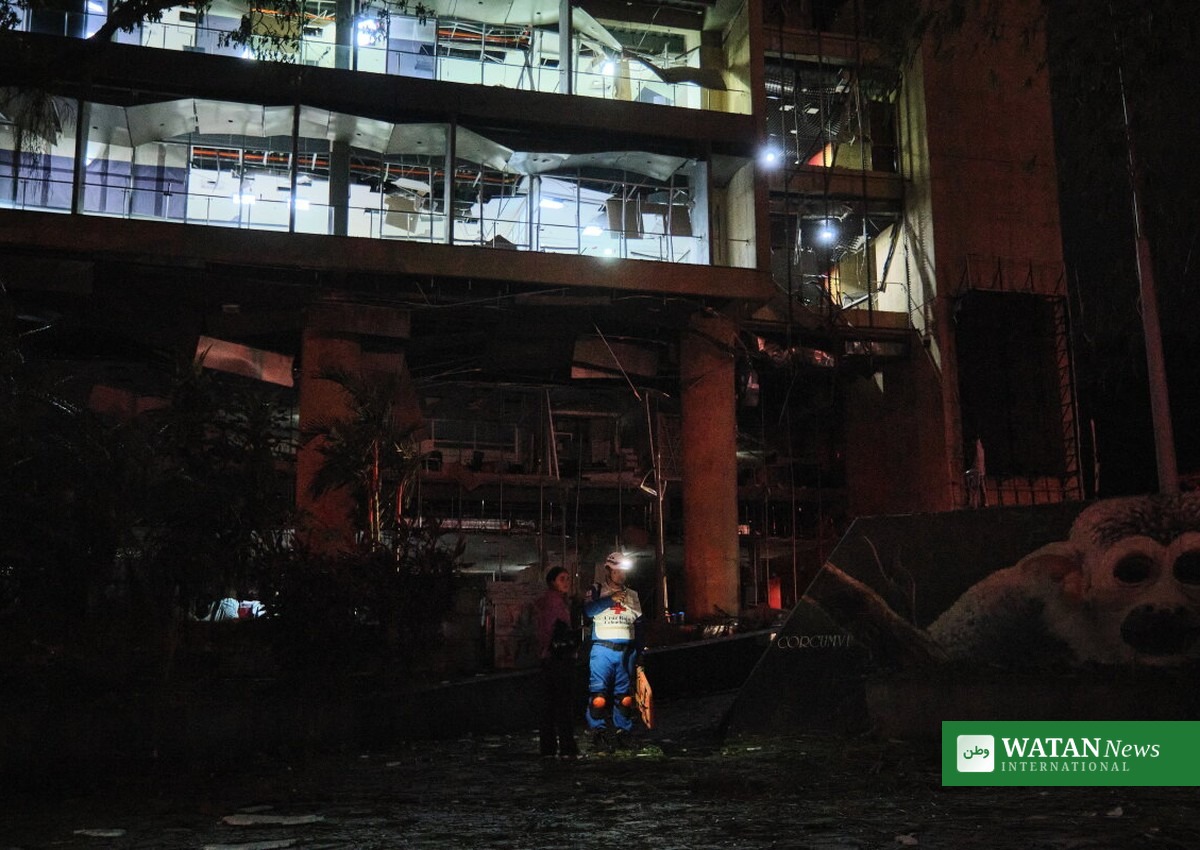
A car bomb exploded outside the regional governor’s office in the Colombian city of Villavicencio on Monday night, injuring 23 people and damaging more than 80 buildings, authorities said on Tuesday. The Villavicencio car bomb is the latest sign of a wave of violence involving rebel groups and drug gangs spreading into Colombia’s cities.
FAKTA
- What happened: A car bomb exploded outside the Meta governor’s office in Villavicencio, Colombia.
- When: Monday night, around 9:30 p.m. local time (02:30 GMT on Tuesday).
- Injured: 23 people, including a nine-year-old girl and five security guards. No deaths were reported.
- Damage: More than 80 buildings damaged, some within a 500-metre radius of the blast.
- Blame: President Abelardo de la Espriella blamed drug trafficking groups. Officials pointed to FARC dissidents.
- Investigation: Under way. No group has claimed responsibility.
Villavicencio car bomb: what happened
The explosion went off near Plaza Los Libertadores in the centre of Villavicencio, the capital of Meta department, a city of about half a million people south-east of Bogota. The vehicle had been left about 10 to 15 metres from the governor’s building. Office staff had already left for the day, leaving security personnel inside.
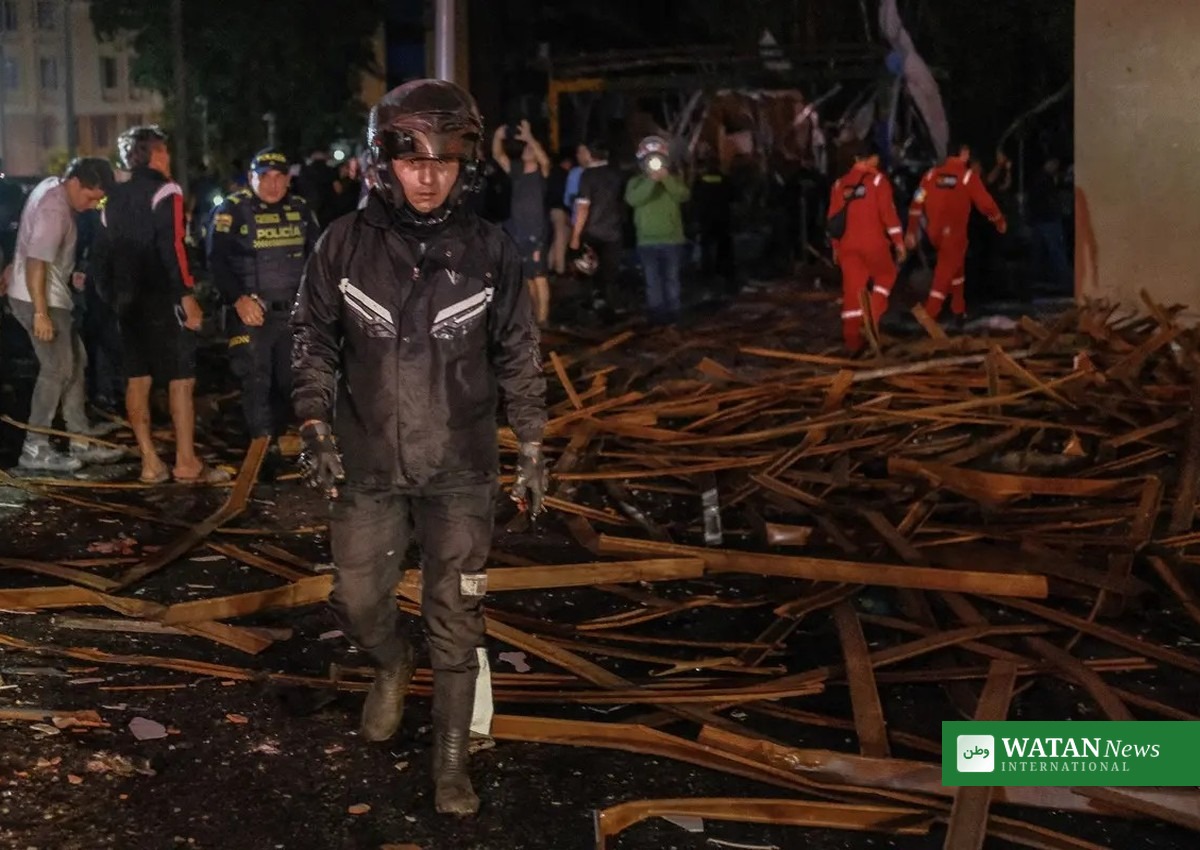
Authorities initially reported 19 injured before raising the toll to 23. Among the injured were five private security guards and a nine-year-old girl. One guard needed surgery. The Meta Health Secretariat’s list of the injured described open fractures, head trauma, lung contusions, shrapnel wounds and hearing damage, and several patients remained in serious condition on Tuesday morning. No deaths had been reported.
Meta’s Security Secretary, Franklin Olivos, said the car carried about 100 kilograms of explosives and caused damage to buildings more than 100 metres away. The blast wave damaged property within a radius of about 500 metres: it blew out the facade and windows of the governor’s office, destroyed businesses including the restaurant El Saman and a two-storey cafe that collapsed, damaged the city’s cathedral and nearby vehicles, and cut electricity in the area. Journalists at the scene described residents seeking shelter amid rubble and a large crater left by the explosion.
President blames drug gangs and rules out talks
President Abelardo de la Espriella confirmed the attack in a post on X shortly after the explosion, writing: “They have just carried out a bombing attack on the Meta Governor’s Office.” He blamed drug trafficking groups, which he called “narco-terrorists”, and said: “Narco-terrorism is desperate because we are confronting it decisively. It seeks to intimidate us and force us to back down so it can seek another sham peace process.”
On Tuesday, he vowed to intensify operations against rebel groups, saying those behind the attack “will pay for every drop of blood they have shed, and for every building they have destroyed”. He ruled out any dialogue with drug trafficking organisations.
Olivos blamed the 39th Front, a unit of the FARC dissident group EMC, which controls large areas of jungle territory in southern Colombia. Mayor Alexander Baquero told Colombian radio station Blu that he believed a FARC holdout group operating in Meta province was behind the attack, seeking retaliation for military strikes against it. No group has claimed responsibility, and the attack remains under investigation.
A spreading wave of violence
During the first three months of his term, De la Espriella has increased the use of air strikes against drug gangs and rebel groups in rural areas and acted on military intelligence to capture several midlevel commanders. Rebel groups have responded with drone attacks on police stations and military bases, rockets made from gas cylinders and roadside bombs.
The attack comes as Colombia marks the 10th anniversary of the historic 2016 peace agreement between the government and the Revolutionary Armed Forces of Colombia, or FARC, in which more than 14,000 fighters laid down their weapons. Colombian broadcaster RCN described the bombing as the first car bombing in Villavicencio in 20 years.
Villavicencio is a major agricultural and commercial hub on the edge of the Amazon rainforest, where rebel groups have long fought over control of drug trafficking routes, as well as cattle ranches and palm plantations. Colombia is experiencing its most severe wave of criminal violence in a decade.
Related coverage: Sheikh Hasina plans return to Bangladesh on December 16
Author

usmanch0013@gmail.com
Related Posts

Houthis Attack Aramco’s Jazan Refinery, Saudi Coalition Says
- 0
- 628 words
Yemen's Houthis attacked Saudi Aramco's Jazan refinery on Thursday, the Saudi-led coalition said, a day after the group claimed a strike on...
Read out all
Most Governments Lack a Climate Information Strategy, First Global Mapping Finds
- 0
- 1,427 word
The Forum on Information and Democracy’s first global mapping of 23 countries and the EU finds most governments have no standalone strategy...
Read out all
Going Electric Could Save a Typical UK Household £1,200 a Year, Climate Advisers Say
- 0
- 1,090 word
New analysis from the UK's Climate Change Committee finds the typical household can save £1,200 a year by going electric — and...
Read out all
Iranian Drone Strike in Kuwait Kills Two Italian Technicians
- 0
- 486 words
Two Italian technicians working for Rheinmetall Italia were killed in an Iranian drone attack on an air-defence station in Kuwait, Italy's foreign...
Read out all
North Korea Pushes Ahead With Nuclear Expansion as Kim Tours Weapons Plants
- 0
- 470 words
Kim Jong Un has ordered North Korea to expand its nuclear arsenal, touring uranium enrichment plants and calling for more tactical nuclear...
Read out all
Cleantech Solar to Invest $880 Million in 1.1 GW of Renewables in Tamil Nadu
- 0
- 823 words
Cleantech Solar has signed an agreement with Tamil Nadu to invest about $880 million in 1.1 GW of solar, wind and battery...
Read out all