- 0
- 461 words
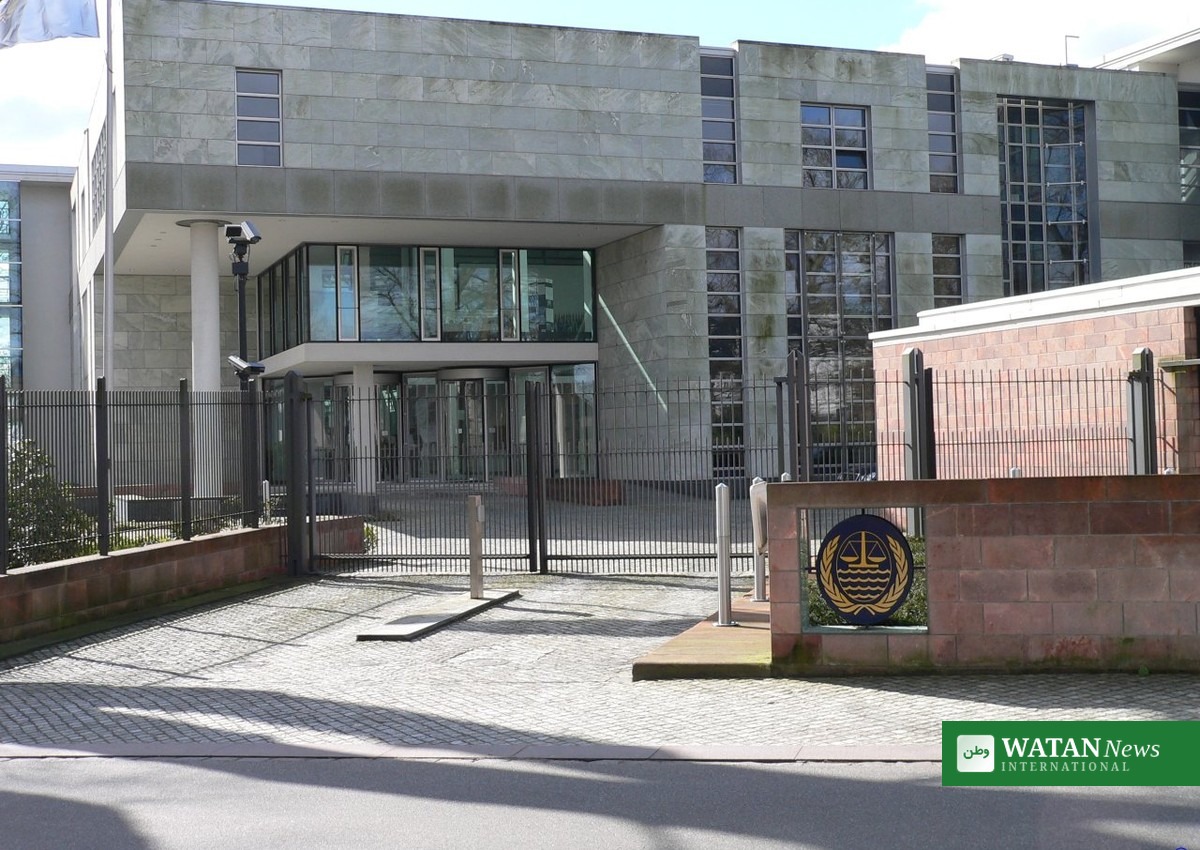
An international court in Hamburg on Saturday rejected Argentina’s request to temporarily halt British-approved oil drilling near the Falkland Islands, handing Buenos Aires a setback in its long-running dispute over the South Atlantic territory. The International Tribunal for the Law of the Sea voted 18 to 3 against Argentina’s application for provisional measures to suspend the Sea Lion oil project, saying it saw no apparent basis to believe it had jurisdiction, as the tribunal cannot decide questions of sovereignty.
FAKTA
- The International Tribunal for the Law of the Sea rejected Argentina’s request for provisional measures by 18 votes to 3 on Saturday, 28 November 2026.
- Argentina asked the tribunal on 13 October to suspend the Sea Lion oil drilling project north of the islands.
- The Sea Lion field holds an estimated 1.7 billion barrels of oil and is a joint venture of Britain’s Rockhopper Exploration and Israel’s Navitas Petroleum.
- The field lies about 220 kilometres north of the islands, which Britain controls and Argentina claims as the Malvinas.
- Britain said drilling would not begin before March 2027, with extraction starting no earlier than March 2028.
- The ruling does not settle the sovereignty dispute or prejudge the case.
What the court decided
Tribunal president Maurice Kamga read out the decision, saying the judges found no apparent basis for believing Argentina had jurisdiction. Argentina had also asked the court to stop Britain granting new authorisations for sea resources around the islands while arbitration continues. The tribunal rejected that too, stressing that Saturday’s ruling does not prejudge whether it has jurisdiction over the underlying dispute. A hearing on the wider case is expected later.
The Falklands oil dispute behind the ruling
Argentina launched arbitration proceedings against Britain in September, arguing the project violates a United Nations resolution calling on both sides to avoid unilateral action until the sovereignty dispute is resolved. Britain countered that the case was rooted in Argentina’s sovereignty claim, which falls outside maritime-dispute arbitration under the United Nations Convention on the Law of the Sea. The judges accepted that argument. Britain and Argentina fought a ten-week war over the islands in 1982.
Reaction and what happens next
Foreign Secretary Ed Miliband and Attorney General Ellie Reeves welcomed the decision, calling it a vindication of Britain’s robust legal defence and strategy. Reeves had told the court that halting the project would have devastating consequences for the Falkland Islanders and stop them developing their natural resources under their right to self-determination. Britain also called on Argentina to end what it described as economic pressure on the islands. Rockhopper and Navitas are now expected to press ahead under licences granted by the Falkland Islands government and backed by Britain. Argentina did not immediately comment on the ruling. More international news is available on the Watan News English pages.
Author

usmanch0013@gmail.com
Related Posts

Taiwan Local Elections: KMT Holds Taipei as DPP Gains Ground, Nuclear Vote Passes
- 0
- 949 words
Taiwan's local elections delivered a split verdict: the KMT held Taipei as Chiang Wan-an beat Puma Shen, the DPP gained ground to...
Read out all
WWE Star Bronson Reed Dies Aged 38 After Medical Complications
- 0
- 663 words
WWE star Bronson Reed, real name Jermaine Haley, has died aged 38 due to medical complications, three weeks after suffering broken ribs...
Read out all
Fidan Urges Muslim Nations to Help Shape the Emerging World Order
- 0
- 491 words
Turkish Foreign Minister Hakan Fidan has urged Muslim countries to take an active part in shaping the emerging world order, speaking at...
Read out all
Australia Opens 5 GW Renewable Tender with First Nations Set-Aside
- 0
- 704 words
Australia's CIS Tender 12 seeks 5 GW of wind and solar across the National Electricity Market, with mandatory developer ratings and a...
Read out all
Denver Unveils Draft Climate Plan: 85% Clean Power by 2032 and 5,000 New Trees
- 0
- 744 words
Denver's draft 2027-2031 climate plan targets 85% clean electricity by 2032, 5,000 trees in heat-vulnerable areas, cooling for 1,000 homes and zero-emissions...
Read out all
Global Fashion Brands Shift $254 Million in Orders From Bangladesh to India
- 0
- 481 words
Global fashion brands have shifted nearly $254 million in garment orders from Bangladesh to India in early November, as labour unrest and...
Read out all