- 0
- 481 words
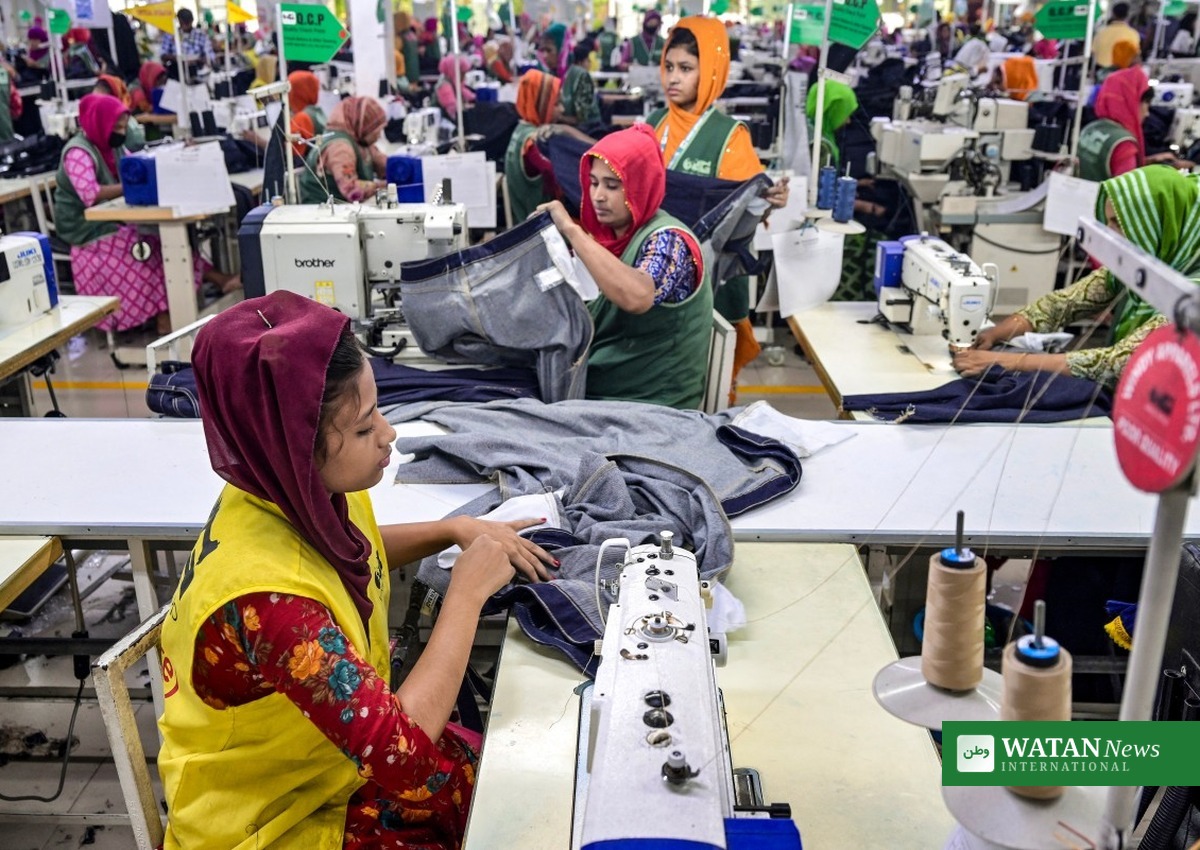
Global fashion retailers including Zara and H&M have shifted nearly $254 million worth of garment orders out of Bangladesh in the first half of November, with most of the business moving to neighbouring India, as labour unrest and rising costs shake the country’s standing as the world’s second-largest clothing exporter.
Three factory owners told Reuters that buyers diverted close to a tenth of monthly orders between 1 and 18 November, with India receiving the bulk and others looking to Vietnam, Cambodia and Indonesia for more reliable delivery.
FAKTA
- Orders diverted: about $254 million, 1–18 November 2026
- Share moved: nearly 10% of monthly garment orders
- Production losses: over $400 million, per the manufacturers’ association
- Sector’s weight: over 80% of export earnings; nearly 40% of manufacturing jobs
- Main beneficiary: India; also Vietnam, Cambodia, Indonesia
- Minimum wage rise: 36%, the smallest in four decades
Orders move as unrest disrupts factories
Labour protests have disrupted factories and caused major delays, with the Bangladesh Garment Manufacturers and Exporters Association putting losses at more than $400 million. Pressure grew when Bangladesh approved a 36% rise in the minimum wage, the smallest in four decades. Workers had demanded more than double their pay, and the decision set off fresh clashes with police. Labour secretary Abdur Rahman Tarafder called the rise satisfactory and hoped workers would return from Saturday.
Industry leaders warned the higher wage would narrow Bangladesh’s cost advantage over India, even as unions argued pay remains low by global standards.
India gains as buyers prioritise speed
India has emerged as the biggest winner. Its textile shares rallied, with Gokaldas Exports jumping as much as 11% and Trident gaining about 5%. Buyers increasingly choose suppliers on delivery times rather than price: India can deliver about a week faster, while Vietnam and Cambodia can cut lead times by as much as 15 days. Rival hubs typically finish within 60 to 90 days, against about 120 days in Bangladesh.
Manufacturers around Dhaka have lost an estimated 20 to 25 production days, and some are turning to overtime and costly air freight. Association director M. Mohiuddin Chowdhury said higher wages, utility bills and raw-material costs were adding to the pressure, and that price becomes secondary when brands face strict deadlines.
A shift that may not reverse
The deeper concern is that orders moved elsewhere may never come back. Association president Mahmud Hasan Khan said temporarily shifting some orders helps keep global clients, but owners fear buyers are now reassessing future sourcing. Energy shortages, worsened by the Middle East crisis, have forced some factories onto costlier alternative power, while uncertainty around former Prime Minister Sheikh Hasina’s possible return to Dhaka from India has added to worries about further disruption.
Industry leaders say restoring stability and uninterrupted production is now essential. As one association director warned, brands have other options and will not wait — a temporary shift could become a lasting change in where the world’s clothes are made. For more international business coverage, visit Watan News.
Author

usmanch0013@gmail.com
Related Posts
Iran Urges Iraq Not to Become ‘Tool’ of US Policy as Border Crossings Close
- 0
- 483 words
Mohammad Mokhber, an adviser to Iran's supreme leader, warned Iraq on Saturday not to become a "tool" of US President Donald Trump's...
Read out all
Taiwan Local Elections: KMT Holds Taipei as DPP Gains Ground, Nuclear Vote Passes
- 0
- 949 words
Taiwan's local elections delivered a split verdict: the KMT held Taipei as Chiang Wan-an beat Puma Shen, the DPP gained ground to...
Read out all
International Court Rejects Argentina’s Bid to Halt Falklands Oil Drilling
- 0
- 461 words
The International Tribunal for the Law of the Sea voted 18 to 3 against Argentina's request to suspend the Sea Lion oil...
Read out all
WWE Star Bronson Reed Dies Aged 38 After Medical Complications
- 0
- 663 words
WWE star Bronson Reed, real name Jermaine Haley, has died aged 38 due to medical complications, three weeks after suffering broken ribs...
Read out all
Fidan Urges Muslim Nations to Help Shape the Emerging World Order
- 0
- 491 words
Turkish Foreign Minister Hakan Fidan has urged Muslim countries to take an active part in shaping the emerging world order, speaking at...
Read out all
Australia Opens 5 GW Renewable Tender with First Nations Set-Aside
- 0
- 704 words
Australia's CIS Tender 12 seeks 5 GW of wind and solar across the National Electricity Market, with mandatory developer ratings and a...
Read out all