- 0
- 1,027 word
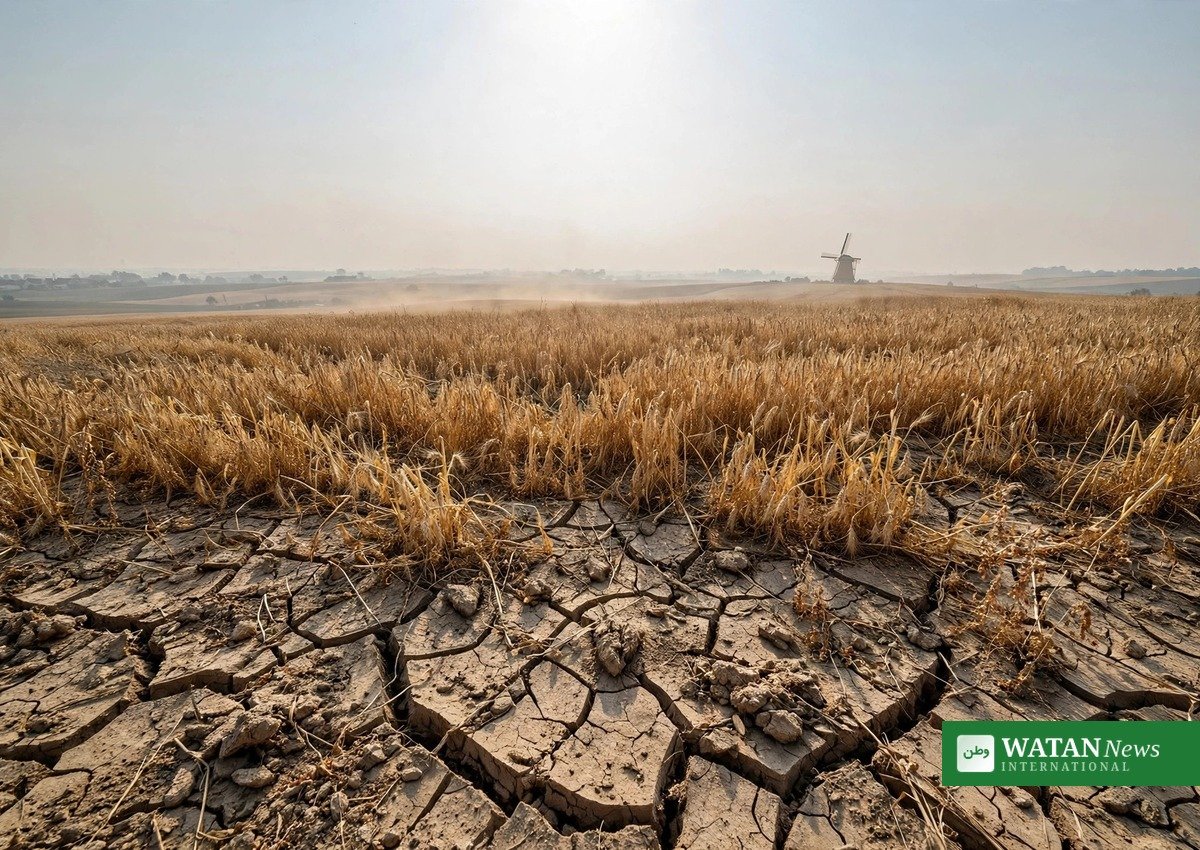
Europe endured its most severe heatwave season on record in the summer of 2026, according to a new update from the EU’s Copernicus Climate Change Service released on Friday. Surface air temperatures in western Europe ran 2.5°C above the recent decadal average from June to August, while just over half of the continent was gripped by “very strong” heat stress that felt hotter than 38°C. The Europe heatwave 2026 killed tens of thousands of people, ruined harvests and shut power plants — a grim preview of the continent’s climate future.
FAKTA: Key Facts at a Glance
- Western Europe, June–August 2026: surface air temperatures 2.5°C above the recent decadal average (Copernicus Climate Change Service, 2 October 2026).
- 52% of Europe experienced “very strong” heat stress — conditions that feel like at least 38°C — the highest share on record.
- Western Europe suffered its hottest summer since records began and a record 13 days of “very strong” heat stress.
- At least 60% of western Europe endured temperatures above 30°C on 17 days this summer — compared with 11 days in 2003 and 7 in 2025.
- Europe as a whole recorded its third hottest summer on record.
- Tens of thousands of people died across the continent; Europe’s rivers recorded their lowest flows in more than three decades.
- A swelling El Niño of unprecedented strength is expected to cause almost half a million extra heat-related deaths globally by February.
Europe Heatwave 2026 Broke Records Across the West
The EU’s Copernicus Climate Change Service confirmed that western Europe experienced its hottest summer since records began, while milder but still deadly heat across the rest of the continent made the season Europe’s third hottest on record. Surface air temperatures in western Europe from June to August were 2.5°C above the recent decadal average.
The heat arrived shockingly early: a powerful heatwave that boggled climate scientists struck in late May, and extreme heat persisted into September. The report found at least 60% of western Europe suffered through temperatures above 30°C on 17 days this summer — far beyond the benchmarks of previous notorious heat years:
| Summer | Days above 30°C in western Europe |
|---|---|
| 2003 | 11 days |
| 2025 | 7 days |
| 2026 | 17 days |
The high heat also produced a record-breaking 13 days of “very strong” heat stress across western Europe, with just over half the continent exposed to such conditions at times — the highest share ever recorded.

Tens of Thousands of Deaths and a Health Emergency
The scorching temperatures had a direct and deadly impact on public health. Recurring heatwaves, made hotter and more common by climate breakdown, killed tens of thousands of people across the continent. Heat stress occurs when high temperatures and humidity mean the body cannot cool itself through sweating — its symptoms include increased heart rate, nausea, dizziness and heat stroke, which can be life-threatening.
Extreme heat poses particular risks to outdoor workers, the elderly and people with conditions such as cardiovascular disease and diabetes. The danger is set to grow: the report notes a swelling El Niño of unprecedented strength, which has broken temperature records months before its expected peak at the end of the year, and is expected to cause almost half a million extra heat-related deaths globally by February.
Ruined Harvests, Dried Rivers and Strained Power Plants
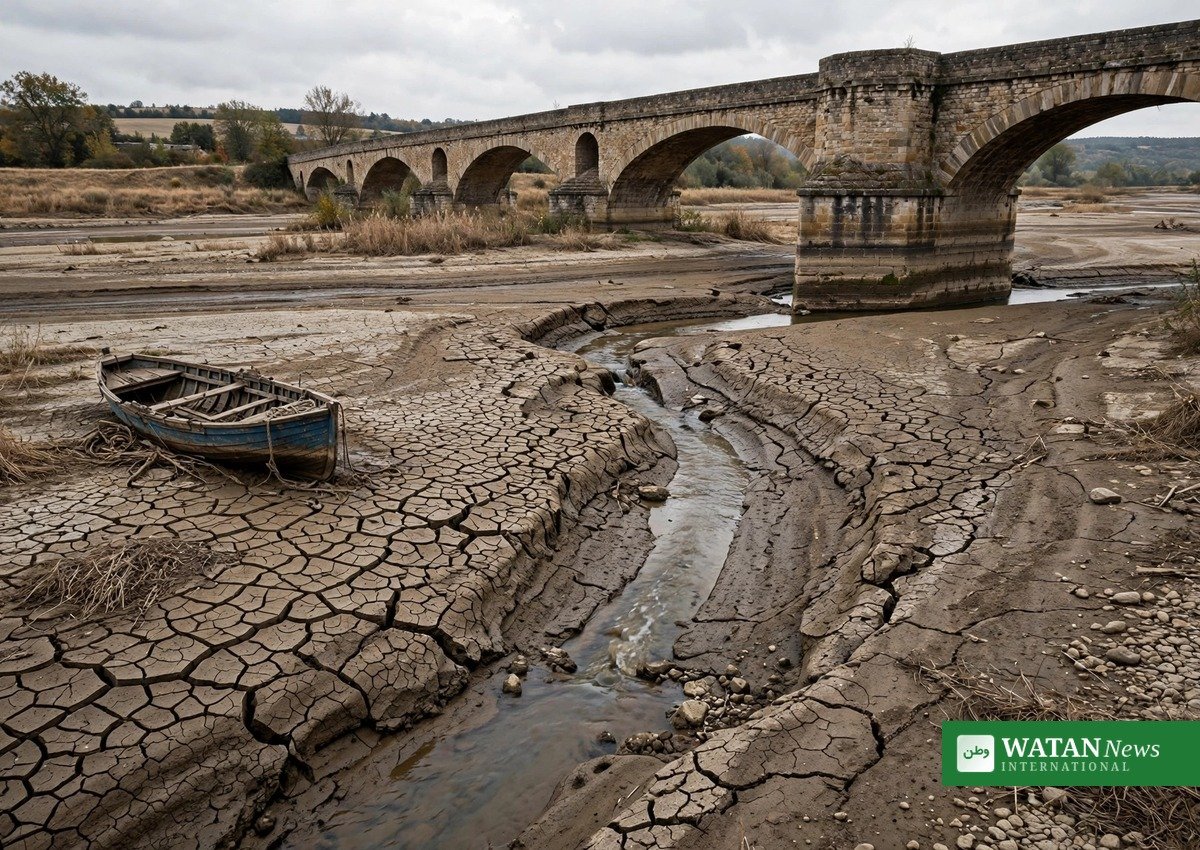
Beyond human health, the extreme heat devastated agriculture across the continent. Persistent high temperatures and drought parched farmlands, sharply reducing crop yields and raising concerns about food security, farmers’ livelihoods and economic stability. Europe’s rivers recorded their lowest flows this summer in more than three decades, further straining water availability for irrigation and industry.
Critical infrastructure buckled under the strain: power plants were forced to shut or scale back operations, and energy systems across regions faced severe stress. In Europe, where El Niño’s effects are felt mostly indirectly — for instance through higher food prices and inflation — the report found that the intense heat itself is the result of fossil fuel pollution clogging the atmosphere.
Fossil Fuels Are Driving the Extreme Heat
Scientists are clear that fossil fuel pollution is exacerbating the climate crisis behind the intensifying heatwaves. Human-caused climate change has made Europe the world’s fastest-warming continent, according to the World Meteorological Organization. As the climate continues its warming trajectory, the findings serve as a stark warning that Europe must urgently build resilience — investing in infrastructure, public health systems and sustainable practices — to cope with increasingly frequent and intense climate shocks. Read more on this story at the main Watan News site.
Conclusion
Europe’s summer of 2026 was marked by record-breaking heatwaves that brought significant loss of life, ruined harvests and severe strain on water and energy systems. The Copernicus findings serve as a critical wake-up call, underscoring the escalating threat of climate change and the urgent need for stronger resilience measures across the continent.
Frequently Asked Questions
What did the Copernicus report find about Europe’s summer of 2026?
It found western Europe had its hottest summer on record, with surface air temperatures 2.5°C above the recent decadal average from June to August, and Europe as a whole recorded its third hottest summer on record.
How widespread was the extreme heat?
Just over half of Europe (52%) experienced “very strong” heat stress — conditions feeling like at least 38°C — the highest share on record. At least 60% of western Europe endured temperatures above 30°C on 17 days.
How does 2026 compare with the notorious heat year of 2003?
Far worse by this measure: western Europe saw 17 days above 30°C in 2026, compared with 11 days in 2003 and 7 days in 2025. The summer also brought a record 13 days of “very strong” heat stress.
What caused the extreme heatwaves?
The report attributes the intense heat to fossil fuel pollution driving climate change. A swelling El Niño of unprecedented strength is also raising global temperatures and is expected to cause almost half a million extra heat-related deaths worldwide by February.
Did the heatwaves affect harvests and water supplies?
Yes. The extreme heat ruined harvests across the continent, parched farmlands, and drove Europe’s rivers to their lowest flows in more than three decades, while power plants were forced to shut or cut back.
Author

usmanjaved13132@gmail.com
Related Posts

Trump Rules Out Nuclear Strike on Iran, Warns of New Strikes on Pickaxe Mountain
- 0
- 694 words
Washington, D.C. — President Donald Trump has ruled out using nuclear weapons against Iran in the ongoing war, but warned that the...
Read out all
Cyprus Israel Lobby Row: Pro-Israel Parliamentary Group Sparks Political Dispute
- 0
- 480 words
NICOSIA — A Cyprus Israel lobby row has erupted on the divided Mediterranean island after six lawmakers launched a new parliamentary chapter...
Read out all
Brewers Sweep Dodgers to Reach World Series for First Time Since 1982
- 0
- 580 words
The Milwaukee Brewers are going to the World Series for the first time in 44 years. Down 4-0 in the early innings...
Read out all
Lukashenko Says Trump Should Not Dictate Ukraine’s Future
- 0
- 497 words
Belarusian President Alexander Lukashenko said on Friday that US President Donald Trump should not dictate Ukraine’s political future, declaring that only the...
Read out all
Russian Drone Strikes Kill Three Across Ukraine, Cut Power to 370,000
- 0
- 419 words
Russian drone strikes across Ukraine killed at least three people and knocked out electricity to around 370,000 residents in the northwestern Volyn...
Read out all
Israeli Settlers Torch Olive Trees, Injure Photojournalist in West Bank Harvest Attack
- 0
- 484 words
Dozens of Israeli settlers attacked Palestinian olive harvesters in Abu Falah, West Bank, torching olive trees and injuring two people, including a...
Read out all