- 0
- 807 words
Global food prices climbed to their highest level in nearly four years in September, the United Nations Food and Agriculture Organization (FAO) reported on 2 October, as logistics disruptions and weather concerns pushed up the cost of cereals, sugar and vegetable oils. The FAO Food Price Index averaged 136.0 points in September, up 2.0 points — or 1.5 percent — from its revised August level, marking the highest reading since November 2022.
FAKTA
- The index: 136.0 points in September 2026, up 1.5% from August and 5.8% higher than a year earlier.
- Biggest movers: sugar jumped 6.1% and cereals rose 5.1% in a single month; vegetable oils edged up 0.9%.
- Cooling segments: meat prices eased 1.1% while dairy held broadly stable.
- The drivers: shipping disruptions in the Strait of Hormuz and the Black Sea, plus fears of a severe El Niño weather pattern.
Cereals and sugar drive the increase
The agency’s benchmark indices for the three crop-based commodity groups — cereals, vegetable oils and sugar — all increased from the previous month, while the meat price index declined and the dairy price index remained stable. The September reading stood 7.4 points (5.8 percent) higher than a year earlier, though it remained 24.3 points (15.1 percent) below the record peak reached in March 2022.
What moved in September
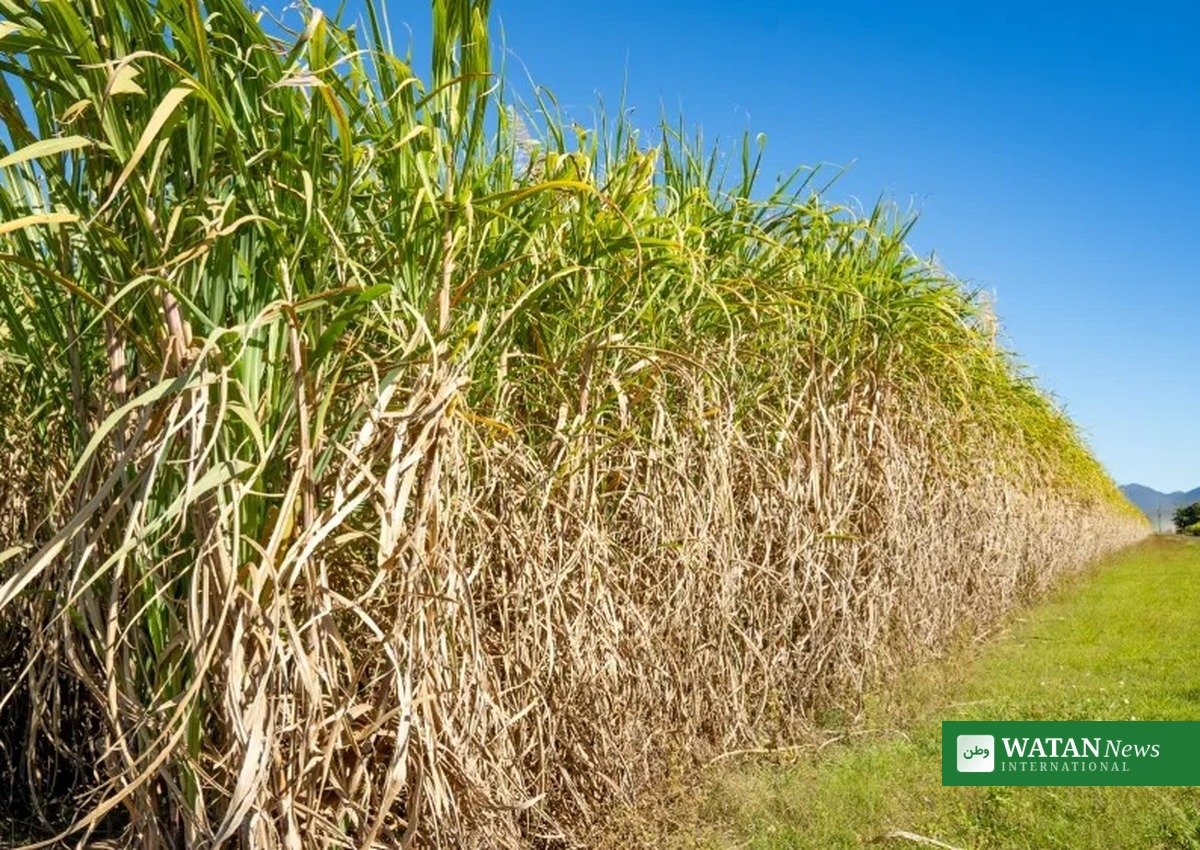
Sugar was the fastest-rising major category. The FAO’s sugar price index jumped 6.1 percent from August — a third consecutive monthly increase — taking international sugar prices to an 18-month high as concerns about a severe El Niño weather pattern raised the risk of weaker production in major growing regions.
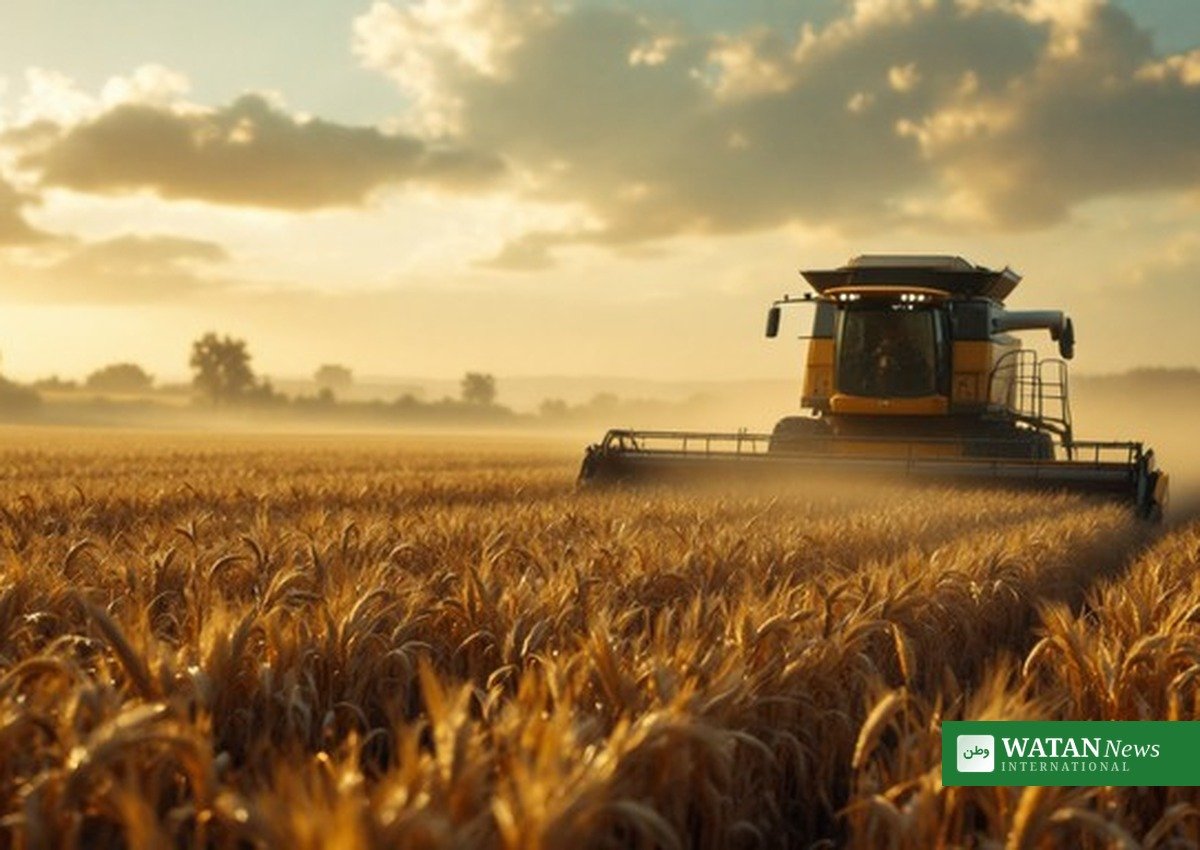
The cereal price benchmark rose 5.1 percent on the month, averaging 122.8 points — 17.2 percent above September 2025. Reduced yield prospects for US corn added to the pressure from disruptions to Black Sea grain trade, which pushed wheat futures to a three-year peak in early September. Vegetable oil prices edged up 0.9 percent to 198.6 points, 18.3 percent above a year earlier, driven by palm oil on the back of strong demand and concerns over El Niño-related production risks in Southeast Asia.
Index snapshot
| Commodity group | September 2026 index | Change vs August | Change vs a year earlier |
|---|---|---|---|
| Overall Food Price Index | 136.0 | +1.5% | +5.8% |
| Cereals | 122.8 | +5.1% | +17.2% |
| Vegetable oils | 198.6 | +0.9% | +18.3% |
| Dairy | 119.1 | −0.1% | −19.1% |
| Meat | 127.9 | −1.1% | Roughly unchanged |
| Sugar | 114.0 | +6.1% | +14.7% |
Meat and dairy buck the trend
Not every category moved higher. The FAO’s overall meat index eased 1.1 percent to 127.9 points, reflecting lower poultry prices — partly linked to a drop in European Union demand as new import rules took effect. Dairy prices held broadly stable at 119.1 points, just 0.1 percent below August, and remained 19.1 percent lower than the level seen twelve months earlier.
Logistics and weather squeeze supply chains
FAO Chief Economist Máximo Torero said the agency was seeing “a persistent and increasingly broad-based build up in global commodity prices, as disruptions in the Strait of Hormuz and the Black Sea combine with climate shocks, putting pressure on energy, transport and key food commodities.”
“If sustained, these pressures will soon pass through to consumer food prices, especially in food and energy import-dependent countries,” Torero added.
The FAO maintained its forecast for global cereal production in 2026 largely unchanged at 2.979 billion metric tons — 2.1 percent below 2025 levels but still the second-highest harvest on record. It also lowered its projection for global cereal trade in 2026/27 by 0.7 percent, citing reduced expectations for wheat and maize exports amid constrained shipping routes in the Black Sea.
For more on the FAO’s monthly gauge, see the FAO Food Price Index page. Related coverage: Watan News food section.
What it means for shoppers
The index tracks international prices for a basket of traded food commodities, not supermarket shelf prices — but sustained increases at this level can eventually feed through to household grocery bills, particularly in countries that rely heavily on imported food and energy. With sugar at an 18-month high and wheat at a three-year peak, the coming months will test whether the current squeeze is a short shock or the start of a longer upward trend.
Frequently asked questions
What is the FAO Food Price Index?
It is a monthly measure of the international prices of a basket of widely traded food commodities — cereals, vegetable oils, dairy, meat and sugar — published by the UN Food and Agriculture Organization. It stood at 136.0 points in September 2026.
Why did food prices rise in September 2026?
Shipping disruptions in the Strait of Hormuz and the Black Sea, fears of a severe El Niño weather pattern, and reduced yield prospects for crops such as US corn combined to lift cereal, sugar and vegetable oil prices.
Are retail food prices affected?
The index measures international commodity prices, not consumer prices. FAO chief economist Máximo Torero warned, however, that sustained pressure could pass through to consumer food prices, especially in import-dependent countries.
Author

usman2344913@gmail.com
Related Posts

Deputy Prime Minister/Foreign Minister Senator Muhammad Ishaq Dar giving a briefing on Pakistan’s engagements
- 0
- 917 words
Deputy PM and Foreign Minister Ishaq Dar briefed the media in Islamabad on Pakistan's engagements at the 81st UNGA session — 28...
Read out all
In Pictures: Hunza Valley Burns Gold as Autumn Peaks in the Karakoram
- 0
- 486 words
From mid-October to mid-November, Hunza Valley turns gold and crimson — Baltit Fort above amber poplars, Attabad Lake's turquoise glow, and the...
Read out all
Netflix Releases ‘Schumacher ’94 — The Birth of a Legend’ With Rare Corinna Schumacher Interview
- 0
- 803 words
Netflix releases 'Schumacher '94 — The Birth of a Legend' on October 2, 2026 — a 105-minute documentary on Michael Schumacher's dramatic...
Read out all
Global Air Passenger Demand Slips 0.8% in August as Middle East Downturn Bites: IATA
- 0
- 840 words
IATA reports global air passenger demand fell 0.8% in August 2026 as Middle East carriers' demand dropped 14.6%; excluding the region, demand...
Read out all
NCDs Now Cause Three-Quarters of Global Deaths as Life Expectancy Nears Pre-Pandemic Level, WHO Says
- 0
- 995 words
WHO's Global Health Estimates show life expectancy at 73.3 years in 2023 while noncommunicable diseases now account for 74 per cent of...
Read out all
Gender Equality 171 Years Away as Institutions Are Stripped of Power, UN Warns
- 0
- 1,013 word
UN Women's Gender Snapshot 2026 finds gender equality is 171 years away at current rates, with one in three equality institutions stripped...
Read out all