- 0
- 487 words
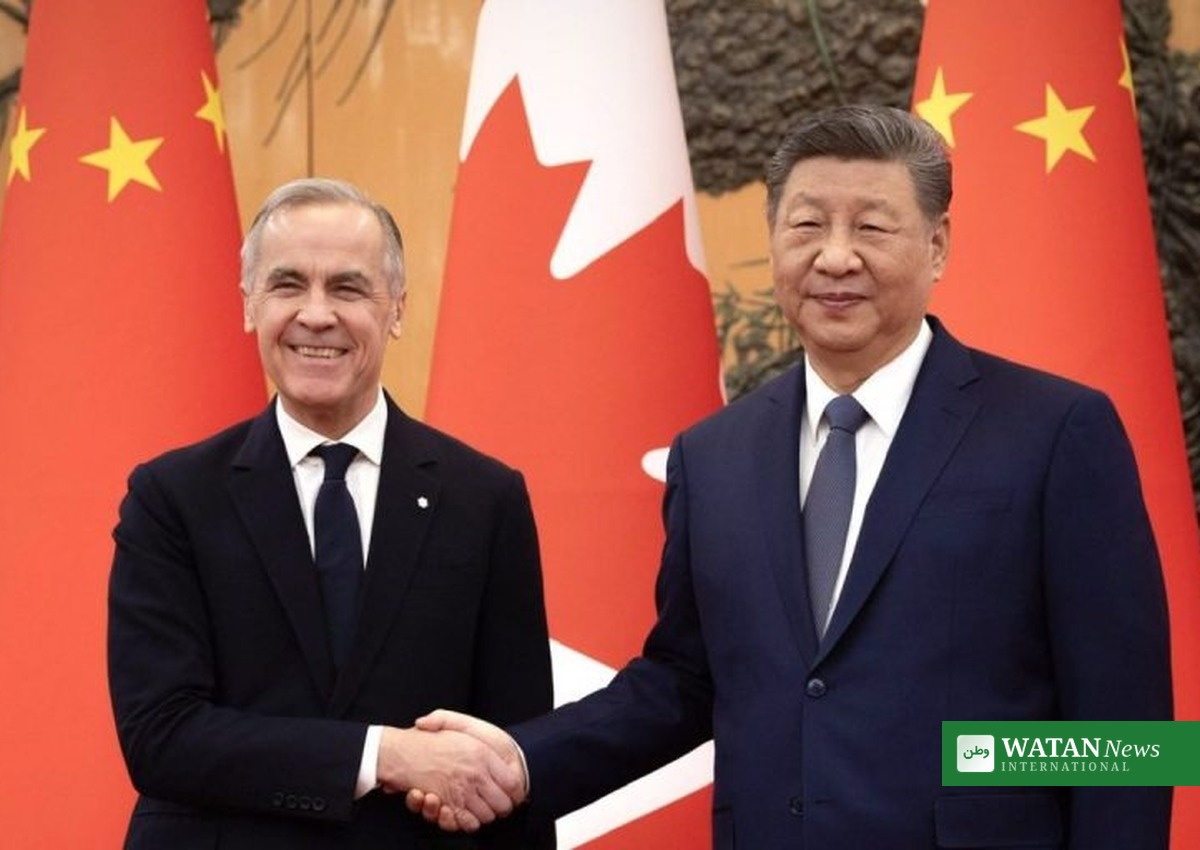
Canada and China have agreed new trade measures cutting tariffs on hundreds of millions of dollars of Canadian farm and seafood exports, after talks between Prime Minister Mark Carney and President Xi Jinping in Shenzhen.
The two leaders met on Tuesday ahead of this week’s Asia-Pacific Economic Cooperation (APEC) summit, their third meeting since Mr Carney took office. Mr Carney said the relationship now offered greater predictability and stability, while Mr Xi said closer ties would benefit the wider Asia-Pacific region too.
FAKTA: Canada-China trade deal at a glance
- New tariff relief: about C$400 million in Canadian exports, including C$116 million in frozen pork cuts and C$285 million in fish and seafood.
- Canada’s side: tariff relief for certain Chinese steel and aluminium products extended two years beyond expiry at the end of 2026.
- Where and when: Shenzhen, China, Tuesday 17 November 2026, ahead of the APEC Economic Leaders’ Meeting.
- Canada’s goal: to increase exports to China by 50 percent by the end of this decade.
- Background: a strategic partnership launched in January 2026; China has already eased tariffs on Canadian canola seed.
Canada China trade deals bring relief for farmers and seafood producers
The relief covers shrimp and prawns, molluscs including geoduck, sea cucumber and Greenland halibut, alongside frozen pork cuts. It builds on relief announced earlier this month for canola meal, peas, lobster and crab, extended for two more years.
Canada has exported 2.8 million metric tons of canola seed to China so far this year, after sales stalled when duties were imposed in August 2025. Mr Carney said Canada was well ahead of schedule in its plan to lift exports to China by half within the decade.
Cars, energy and finance
Chinese carmakers BYD, Geely and Chery are preparing to enter Canada after Ottawa approved annual imports of 49,000 Chinese cars at 6.1 percent, a quota set to rise to 70,000 vehicles over five years.
Shipments of Canadian crude oil to China have risen by about 37 percent in 2026. The two central banks are moving ahead with a bilateral currency-swap agreement, and qualified Canadian institutions will be encouraged to issue yuan-denominated Panda bonds in China. Mr Xi also pointed to opportunities in green technology, digital industries and e-commerce.
A wider reset, with concerns remaining
Reducing Canada’s heavy reliance on the United States is a central aim of Mr Carney’s approach. Washington has imposed heavy tariffs on several Canadian products, and US President Donald Trump has threatened to raise tariffs on Canadian cars, trucks and auto parts to 50 percent from 25 percent on 1 January.
Closer ties with Beijing have raised concerns in Canada. Human rights groups and security analysts have pointed to China’s treatment of Jimmy Lai, the execution of four Canadians last year, and Canadian intelligence reports of alleged Chinese interference in federal elections, which Beijing has denied. Even so, Tuesday’s announcements signal that both governments intend to keep expanding economic ties.
More international coverage is available on Watan News.
Author

usmanch0013@gmail.com
Related Posts
Five EU Countries Plan Rwanda Return Hub for Rejected Asylum Seekers
- 0
- 983 words
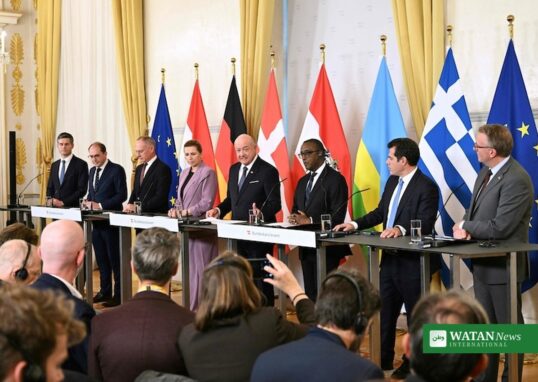
Five EU countries — Germany, Austria, Denmark, Greece and the Netherlands — have announced a joint return hub in Rwanda for migrants...
Read out all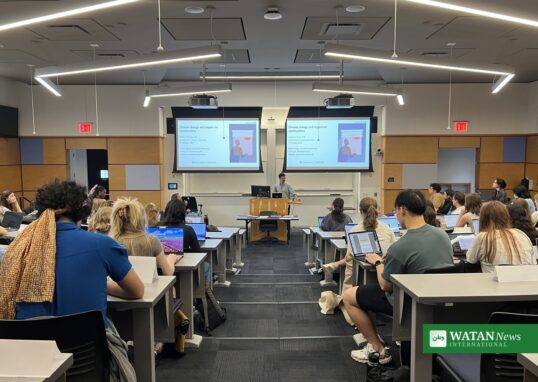
COP31: Mediterranean Universities Put Climate Education at the Heart of the Antalya Talks
- 0
- 1,073 word
Mediterranean universities take centre stage at COP31 in Antalya today, with two events putting climate education — from curricula to campuses —...
Read out all
Tehran Praises Islamabad’s Mediation as Hormuz Peace Plan Wins Regional Backing
- 0
- 492 words
Iran says it is satisfied with Pakistan's mediation with the United States, as ECO foreign ministers back a two-day plan to reopen...
Read out all
COP31: Artists Unite for Climate as First Culture Global Stocktake Launches in Antalya
- 0
- 1,348 word
Artists from around the world are mobilising at COP31 in Antalya, as the United Artists for Climate campaign runs through the summit...
Read out all
Russian Missiles Hit Two Major Kyiv Bridges, Cutting Water and Power
- 0
- 888 words
Russian ballistic missiles struck Kyiv's Northern and Southern bridges over the Dnipro River late on Monday, disrupting water and power supplies in...
Read out all
COP31 Youth Champion Launches Back Future Farmers to Give Young People a Future in Agriculture
- 0
- 1,541 word
COP31 Youth Climate Champion Sally Higgins has launched Back Future Farmers at COP31 in Antalya, a 12-month initiative to open land, finance...
Read out all