- 0
- 1,087 word
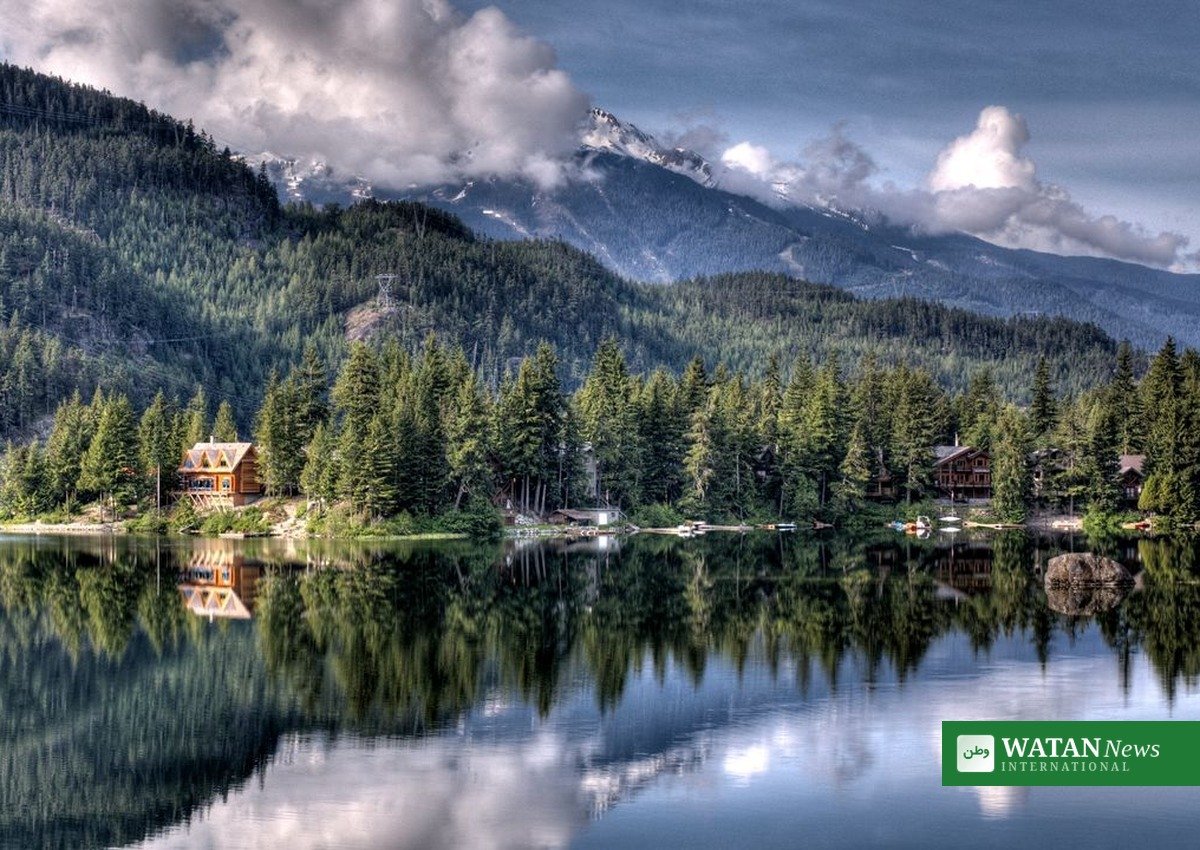
Forget the dawn-to-midnight itinerary, the ten-city sprint and the race to photograph every landmark. In 2026, the most talked-about travel trend has a gentler name: soft travel. It is about slower mornings, quieter places and trips measured not by what you saw, but by how you felt.
According to Vrbo, 91 percent of travellers now say they are interested in slower, simpler trips built around rest, reading, nature and meaningful experiences. Industry analysts describe it as a mindset as much as a travel style — one that blends slow tourism, wellness travel and so-called soft adventure into a single philosophy: ease over intensity.
FAKTA
- 91% of travellers are interested in slower, simpler trips built around rest and nature (Vrbo).
- 56% say their number one leisure travel motivation in 2026 is “to rest and recharge” (Hilton 2026 Trends Report).
- 26% of travellers plan to travel alone in 2026; 48% are adding solo days to their itineraries (Hilton).
- Literary tourism generated $2.4 billion last year and is predicted to reach $3.3 billion by 2034 (Future Market Insights).
- 28 million Americans planned RV road trips this winter, a 33% year-on-year increase (RV Industry Association).
What soft travel actually looks like
Soft travel does not demand a special destination. It is defined by how you approach the trip: one or two activities a day instead of ten, longer stays in one place instead of constant hopping, and time deliberately left open for rest and spontaneity.
Melanie Fish of Expedia, Vrbo and Hotels.com told CNBC: “It’s this slow travel movement. People just want a break from the hustle and bustle of everyday life.” Soft travellers prioritise slower itineraries, fewer destinations, deeper cultural experiences and — above all — time to rest and recharge.
Why the soft travel trend is taking off in 2026
The rise of soft travel is a direct response to how people are feeling in 2026. Years of fast-paced living, constant notifications and burnout have made rest itself the luxury travellers chase.
Hilton’s 2026 Trends Report named “hushpitality” — the quietcation — its number one trend, finding that travellers’ leading leisure motivation is simply “to rest and recharge” (56%). Spending time in nature (37%), improving mental health (36%) and indulging in “me time” (20%) ranked next. The desire for calm even extends to business travel: 27% of business travellers actively seek alone time on work trips, and over half say they would take a trip just to get a break from their family or partner.
There is also a quieter rebellion against overtourism. Crowded hotspots are losing their appeal as visitors turn away from overfiltered destinations and seek off-grid, off-beat places instead. As Hector Hughes, co-founder of the UK digital-detox cabin brand Unplugged, puts it: more than half of his guests now cite burnout and screen fatigue as their main reason for booking.
From reading retreats to the rise of the solo soft traveller
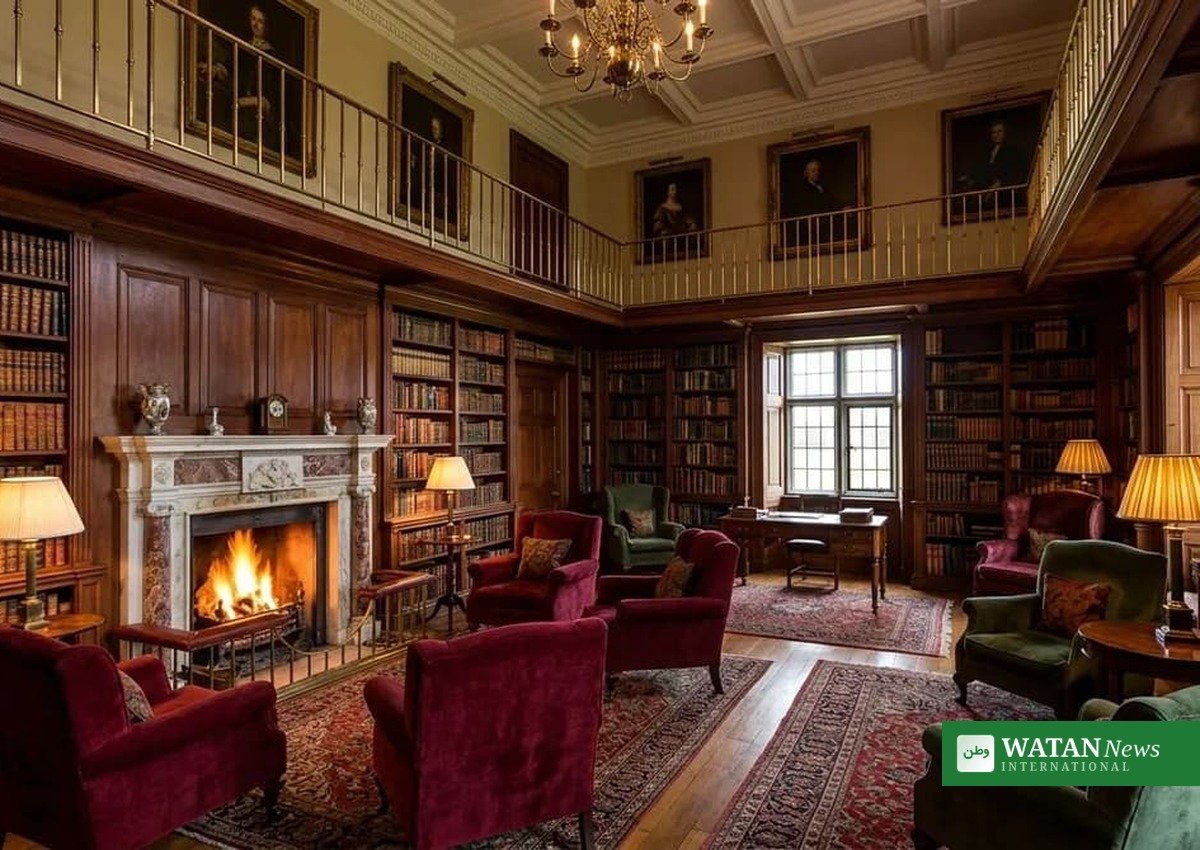
Two sub-trends are riding the soft-travel wave: literary travel and solo travel. Reading has become one of the most anticipated leisure activities of the year — 68% of US vacationers listed it among their top three, and 53% expressed interest in a dedicated reading retreat, rising to 67% among millennials.
Solo travel, meanwhile, continues its surge. Skyscanner’s “solo” hotel filter jumped 83% year-on-year, and Hilton reports that more than a quarter of travellers plan to go alone in 2026, while nearly half will add solo days before or after family trips. Travellers are also choosing the open road: there are 5.9 million #RoadTrip hashtags globally, and the US recreational-vehicle industry says 28 million Americans planned RV trips this winter, up a third on last year.
Soft travel vs. the old checklist holiday
| Soft travel | Old checklist travel |
|---|---|
| 1-2 activities per day | Back-to-back sightseeing |
| Long stays in one place | Constant city-hopping |
| Success = how rested you feel | Success = how much you saw |
| Quieter, off-beat places | Famous landmarks |
| Planned downtime and spontaneity | Every hour scheduled |
Where soft travellers are heading
Parade highlights three standout soft-travel destinations for 2026: Lake Placid, New York, a quiet Adirondack mountain town of serene lakes and gentle hikes; San Miguel de Allende, Mexico, with its colourful streets, artistic energy and unhurried rhythm; and Luang Prabang, Laos, a UNESCO-listed town on a peaceful riverside where travellers join traditional alms-giving ceremonies and cycle through the countryside.
The Explore WorldWide Travel Report adds an interesting wrinkle: bookings for trips longer than eight days have grown 19% in a year — further evidence that people want longer, slower experiences, not shorter and faster ones.
How to travel soft: five simple rules
Plan less, not more
Choose one or two anchor activities per day and let the rest of the day happen. The goal is a trip that feels like a pause, not a production.
Stay longer in fewer places
Resist the urge to hop. A longer stay lets you find the local bakery, the quiet courtyard and the morning ritual — the things travellers actually remember.
Choose calm over crowds
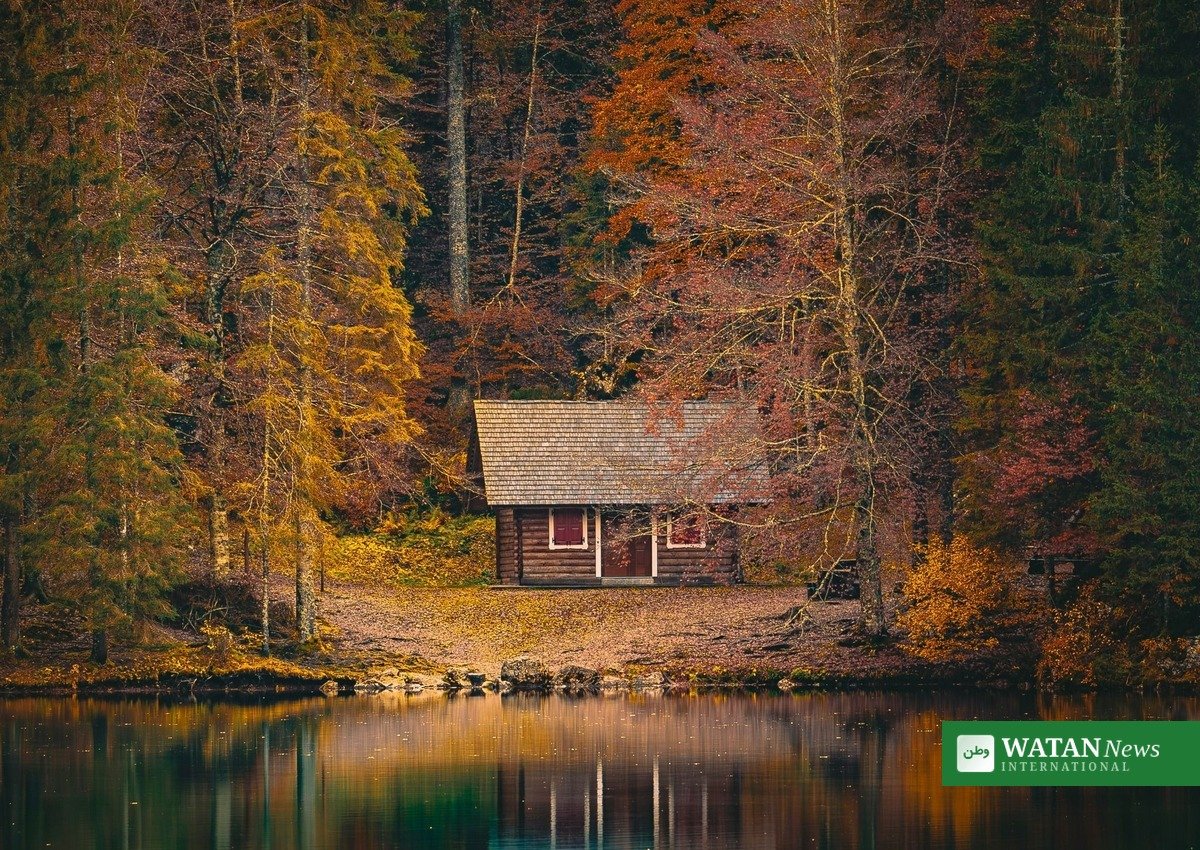
Pick accommodation that emphasises comfort and quiet, and destinations that reward stillness: lakesides, small towns, forests and coastlines.
FAQ
What is soft travel?
Soft travel is the 2026 travel trend centred on slower, restful and more meaningful trips. It blends slow tourism, wellness travel and gentle adventure, prioritising ease, comfort and connection over packed itineraries.
Is soft travel the same as slow travel?
They overlap, but soft travel is broader: it folds in wellness retreats, reading trips, solo journeys and digital detoxes alongside the slower pace of slow travel.
Do I need a special destination to travel soft?
No. Soft travel is a mindset: plan one or two activities per day, stay longer in one place, choose calm accommodation and disconnect from your phone when possible.
Is soft travel expensive?
Not necessarily. Many of its core ingredients — a lake, a quiet town, a good book, a long walk — cost little or nothing. The trend also favours off-season and off-beat destinations, which are often cheaper.
Conclusion
Soft travel is more than a catchy label — it is a shift in what a holiday is for. After years of treating vacations as achievement hunts, travellers in 2026 are asking a different question: how do I want to feel when I come home? The answer, for a growing majority, is rested, unhurried and quietly restored. For more travel inspiration and lifestyle features, explore Watan News Magazine. The best trips this year are not the ones where you saw the most — they are the ones where you finally slowed down enough to enjoy it.
Author

usman2344913@gmail.com
Related Posts

Iran: No Military Solution to War Amid Stalled US Peace Talks
- 0
- 1,004 word
Iran's Foreign Minister Abbas Araghchi said on Sunday there is no military solution to the war with the US, as peace talks...
Read out allUK Conservatives Pledge to Abolish Environment Agency, Natural England
- 0
- 799 words
The UK Conservative party is set to announce a significant deregulation agenda, including the proposed abolition of the Environment Agency and Natural...
Read out allImran Khan’s party launches march to Islamabad demanding his release
- 0
- 769 words
Pakistan Tehreek-e-Insaf (PTI) has initiated a significant march towards Islamabad, with the primary demand being the immediate release of its founder, Imran...
Read out all
Polls close in Bosnia-Herzegovina’s divisive election
- 0
- 1,076 word
Polls have closed in Bosnia-Herzegovina's general election. Early results point to leads for Denis Bećirović, Darijana Filipović and Željka Cvijanović in the...
Read out all
Verity Beats Tom Cruise’s Digger at the Weekend Box Office
- 0
- 1,006 word
Amazon MGM's psychological thriller Verity has decisively beaten Tom Cruise's big-budget satire Digger at the weekend box office, opening to an estimated...
Read out all
Workouts at Work May Wreck Your Sleep, but Exercise for Fun Protects It
- 0
- 1,092 word
Not all movement is equal when it comes to a good night's rest. A new analysis of nationally representative data from more...
Read out all