- 0
- 1,076 word
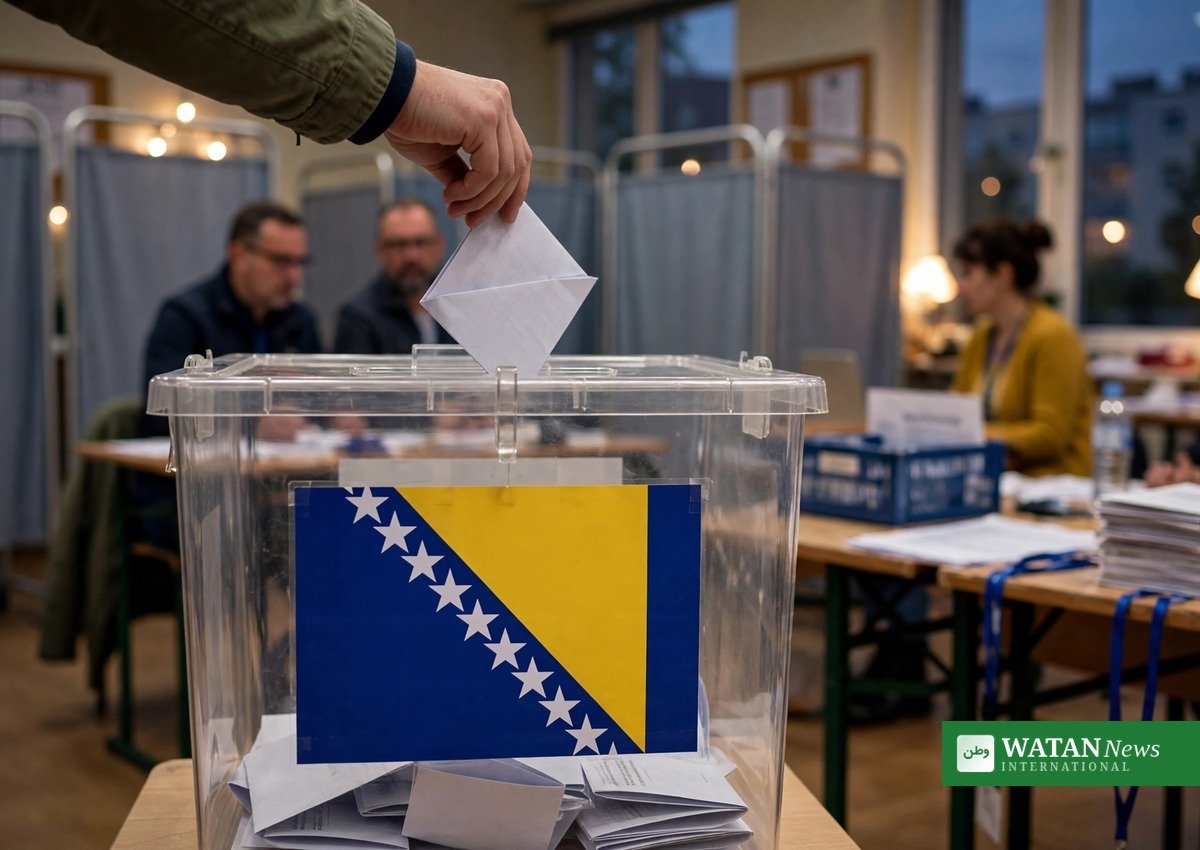
Polls have closed across Bosnia and Herzegovina in a divisive Bosnia-Herzegovina election that once again laid bare the country’s deep ethnic divisions. Around 3.4 million voters were eligible to choose a new tripartite presidency and lawmakers at national, entity and cantonal levels. Early results released on Sunday night pointed to familiar winners: moderate Bosniak Denis Bećirović, Croat nationalist Darijana Filipović and Serb nationalist Željka Cvijanović each held leads in their respective races for the three-member presidency.
Bosnia-Herzegovina election: early presidency results
With most polling stations counted late on Sunday, preliminary figures from the election commission showed Bećirović on 38.1 percent in the Bosniak race, ahead of his longtime rival Bakir Izetbegović of the nationalist SDA on 34.0 percent — a far tighter contest than their 2022 meeting. Filipović of the Croat nationalist HDZ BiH led the Croat race with 46.6 percent, while Cvijanović of the Serb SNSD, seeking a second term in the presidency, commanded 55.3 percent in the Serb race.
| Presidency seat | Leading candidate | Main rival | Vote share* |
|---|---|---|---|
| Bosniak | Denis Bećirović (SDP BiH) | Bakir Izetbegović (SDA) | 38.1% |
| Croat | Darijana Filipović (HDZ BiH) | Slaven Kovačević (DF) | 46.6% |
| Serb | Željka Cvijanović (SNSD) | Marinko Božović (SDS) | 55.3% |
*Preliminary results released by the election commission on Sunday night, with the count still under way. Final results are expected in the coming days.
A vote with the EU bid in the balance
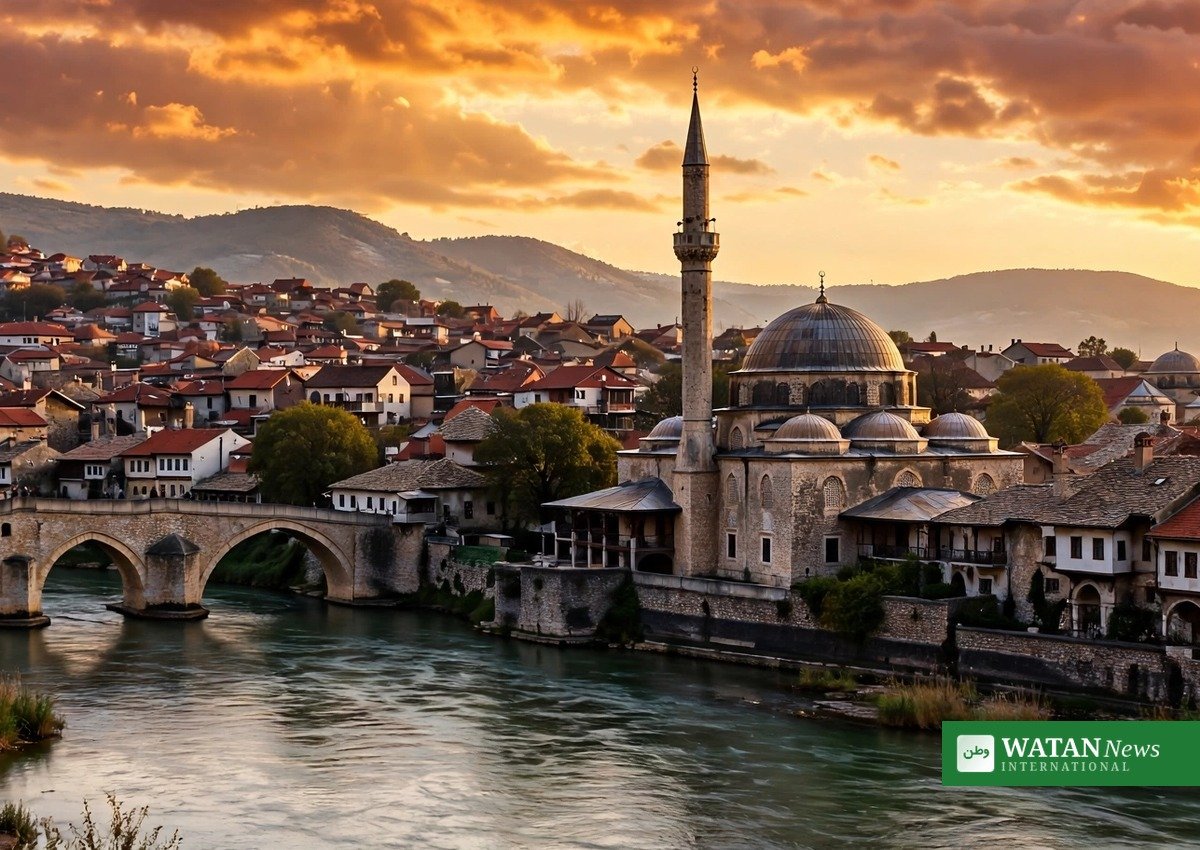
The election pitted the entrenched ethnic parties — the Bosniak SDA, the Serb SNSD and the Croat HDZ BiH — against multi-ethnic opposition coalitions led by the Social Democratic Party. If the ethnically based parties prevail and resume their bickering inside the weak central government, progress toward European Union membership is likely to stall further.
Turnout appeared soft: the election commission put participation at 11.94 percent by 11 a.m., down from around 15 percent at the same point in 2022. In Sarajevo, 51-year-old teacher Ismar Garasljevic summed up the fatigue felt by many voters: more than 30 years after the war, he said, it is the same nationalism, the same faces, the same story. The acting international High Representative, American diplomat Louis Crishock, visited polling stations during the day and urged citizens to vote, saying every ballot would be counted as cast.
Dodik casts a long shadow from the sidelines
Milorad Dodik was not on the ballot, but his presence dominated the campaign in Republika Srpska. The SNSD leader is serving a six-year ban from public office after his conviction for defying the international High Representative’s decisions, and he was removed as president of the Serb-run entity — yet his face appeared on electoral posters across Republika Srpska. At a rally in East Sarajevo on September 22, he declared: “There is no life for us in Bosnia and Herzegovina.”
His party nevertheless looks set to dominate the entity vote, with pre-election tracking putting SNSD on 34.2 percent in Republika Srpska. For the presidency of the entity itself, the race between Prime Minister Savo Minić and Branko Blanuša was reported as too close to call.
Dayton’s complex machine
Bosnia and Herzegovina’s labyrinthine system of government was created by the US-brokered Dayton Peace Accords of 1995, which ended the 1992–95 Bosnian War. Power is divided between the central state, the two largely autonomous entities — the Bosniak-Croat Federation and the Serb-run Republika Srpska — and the self-governing Brčko District, with the three-member presidency rotating among a Bosniak, a Serb and a Croat.
The structure was designed to guarantee ethnic representation, but the ethnic vetoes built into it have repeatedly produced political paralysis. Roughly half the population are Muslim Bosniaks, about 31 percent are Orthodox Serbs and some 15 percent are Catholic Croats — and Sunday’s vote showed the old dividing lines holding firm.
Key facts
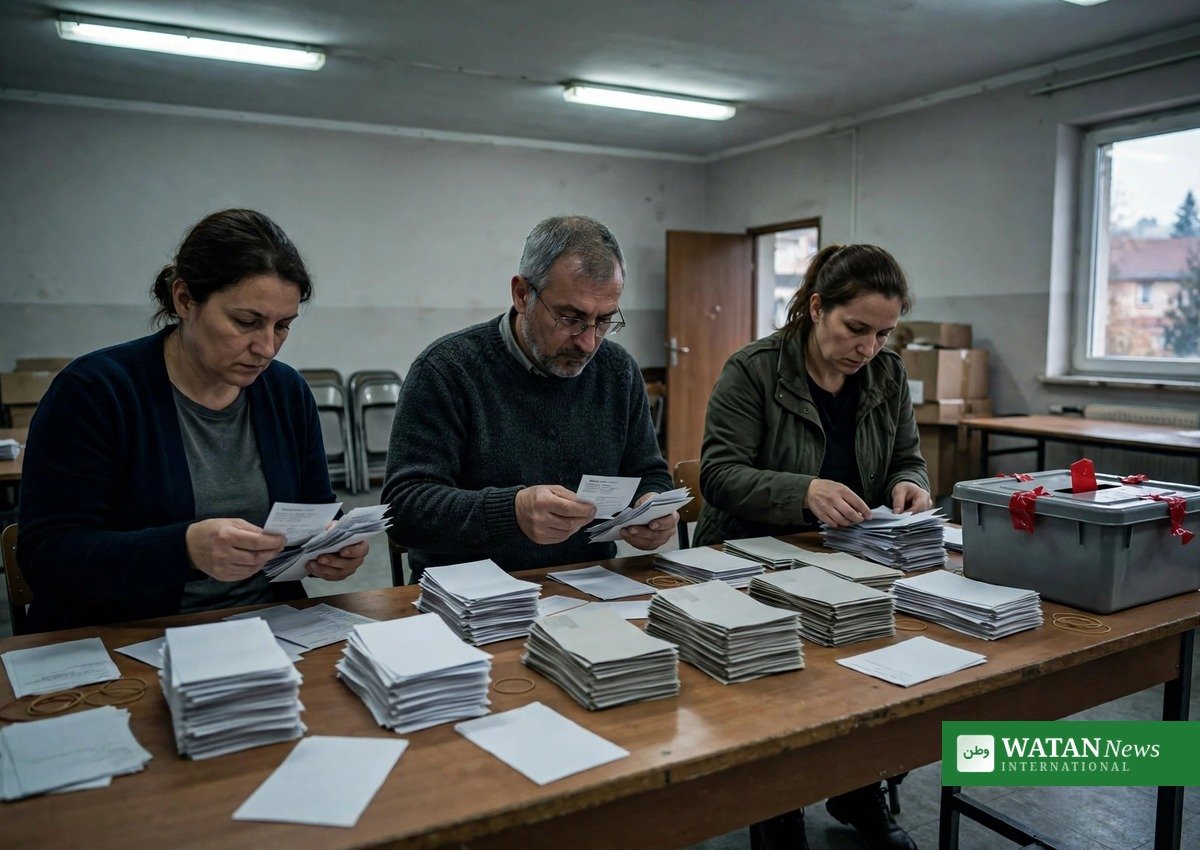
- What: General elections for Bosnia and Herzegovina’s tripartite presidency, the national parliament, and entity and cantonal governments.
- When: Sunday, 4 October 2026. Polls closed at 7 p.m. (1700 GMT); preliminary results were released the same evening.
- Voters: Around 3.4 million eligible; turnout was 11.94% by 11 a.m., down from about 15% at the same time in 2022.
- Early leads (preliminary): Denis Bećirović 38.1% (Bosniak seat), Darijana Filipović 46.6% (Croat seat), Željka Cvijanović 55.3% (Serb seat).
- Dodik: Serving a six-year ban from public office after conviction for defying the High Representative; not on the ballot but still leads SNSD.
- Stakes: The result will shape Bosnia’s stalled bid for European Union membership and the fragile balance created by the 1995 Dayton Accords.
Conclusion
Sunday’s vote delivered no surprises — only a reminder of how little has changed. The same ethnic blocs, the same familiar names and the same gridlocked system that emerged from Dayton are set to govern Bosnia and Herzegovina for another four years, with the country’s European ambitions hostage to the presidency’s arithmetic. Whether the new-old leadership can break the cycle of division will decide far more than the next cabinet: it will decide whether the EU’s door stays ajar. Follow more coverage of the Bosnia-Herzegovina election on Watan News.
FAQ
Who won the 2026 Bosnia-Herzegovina election?
No final winner has been declared. Preliminary results released on Sunday night pointed to leads for Denis Bećirović in the Bosniak race, Darijana Filipović in the Croat race and Željka Cvijanović in the Serb race, but the count was still under way and final results are expected from the election commission in the coming days.
What is the tripartite presidency?
It is a three-member collective head of state created by the 1995 Dayton Peace Accords, with one Bosniak, one Serb and one Croat member elected to represent Bosnia and Herzegovina’s three constituent peoples.
Why could Milorad Dodik not run?
Dodik is serving a six-year ban from public office after being convicted of defying the decisions of the international High Representative. He was removed as president of Republika Srpska but remains the leader of the SNSD party.
What were the Dayton Peace Accords?
The US-brokered 1995 peace agreement that ended the 1992–95 Bosnian War. It divided the country into the Bosniak-Croat Federation, the Serb-run Republika Srpska and the Brčko District, with a weak central government and the tripartite presidency.
What does the election mean for Bosnia’s EU bid?
Bosnia is a candidate for EU membership, but progress depends on reforms that require cooperation across ethnic lines. If ethnonationalist parties dominate the new government and resume blocking central decisions, accession talks are likely to stall further.
Author

usmanjaved13132@gmail.com
Related Posts
UK Conservatives Pledge to Abolish Environment Agency, Natural England
- 0
- 799 words
The UK Conservative party is set to announce a significant deregulation agenda, including the proposed abolition of the Environment Agency and Natural...
Read out allImran Khan’s party launches march to Islamabad demanding his release
- 0
- 769 words
Pakistan Tehreek-e-Insaf (PTI) has initiated a significant march towards Islamabad, with the primary demand being the immediate release of its founder, Imran...
Read out all
Verity Beats Tom Cruise’s Digger at the Weekend Box Office
- 0
- 1,006 word
Amazon MGM's psychological thriller Verity has decisively beaten Tom Cruise's big-budget satire Digger at the weekend box office, opening to an estimated...
Read out all
Workouts at Work May Wreck Your Sleep, but Exercise for Fun Protects It
- 0
- 1,092 word
Not all movement is equal when it comes to a good night's rest. A new analysis of nationally representative data from more...
Read out all
British Airways Returns to Sri Lanka With New London–Colombo Flights
- 0
- 846 words
British Airways is returning to Sri Lanka. The airline will resume nonstop flights between London Gatwick and Colombo from 23 October 2026,...
Read out all
British Museum Opens Korea Exhibition With 2,000 Years of Korean Art
- 0
- 899 words
The British Museum in London has opened "Korea", its first major special exhibition of Korean art in more than four decades. Drawn...
Read out all