- 0
- 1,004 word
Iran’s top diplomat said on Sunday that there is no military solution to the war with the US, as talks on ending the conflict appear to be at an impasse. Foreign Minister Abbas Araghchi told a gathering of foreign ambassadors in Tehran that neither bombing nor fresh sanctions can end the war — “only negotiations based on justice and fairness,” AFP reported.
FAKTA
- Who: Iranian Foreign Minister Abbas Araghchi, speaking to foreign ambassadors in Tehran on Sunday, 4 October 2026.
- Message: “There is no military solution, nor any solution based on new sanctions” to the conflict with the United States.
- Warning: If Washington again chooses military confrontation, Iran’s response “will be stronger than before.”
- The war: Launched by the US and Israel in late February; months of heavy bombardment failed to end it decisively.
- Diplomacy: A June memorandum of understanding set out a framework for a permanent deal, but talks have since stalled; indirect Iran–US contacts at the UN General Assembly last week brought no breakthrough.
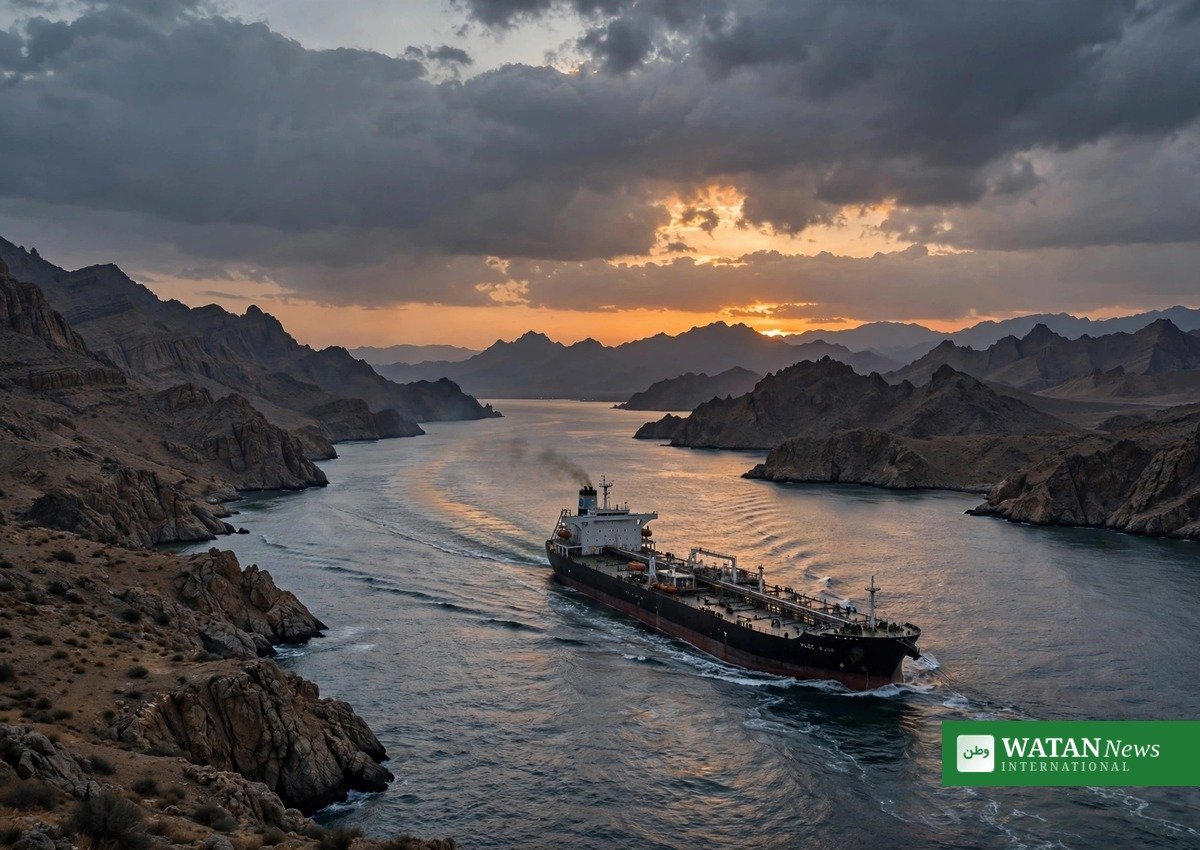
- Flashpoint: Iran’s attempted blockade of the Strait of Hormuz and a US counterblockade of Iranian ports; a tanker was struck by an unknown projectile in the strait on Sunday, according to the British maritime agency UKMTO.
Araghchi: “No Military Solution” to the War With the US
Abbas Araghchi insisted on Sunday that the United States’ war against the Islamic Republic of Iran cannot be won by force. “If our enemies again choose the path of military confrontation, our response will be stronger than before, and we will defend ourselves with even more force,” he said at the gathering of foreign ambassadors.
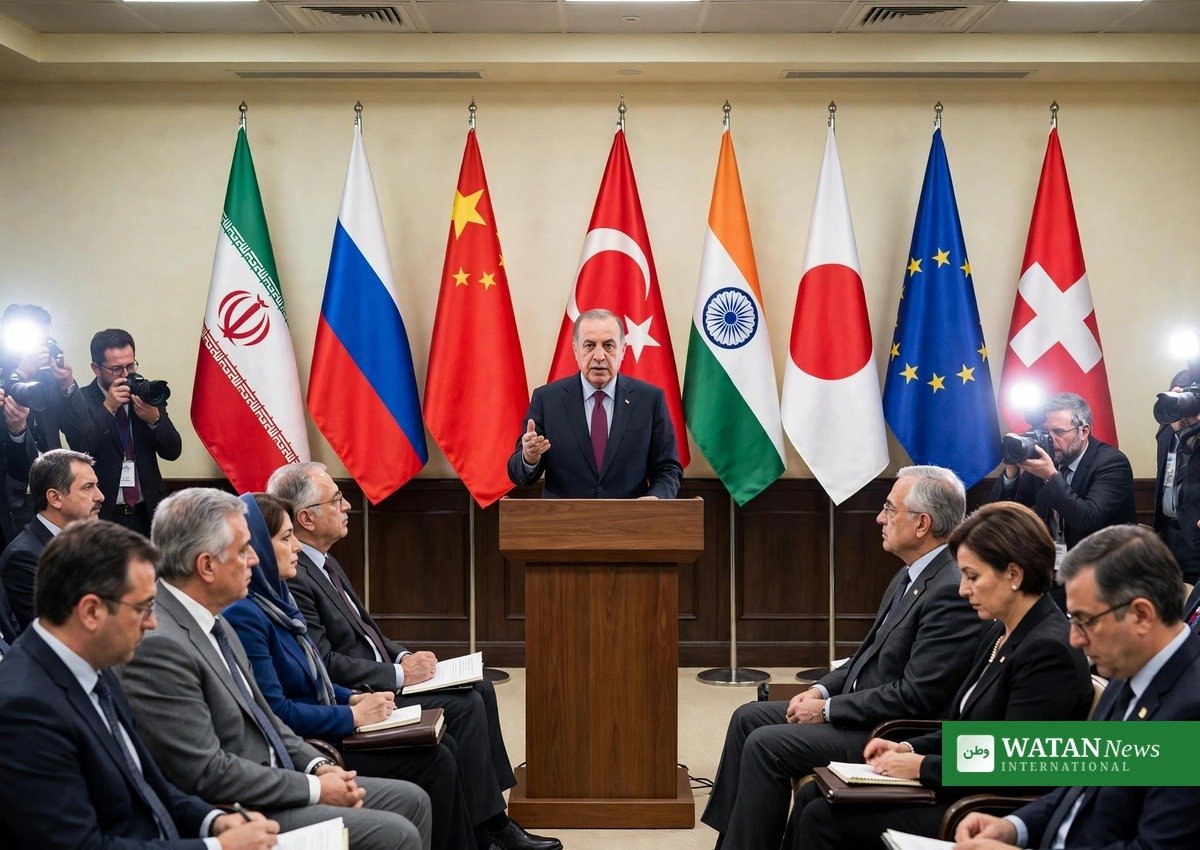
The foreign minister added that new sanctions would not work either. “There is no military solution, nor any solution based on new sanctions,” he continued. “Only negotiations based on justice and fairness” could end the conflict, according to the AFP report also carried by Iran’s state media.
Peace Talks at an Impasse
The two sides agreed a memorandum of understanding in June that laid out a framework for a permanent resolution, but Iranian attacks on vessels in the strait prompted a return to US military operations, AFP reported. Disagreements over the Strait of Hormuz — which Iran has tried to close since the war began — became the deal’s undoing.
Iranian and US officials held indirect talks on the sidelines of the United Nations General Assembly last week. Tehran says it presented seven conditions for reopening the strait; US President Donald Trump rejected the proposal while leaving the door open both to further talks and to renewed military operations.
Washington Shifts From Strikes to Economic Pressure
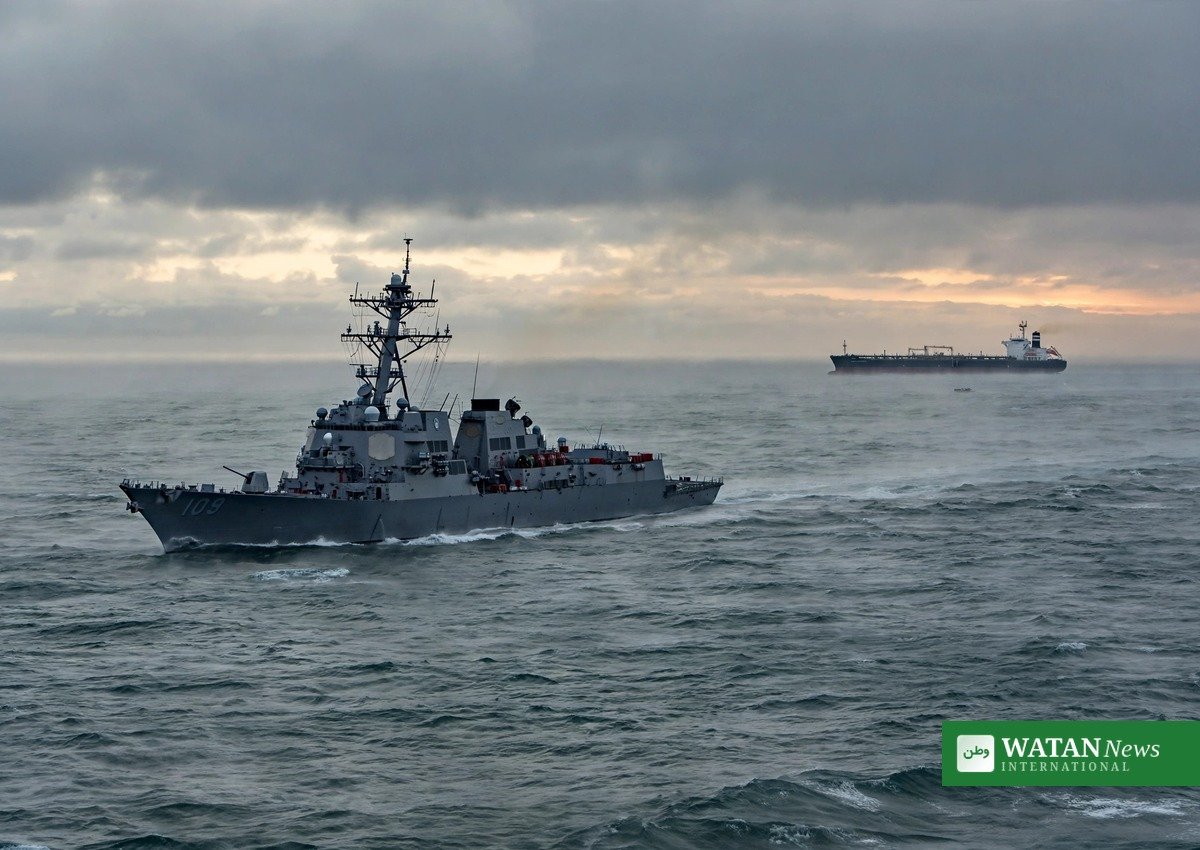
In recent weeks Washington has dialled back its military operations in favour of economic pressure, after a campaign of heavy bombardment failed to bring a decisive close to the war launched by the US and Israel in late February. The United States has not struck Iran since September 1, according to AFP.
US outlet Axios reported that top Trump cabinet members met on Friday to discuss the war in Iran — as well as the conflict in Yemen, where the Tehran-backed Houthis are fighting government forces and attacking Saudi Arabia. The White House has not publicly outlined its next move.
Hormuz: The Strait at the Centre of It All
The main point of contention remains Iran’s attempt to blockade the Strait of Hormuz, the vital conduit for Gulf oil and gas. Iran has sought to impose its control over the shipping lane since the start of the war, striking vessels that try to transit without its authorisation — while the US has imposed its own counterblockade of Iranian ports and struck ships it accuses of violating it. See more coverage from the Middle East section.
Tanker Struck as Tensions Flare
On Sunday the British maritime security agency UKMTO said a tanker in the strait “reported being struck by an unknown projectile, causing damage to the engine room.” The crew were reported safe and no environmental impact was recorded — but the incident underlined how close the world’s most important oil chokepoint remains to a wider escalation.
Conclusion
Araghchi’s message from Tehran was blunt: months of bombardment did not end the war, new sanctions will not either, and the only exit is a negotiated one Washington has so far refused to take. With Hormuz still a flashpoint and a fresh tanker incident on the water, the impasse looks set to continue. Read more on the Iran–US standoff.
FAQ
What did Iran’s foreign minister say on Sunday?
Abbas Araghchi told foreign ambassadors in Tehran that there is “no military solution, nor any solution based on new sanctions” to the war with the United States — only “negotiations based on justice and fairness” could end it.
When did the Iran–US war begin?
According to AFP, the war was launched by the US and Israel in late February, and a campaign of heavy bombardment since then failed to bring a decisive close.
Are peace talks between Iran and the US still ongoing?
Talks are at an impasse. The sides agreed a framework memorandum in June, but it collapsed over Hormuz; indirect contacts at the UN General Assembly last week brought no breakthrough, and Trump rejected Tehran’s latest proposal.
Why is the Strait of Hormuz so important?
It is the vital conduit for Gulf oil and gas. Iran has tried to blockade it since the war began, while the US imposed a counterblockade of Iranian ports — making it the conflict’s main flashpoint.
What happened to the tanker near Hormuz?
The British maritime agency UKMTO said on Sunday that a tanker in the strait was struck by an unknown projectile, damaging the engine room. The crew were safe and no environmental impact was recorded.
Author

usmanjaved13132@gmail.com
Related Posts
UK Conservatives Pledge to Abolish Environment Agency, Natural England
- 0
- 799 words
The UK Conservative party is set to announce a significant deregulation agenda, including the proposed abolition of the Environment Agency and Natural...
Read out allImran Khan’s party launches march to Islamabad demanding his release
- 0
- 769 words
Pakistan Tehreek-e-Insaf (PTI) has initiated a significant march towards Islamabad, with the primary demand being the immediate release of its founder, Imran...
Read out all
Polls close in Bosnia-Herzegovina’s divisive election
- 0
- 1,076 word
Polls have closed in Bosnia-Herzegovina's general election. Early results point to leads for Denis Bećirović, Darijana Filipović and Željka Cvijanović in the...
Read out all
Verity Beats Tom Cruise’s Digger at the Weekend Box Office
- 0
- 1,006 word
Amazon MGM's psychological thriller Verity has decisively beaten Tom Cruise's big-budget satire Digger at the weekend box office, opening to an estimated...
Read out all
Workouts at Work May Wreck Your Sleep, but Exercise for Fun Protects It
- 0
- 1,092 word
Not all movement is equal when it comes to a good night's rest. A new analysis of nationally representative data from more...
Read out all
British Airways Returns to Sri Lanka With New London–Colombo Flights
- 0
- 846 words
British Airways is returning to Sri Lanka. The airline will resume nonstop flights between London Gatwick and Colombo from 23 October 2026,...
Read out all