- 0
- 603 words
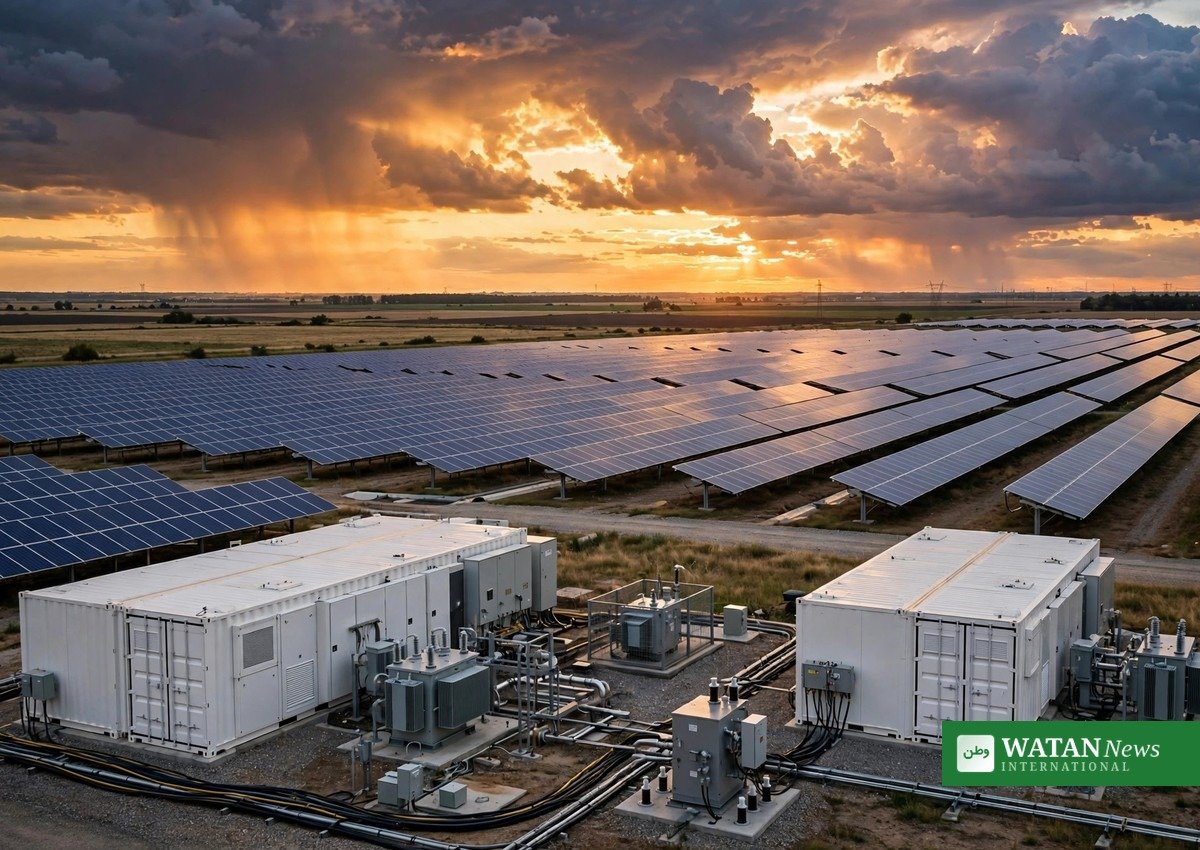
Danish renewable energy developer European Energy has formally opened its first Baltic battery storage facility — a 25 MW / 65 MWh system integrated with its 78.5 MW solar park at Anykščiai in Lithuania. The opening, announced this week, marks a new milestone for hybrid renewable energy projects in the region.
Key Facts
- 25 MW of power capacity and 65 MWh of energy storage — European Energy’s first battery storage project in the Baltic states
- Integrated with the company’s 78.5 MW solar park at Anykščiai, Lithuania — one of the country’s first large-scale hybrid solar-plus-storage facilities
- Connected to Lithuania’s electricity transmission grid, operated by Litgrid, in spring 2026 after extensive testing and technical verification
- The roughly 120-hectare site is expected to generate around 80,000 MWh of renewable electricity a year — equivalent to the annual consumption of about 34,000 households
- A further 12 MW / 50 MWh battery is under construction in Telšiai, while the planned Skuodas Renew project will combine onshore wind, solar power and battery storage at one site
- European Energy operates more than 400 MW of renewable capacity in Lithuania and has about 800 MW of solar, wind and storage projects under development there
A hybrid plant for a more flexible grid
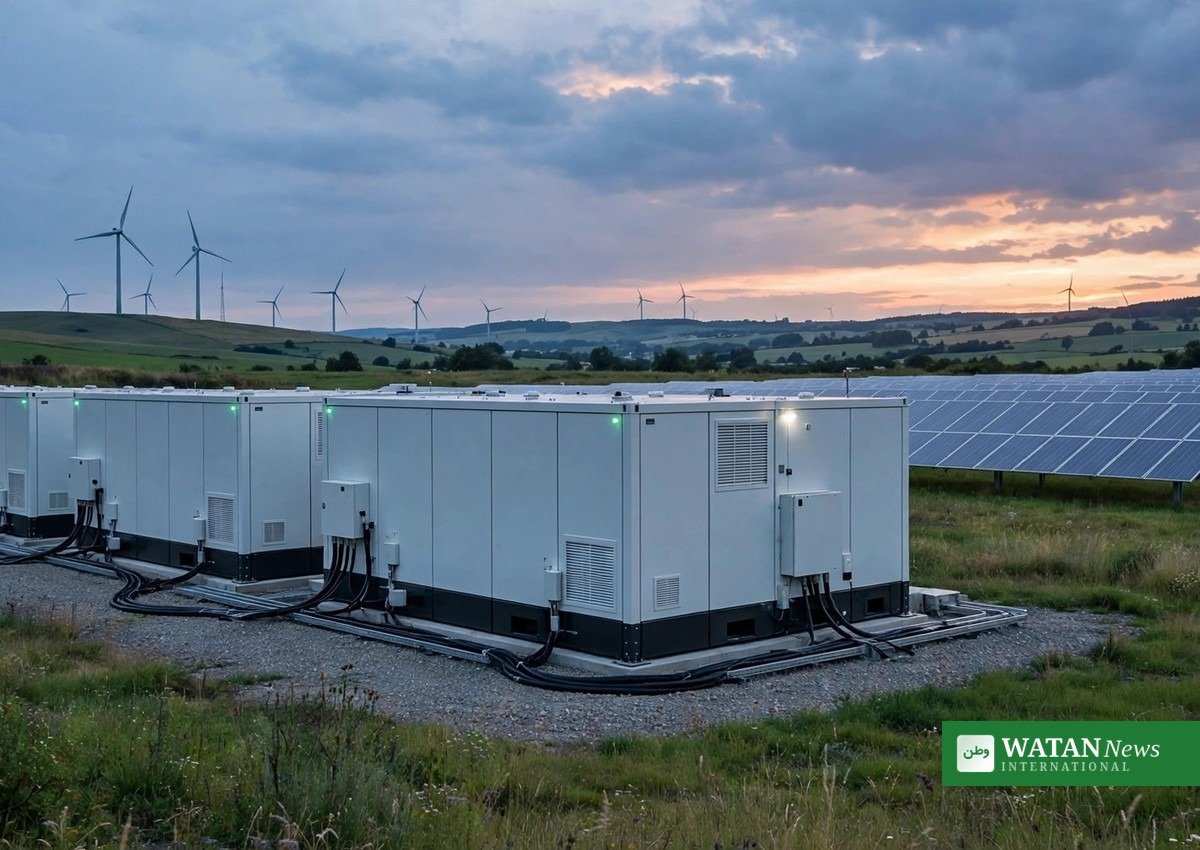
By pairing battery storage directly with solar generation, the Anykščiai facility can store electricity produced during periods of high solar output and feed it back into the grid when it is needed most. The company says the hybrid setup increases grid flexibility and supports balancing services as Lithuania’s renewable capacity continues to grow.
The project was developed in close cooperation with Litgrid, Lithuania’s transmission system operator. “With the opening of our first battery project in the Baltics, we are adding flexibility to our activities in Lithuania and demonstrating how solar generation and battery storage can work together,” said Tadeušas Konkovskis, Vice President and Head of the Baltic Region at European Energy.
A growing Baltic battery storage pipeline
European Energy has invested approximately €480 million in renewable energy projects in Lithuania and says it plans to keep expanding its battery storage activities in the country. Alongside the Anykščiai plant, a 12 MW / 50 MWh battery is under construction in Telšiai, and the Skuodas Renew project is being planned as a combined onshore wind, solar and battery storage site.
The company reports growing investor interest in storage and hybrid renewable assets, which it sees as complementary to its solar and wind portfolio. Energy storage, it says, can help manage variations in generation and support stable operation of the electricity system.
Why storage matters for the Baltics
The Anykščiai battery is one of five commercial battery storage systems now connected to Lithuania’s transmission network, alongside projects developed by Enervia, Vėjo galia, E energija and Tausolos saulė. Including storage connected to distribution networks, Lithuania now has about 680 MW of installed storage power and more than 1,100 MWh of storage capacity.
Storage has become strategically important since Lithuania disconnected from the BRELL power ring shared with Belarus, Russia, Estonia and Latvia, increasing the need for flexible, fast-acting grid balancing measures. Similar hybrid projects are also advancing in neighbouring Latvia.
Conclusion
The opening of the Anykščiai hybrid plant shows how quickly battery storage is moving from pilot scale to a core part of the Baltic energy transition — turning daytime sunshine into dispatchable clean power. With a growing pipeline in Lithuania and beyond, the region is becoming one of Europe’s most active markets for solar-plus-storage.
Related reading: the European Commission’s cross-border renewable energy projects and Australia’s Pacific renewable energy push.
Author

usman2344913@gmail.com
Related Posts

Girl Urges World Leaders to Act on Climate Change Threat to Her Country
- 0
- 1,031 word
Thirteen-year-old Melelusi Sokotia stood before world leaders in Funafuti, Tuvalu, with a simple plea: act on climate change so her generation can...
Read out all
2026 ڈافنی کاروانا گالیزیا صحافتی انعام: دس تحقیقات شارٹ لسٹ، ماحولیاتی رپورٹنگ بھی شامل
یورپی پارلیمنٹ نے 2026 کے ڈافنی کاروانا گالیزیا صحافتی انعام کے لیے دس تحقیقات شارٹ لسٹ کر لی ہیں، جن میں ڈیٹا...
Read out all
Ten investigations shortlisted for 2026 Daphne Caruana Galizia Journalism Prize
- 0
- 643 words
The European Parliament has shortlisted ten investigations — including probes into data centres' environmental toll and green investment funds — for the...
Read out all
ICT Police Arrest Two ‘Sheru Gang’ Members, Recover Six Stolen Motorcycles
- 0
- 509 words
Islamabad Capital Territory Police have arrested two alleged members of the 'Sheru Gang' and recovered six stolen motorcycles worth millions of rupees....
Read out all
Canada støtter 162 energieffektive boligprojekter med 66,3 mio. dollar
- 0
- 462 words
Den canadiske regering investerer 66,3 mio. dollar i at gøre boliger grønnere, billigere at drive og mere behagelige — og støtter 162...
Read out all
کینیڈا کا 162 توانائی بچانے والے گھروں کے منصوبوں کے لیے 66.3 ملین ڈالر کا اعلان
- 0
- 1 word
کینیڈا کی حکومت گھروں کو ماحول دوست، کم خرچ اور آرام دہ بنانے کے لیے 66.3 ملین ڈالر لگا رہی ہے —...
Read out all