- 0
- 453 words
The Royal Swedish Academy of Sciences has awarded the 2026 Nobel Prize in Chemistry to Henri B. Kagan and Kenso Soai “for the discovery of non-linear effects and autocatalysis in asymmetric organic synthesis.” The two laureates share the prize equally, each receiving half.
FAKTA
- Laureates: Henri B. Kagan (France) and Kenso Soai (Japan) — prize share 1/2 each.
- Citation: “for the discovery of non-linear effects and autocatalysis in asymmetric organic synthesis.”
- Announced: 7 October 2026 by the Royal Swedish Academy of Sciences.
- Prize money: 12 million Swedish kronor, shared equally between the two laureates.
- Kagan: discovered non-linear effects — a new way of steering chemical reactions to create a greater excess of one mirror-image molecule than was previously thought possible.
- Soai: designed the first chemical reaction in which only one of the potential mirror images was formed — the famous Soai reaction.
Chemistry’s asymmetric mystery solved
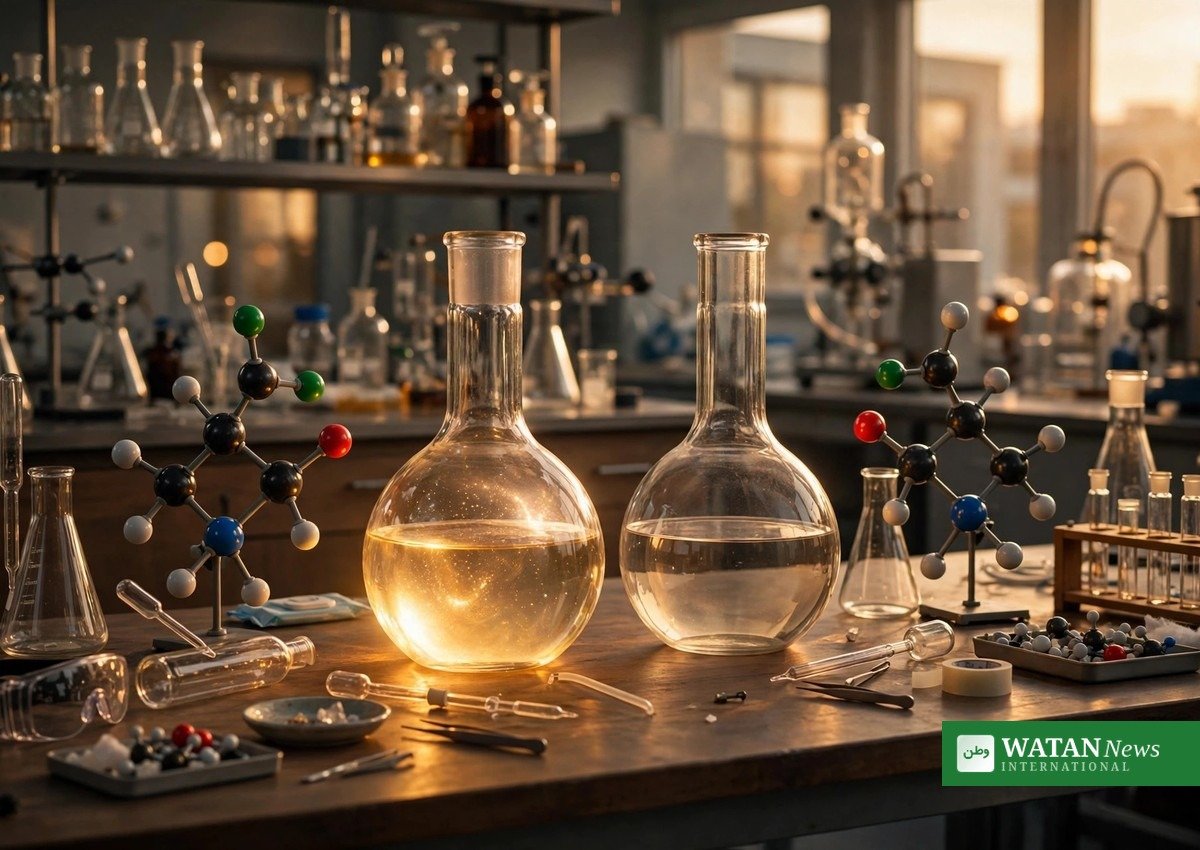
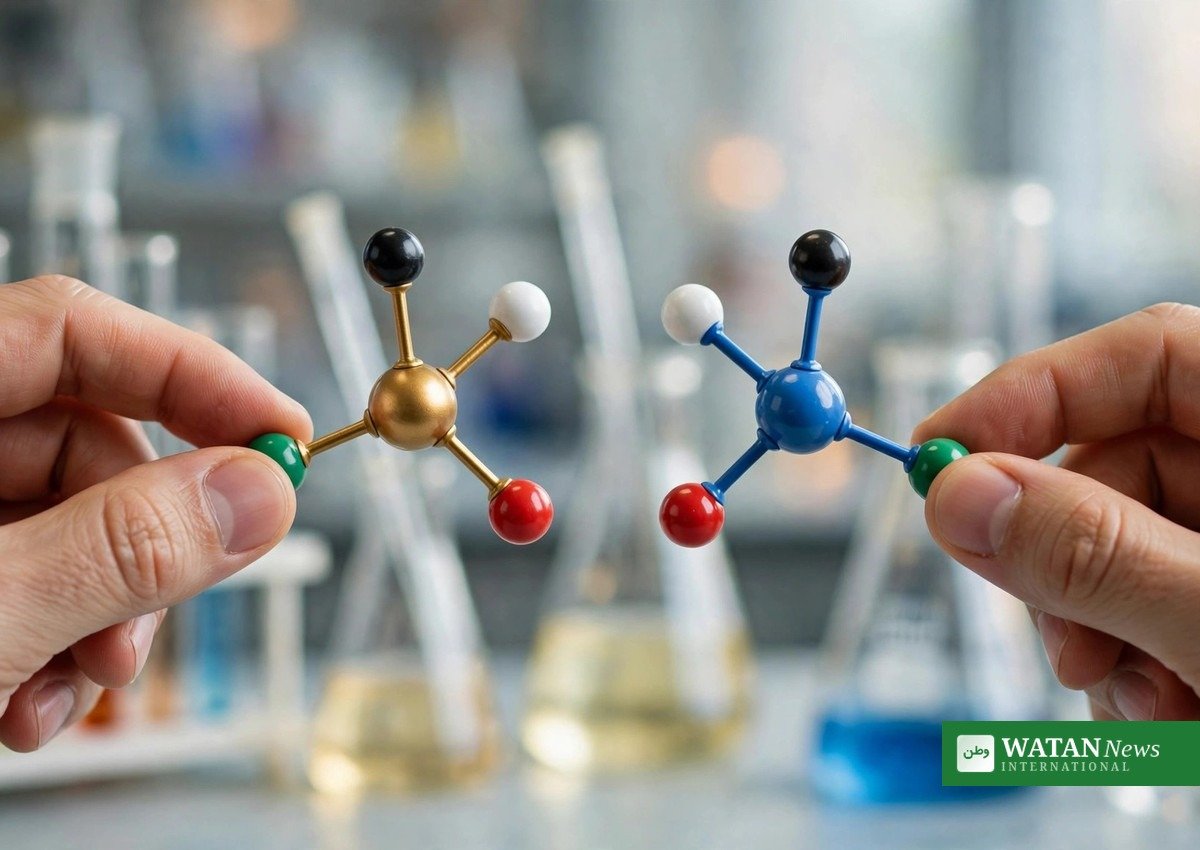
Some molecules, such as amino acids, exist as two variants that are each other’s mirror image. Living organisms, however, only contain one of these mirror images. How such chemical asymmetry could have emerged was long a mystery to chemists — and it is this puzzle that Kagan and Soai have solved, according to the Academy.
Henri Kagan’s breakthrough
Henri Kagan discovered a new way of manipulating chemical reactions, allowing chemists to create a greater excess of one of the mirror images than was previously assumed possible. His discovery has been revolutionary for chemists who develop reactions for the manufacture of pharmaceuticals, flavours, scents and new materials.
The Soai reaction
Kenso Soai designed the first chemical reaction in which only one of the potential mirror images was formed. Other than life itself, no one had ever achieved this feat. The Soai reaction is described as one of the most spectacular chemical experiments ever conducted.
Conclusion
With the 2026 Chemistry Nobel, the Academy honours discoveries that changed how chemists understand and control one of nature’s most fundamental asymmetries — with far-reaching consequences for medicine, materials and our understanding of life itself.
2026 Nobel Prize in Chemistry — questions and answers
Who won the 2026 Nobel Prize in Chemistry?
Henri B. Kagan and Kenso Soai, sharing the prize equally.
What did they discover?
Non-linear effects and autocatalysis in asymmetric organic synthesis — solving the mystery of how chemical asymmetry emerges.
What is the Soai reaction?
The first chemical reaction in which only one of two possible mirror-image molecules was formed.
Why does it matter?
Kagan’s work revolutionised how chemists develop reactions for pharmaceuticals, flavours, scents and new materials, while the Soai reaction showed how a single mirror image can emerge on its own.
More science coverage: Watan News technology section.
Author

usman2344913@gmail.com
Related Posts

Ten investigations shortlisted for 2026 Daphne Caruana Galizia Journalism Prize
- 0
- 643 words
The European Parliament has shortlisted ten investigations — including probes into data centres' environmental toll and green investment funds — for the...
Read out all
ICT Police Arrest Two ‘Sheru Gang’ Members, Recover Six Stolen Motorcycles
- 0
- 509 words
Islamabad Capital Territory Police have arrested two alleged members of the 'Sheru Gang' and recovered six stolen motorcycles worth millions of rupees....
Read out all
Canada Backs 162 Energy-Efficient Home Projects With $66.3M
- 0
- 460 words
The Canadian government is putting $66.3 million into making homes greener, cheaper to run and more comfortable — backing 162 energy-efficiency projects...
Read out all
Russia Launches Massive Overnight Strike on Ukraine, Killing at Least 11
- 0
- 942 words
Russia fired around 130 drones and dozens of missiles at Ukraine overnight, killing at least 11 people and hitting energy infrastructure, President...
Read out all
European Energy Opens First Baltic Battery Storage Facility in Lithuania
- 0
- 603 words
European Energy has formally opened its first Baltic battery storage facility — a 25 MW/65 MWh plant integrated with its 78.5 MW...
Read out all
Tajikistan’s Cultural Colors Illuminate Islamabad in Dushanbe Vibes Event
- 0
- 776 words
The Tajik Embassy and Centaurus Mall brought Dushanbe's spirit to Islamabad with a cultural evening celebrating Tajikistan's 35th Independence Day — music,...
Read out all