- 0
- 808 words
French high school and university students were called out to protest again on Thursday, two days after a large turnout demanding more funding. The government has made a series of conciliatory gestures aimed at ending the crisis, but student leaders indicate the demonstrations will continue.
- Students across France are escalating their demands for increased educational funding and resources.
- The protests follow a significant turnout earlier in the week, signaling continued dissatisfaction.
- The government has responded with concessions, but these have not yet appeased the student movement.
- Further demonstrations are planned, indicating the ongoing nature of the dispute.
Escalating Protests Across France
Thousands of students took to the streets on Thursday, continuing a wave of protests that began earlier this week. The demonstrations are primarily focused on the perceived underfunding of the French education system, with students and educators calling for greater investment in schools and universities.
- High school and university campuses have seen organized walkouts and marches.
- Student unions and representative bodies are coordinating the actions.
- The protests are occurring in major cities as well as smaller towns.
- Demands include increased budgets for teaching staff, updated facilities, and more accessible higher education.
Government Concessions and Student Skepticism
In response to the growing unrest, the French government has announced several measures intended to address student concerns. These include promises of increased funding for specific programs and commitments to dialogue with student representatives.
However, many student leaders have expressed skepticism, viewing these gestures as insufficient to resolve the systemic issues they highlight.
- The Ministry of Education has pledged to allocate additional funds towards vocational training programs.
- Discussions have been initiated regarding the reduction of administrative burdens on educational institutions.
- A commitment has been made to review current scholarship criteria to ensure broader accessibility.
- Student representatives have stated that these measures fall short of the comprehensive reforms needed.
Key Demands of the Student Movement
The core of the student movement’s demands revolves around a significant increase in public spending on education. They argue that current funding levels are inadequate to maintain the quality of education and to prepare students for future challenges.
- Increased Funding for Public Education: Students are demanding a substantial rise in the national budget allocated to education, from primary schools to universities.
- Improved Working Conditions for Educators: The protests also highlight the need for better pay, reduced workloads, and enhanced professional development opportunities for teachers and professors.
- Modernization of Facilities: Many educational institutions are reportedly in need of significant upgrades to their infrastructure, including classrooms, laboratories, and digital resources.
- Affordable Higher Education: Students are calling for measures to keep tuition fees low and to expand financial aid programs to ensure that higher education remains accessible to all, regardless of socioeconomic background.
- Curriculum Reform: There are also calls for updating curricula to better reflect current societal needs and to incorporate more interdisciplinary approaches.
Historical Context of Student Activism in France
Student protests have a long and significant history in France, often serving as catalysts for broader social and political change. The events of May 1968, in particular, demonstrated the power of student movements to challenge established norms and influence government policy.
The Legacy of May 1968
The widespread student and worker strikes of May 1968 paralyzed France and led to significant reforms. Today’s student activists often draw inspiration from this period, seeking to replicate its impact through organized action and public mobilization.
- Student activism has historically played a crucial role in shaping French society.
- Previous movements have successfully pressured governments to implement educational and social reforms.
- The current protests echo some of the demands and tactics seen in past student uprisings.
Future Outlook and Potential Resolutions
The coming days will be critical in determining the trajectory of the current student protests. The government’s willingness to engage in meaningful dialogue and to implement substantial reforms will be key to de-escalating the situation.
Student organizations, however, appear determined to continue their mobilization until their core demands are met.
Conclusion
The wave of student protests across France underscores deep-seated concerns about the state of the nation’s education system. While the government has offered concessions, the continued mobilization suggests that students are seeking more fundamental changes.
The coming weeks will likely see further negotiations and potentially more demonstrations as both sides navigate this critical period of educational policy debate.
Frequently Asked Questions
What are the main demands of the protesting students?
Students are demanding increased funding for education, better conditions for educators, modernized facilities, and affordable higher education.
Have there been similar protests in France before?
Yes, France has a history of significant student protests, notably the events of May 1968.
What has the government’s response been?
The government has made conciliatory gestures, including promises of increased funding and commitments to dialogue.
Are the protests likely to continue?
Student leaders indicate a continued commitment to demonstrating until their core demands are met.
Author

usmanjaved13132@gmail.com
Related Posts

Climate Champions 2026: The People Turning Climate Promises Into Measurable Action
- 0
- 1,189 word
From AGRA's Climate and Productivity Champion award in Kigali to Dane County's 73 climate champions and Ohio's 2026 Clean Energy Champions Awards:...
Read out all
Bucharest Hosts Fifth Climate Change Summit at the Palace of Parliament on October 14
- 0
- 522 words
The fifth Climate Change Summit opens at Bucharest’s Palace of Parliament on 14 October 2026, bringing together more than 1,000 experts, business...
Read out allSouth Korea Threatens Legal Action Over Fuel Shipments to Russia
- 0
- 790 words
South Korea has announced it will pursue legal action if investigations confirm that fuel shipments from its ports to Russia have violated...
Read out all
EU Opens Registration for Education for Climate Day 2026 on Intergenerational Fairness
- 0
- 639 words
The EU's Education for Climate Coalition has opened registration for Education for Climate Day 2026 on 22 October, themed on intergenerational fairness...
Read out allSouth Sudan Elections Uncertain Amidst Ongoing Challenges
- 0
- 759 words
South Sudan faces an uncertain path toward its first general election, scheduled for December 22, as significant logistical and political hurdles persist....
Read out all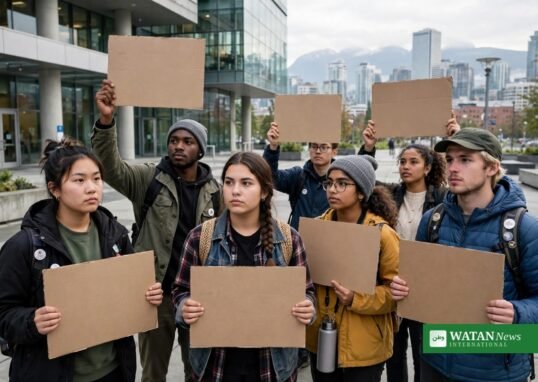
15 Young Canadians Take Ottawa to Court: Historic Climate Trial Opens Oct 26 in Vancouver
- 0
- 762 words
Fifteen young Canadians take Ottawa to court on Oct 26 in Vancouver’s Federal Court, arguing insufficient emissions cuts violated their Charter rights...
Read out all