
- 0
- 529 words
Brussels: European Union ambassadors have approved around 1,646 new sanctions designations targeting Russia’s military-industrial complex — the largest single expansion of the EU’s sanctions blacklist since the war in Ukraine began in 2022.
FAKTA
- What: EU ambassadors (Coreper) approved approximately 1,646 new designations under the bloc’s Russia sanctions regime on 7 October 2026.
- Breakdown: 743 individuals and 826 entities linked to Russia’s military-industrial complex and missile supply chains, plus 77 Russian lawmakers connected to recent Duma elections in occupied Ukrainian territories.
- Scale: The largest single batch of listings since 2022; the total EU blacklist will reach nearly 4,500 people and entities.
- Measures: Asset freezes, travel bans and prohibitions on making funds or economic resources available.
- Next step: Formal adoption by EU foreign ministers in Luxembourg on 12 October, when the full listings are published.
The biggest package yet
According to European diplomats cited by multiple outlets, the vast majority of the new listings target entities and individuals connected to Russia’s military-industrial complex. More than half of the designations focus on missile production and the broader military supply chain — including shipyards, aviation companies, manufacturers of electronic equipment, facilities repairing armoured vehicles and aerospace firms.
The package was prepared by the European External Action Service, the EU’s diplomatic arm, as part of efforts to increase pressure on Russia’s military capabilities and their associated supply chains. Several North Korea-linked actors were also included under separate EU legal frameworks.

The 77 lawmakers
A separate element of the package covers 77 Russian lawmakers connected to the September elections to the State Duma held in Russian-occupied territories of Ukraine, which the EU deemed undemocratic. According to diplomatic sources, the group includes 74 people who received deputy mandates and three members of the electoral commission.
Chemical-weapons-related sanctions were also extended against 31 individuals and 6 companies, according to reporting on the package.
Context: a sanctions regime nearing 4,500 listings
The EU’s broader sanctions regime against Russia already covered more than 3,000 individuals and entities. In September 2026, the EU extended its individual sanctions related to violations of Ukraine’s territorial integrity for another three years, until September 2029.
In July, the bloc adopted its 21st sanctions package, which included 218 individual listings and extended restrictions across energy, financial services and cryptocurrency activities, while adding further vessels linked to Russia’s so-called shadow fleet. Adding around 1,646 designations represents a substantial step up from previous rounds.
For related European security coverage, see our report on Sweden’s Patriot air-defence deployment to Poland.
What happens on 12 October
The ambassadors’ approval is not yet final. The package now goes to the EU foreign ministers, who are due to formally adopt it at their meeting in Luxembourg on Monday, 12 October, after which the full list of names will be made public and the restrictions take legal effect.
Conclusion
With nearly 1,650 new designations in a single move, the EU has signaled that its economic pressure campaign on Russia’s war machine is intensifying rather than easing. Whether the expanded blacklist changes calculations in Moscow will become clearer after the formal adoption on 12 October — and in the months of enforcement that follow.
Author

usman2344913@gmail.com
Related Posts
AZEC Ministers Agree Regional Oil Stockpiling Push at Manila Meeting
- 0
- 751 words
Manila: Energy ministers from across Asia have agreed a new regional push to strengthen oil stockpiling, with Japan, the Philippines, Saudi Arabia...
Read out all
Tech Giants Pledge $2.4 Billion in AI Tools for US Genesis Mission
- 0
- 805 words
Washington: Eleven technology companies have committed a combined $2.4 billion in AI tools and computing credits to the United States' Genesis Mission...
Read out all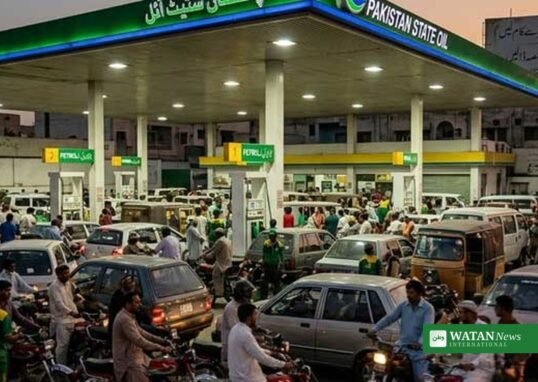
Pakistan Cuts Petrol Price to Rs398.30, Raises Diesel to Rs396.24 for Oct 10-12
- 0
- 710 words
Islamabad: The Pakistan petrol price has been cut by 66 paisas per litre to Rs398.30, while high-speed diesel has been raised by...
Read out all
Canada Sheds 68,300 Jobs in September as Unemployment Rises to 6.5%
- 0
- 865 words
Ottawa: Canada's economy shed a net 68,300 jobs in September, the second consecutive monthly decline, as the unemployment rate edged up to...
Read out all
100+ Aid Groups Say Gaza Ceasefire Exists ‘In Name Only’ After a Year
- 0
- 1,072 word
Gaza: One year after the Gaza ceasefire agreement was reached, more than 100 humanitarian, human rights and civil society organizations say the...
Read out all
European Parliament Votes 381-167 for EU Strategy Against Islamist Entryism
- 0
- 882 words
European Union: The European Parliament has voted to demand a European Union-wide strategy against Islamist entryism, adopting a resolution that names the...
Read out all