- 0
- 1,072 word
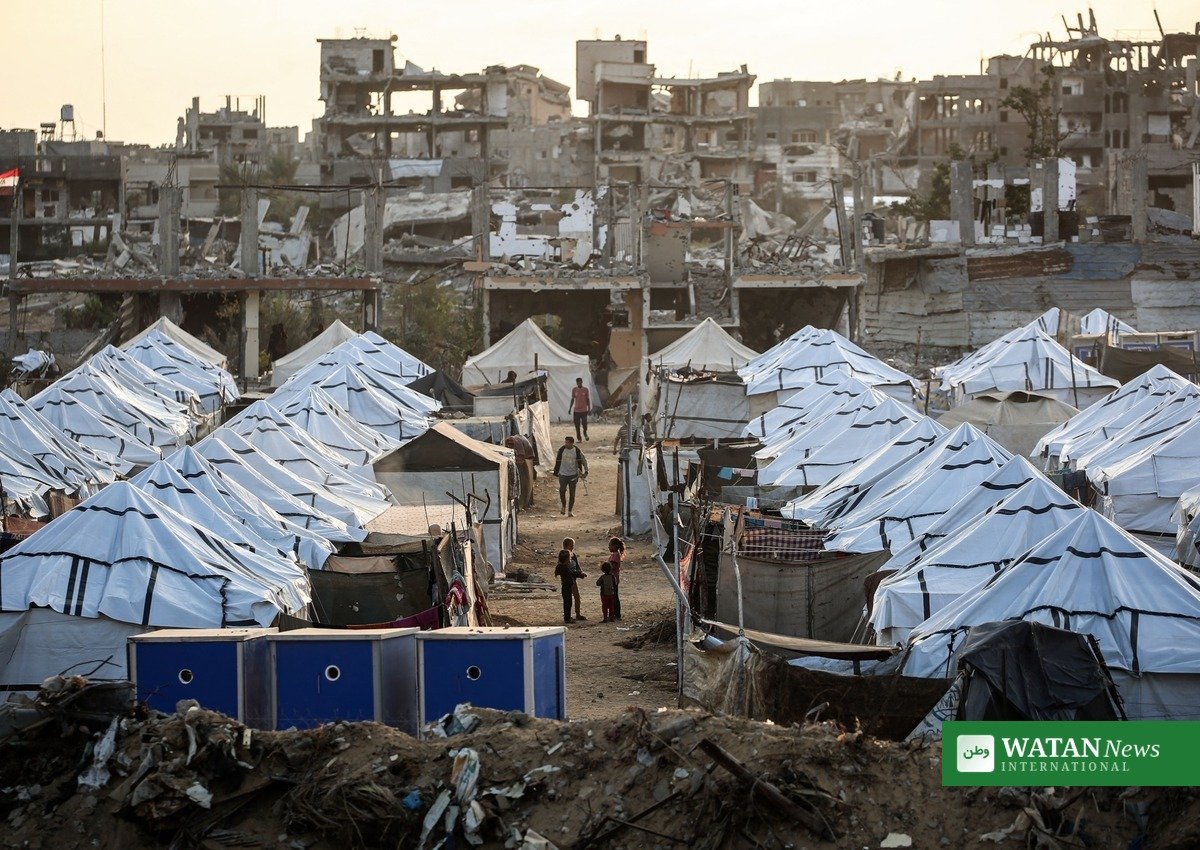
Gaza: One year after the Gaza ceasefire agreement was reached, more than 100 humanitarian, human rights and civil society organizations say the ceasefire exists in name only, with Israeli forces continuing to kill and injure Palestinians daily while restrictions on aid, equipment and rebuilding materials prevent families from recovering.
FAKTA
- What: More than 100 humanitarian, human rights and civil society organizations issued a joint statement on 9 October 2026, one year after the Gaza ceasefire agreement was reached.
- Death toll: Over 1,400 Palestinians killed in the ceasefire year, including at least 327 children, according to the joint statement citing Gaza health authorities. Islamic Relief separately reports at least 1,454 killed and more than 5,000 injured — one casualty every 90 minutes.
- Shelter and hunger: Nearly two million people still need shelter; 1.4 million face crisis-level hunger through the end of the year.
- Health system: Not one of Gaza’s 36 hospitals is fully functioning; more than 18,500 patients, including at least 4,000 children, still need medical evacuation.
- Land squeezed: The Israeli-controlled “Yellow Line” has expanded from around 53% to around 63% of Gaza (OCHA), squeezing the population into an increasingly small area.
The Gaza ceasefire’s first year in figures
According to the joint statement, published by Amnesty International Australia, Israeli strikes, shootings and military operations killed more than 1,400 Palestinians over the ceasefire year, including at least 327 children. Families and rescue workers have recovered hundreds of bodies from the rubble, often with their bare hands, as entry of machinery needed to reach them is restricted. Many more remain buried and unreachable.
Islamic Relief, in a separate one-year assessment published on 8 October, reports at least 1,454 Palestinians killed and more than 5,000 injured — a rate of at least one casualty every 90 minutes — with at least 320 of those killed being children, nearly one child killed every day. An aid worker in Gaza told the organization: “There is no ceasefire in reality,” describing continuing fear of bombing and drone strikes.
Two assessments, the same conclusion
| Measure | 100+ organizations (joint statement) | Islamic Relief |
|---|---|---|
| Palestinians killed in the ceasefire year | More than 1,400 | At least 1,454 |
| Children killed | At least 327 | At least 320 |
| Injured | More than 5,000 | More than 5,000 |
| Structures damaged | 82% (UNRWA) | Around 82% |
| People facing crisis-level hunger | 1.4 million | 1.4 million forecast in food crisis by winter |
A population squeezed into less land
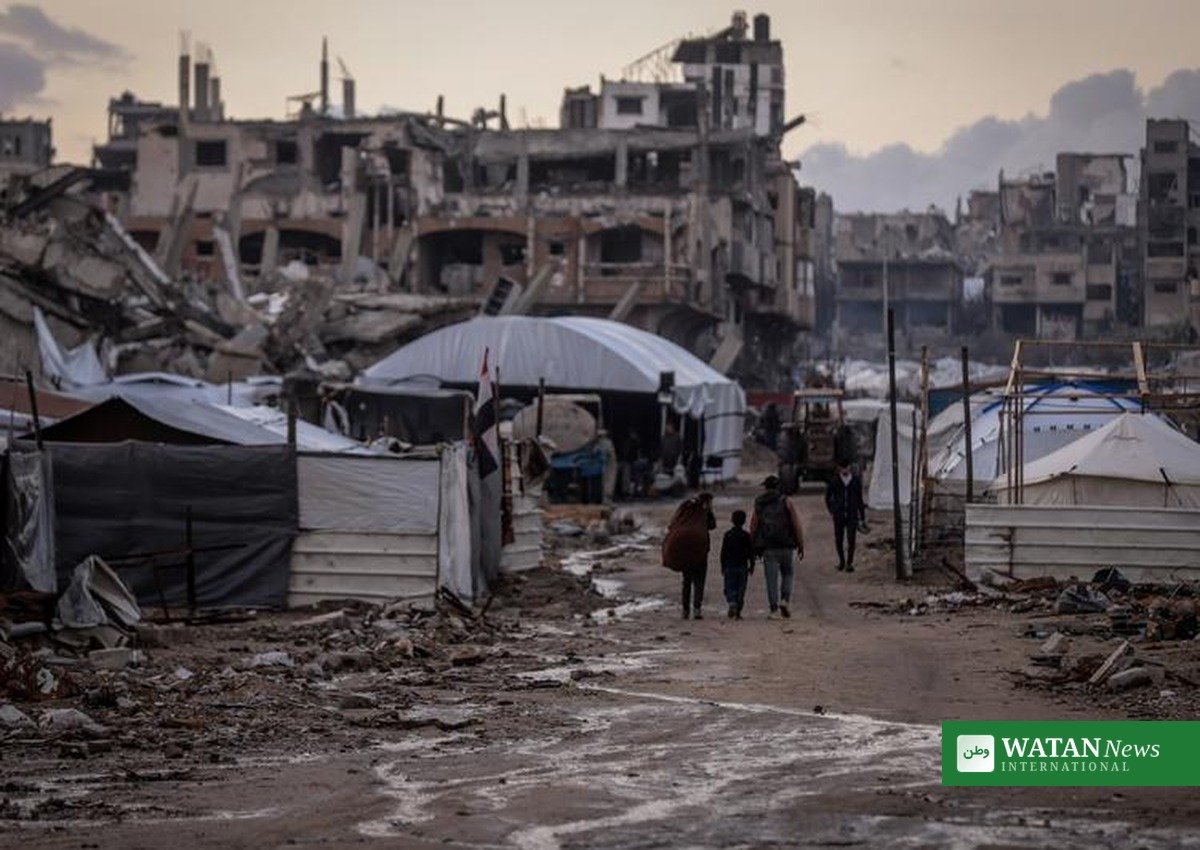
Since the ceasefire announcement, Israel has expanded and tightened military control over most of Gaza using the so-called Yellow Line, expelling Palestinians from around 65% of the territory, Islamic Relief reports. Almost all of Gaza’s 2.1 million people are now crammed into around 35% of the land, in dangerously overcrowded displacement sites. The joint statement, citing OCHA, puts the Israeli-controlled area at around 63%, up from around 53%.
With winter approaching, hundreds of thousands of families still live in tents, makeshift shelters or damaged homes, facing a fourth winter exposed to cold, wind and flooding. Nearly one in four households in Gaza is now headed by a woman, and these families are far more likely to be living in unsafe or inadequate shelter. In September, 21 people, including 12 children, were killed when a damaged building collapsed in Gaza City.
Aid blocked, rebuilding barely begun
Israel continues to block vital supplies, including shelter materials, rebuilding materials, fuel and medical supplies, according to Islamic Relief. More than half of all health services have shut down, and those still open struggle with fuel and critical-supply shortages. Medicines for illnesses such as diabetes are particularly scarce, and field clinics regularly close or reduce hours.
The joint statement says not a single hospital is fully functioning, while more than 18,500 patients, including at least 4,000 children, still need medical evacuation — and more than 1,000 have died waiting. Newborn babies in incubators, patients needing oxygen or intensive care, and people with life-changing injuries face acute risks as specialized treatment remains severely limited.
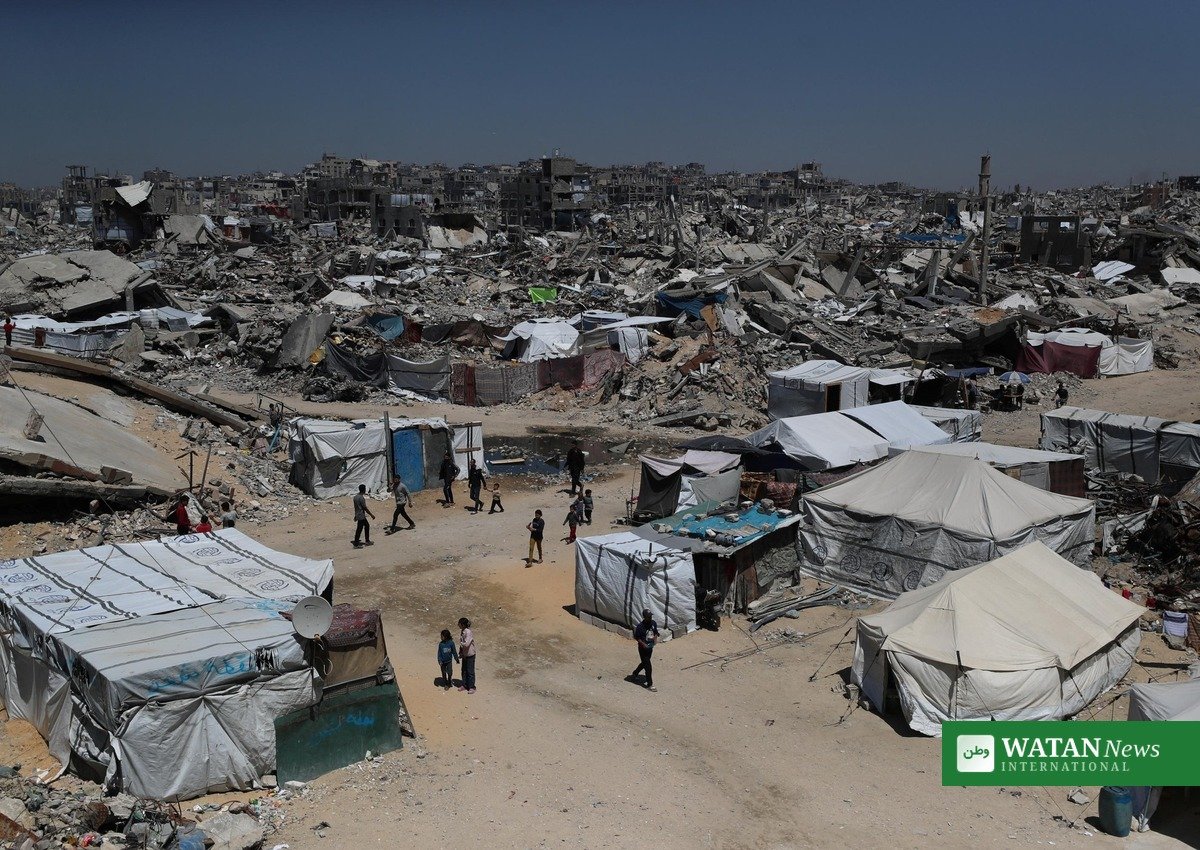
Satellite imagery shows the scale of devastation: 82% of structures damaged, around two-thirds completely destroyed, and an estimated 61 million tonnes of rubble. Destruction continued during the ceasefire year itself, with a 9% increase in structures classified as completely destroyed between October 2025 and August 2026. Meanwhile, less than 40% of the 2026 humanitarian response was funded as of July.
What the organizations are asking for
The signatories warn that the killing and deprivation in Gaza must not be normalized under the cover of a ceasefire agreement, and call on governments to act to protect civilians, increase aid flows without hindrance, and support a genuine reconstruction process led by Palestinians. “A ceasefire is meaningless if children are still being killed and families are still unable to rebuild their lives,” said Inger Ashing, CEO of Save the Children.
For more on the civilian toll in Gaza, read our coverage of the Gaza church funeral for a mother and daughter killed in a strike.
Conclusion
A year into a ceasefire that was supposed to halt the killing and open the way to recovery, the organizations’ assessment is stark: Palestinians in Gaza are still being killed almost daily, aid is still blocked, the land available to them has shrunk, and rebuilding has barely begun. Whether international pressure can turn the agreement on paper into protection on the ground will decide what the second year brings for Gaza’s families.
Frequently asked questions
What is the Gaza ceasefire agreement?
The agreement was reached on 9 October 2025, a year ago, aiming to halt the war in Gaza. More than 100 humanitarian and human rights organizations said on 9 October 2026 that it “exists in name only.”
How many Palestinians have been killed since the ceasefire?
The joint statement of more than 100 organizations puts the figure at over 1,400, including at least 327 children; Islamic Relief reports at least 1,454 killed and more than 5,000 injured — one casualty every 90 minutes.
What is the “Yellow Line”?
It is the line marking the area under Israeli military control in Gaza. According to OCHA figures cited in the joint statement, it expanded from around 53% to around 63% of Gaza over the ceasefire year.
Why do the organizations say aid is not reaching Gaza?
They report that Israeli restrictions continue to block shelter materials, fuel and medical supplies, while less than 40% of the 2026 humanitarian response was funded as of July — leaving rebuilding barely begun a year on.
What are the organizations calling for?
They urge governments to protect civilians, ensure humanitarian aid reaches everyone in need, prevent the permanent displacement of Palestinians, and support Palestinian-led reconstruction grounded in international law.
Author

usman2344913@gmail.com
Related Posts

AZEC Ministers Agree Regional Oil Stockpiling Push at Manila Meeting
- 0
- 751 words
Manila: Energy ministers from across Asia have agreed a new regional push to strengthen oil stockpiling, with Japan, the Philippines, Saudi Arabia...
Read out all
Tech Giants Pledge $2.4 Billion in AI Tools for US Genesis Mission
- 0
- 805 words
Washington: Eleven technology companies have committed a combined $2.4 billion in AI tools and computing credits to the United States' Genesis Mission...
Read out all
Pakistan Cuts Petrol Price to Rs398.30, Raises Diesel to Rs396.24 for Oct 10-12
- 0
- 710 words
Islamabad: The Pakistan petrol price has been cut by 66 paisas per litre to Rs398.30, while high-speed diesel has been raised by...
Read out all
Canada Sheds 68,300 Jobs in September as Unemployment Rises to 6.5%
- 0
- 865 words
Ottawa: Canada's economy shed a net 68,300 jobs in September, the second consecutive monthly decline, as the unemployment rate edged up to...
Read out all
European Parliament Votes 381-167 for EU Strategy Against Islamist Entryism
- 0
- 882 words
European Union: The European Parliament has voted to demand a European Union-wide strategy against Islamist entryism, adopting a resolution that names the...
Read out all
Shannon Miller at 49: From Olympic Gold to Owning Fitness After 40
- 0
- 955 words
Thirty years after she helped the "Magnificent Seven" win America's first women's team gymnastics gold, Shannon Miller is back in the spotlight...
Read out all