- 0
- 1,362 word
24 November 2026: The fight against food waste is scaling up in the United States. Organics collection company Agri-Cycle announced on 18 November that it has acquired three food-waste recyclers — Food Recycling Solutions in Northwest Arkansas, Against the Grain in Greater Boston and ReMix Organics in Rhode Island — building a recovery network that now serves about 4,000 locations in more than 30 states and diverts roughly 100,000 tons of organic material from landfill every year.
Key facts
- The deal: Agri-Cycle, backed by Closed Loop Partners’ Private Equity group, acquired Food Recycling Solutions, Against the Grain and ReMix Organics, announced 18 November 2026.
- The scale: the combined company serves about 4,000 locations in more than 30 states and diverts roughly 100,000 tons of organic material from landfill each year — up from about 2,400 locations across 14 states when Closed Loop acquired Agri-Cycle in August 2025.
- What changes: the deals extend Agri-Cycle beyond its Northeast and Mid-Atlantic base and add composting and animal feed outlets to a business that has relied mostly on anaerobic digestion.
- Why it matters: food is the largest category of material sent to landfill in the US, and wasted food accounts for 58% of fugitive methane emissions from American landfills, according to the US Environmental Protection Agency.
- Also today: EDCO opens the expanded second phase of its anaerobic digestion facility in Escondido, California, doubling its capacity to 186,000 tons of organic waste a year.
Three companies, three new footholds
Each acquisition adds a different piece to the network. Against the Grain collects spent grain from breweries, distilleries and cideries around Boston and connects them with local farmers who use it as animal feed. “Together, we can make sure even more spent grain ends up feeding animals instead of filling landfills,” said its founder, Holden Cookson.
Food Recycling Solutions collects food waste for more than 100 customers in Northwest Arkansas, from small cafés to large industrial operations, for composting. Its founder, Richard Ims, said the region is gaining roughly 40 residents a day. ReMix Organics, co-founded in 2013 by Leo Pollock and Nat Harris, collects commercial food waste across Rhode Island for anaerobic digestion and composting partners. “Joining Agri-Cycle gives our customers and our team the backing of a larger network, with more routes, more food recovery and recycling options, and more resources,” Pollock said.
“These acquisitions are about building the infrastructure the country needs to recover food at scale,” said Agri-Cycle founder and CEO Dan Bell. “Turning food and organic waste into valuable resources, such as energy, soil amendments and animal feed, starts with reliable collection.”
Why collection is the bottleneck
Agri-Cycle owns no processing facilities of its own. It is a collection and logistics platform, delivering what it collects to dozens of third-party outlets — digesters, compost sites and farms. That matters because, in organics recycling, collection is often the most expensive part of diverting a tonne of food waste, and dense collection routes are what make recovery affordable.
Anaerobic digestion remains the company’s largest outlet, because its biggest customers are grocers and food manufacturers, and much of what they discard is packaged or liquid. But the company expects composting and animal feed to grow. ReFED, the US food-waste research group, ranks animal feed, anaerobic digestion and composting among the food-waste solutions with the highest annual diversion potential — and the acquisitions give Agri-Cycle direct access to all three. “The food and organics recovery market is large and fragmented,” said Jackson Pei, managing director at Closed Loop Private Equity. “It needs scaled operators that combine flexible logistics, local relationships and access to processing.”
The climate case: food waste is a methane problem
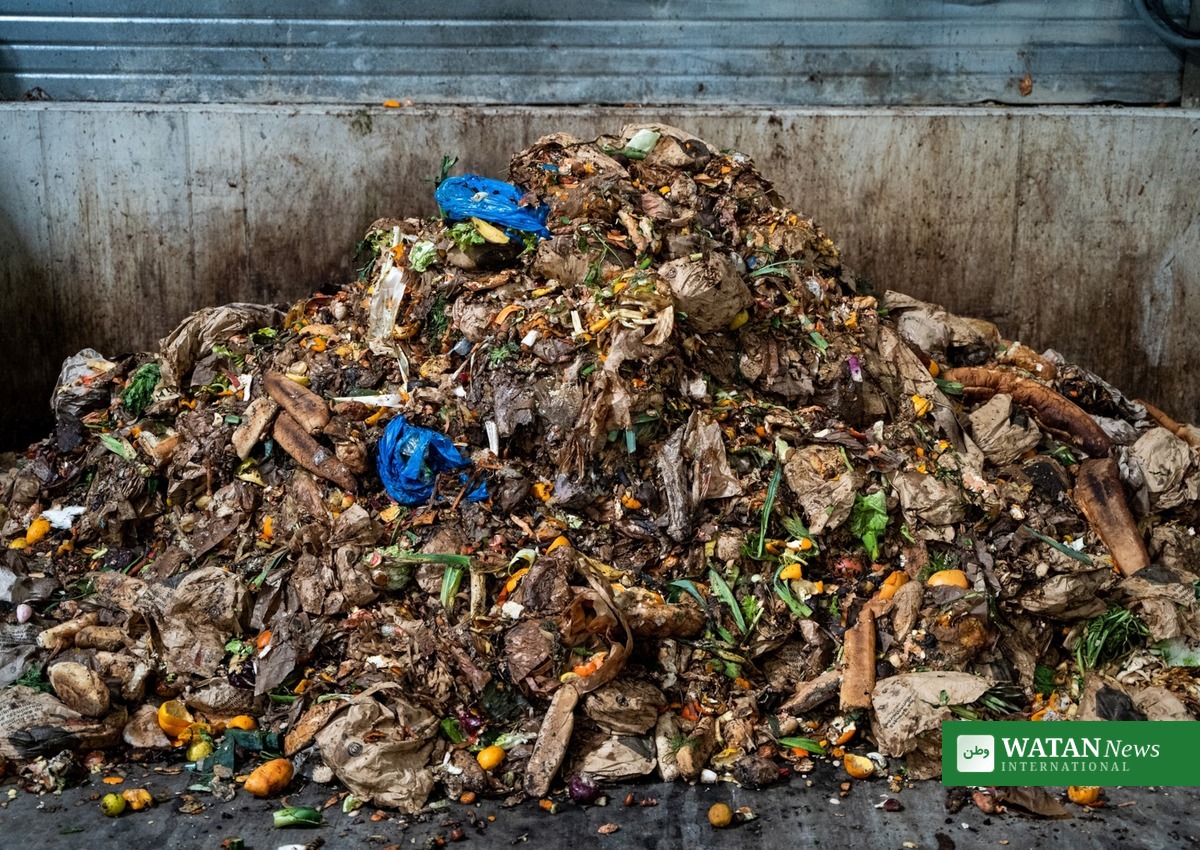
The climate stakes are large. The UN Environment Programme’s Food Waste Index Report 2024 found that the world wasted 1.05 billion tonnes of food in 2022 — 19% of all food available to consumers. Households accounted for 631 million tonnes, food services for 290 million tonnes and retail for 131 million tonnes. On average, each person wasted 79 kilograms of food a year, and households threw away more than one billion meals a day. Food loss and waste generate 8 to 10% of global greenhouse gas emissions.
In the United States, food is the largest category of material sent to landfill, and up to 40% of the country’s food ends up there, with surplus food worth more than 300 billion US dollars, according to ReFED. The US Environmental Protection Agency estimates that 58% of fugitive methane emissions from American municipal solid waste landfills come from landfilled food waste, which was responsible for about 55 million metric tons of CO2 equivalent from those landfills in 2020. The median American landfill has just 27 years of capacity left.
There is a caution to keep in mind: a University of Vermont study published in the journal Nature Food in July 2026 found that food-waste recycling can cut climate and nutrient pollution, but risks plastic accumulation in soils through compost and digestate. Clean source separation matters as much as scale.
More capacity opens today in California
The expansion is not limited to one company. EDCO, a family-owned waste collection and recycling company, celebrates the grand opening of the second phase of its anaerobic digestion facility in Escondido, California, today, Tuesday 24 November. The expansion adds two digesters, raising the facility’s annual organic-waste processing capacity from about 93,000 tons to 186,000 tons. The facility, which opened in 2021, turns food scraps and green waste into renewable natural gas that helps fuel EDCO’s own vehicle fleet. The company projects about 700,000 diesel gallon equivalents of renewable natural gas in 2026, doubling to about 1.4 million in 2027.
Zero waste momentum in Türkiye
The momentum is visible in Türkiye too. Applications close on 27 November 2026 at 17:00 for the Zero Waste Foundation’s Women Zero Waste Ambassadors programme, run with Türkiye’s Ministry of Family and Social Services. One volunteer woman will be selected in each of the country’s 81 provinces, and the project aims to reach one million women over 24 months. At the global level, the next formal session of the plastics treaty negotiations, INC-5.4, is due to take place from 13 to 24 March 2027.
For more on the circular economy in practice, read Circular Monday 2026: Ten Years of Repair, Reuse and Smarter Consumption, and on the rules now reshaping waste trade, EU Bans Plastic Waste Exports to Non-OECD Countries From Today.
Conclusion
Food waste is the largest thing the world throws away — and one of the most climate-damaging, because buried food produces methane. The Agri-Cycle deal shows the unglamorous part of the solution: trucks, routes and terminals that collect organics reliably enough for digestion, composting and animal feed to work at scale. With new capacity opening in California today and zero-waste programmes reaching a million women in Türkiye, the infrastructure for keeping food out of landfill is growing — one collection route at a time.
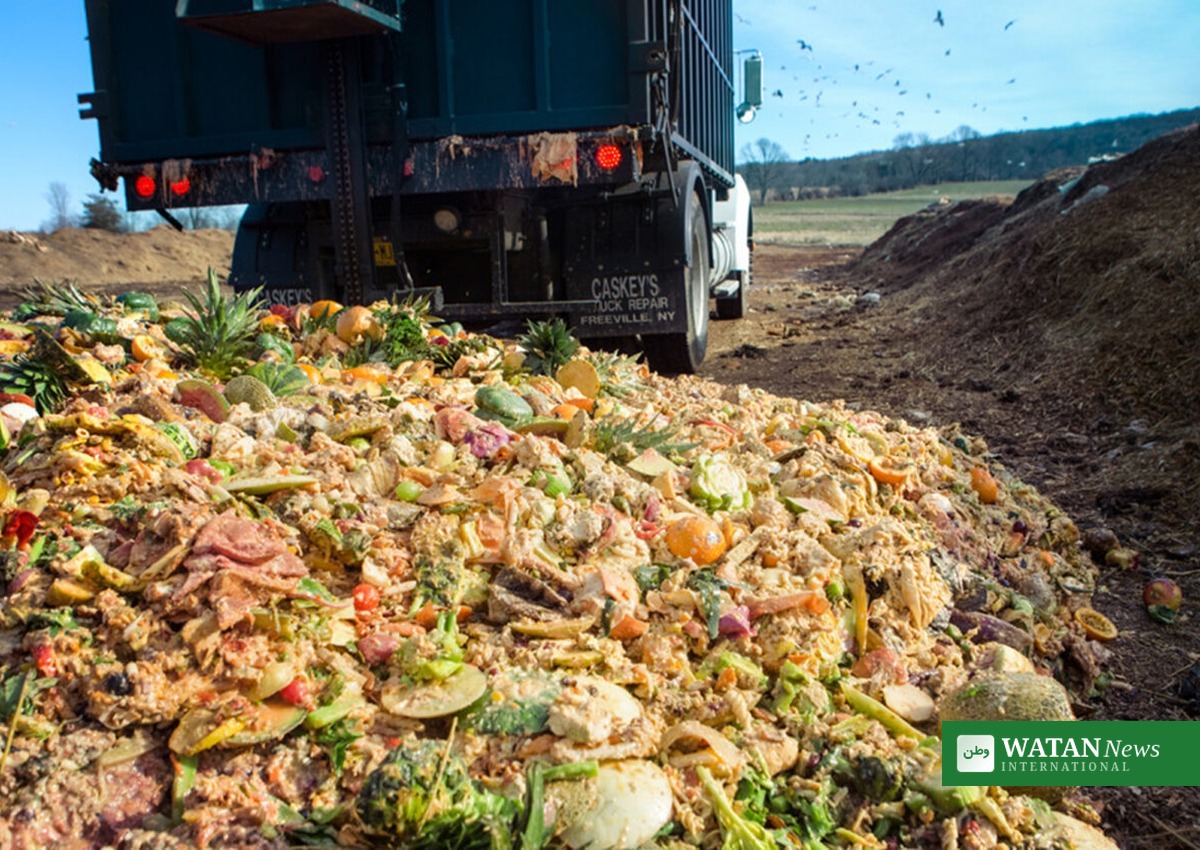
Featured image: a truck unloads food waste at the Cornell Composting Facility.
Frequently asked questions
What did Agri-Cycle announce?
On 18 November 2026, Agri-Cycle announced it had acquired three US organics recyclers: Food Recycling Solutions in Northwest Arkansas, Against the Grain in Greater Boston and ReMix Organics in Rhode Island. The combined company serves about 4,000 locations in more than 30 states.
How much food waste does the network divert?
About 100,000 tons of organic material a year is diverted from landfill, according to Agri-Cycle founder and CEO Dan Bell. That is up from about 2,400 locations across 14 states when Closed Loop Partners acquired Agri-Cycle in August 2025.
Why is food waste a climate problem?
When food rots in landfill it produces methane, a powerful greenhouse gas. The US Environmental Protection Agency estimates that 58% of fugitive methane emissions from American landfills come from landfilled food waste. Globally, food loss and waste generate 8 to 10% of greenhouse gas emissions, according to the UN Environment Programme.
How much food does the world waste?
The UN Environment Programme’s Food Waste Index Report 2024 found the world wasted 1.05 billion tonnes of food in 2022 — 19% of all food available to consumers — with each person wasting 79 kilograms a year on average.
What happens to the food waste Agri-Cycle collects?
It is matched to the highest-value recovery route available in each region: anaerobic digestion to produce energy, composting to make soil products, or animal feed. Agri-Cycle owns no processing facilities and delivers what it collects to dozens of third-party outlets.
Author

usmanch0013@gmail.com
Related Posts

Houthis Attack Aramco’s Jazan Refinery, Saudi Coalition Says
- 0
- 628 words
Yemen's Houthis attacked Saudi Aramco's Jazan refinery on Thursday, the Saudi-led coalition said, a day after the group claimed a strike on...
Read out all
De fleste regeringer mangler en strategi for klimainformation, viser første globale kortlægning
- 0
- 1,455 word
Forum on Information and Democracy’s første globale kortlægning af 23 lande og EU finder, at de fleste regeringer ikke har nogen selvstændig...
Read out all
پہلی عالمی جانچ میں انکشاف: اکثر حکومتوں کے پاس موسمیاتی معلومات کی کوئی قومی حکمت عملی نہیں
ایف آئی ڈی کی پہلی عالمی جانچ میں 23 ممالک اور یورپی یونین کا جائزہ لیا گیا: اکثر حکومتوں کے پاس موسمیاتی...
Read out all
Most Governments Lack a Climate Information Strategy, First Global Mapping Finds
- 0
- 1,427 word
The Forum on Information and Democracy’s first global mapping of 23 countries and the EU finds most governments have no standalone strategy...
Read out all
Elektrisk hjem kan spare en typisk britisk husstand 1.200 pund om året
- 0
- 1,080 word
Ny analyse fra Storbritanniens Climate Change Committee viser, at en typisk husstand kan spare 1.200 pund om året ved at blive elektrisk...
Read out all
بجلی کی طرف منتقلی سے عام برطانوی گھرانا سالانہ 1,200 پاؤنڈ بچا سکتا ہے
برطانیہ کی موسمیاتی تبدیلی کمیٹی کے نئے تجزیے کے مطابق عام گھرانا بجلی کی طرف منتقلی سے سالانہ 1,200 پاؤنڈ بچا سکتا...
Read out all