- 0
- 733 words
Global markets were rattled this week as an AI stock selloff hammered hedge funds, with Asia-focused managers suffering the heaviest losses, according to a Goldman Sachs prime brokerage note reported by Reuters on Thursday.
FAKTA
- Global fundamental long-short funds — stock pickers — lost money every single day this week, falling 2.9 percent in the week to October 15, Goldman Sachs data shows.
- Asia-focused hedge fund managers were hit hardest, losing 2.6 percent on Wednesday alone and 6.8 percent in the first half of October.
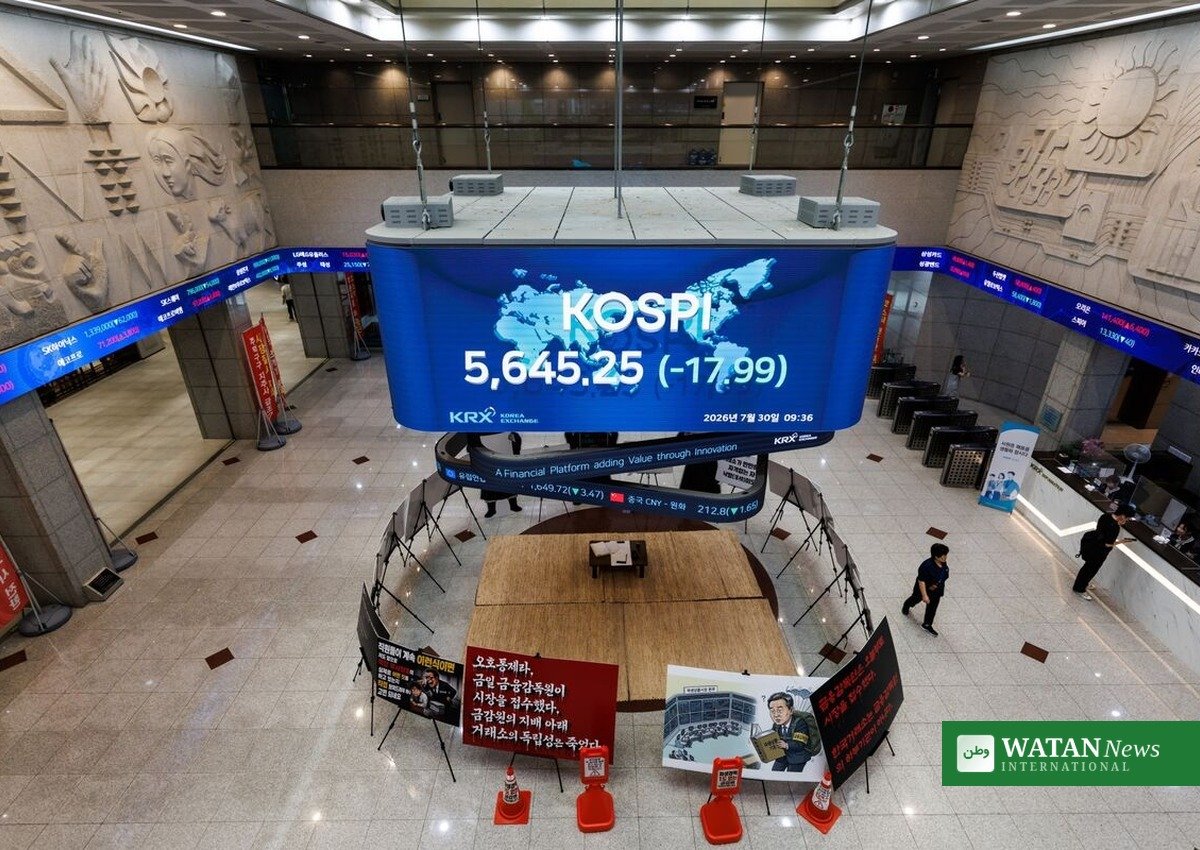
- South Korea’s benchmark KOSPI tumbled nearly 8 percent on Thursday to a six-month low, triggering a circuit breaker that halted trading for 20 minutes.
- Samsung Electronics fell 9.5 percent and SK Hynix plunged about 11 percent; Japan’s Nikkei dropped nearly 5 percent and Taiwan’s Taiex slid 3.4 percent.
- Hotter-than-expected US inflation — September consumer prices rose 3.7 percent year-on-year — reignited fears of further Federal Reserve rate hikes.
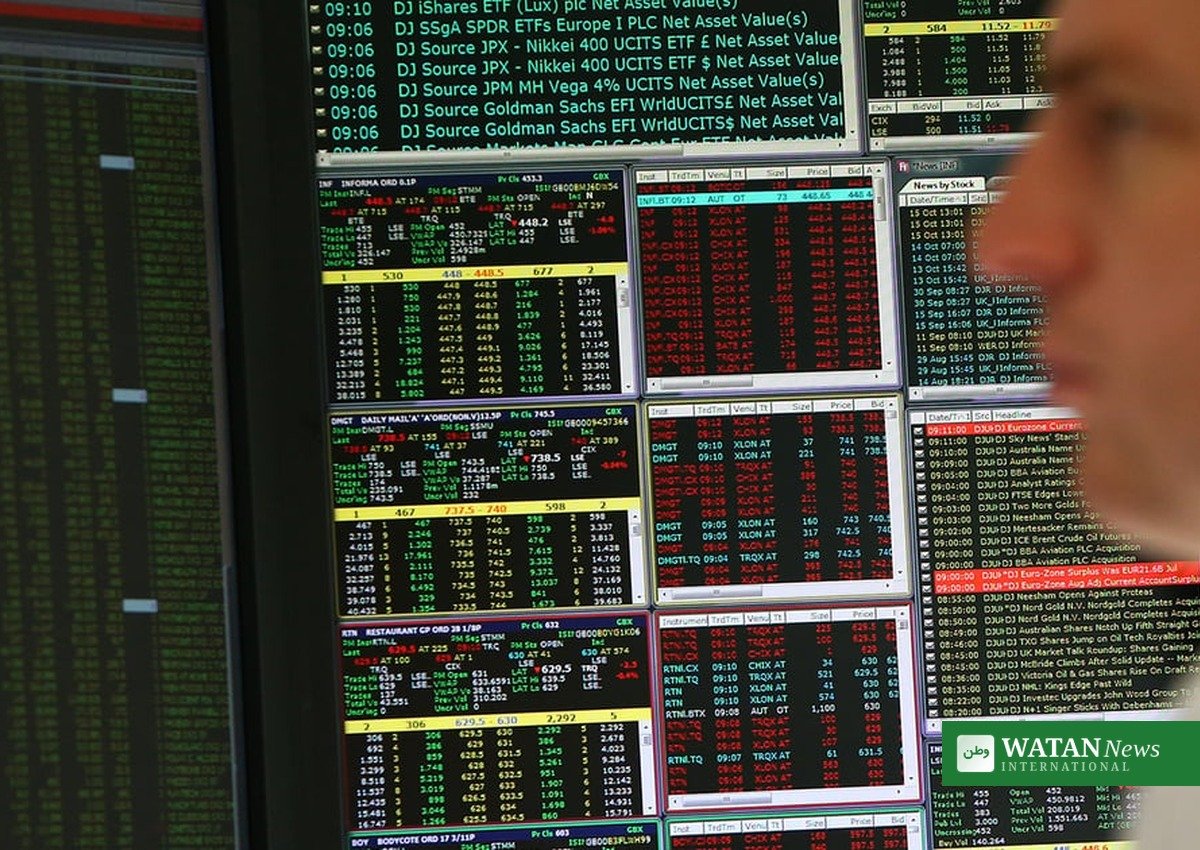
Trading screens during the selloff that hammered hedge funds across global markets this week.
How the AI stock selloff hit hedge funds
The Goldman Sachs note, cited by Reuters, shows the pain was broad and synchronized. On Wednesday, hedge funds across strategies retreated sharply: global stock pickers lost 0.9 percent, tech-focused funds fell 2.0 percent, and global systematic long-short managers and multi-strategy funds each declined roughly 1 percent.
The bank noted that from the start of the COVID pandemic through the end of 2025, all three broad strategies never fell more than 0.8 percentage points on the same day. That has now happened three times in 2026 alone — on February 4, July 28 and October 15 — a sign of how concentrated and crowded the AI trade has become.
Asia-focused stock pickers have been the epicenter of the damage. Down 6.8 percent in the first half of October, they have erased more than half of the gains from their late-June peak, when they were up more than 40 percent for the year, according to Goldman Sachs.
Asia’s chip-heavy markets bore the brunt
Semiconductor-heavy markets took the worst of the selling. South Korea’s KOSPI closed around 5,550 — down roughly 7.6 to 8 percent — its lowest close since April and its seventh consecutive drop. The scale of the decline triggered a circuit breaker, temporarily halting trading on the exchange, reportedly the tenth such halt this year against only 16 in the index’s entire history.
Samsung Electronics slid 9.5 percent and memory-chip maker SK Hynix plunged about 11 percent. Japan’s Nikkei 225 tumbled nearly 5 percent, with OpenAI investor SoftBank Group losing more than 9 percent, chip-equipment maker Tokyo Electron dropping around 7 percent, and memory maker Kioxia down more than 11 percent. Taiwan’s Taiex fell 3.4 percent.
Even Taiwan’s TSMC — the world’s largest maker of advanced semiconductors, which reported a sixth consecutive quarter of record net profit, up 69 percent year-on-year — saw its shares fall about 2 percent after executives sounded a cautious note on rising component prices, macroeconomic uncertainty and aggressive expansion plans.
What drove the rout
The selling followed a hotter-than-expected US inflation report: the consumer price index rose 3.7 percent year-on-year in September, up from 3.4 percent in August, pushing up expectations of further Fed rate hikes and lifting borrowing costs — a direct threat to the debt-financed AI infrastructure buildout.
Investors are also increasingly questioning whether massive AI spending can pay off anytime soon. Signs of slowing revenue growth at leading frontier AI labs added to the unease: at an investor presentation ahead of its planned IPO, Anthropic announced sales grew 45 percent to 17 billion dollars last quarter — strong, but a sharp slowdown from the second quarter, when growth had more than doubled. Growing competitive pressure from China, after Chinese chipmaker CXMT announced progress on advanced memory chips, added to market jitters.
“Worries about the AI buildout, bubbly valuations, lower-than-expected earnings growth at leading US frontier labs, Chinese competition, inflation and rates sent investors running for the covers,” Saxo strategist Neil Wilson wrote in a note cited by CNN.
Wall Street steadies, bonds rally
On Wall Street, markets recovered from early losses. The Dow Jones Industrial Average rose 1.08 percent, the S&P 500 gained 0.33 percent and the Nasdaq Composite edged up 0.08 percent, led by healthcare and materials stocks. The closely watched index of chip stocks is down roughly 20 percent since a peak in June, CNN reported.
Money moved into safe havens: benchmark 10-year US Treasury yields fell back toward 5 percent in their biggest daily drop in more than a year, as investors repriced the cost of capital and the sustainability of the AI spending boom.
Read more business and market coverage on Watan News.
Author

usman2344913@gmail.com
Related Posts

Trump Says US Is Talking to Russia and China About Denuclearization
- 0
- 617 words
US President Donald Trump said on Thursday that Washington is holding talks with Moscow and Beijing aimed at reducing nuclear weapons, claiming...
Read out all
Three Children and One Adult Killed in Shooting at Silver Rail Elementary School in Bend, Oregon
- 0
- 722 words
A teenage gunman killed three children and one adult at Silver Rail Elementary School in Bend, Oregon, on Thursday; the 16-year-old shooter...
Read out all
Trump Says Government Leakers ‘Should Be Shot’ at Arizona Rally
- 0
- 460 words
US President Donald Trump said government officials who leak information to the media “should be shot,” in remarks at a campaign rally...
Read out all
Zelensky Defies Trump, Says Ukraine Will Resume Strikes on Russian Refineries
- 0
- 788 words
Ukraine will resume strikes on Russian oil refineries after a brief pause, President Volodymyr Zelensky told the Financial Times, ending the US-backed...
Read out all
Saudi-Led Coalition Says Houthis Attempted Attacks on Dozens of Saudi Facilities
- 0
- 517 words
The Saudi-led military coalition in Yemen said on Thursday that Houthi attacks on Saudi facilities had attempted to strike dozens of airports,...
Read out all
Rajasthan Awards 2,450 MW Pugal Solar-Plus-Storage Project with 6,400 MWh Battery Backup
- 0
- 538 words
Rajasthan has concluded one of the world’s largest Pugal solar plus storage auctions: the Rajasthan Solar Park Development Company Limited (RSDCL) has...
Read out all