
- 0
- 932 words
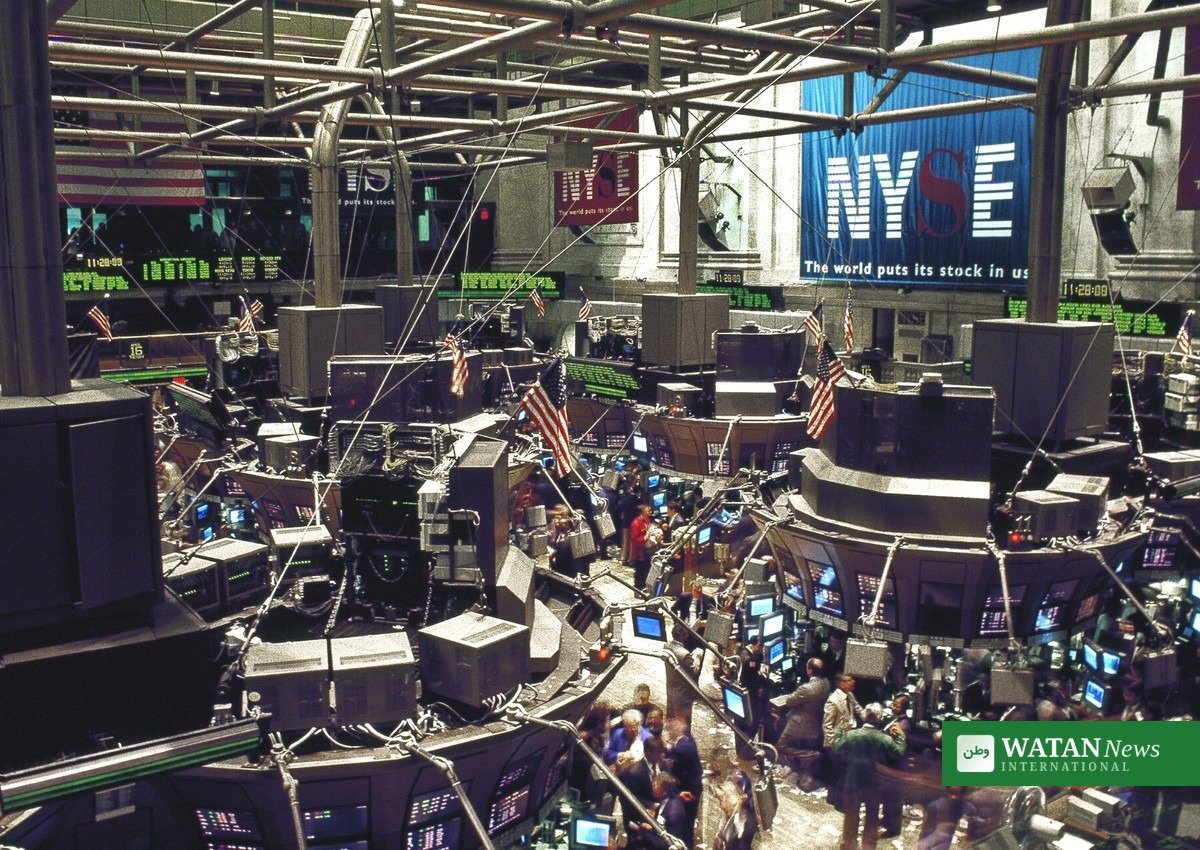
The AI stocks selloff hit Wall Street on Thursday, 5 November 2026, as investors reassessed the huge data-centre buildout behind the AI boom after the Democrats’ sweeping wins in the United States midterm elections. The Nasdaq Composite fell 5.52 percent and entered correction territory, wiping an estimated 2 trillion dollars from its market value in a single session.
Read this story on Watan News: AI Stocks Plunge as Nasdaq Enters Correction After US Midterm Results
FAKTA
- The Nasdaq Composite fell 5.52 percent on Thursday, 5 November, closing at 24,315.00, its worst day since April 2025.
- The S&P 500 dropped 4.36 percent to 7,353.73, and the Dow Jones Industrial Average lost 1,833.06 points, or 3.44 percent, to 51,523.06.
- The Philadelphia Semiconductor Index plunged about 12 percent, its second-biggest one-day fall on record.
- Nvidia fell about 9 percent, AMD and Micron each lost about 17 percent, and Intel dropped about 10 percent.
- The Nasdaq closed more than 10 percent below its recent record, putting it in correction territory.
- Investors fear the Democratic midterm sweep could slow the AI data-centre buildout through tougher scrutiny and local opposition.
A Brutal Day for AI Shares
The selling was concentrated exactly where AI spending lives: the chipmakers and data-centre suppliers. The Philadelphia Semiconductor Index, a basket of 30 chip companies, fell about 12 percent, with every member lower. Nvidia, the bellwether of the AI trade, sank 9.26 percent to 181.60 dollars, leaving it below where it ended 2025. AMD cratered 17.26 percent to 404.40 dollars, Micron lost about 17 percent, Broadcom fell more than 10 percent and Intel dropped about 10 percent.
Data-centre operators fared no better. CoreWeave fell around 10 percent, while Nebius and Iren each dropped more than 15 percent. SanDisk plunged 22 percent. The damage spread beyond AI infrastructure: all 11 sectors of the S&P 500 fell, with technology down 7.3 percent.
Why the Midterm Results Shook Markets
Investors linked the rout to the Democrats’ sweeping midterm wins, which gave the party control of both the House of Representatives and the Senate, along with key governorships. Traders priced in the risk that a Democratic-controlled Congress, and Democratic wins in state races, could bring greater scrutiny of data-centre construction, making the buildout slower and more expensive.
Michael O’Rourke of JonesTrading told Reuters that the lasting theme of the election is “the slowdown of the data center buildout”. Reuters also reported that fears of tougher scrutiny of data-centre construction contributed to the selling. Weak earnings added to the pressure: Qualcomm fell after its phone-chip sales dropped 26 percent.
The Correction in Numbers
A market correction is generally defined as a decline of 10 percent or more from a recent high. The Nasdaq closed more than 10 percent below its record from last month, and Reuters reported it had fallen as much as 14 percent from its all-time high, reached only a month earlier. The Dow’s 1,833-point fall more than wiped out Wednesday’s 1,570-point gain.
| Index / stock | Close on 5 November 2026 | Change |
|---|---|---|
| Nasdaq Composite | 24,315.00 | -5.52% |
| S&P 500 | 7,353.73 | -4.36% |
| Dow Jones | 51,523.06 | -3.44% |
| Philadelphia Semiconductor Index | 9,011.14 | -12.25% |
| Nvidia | $181.60 | -9.26% |
| AMD | $404.40 | -17.26% |
| Micron | $656.39 | -17.46% |
Stock futures traded mixed early on Friday after the meltdown, as investors waited to see whether the selloff would continue or stabilise.
What Comes Next for the AI Trade
The key test now is whether AI demand itself is faltering or only the pace of building. The companies buying the hardware held up better than the suppliers: Meta fell about 4 percent, while Amazon and Alphabet also declined more modestly. Nvidia reports earnings on 17 November, and its language on supply, power and customer timing will show whether orders are slipping or only the schedules.
For now, the selloff has broken the sense that AI stocks only rise. The Nasdaq’s fall was its largest one-day percentage drop since the April 2025 tariff selloff, and it leaves the index firmly in correction territory after a month in which it had already been sliding.
Conclusion
Thursday’s rout was a vote of no confidence in the pace of the AI buildout, not necessarily in AI itself. Whether the correction deepens will depend on earnings, on how the new Congress treats data centres, and on whether the companies spending hundreds of billions on AI infrastructure can show the returns investors are waiting for.
Related Articles
- Nasdaq Correction: Wall Street Sell-Off Wipes $2.5 Trillion as Tech Plunges
- Canada Invests Up to C$1.6 Billion in Cohere to Build Sovereign AI
- Tech Stocks AI Debt Selloff Hits Wall Street as Waymo Heads to Canada, Oil Nears $110
Frequently Asked Questions
Why did AI stocks fall so sharply?
Investors reassessed the AI data-centre buildout after the Democrats’ sweeping midterm wins, fearing tougher scrutiny could slow construction and raise costs. Weak earnings from some chip companies added to the pressure.
What is a stock market correction?
A correction is generally defined as a decline of 10 percent or more from a recent high. The Nasdaq closed more than 10 percent below its recent record, putting it in correction territory.
Which stocks were hit hardest?
Chipmakers took the worst of it: AMD fell about 17 percent, Micron about 17 percent, SanDisk 22 percent, Intel about 10 percent and Nvidia about 9 percent. The Philadelphia Semiconductor Index fell about 12 percent.
How much value was wiped out?
An estimated 2 trillion dollars was wiped off the Nasdaq’s market value on Thursday, according to Reuters.
Did other parts of the market fall too?
Yes. All 11 sectors of the S&P 500 fell, and the Dow lost 1,833 points. But the damage was concentrated in AI infrastructure and chip stocks.
What should investors watch next?
Nvidia reports earnings on 17 November. Its comments on supply, power and customer timing will show whether AI orders are slipping or only the building schedules.
Author

usmanch0013@gmail.com
Related Posts

Trump Names Stephen Miller as New White House Chief of Staff
- 0
- 511 words
President Donald Trump has named Stephen Miller as his new White House chief of staff, replacing Susie Wiles from Monday, November 9,...
Read out all
Pakistan Reports Ninth Polio Case of 2026 as PM Orders National Plan
- 0
- 979 words
Pakistan has confirmed its ninth polio case of 2026, a seven-month-old boy from Khyber district, as Prime Minister Shehbaz Sharif orders a...
Read out all
Nordic Countries Expand Joint Procurement to Secure Antibiotic Supplies
- 0
- 1,026 word
The Nordic countries are expanding joint procurement of medicines, with Finland and Sweden joining Denmark, Iceland and Norway to secure antibiotic supplies.
Read out all
Mohammed Shami Retires from Test Cricket After 13-Year Journey
- 0
- 972 words
India fast bowler Mohammed Shami has announced his retirement from Test cricket, exactly 13 years after his debut, closing a career of...
Read out all
Michelin Guide Switzerland 2026: Andermatt Gains a Fifth Three-Star Restaurant
- 0
- 894 words
Switzerland has a fifth three-star restaurant: The Japanese Restaurant at The Chedi Andermatt was promoted to three Michelin stars on 2 November...
Read out all
Even Occasional Cannabis Use Linked to Higher Stroke Risk, Study Finds
- 0
- 942 words
Even occasional cannabis use is linked to a higher risk of stroke and cardiovascular disease, according to a study of nearly 443,000...
Read out all