- 0
- 784 words
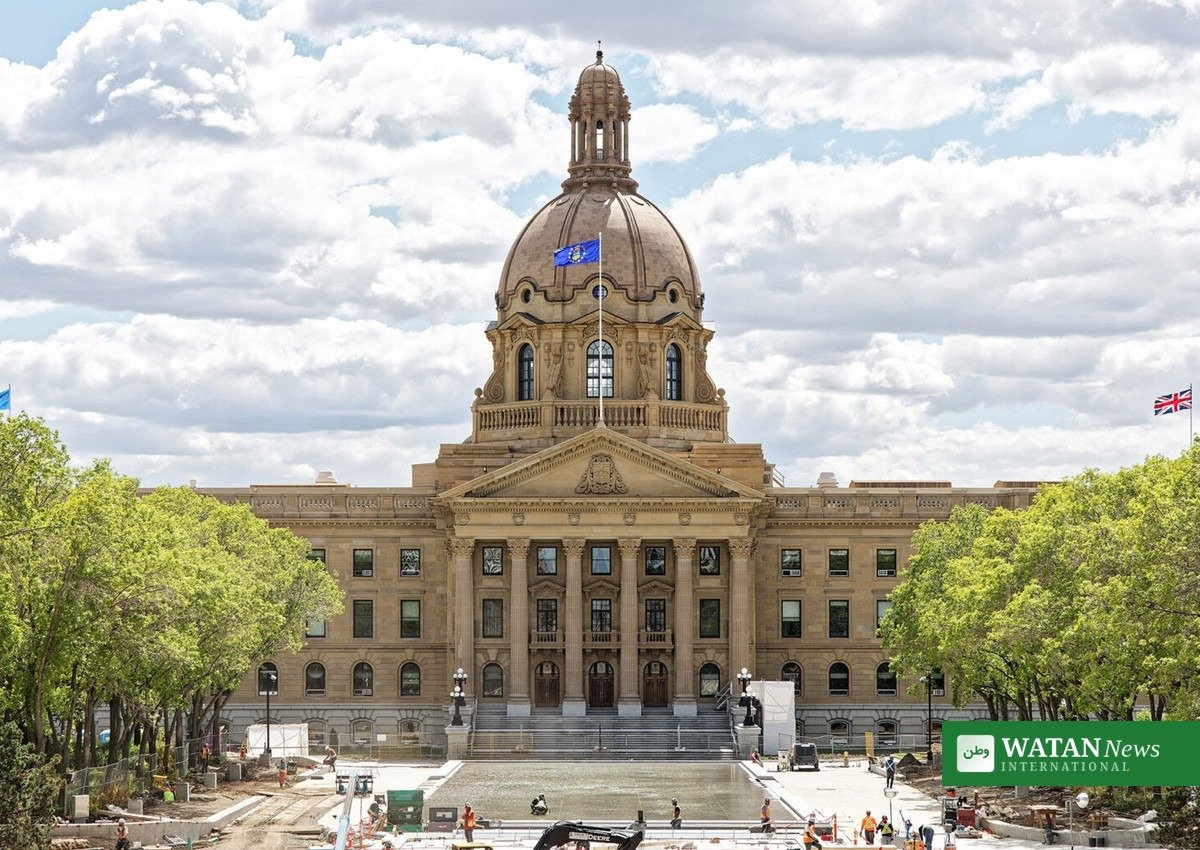
EDMONTON, Alberta — Voters in Alberta have chosen to remain in Canada, decisively rejecting a referendum proposal that would have set the oil-rich province on a path toward a future vote on separation, according to unofficial results released by Elections Alberta early Tuesday.
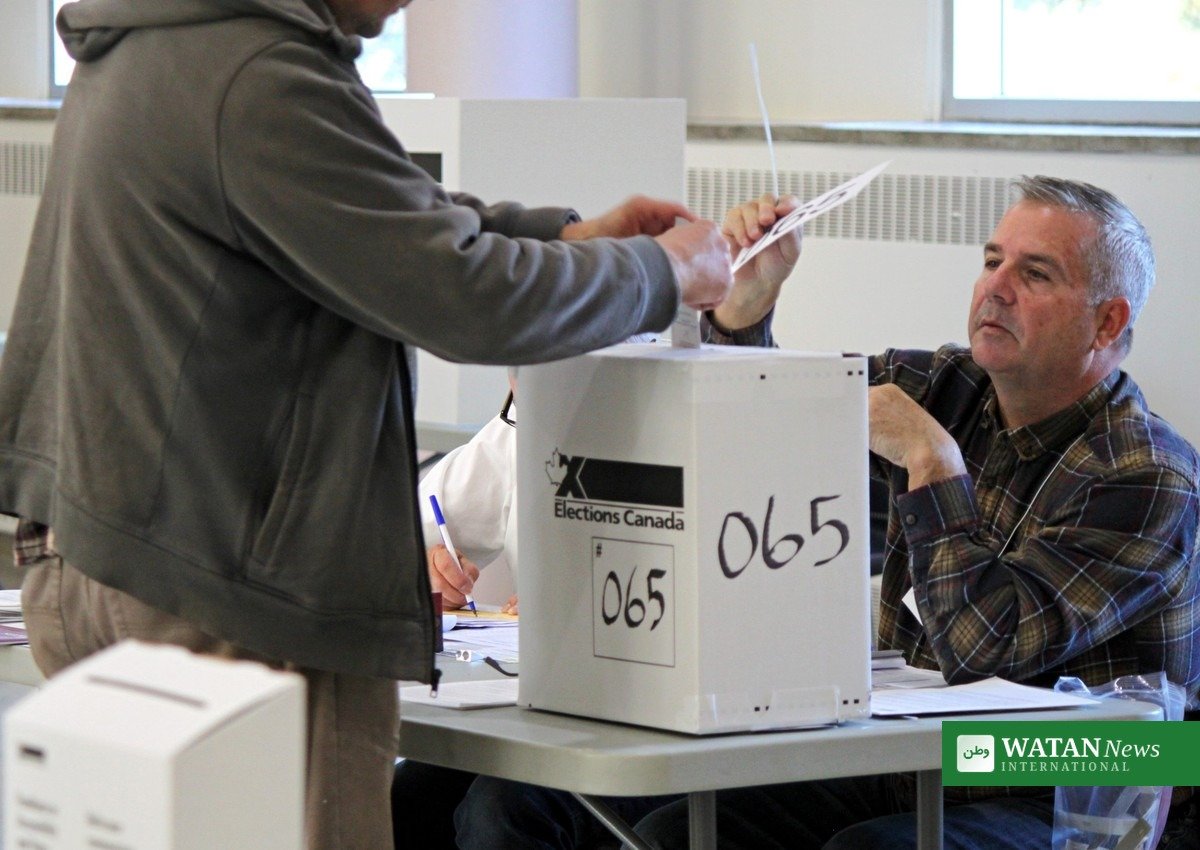
With more than 1.4 million votes counted, about 76 per cent backed remaining in Canada while close to 24 per cent supported beginning the legal process toward a later binding referendum on separation, the unofficial tally showed. The CBC projected a win for the remain option late Monday night.
FAKTA
- What was voted on: Question 10 of a 10-question provincial referendum held Monday, October 19 — the only question dealing with separation; the other nine concerned immigration rules and constitutional amendments.
- The result: About 76 per cent voted for Alberta to remain a province in Canada; about 24 per cent voted to start the legal process toward a future binding separation referendum (unofficial Elections Alberta figures).
- Non-binding: Approval would not have taken Alberta out of Canada — it would only have started the process toward a second, binding vote.
- Official results: Due October 29; ballots are being counted by hand, with Question 10 reported first.
- Historic context: The first vote of its kind in Canada since the 1995 Quebec referendum.
Alberta referendum results deliver unity boost
The Alberta referendum result is a significant boost for Prime Minister Mark Carney, who grew up in Alberta and had campaigned hard for a remain vote. Carney had called the separation question “the defining question of separation” and warned that voting against Canada would be “a dangerous bluff” bringing years of uncertainty.
“Albertans made a clear choice. They chose unity, to build together, and to take care of each other,” Carney said in a statement early Tuesday. “Albertans and all Canadians will move forward together with renewed purpose and high ambition. Canada is so much greater than the sum of its parts.”
Alberta Premier Danielle Smith, who added the independence question to the referendum in May, said citizens had “voted for a stronger Alberta in a united Canada” and announced she would address Albertans on Tuesday evening to discuss the results. Smith has said she will not hold a second vote on separation while she is premier if the remain side wins.
Remain leading in every region
The CBC projected that the remain vote was leading in all regions of the province, with more than 80 per cent support in the big cities of Edmonton and Calgary and over 60 per cent in some rural central areas, with 41 per cent of polls reporting.
Separatist leaders, who had seen the referendum as a breakthrough regardless of the outcome, said the attention the vote generated was itself a victory. “I think we’ve already hit success when you look at the voter turnout,” Keith Wilson, a leader of the independence group Let Alberta Decide, told the Associated Press over the weekend. “People are engaged and people are talking about this topic at a level that’s unprecedented historically.”
Thomas Lukaszuk, a former Alberta politician and founder of the pro-unity Forever Canadian movement, told a cheering crowd as the results came in: “Canada is not up for grabs. We are a solid country that’s united from coast to coast to coast and we stick up for each other.”
Backdrop of trade war and sovereignty debate
The vote came amid a rising tide of Canadian patriotism as the country has rallied against trade tariffs and annexation threats from US President Donald Trump, according to multiple outlets. The independence campaign, a grassroots effort led by a handful of vocal separatists, was amplified heavily online, and some of its leaders had met with members of the Trump administration, CNN reported. Canada’s Globe and Mail reported that Republican operatives had assisted top separatist leaders with their independence bid.
Alberta is Canada’s fourth-most populous province with 5.1 million people and holds the world’s fourth-largest oil reserves. The separatist movement, once fringe and mobilised against Covid-19 pandemic restrictions, has long opposed Ottawa’s energy policies and argued the province is short-changed for what it contributes to the country’s economy.
What comes next
Elections Alberta said ballots would be counted by hand within 48 hours, with the separation question reported first, followed by the other nine questions. Premier Smith’s Tuesday evening address is expected to set out where the province goes from here.
While separatists said the referendum would not settle the debate on Alberta’s status for good, Monday’s vote — the first of its kind in Canada in more than three decades — delivered the clearest answer yet: Albertans chose Canada.
For more international political developments, see our World news section.
Author

usman2344913@gmail.com
Related Posts
Houthi Missile Strike Kills 58 at Yemen Training Camp, More Than 200 Injured
- 0
- 497 words
A Houthi missile strike in Yemen has killed at least 58 people and injured more than 200 at a government security forces...
Read out all
Zelenskiy Heads to Oslo for High-Stakes Meeting With Trump’s Envoy
- 0
- 505 words
Zelenskiy travels to Oslo to meet Trump's envoy Steve Witkoff as ties with Washington strain; Rubio, Starlink and a possible Putin visit...
Read out all
Vanessa Nakate Named AU Chairperson’s Special Envoy for Youth, Bringing a Climate Justice Voice to Continental Leadership
- 0
- 951 words
Ugandan climate activist Vanessa Nakate has been named the African Union Commission Chairperson’s Special Envoy for Youth, according to a report by...
Read out all
Maldives President Muizzu Begins Landmark State Visit to Pakistan
- 0
- 463 words
Maldives President Mohamed Muizzu arrived in Islamabad on Tuesday for a three-day Muizzu Pakistan state visit that both countries are describing as...
Read out all
Iran Claims It Shot Down a US MQ-9 Drone Over the Strait of Hormuz
- 0
- 661 words
Iran’s Islamic Revolutionary Guard Corps (IRGC) claimed on Tuesday morning that it had intercepted and destroyed an American MQ-9 drone over the...
Read out all
China Tracks US Warship USS Charleston Near Disputed Sabina Shoal
- 0
- 488 words
China said on Tuesday that its navy had deployed forces to track and monitor an American warship near a disputed shoal in...
Read out all