- 0
- 1,043 word
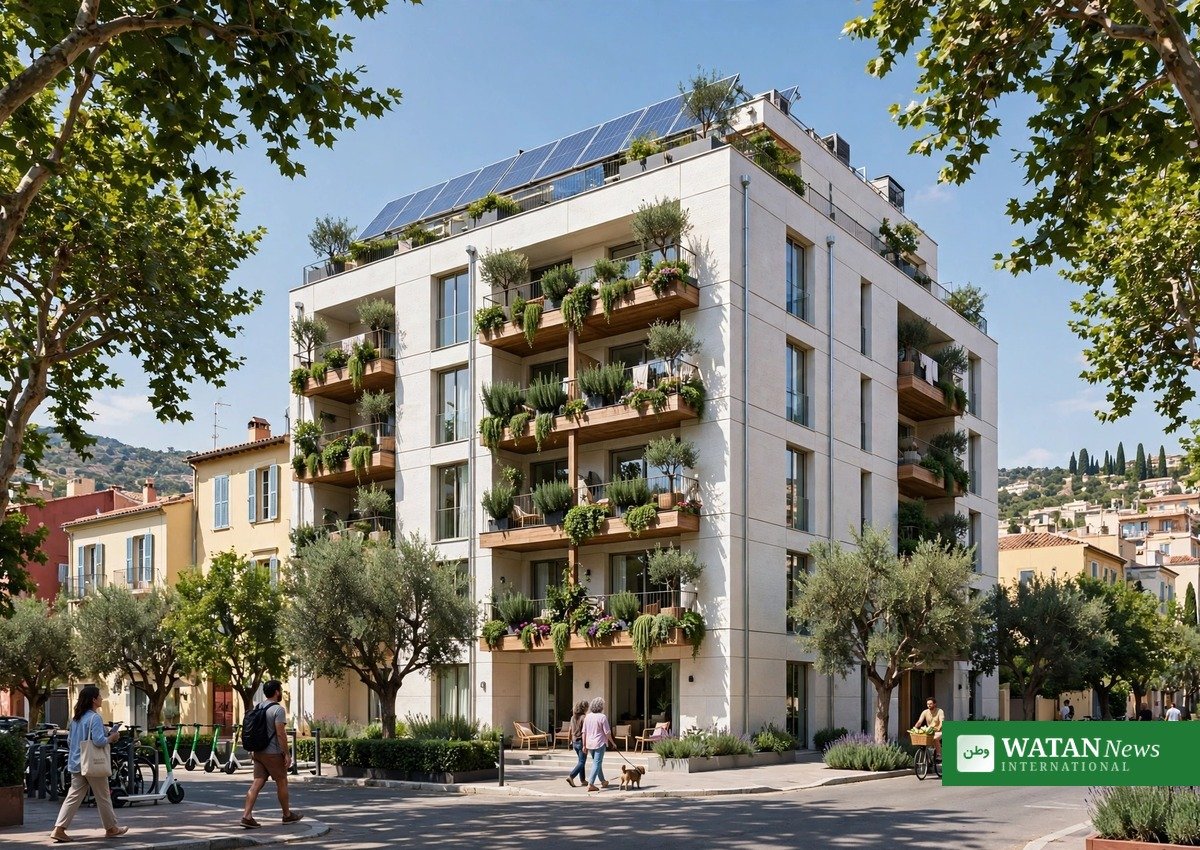
With COP31 opening in Antalya in just five days, the COP31 Presidency of Türkiye has invited every participating country to join the Antalya Compact for Energy Efficient Buildings, a new framework that puts the homes, schools and workplaces where people spend their daily lives at the centre of climate action. The Compact will be formally launched on 12 November 2026 during COP31, and it sets two clear ambitions for 2035: cut the operational energy intensity of the global building stock by at least 25 per cent compared with 2020, and accelerate efficient electrification so that electricity reaches 35 per cent of global final energy consumption.
The Compact was developed by the COP31 Presidency together with the secretariat of the United Nations Environment Programme-hosted Global Alliance for Buildings and Construction (GlobalABC). It is open for endorsement by all participating countries, and it deliberately sets a collective global ambition rather than uniform national targets, so each country can follow its own pathway according to its starting point and national circumstances.
Key facts
- What: The COP31 Antalya Compact for Energy Efficient Buildings, a presidency framework for energy-efficient and electrified buildings.
- Launch: 12 November 2026, at the Second Ministerial Meeting of the Intergovernmental Council for Buildings and Climate, on Resilient Cities and Built Environment Day at COP31.
- Target 1: At least a 25 per cent reduction in the operational energy intensity of the global building stock by 2035, relative to 2020 levels.
- Target 2: Efficient electrification in buildings, supporting the COP31 Presidency objective of electricity reaching 35 per cent of global final energy consumption by 2035.
- Developed by: The COP31 Presidency of Türkiye and the UNEP-hosted GlobalABC Secretariat.
- Summit: COP31 takes place in Antalya, Türkiye, from 9 to 20 November 2026.
Why buildings matter for sustainable living
Buildings are where sustainable living happens — and where a large share of emissions comes from. According to the United Nations Environment Programme’s Global Status Report for Buildings and Construction 2025–2026, buildings are responsible for almost 40 per cent of energy-related carbon emissions and energy demand. In 2024 alone, the world’s total building floor area grew by 1.7 per cent to 272 billion square metres, and the report estimates that an additional US$3.6 trillion in cumulative energy-efficiency investment is needed by 2030 to align investment with the 2050 net-zero pathway.
Martin Krause, Director of the Climate Change Division at the United Nations Environment Programme, cautions in the report’s foreword that “new construction continues to outpace decarbonisation, while renovation of existing buildings is far too slow.” He argues that buildings should be seen not only as a problem to be fixed, but as a platform for delivery: a way to meet housing needs, reduce energy costs, strengthen resilience to climate extremes and support inclusive economic growth at the same time.
Six areas for action
The Compact outlines six areas for governments, cities, financial institutions and buildings-sector stakeholders to advance:
- Integrating energy efficiency and electrification into national strategies.
- Strengthening the energy and carbon performance of new and existing buildings.
- Accelerating the renovation of existing buildings.
- Reducing energy demand and electrifying heating, cooling, cooking and appliances.
- Increasing building flexibility to support energy systems.
- Mobilising finance and capacity to deliver implementation at scale.

What it means for everyday life
For households, the Compact’s agenda translates into homes that are cheaper to heat in winter and cooler in summer, with lower energy bills and greater comfort. Yves-Laurent Sapoval, co-chair of GlobalABC, puts it this way: “The transition to energy-efficient buildings is about much more than reducing emissions. It is about homes people can afford to heat and cool, schools where children can learn comfortably and hospitals that can deliver essential services without wasting energy.”
Electrification — replacing fossil-fuel-powered heating, cooking and appliances with efficient electric alternatives, powered by increasingly clean electricity — is the second pillar. Better insulation, efficient windows, heat pumps and smart controls cut the energy a home needs in the first place, so the electricity it does use goes further. That combination of using less energy and electrifying what remains is what makes the 25 per cent intensity target and the 35 per cent electricity-share objective mutually reinforcing, according to the Presidency.
Building on the Chaillot Declaration
The Compact builds on the Declaration de Chaillot, signed by 70 countries in 2024 at the inaugural Buildings and Climate Global Forum, which aims to facilitate a rapid, fair and effective transition toward near-zero-emission and resilient buildings. The Antalya Compact carries that agenda into the COP31 negotiations, where ministers and negotiators will decide how far and how fast countries commit.
What happens next
The Compact will be launched on 12 November 2026 during COP31 in Antalya, where governments will be invited to endorse it. Because it is a presidency framework rather than a negotiated treaty text, its strength will depend on how many countries sign up and how firmly they weave its six action areas into national strategies, building codes, renovation programmes and finance plans. For the sustainable-living agenda, the test will be practical: warmer, healthier, more affordable homes — and buildings that help, rather than hinder, the path to net zero.
Read more of Watan News International’s climate coverage on the climate news page.
Frequently asked questions
What is the Antalya Compact for Energy Efficient Buildings?
It is a framework developed by the COP31 Presidency of Türkiye and the UNEP-hosted GlobalABC Secretariat that invites countries to pursue energy-efficient, electrified buildings, with a formal launch set for 12 November 2026 at COP31 in Antalya.
What are its two main targets?
At least a 25 per cent reduction in the operational energy intensity of the global building stock by 2035 compared with 2020, and accelerated efficient electrification in support of electricity reaching 35 per cent of global final energy consumption by 2035.
Why do buildings matter so much for emissions?
According to the United Nations Environment Programme’s Global Status Report for Buildings and Construction 2025–2026, buildings account for almost 40 per cent of energy-related carbon emissions and energy demand, and global floor area reached 272 billion square metres in 2024.
Does the Compact impose binding targets on individual countries?
No. The Compact sets a collective global ambition and states that countries’ pathways will vary according to their starting points, national circumstances and capacities, without establishing uniform national targets.
How does this affect ordinary households?
Through better insulation, renovation, efficient heating and cooling and electrified appliances, homes become cheaper to heat and cool, more comfortable and more resilient — while using less energy overall.
Author

usmanch0013@gmail.com
Related Posts
EU Parliament Committee Backs Weaker 2035 Car CO2 Targets
- 0
- 572 words
The European Parliament's Environment Committee has voted to lower the EU's 2035 CO2 target for new cars from 100% to 87.5%, with...
Read out all
Antalya-aftalen sætter energieffektive bygninger i centrum for COP31
- 0
- 1,057 word
Få dage før COP31 åbner i Antalya har det tyrkiske COP31-formandskab inviteret landene til at tilslutte sig Antalya-aftalen for energieffektive bygninger, der...
Read out all
انتالیا معاہدہ: کاپ31 میں توانائی کی بچت والی عمارتوں کو مرکزی حیثیت مل گئی
انتالیا میں کاپ31 کے آغاز سے چند دن پہلے ترکیہ کی کاپ31 صدارت نے ممالک کو انتالیا معاہدہ برائے توانائی کی بچت...
Read out all
Houthi Missile Attack Kills 14 at Yemen Military Camp in Al-Dhalea
- 0
- 482 words
At least 14 people were killed and more than 30 wounded when missiles struck a military training camp near Qatabah in northern...
Read out all
Iran Claims Four Oil Tankers Destroyed by Mines Near Strait of Hormuz
- 0
- 878 words
Iran’s Revolutionary Guard says four oil tankers were destroyed after striking naval mines south of the Strait of Hormuz, with two other...
Read out all
Africa Sovereign Climate Facility: 690 mio. dollar lanceret for at omsætte klimaplaner til investerbare projekter
- 0
- 985 words
AFC og Den Grønne Klimafond har lanceret en Africa Sovereign Climate Facility på 690 millioner dollar, der starter i Angola, Benin, Côte...
Read out all