- 0
- 1,195 word
Prime Minister Anthony Albanese has warned that Australia is bracing for an extreme summer weather season, telling Pacific leaders at the pre-COP31 summit in Fiji and Tuvalu that the climate crisis is a present reality rather than a future threat. The warning came as the Bureau of Meteorology tracks a brewing “super El Niño” that could become the strongest since reliable records began in 1950.
Key Facts
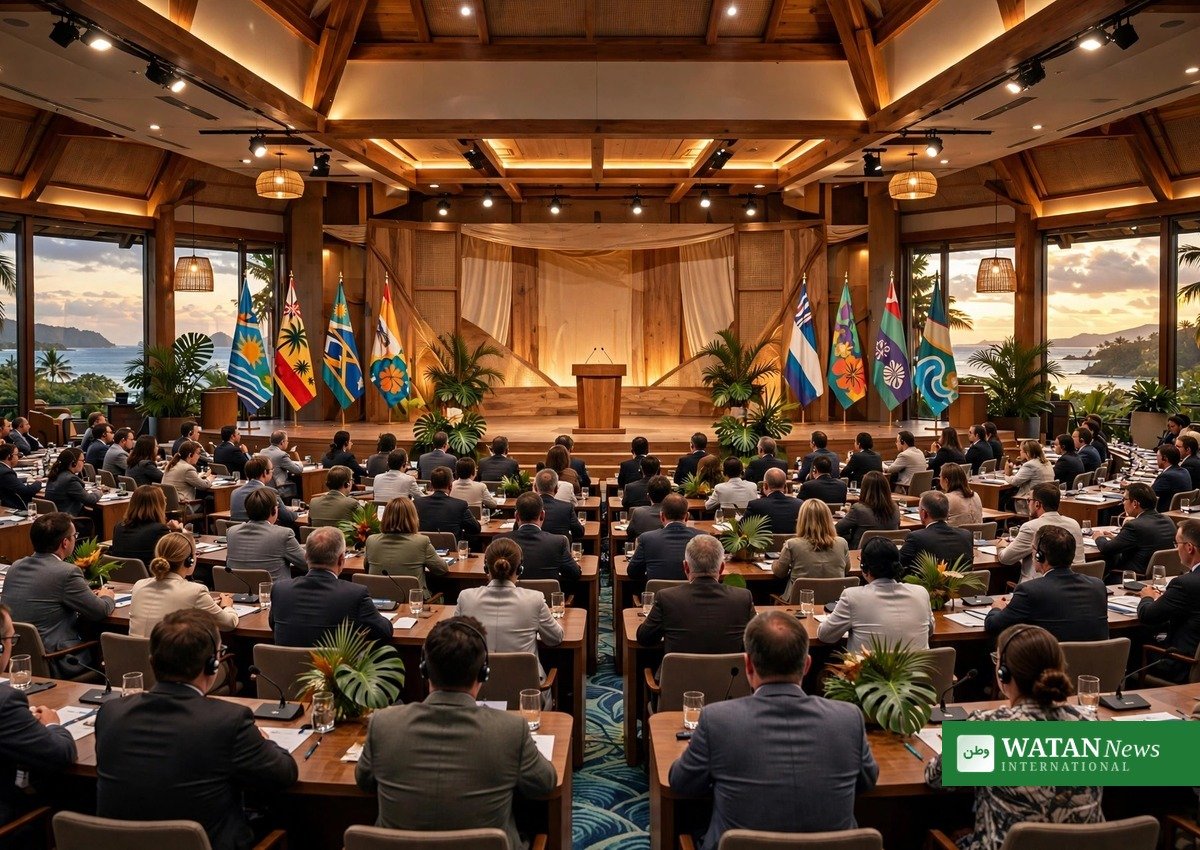
- Albanese visited Fiji and Tuvalu from 5 to 7 October 2026 for the Pre-COP Leaders’ event, co-hosted with Fiji and Tuvalu; the wider Pacific Pre-COP ran 5–8 October in Nadi.
- COP31 opens on 9 November 2026 in Antalya, Türkiye, with Australia holding the presidency of the negotiations.
- The Bureau of Meteorology says the El Niño developing since June 2026 could be the strongest since 1950, with Pacific sea-surface temperatures forecast more than 3°C above average.
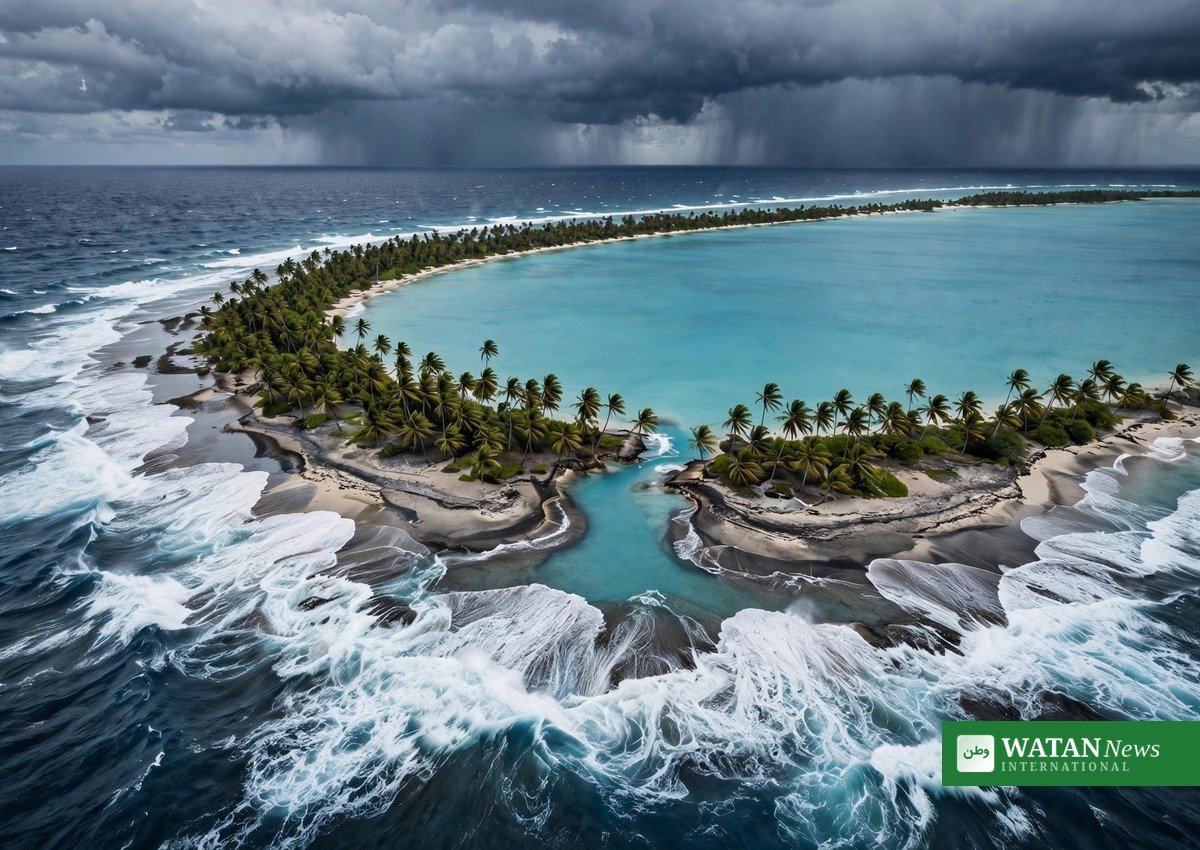
- Tuvalu comprises three reef islands and six atolls, mostly less than 2 metres above sea level, with a population of about 10,600 — half living on Funafuti.
- The World Meteorological Organization reports sea levels in the western tropical Pacific have risen 10–15 cm since 1993, nearly twice the global rate.
- Fourteen national leaders visited Tuvalu, where 13-year-old student Melelusi Sokotia told them: “We all have one single dream: to grow safely here in Tuvalu.”
Australia extreme summer weather outlook
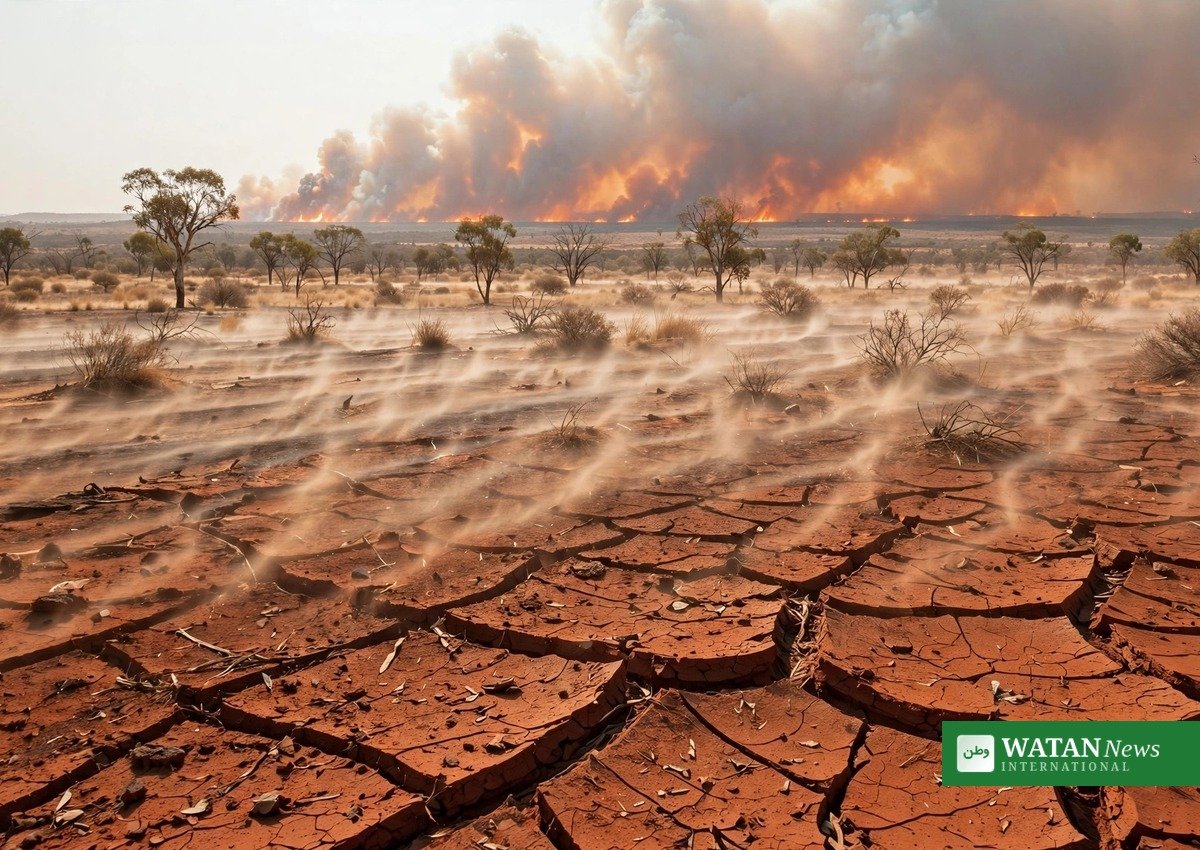
Albanese has repeatedly warned that large-scale natural disasters will become worse and more intense without stronger climate action, telling a New York climate summit in September that a summer of extreme heat and bushfires linked to El Niño was possible. The Bureau of Meteorology’s long-range outlook favours above-average temperatures across almost the entire country, with the fire season already under way in northern Australia after heavy wet-season rain boosted fuel loads.
Parts of the south-east face a drier end to the year, while major cities including Sydney, Melbourne, Brisbane, Adelaide and Perth face a high chance of unusually hot months, according to the bureau. The outlook explains why the prime minister chose a Pacific climate stage to press his warning — more of Watan News’ reporting on the crisis is collected in our climate section.
A “super El Niño” on the way
The El Niño now developing began in June 2026 and is expected to peak in early 2027. Data released in September showed the event had breached the 2°C anomaly threshold, with models indicating Pacific waters could climb more than 3°C above average — potentially surpassing the 1982–83 record of about 2.6°C. The US Climate Prediction Center put the chance of a very strong event above 90 per cent.
Fiji’s prime minister, Sitiveni Rabuka, invoked the phenomenon at the summit, warning that with the world facing “a super El Niño” and nearing the 1.5°C limit, countries must bring forward emissions-cutting plans. The bureau has, however, cautioned that a stronger El Niño does not automatically mean more extreme conditions for Australia: “Every El Niño is different,” it said in a September advisory, noting that other climate drivers will shape the season.
Tuvalu: the frontline of the crisis
The leaders’ event in Tuvalu put the human cost of the crisis on display. About 50 dignitaries — including 14 national leaders — flew to the atoll nation, where most land sits less than two metres above sea level. They were shown a land-reclamation project, backed by the UN Development Programme and partly funded by Australia, racing to extend space for homes and infrastructure by about 20 hectares.
The visitors heard from Melelusi Sokotia, a 13-year-old local student, who said her friends dreamed of becoming teachers, doctors and builders but spent their lives wondering whether their island would be safe to live on when they were adults. “We all have one single dream: to grow safely here in Tuvalu,” she said. “We are asking for help and partnership.”
Tuvalu’s prime minister, Feleti Teo, pressed for faster access to climate finance, asking why countries like Tuvalu should “take on more debt to protect ourselves from a climate crisis we did so little to cause”. His climate change director, Jamie Ovia, warned that once-in-a-century floods are becoming more likely as seas rise, with projected annual flood damage reaching US$34 million by 2050.
The road to COP31 in Antalya
The Fiji and Tuvalu meetings lay the groundwork for COP31, which opens on 9 November in the Turkish resort city of Antalya with Australia presiding over the negotiations — a compromise after the two countries’ contest to host the summit. More than 50 countries took part in the Pacific pre-COP process.
Pacific leaders used the platform to defend the 2023 Dubai agreement to transition away from fossil fuels. “It is not a new ask, and it is not open for renegotiation,” Rabuka said. This story is also published on Watan News’ main site: Australia braces for extreme summer weather, PM Albanese warns.
Australia’s climate pledges under scrutiny
Albanese used the visit to restate Australia’s commitment to renewable energy and resilience projects at home and abroad. Reflecting on Tuvalu, he said the message of the trip was that “climate change must be understood as being something more than about science or targets” — “it comes down to” people and “the impact on humanity”.
The visit came less than a week after an Australian state regulator approved another fossil-fuel development — one of more than 30 greenlit in under five years — drawing criticism from campaigners who say the approvals undercut Australia’s credibility as COP31 negotiations president.
Conclusion
Albanese’s Pacific tour fused a domestic warning with a diplomatic message: Australia must prepare for a punishing summer while the world must not abandon the 1.5°C goal or the promised transition away from fossil fuels. Whether the pre-COP momentum survives the negotiating rooms of Antalya in November will be the real test.
Frequently Asked Questions
What is a “super El Niño”?
A “super El Niño” is an exceptionally strong El Niño event, marked by Pacific sea-surface temperatures far above average. The current event could exceed 3°C above average, potentially the strongest since reliable records began in 1950.
Why did Albanese warn of an extreme summer?
The prime minister has warned that without stronger climate action, natural disasters will become worse and more intense, and has linked a potential summer of extreme heat and bushfires to the strengthening El Niño. The Bureau of Meteorology forecasts above-average temperatures across most of Australia.
Why is Tuvalu so vulnerable to climate change?
Tuvalu is made up of three reef islands and six atolls, mostly less than two metres above sea level. About 10,600 people live there, and rising seas are making severe flooding more frequent while threatening freshwater supplies and fisheries.
What was the pre-COP31 summit in Fiji and Tuvalu?
A preparatory meeting held 5–8 October 2026 in Nadi, Fiji, with a leaders’ event in Tuvalu, co-hosted by Australia, Fiji and Tuvalu to elevate Pacific priorities ahead of COP31.
When and where is COP31?
COP31, the 31st UN climate conference, opens on 9 November 2026 in Antalya, Türkiye, with Australia presiding over the negotiations.
Author

usmanjaved13132@gmail.com
Related Posts
Space Telescope’s ‘Ghost Particles’ Earn Nobel Prize in Physics
- 0
- 1,113 word
Belgian physicist Francis Halzen has won the 2026 Nobel Prize in Physics for his decisive contributions to the IceCube Neutrino Observatory and...
Read out all
Pakistan, IFC Discuss Mobilizing Private Capital and Financial Access
- 0
- 637 words
Pakistan and the IFC reaffirmed their commitment to mobilising private capital and expanding financial access. Finance Minister Muhammad Aurangzeb met IFC Divisional...
Read out all
Kenya Confirms First Ebola Case as Patient Dies After Arriving From DR Congo
- 0
- 418 words
Kenya has confirmed its first Ebola case after a citizen arriving from DR Congo died. 28 contacts are being traced as Congo...
Read out all
Germany arrests ex-domestic intelligence chief for alleged spying
- 0
- 436 words
Former BND chief August Hanning has been detained on suspicion of espionage, treason and obtaining classified information for a foreign power, Bild...
Read out all
Australien afsætter 7,3 mio. AUD til vedvarende energi i Stillehavet ved pre-COP31
- 0
- 714 words
Australien bruger 7,3 mio. AUD på netmodellering, tekniske eksperter og uddannelse for at hjælpe Stillehavslandene med at skifte til vedvarende energi, meddelt...
Read out all
آسٹریلیا کا بحرالکاہل ممالک کے لیے 73 لاکھ آسٹریلوی ڈالر کے قابلِ تجدید توانائی اعلان
آسٹریلیا بحرالکاہل ممالک کو قابلِ تجدید توانائی کی جانب منتقلی میں مدد کے لیے 73 لاکھ آسٹریلوی ڈالر گرڈ ماڈلنگ، تکنیکی ماہرین...
Read out all